Table of Contents
Introduction
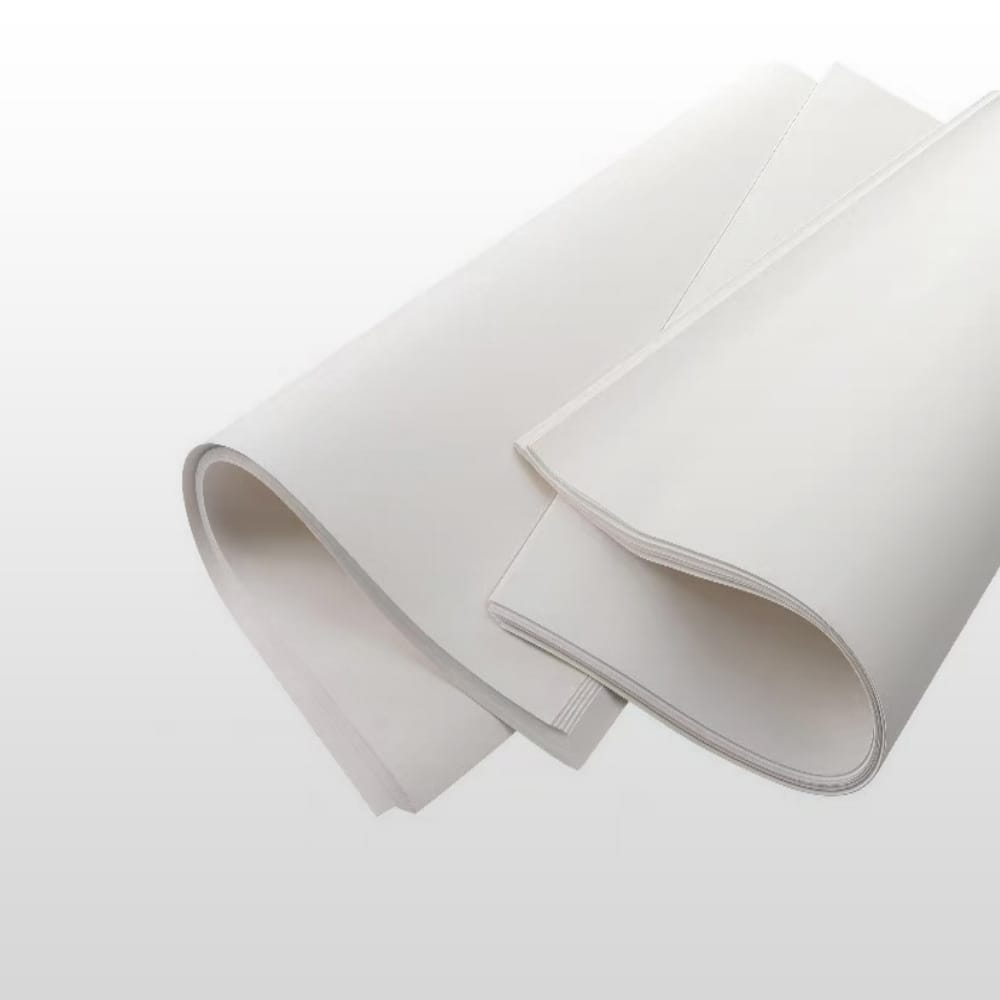
Filter paper for lab is an essential tool in various laboratory processes, including chemical analysis, sample preparation, and environmental testing. High-quality laboratory filter paper ensures precise filtration, prevents contamination, and improves experimental reliability. As a manufacturer, we understand the critical role that well-made filter paper plays in delivering consistent, accurate results for labs worldwide.
Laboratory filter papers come in multiple grades and specifications to meet different scientific requirements. Choosing the right type can significantly affect the outcome of experiments, making it vital for researchers and technicians to understand their options.
Types of Filter Paper for Lab
Laboratory filter paper is available in several types, each designed for specific applications:
Qualitative vs Quantitative Filter Paper
Qualitative filter paper is commonly used for routine laboratory filtration, including separating solids from liquids in experiments that do not require precise measurement of residue. Quantitative or ashless filter paper, on the other hand, is designed for chemical analysis where low ash content is critical for accurate results.
Ashless Filter Paper
Ashless filter paper for lab is highly purified cellulose paper with minimal residual ash after burning. It is ideal for gravimetric analysis, environmental testing, and other applications that require precise measurements.
Glass Fiber Filter Paper
Glass fiber filter papers provide superior mechanical strength and high-temperature resistance. They are suitable for high-speed filtration, environmental testing, and situations where standard cellulose papers might degrade.
Specialty Filter Papers
Specialty filter papers include microfiltration papers, heavy metal analysis papers, and papers designed for microbiological applications. These products meet unique laboratory needs that go beyond routine filtration.
How to Choose the Right Filter Paper for Your Lab
Selecting the appropriate filter paper depends on several factors:
- Experiment Type: Chemistry, biology, or environmental testing
- Pore Size: Determines the size of particles filtered
- Thickness and Weight: Affects filtration speed and retention
- Brand Preference: Well-known brands like Whatman provide consistent quality, but manufacturer-supplied high-quality filter paper can be equally reliable
Understanding these factors allows labs to maximize efficiency, reduce contamination risk, and improve reproducibility.
Applications of Filter Paper for Lab
Filter paper for lab serves a wide range of purposes, including:
- Analytical Chemistry: Separating precipitates from solutions
- Sample Preparation: Clarifying samples before testing
- Microbiological Filtration: Sterile filtration of bacteria or cell cultures
- Environmental Testing: Water quality analysis, air monitoring, and soil studies
Each application requires choosing the right type of paper with proper pore size, weight, and chemical resistance.
Advantages of Using High-Quality Filter Paper
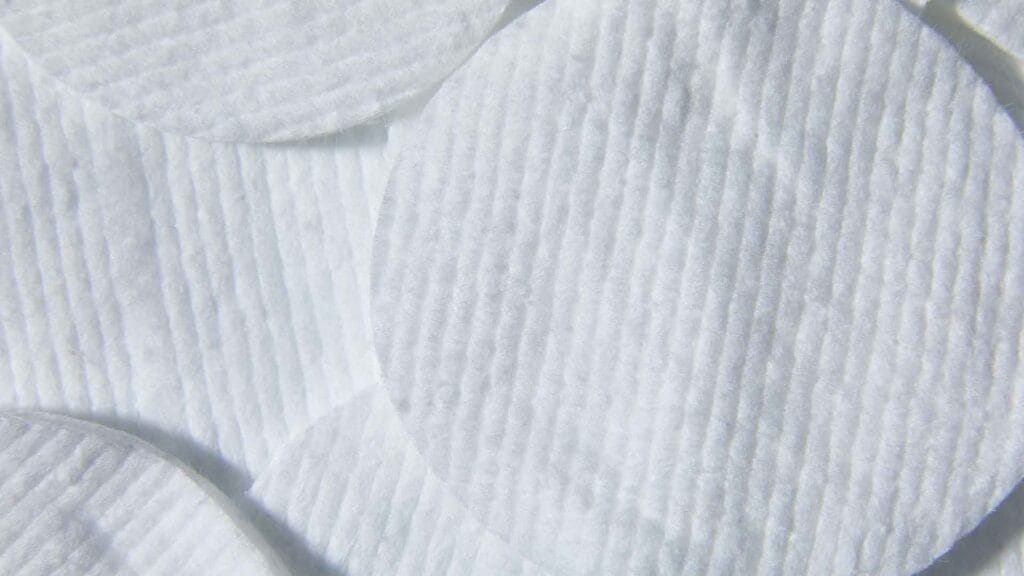
High-quality laboratory filter paper offers multiple benefits:
- Ensures precise and reproducible filtration results
- Resistant to chemical degradation and high temperatures
- Reduces overall laboratory costs by minimizing experiment failure
- Enhances reliability and consistency in experimental outcomes
| Filter Paper Type | Pore Size | Ideal Use | Key Advantage |
|---|---|---|---|
| Qualitative | 11 μm | Routine filtration | Affordable and reliable |
| Quantitative (Ashless) | 2-12 μm | Gravimetric analysis | Low ash content |
| Glass Fiber | 0.7 μm – 1 μm | High-temperature filtration | High strength and durability |
| Microfiltration | 0.2 μm | Microbiological & chemical | Sterile filtration |
This table helps lab managers quickly identify the most suitable filter paper for their specific needs.
How Laboratory Filter Paper is Manufactured
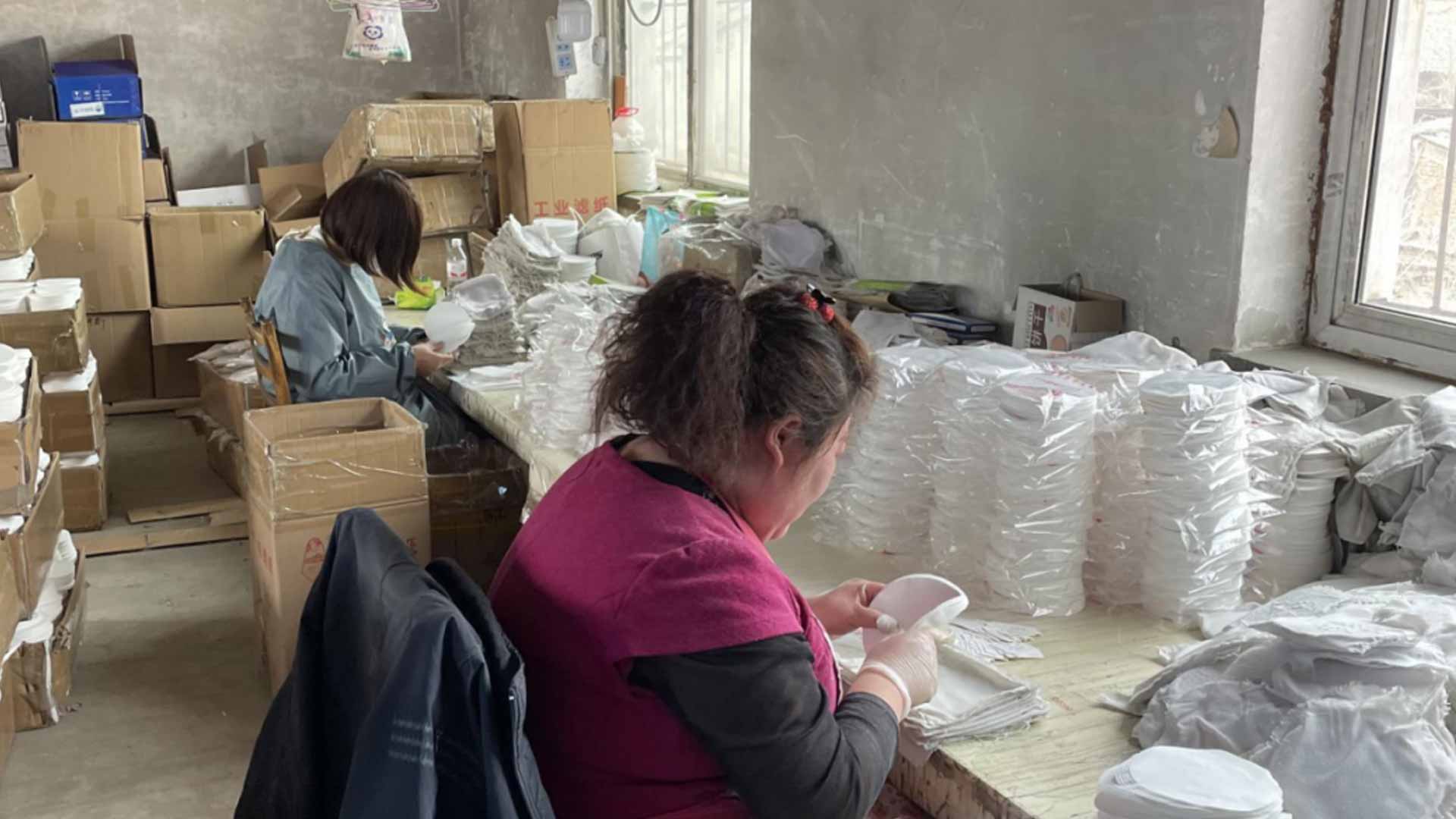
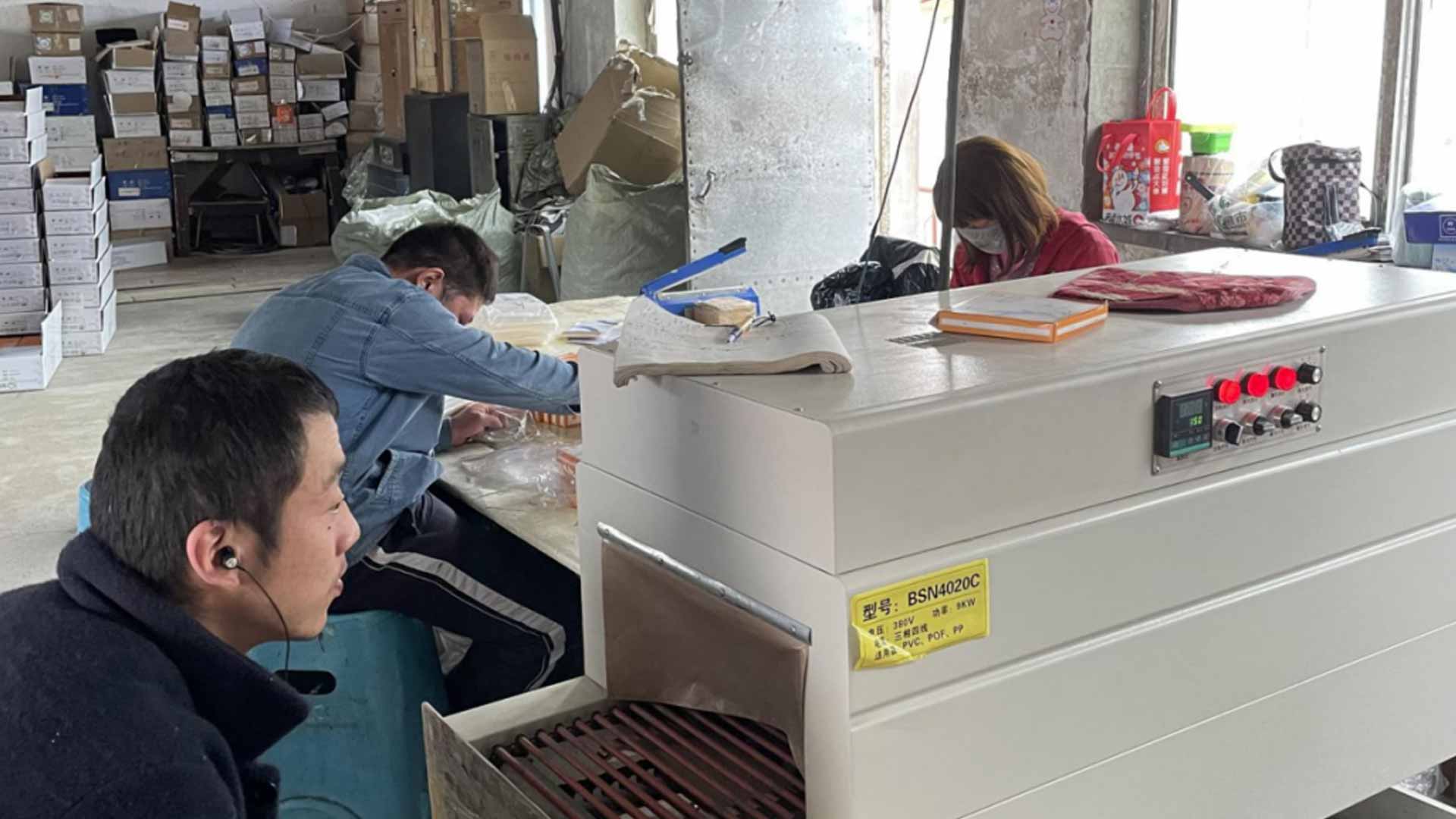
As a manufacturer, we carefully control the production of laboratory filter paper to ensure top-quality performance. Key steps include:
- Raw Material Selection: Premium cellulose or glass fibers
- Formation and Pore Control: Precision pressing to achieve consistent pore size
- Quality Testing: Tensile strength, ash content, and chemical resistance testing
- Customization: Providing tailored options to meet lab-specific requirements
High-quality manufacturing ensures that each sheet delivers reliable, reproducible filtration results.
Buying Guide: Where to Get Filter Paper for Lab
Purchasing reliable filter paper for lab requires careful consideration. Key tips include:
- Buy Online or Direct from Manufacturer: Ensures authenticity and quality
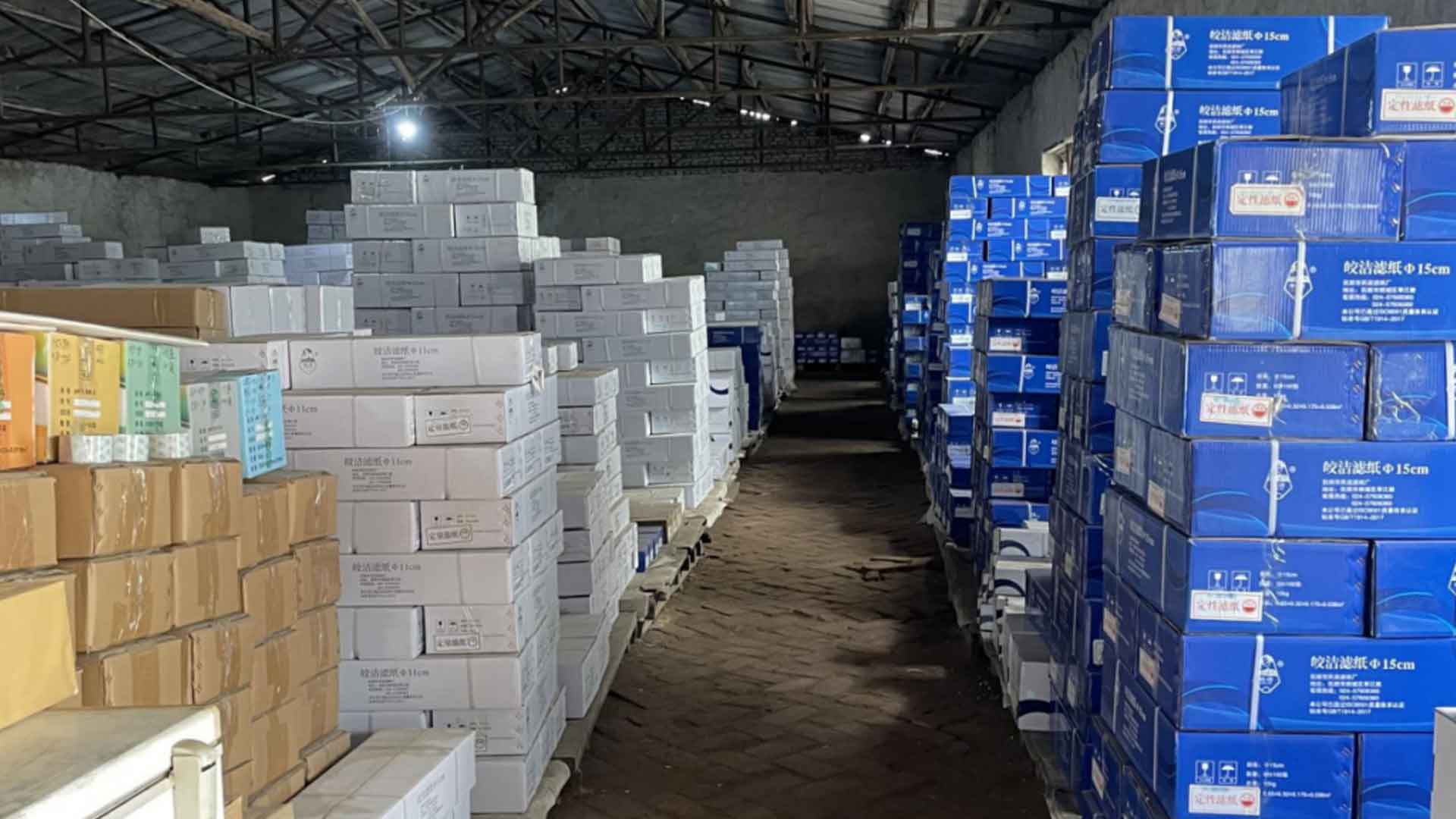
- Bulk Purchase: Cost-effective for labs with high consumption
- Compare Price and Quality: Avoid low-cost papers that may compromise experimental results
- Manufacturer Advantages: Direct sourcing allows customization, timely delivery, and consistent product standards
By choosing a reputable manufacturer, labs gain access to high-grade filter papers that meet international laboratory standards.
Common Mistakes When Using Filter Paper in Lab
Even high-quality filter papers can underperform if used incorrectly. Common mistakes include:
- Selecting the wrong type of filter paper for the experiment
- Using wet or improperly stored papers
- Contaminating the filter paper during handling
Avoiding these mistakes improves experimental accuracy and ensures the longevity of your lab materials.
Tips for Maintaining and Storing Laboratory Filter Paper
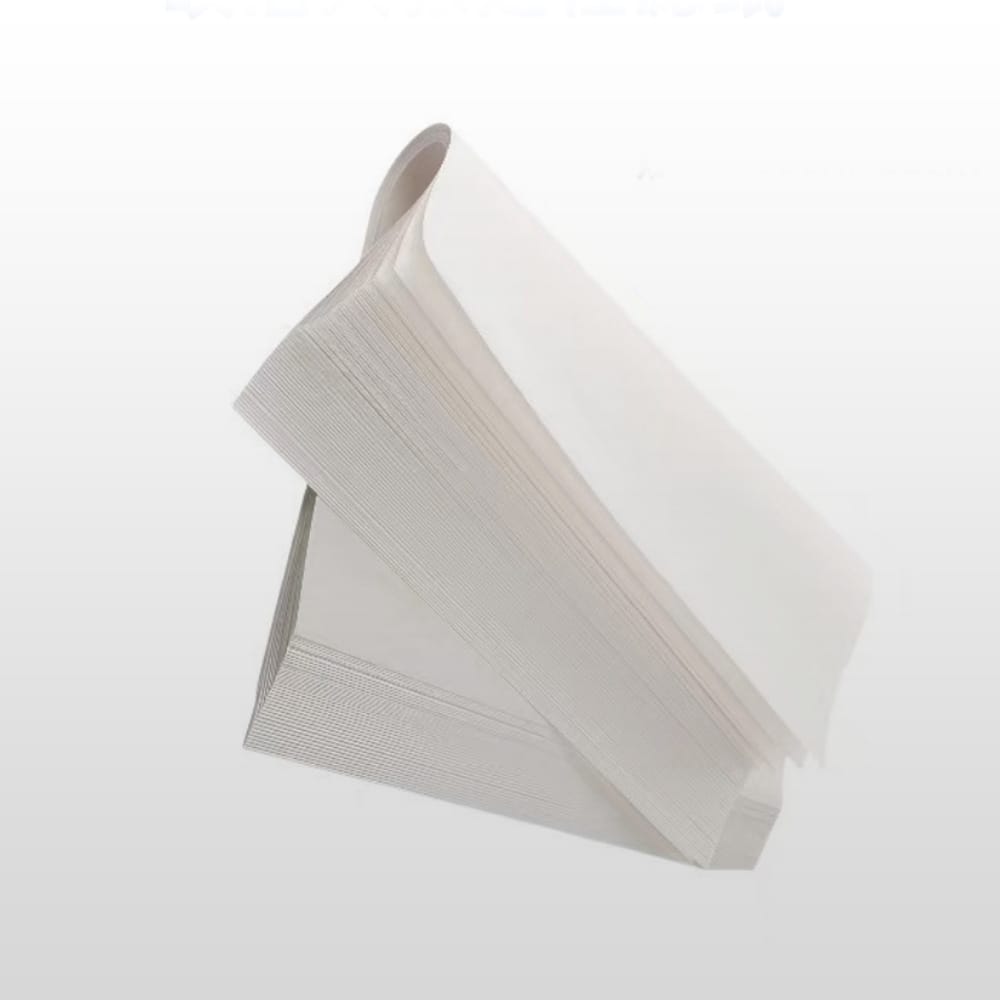
Proper storage and handling extend the lifespan and performance of filter papers:
- Store in a dry, clean, and temperature-controlled environment
- Keep papers away from direct sunlight and chemicals
- Handle with clean gloves to avoid contamination
- Use papers promptly after opening packaging
Implementing these practices ensures that your laboratory experiments remain reliable and reproducible.
Conclusion
Filter paper for lab is a cornerstone of laboratory processes, from routine chemical filtration to microbiological applications. Choosing the right type, understanding its applications, and sourcing from a trusted manufacturer ensures precision, reliability, and efficiency. As a manufacturer, we provide high-quality, customizable filter papers that meet diverse laboratory needs. Investing in premium laboratory filter paper guarantees accurate results, reduces experiment failures, and supports the success of scientific research.
FAQ
Q1: What is filter paper for lab used for?
A: Filter paper for lab is used to separate solids from liquids in experiments, clarify samples, and support chemical, biological, or environmental testing.
Q2: How do I choose the right filter paper for my lab experiments?
A: Consider the experiment type, pore size, thickness, and chemical resistance. Ashless or glass fiber filter paper may be needed for precise or high-temperature applications.
Q3: Can I buy filter paper for lab in bulk?
A: Yes, bulk purchasing is common for laboratories. Buying directly from a manufacturer ensures consistent quality and cost savings.
Q4: What are the main types of filter paper for lab?
A: The main types include qualitative, quantitative (ashless), glass fiber, and specialty microfiltration papers, each designed for specific lab applications.
Q5: How should I store filter paper for lab to maintain its quality?
A: Keep filter paper in a dry, clean, and temperature-controlled environment, away from sunlight and contaminants, to preserve performance and reliability.