Table of Contents
Introduction
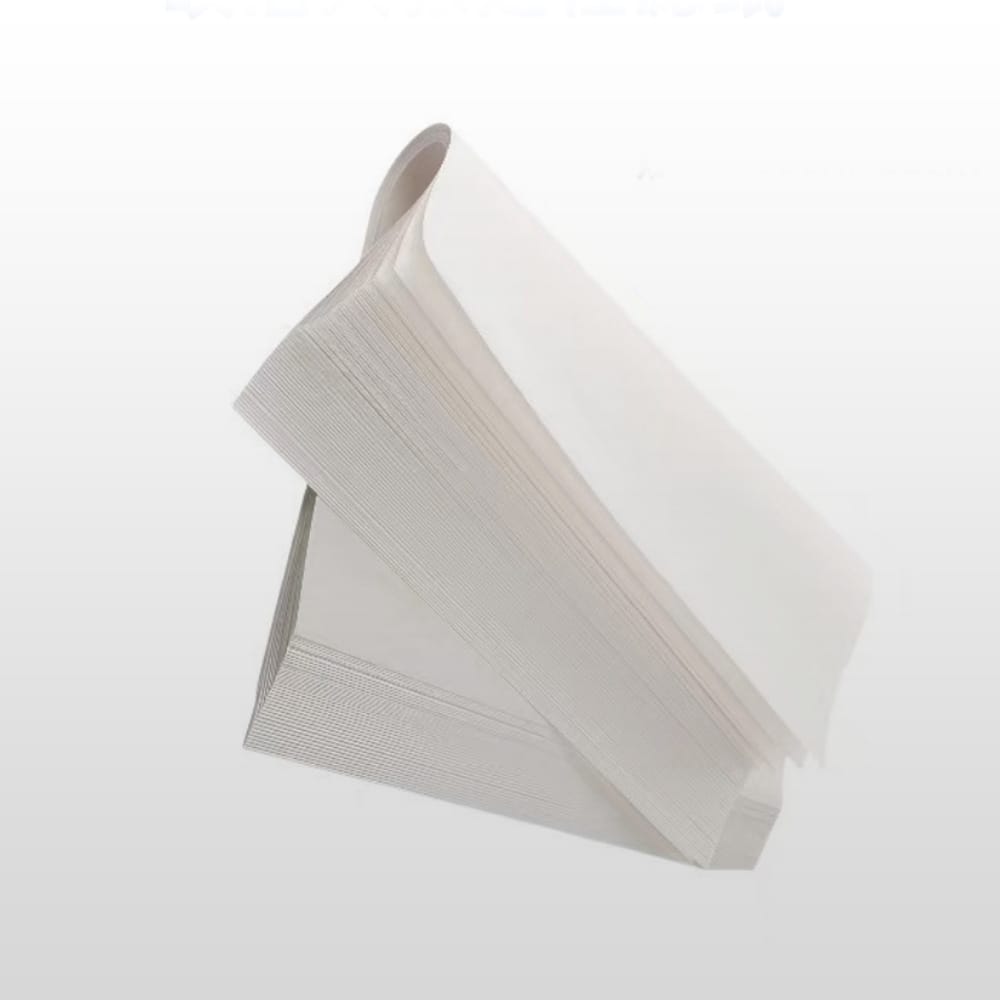
Filter paper plays a crucial role in laboratories, industrial processes, and everyday filtration applications. From separating solids in chemical experiments to purifying liquids in food and beverage production, selecting the right filter paper size ensures accuracy, efficiency, and reliability. As a professional filter paper manufacturer, we have extensive experience in producing high-quality filter papers that meet international standards.
This guide is designed to help you understand the various filter paper sizes, their applications, and how to select the most suitable type for your needs. Whether you are a laboratory researcher, industrial engineer, or coffee enthusiast, understanding filter paper sizes is essential for achieving optimal results.
Understanding Standard Filter Paper Sizes
Filter paper comes in a variety of sizes and grades to meet different requirements. Knowing the standard dimensions can simplify your selection process and ensure compatibility with laboratory equipment or industrial machinery.
Common Laboratory Filter Paper Dimensions:
Laboratory filter papers are typically circular and come in diameters ranging from 40 mm to 300 mm. The size selected depends on the volume of liquid, type of filtration, and required precision.
Industrial Filter Paper Sizes for Various Applications:
In industrial applications, filter paper may come in larger sheets or rolls. Sizes are often customized to fit specific filtration units in chemical, pharmaceutical, or food production facilities.
International Standards and ISO Guidelines:
Most filter papers comply with ISO standards to ensure consistency in pore size, retention, and flow rate. Using standard-sized papers allows for predictable results in research and manufacturing.
Different Types of Filter Paper and Their Sizes
Filter paper is available in different types, each designed for specific purposes. Choosing the correct type is as important as selecting the right size.
Qualitative vs Quantitative Filter Paper Sizes:
- Qualitative filter papers are primarily used for routine laboratory tests where precise quantitative results are not critical.
- Quantitative or ashless filter papers are designed for gravimetric analysis and require careful handling and precise sizing.
Special Purpose Filter Paper:
- Coarse filter paper: fast filtration, suitable for large particles.
- Medium filter paper: balance between speed and retention.
- Fine filter paper: high retention for small particles.
Pore Size vs Diameter:
The combination of pore size and diameter determines filtration speed and efficiency. Smaller pores increase filtration accuracy but may slow down flow, while larger diameters can handle higher volumes of liquid.
How to Choose the Right Filter Paper Size for Your Needs
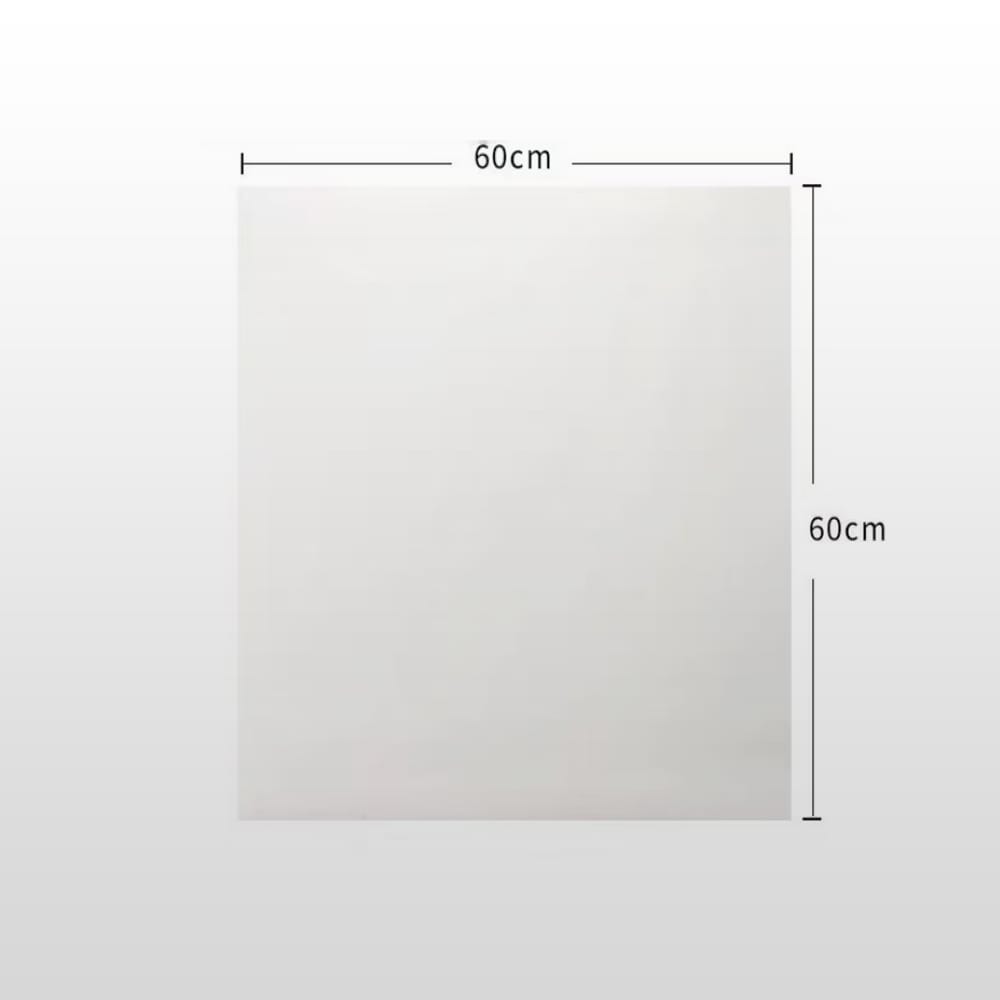
Selecting the correct filter paper size depends on several factors, including the application, liquid volume, and particle type.
Matching Filter Paper to Lab Experiments:
For chemical and biological research, use standard laboratory sizes that fit filtration funnels and equipment.
Selecting Filter Paper for Industrial Processes:
Industrial applications may require custom sizes to fit machinery or production lines. Manufacturer guidance ensures proper fit and performance.
Factors to Consider:
- Flow rate
- Retention efficiency
- Material compatibility
- Volume of liquid
Filter Paper Sizes Chart and Conversion Table
Below is a reference table of common filter paper sizes, including diameter, weight, and pore size ranges. This table helps laboratory and industrial users quickly select the right paper for their application.
| Diameter (mm) | Weight (g/m²) | Pore Size (µm) | Application |
|---|---|---|---|
| 42 | 90 | 11 | Quick lab filtration |
| 55 | 100 | 10 | General lab use |
| 90 | 110 | 8 | Analytical testing |
| 110 | 120 | 6 | Pharmaceutical use |
| 150 | 140 | 4 | Industrial applications |
| 185 | 150 | 2 | High-precision lab work |
This chart is a practical tool for selecting the right filter paper size based on application, volume, and required accuracy.
Applications of Different Filter Paper Sizes
Filter papers are used in various settings, each requiring different sizes and types.
Laboratory Applications:
- Chemistry and biology experiments
- Environmental testing for water and soil samples
- Quality control in pharmaceuticals
Industrial Applications:
- Filtration in food and beverage production
- Chemical processing and waste separation
- Air and water purification systems
Everyday Applications:
- Coffee filters
- Household water filters
- Air purification units
Tips for Using Filter Paper Effectively
To maximize filtration efficiency and ensure accurate results, follow these best practices:
Proper Handling and Storage:
- Keep papers dry and free from dust
- Store in sealed containers to prevent moisture absorption
Preventing Contamination:
- Use clean tools when cutting or handling filter paper
- Avoid touching the surface of the paper with bare hands
Optimizing Filtration Speed and Accuracy:
- Choose the right pore size for your application
- Ensure filter paper fits snugly in funnels or holders
- Consider flow rate and liquid volume when selecting diameter
Why Manufacturer Expertise Matters in Filter Paper Selection
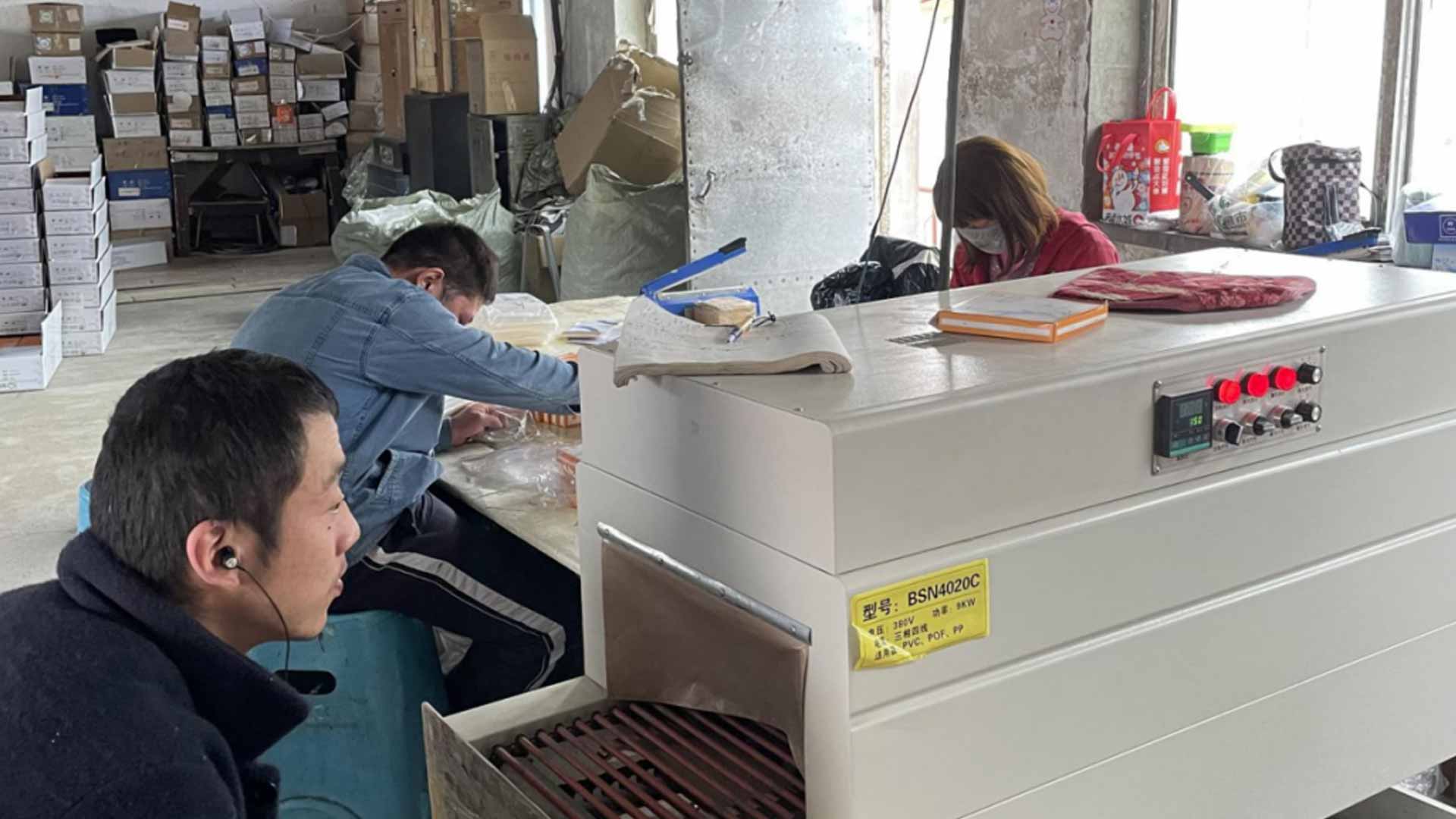
As a professional filter paper manufacturer, we not only produce high-quality papers but also provide guidance on selecting the correct size and type. Proper selection impacts experiment accuracy, industrial efficiency, and product quality.
Working with a reliable manufacturer ensures access to:
- Standard and custom sizes
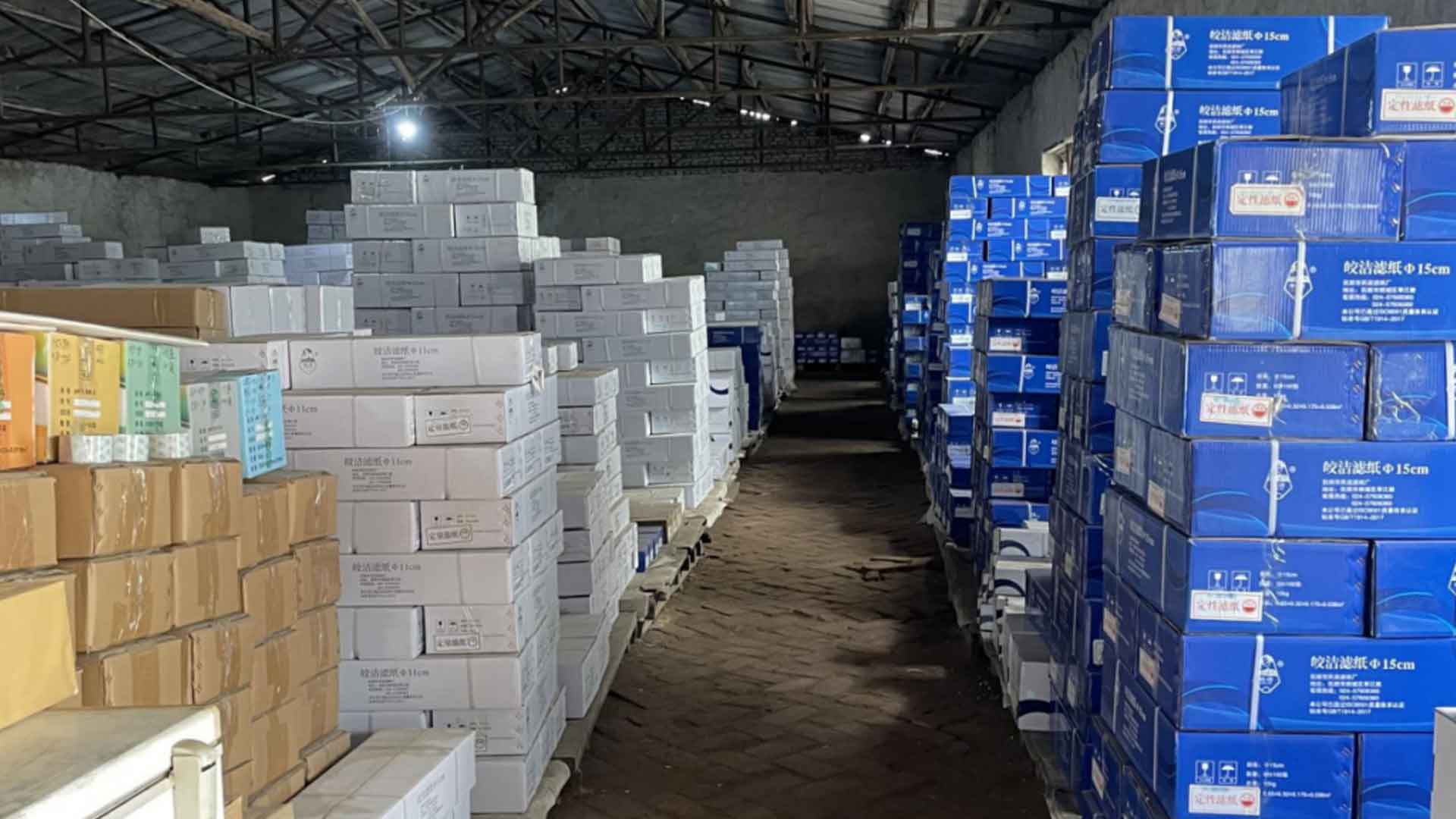
- Consistent quality across batches
- Expert advice for specialized applications
Our experience in manufacturing allows us to offer products that meet laboratory, industrial, and even consumer filtration needs.
Conclusion
Understanding filter paper sizes is essential for accurate laboratory experiments, efficient industrial processes, and everyday filtration tasks. By selecting the right type, size, and pore size, you can ensure optimal performance and reliable results.
As a professional filter paper manufacturer, we offer guidance, standard sizes, and custom solutions to meet your needs. Whether for lab, industrial, or commercial applications, choosing the correct filter paper size improves efficiency, saves time, and guarantees consistency. Contact us today for expert advice or to order high-quality filter paper tailored to your requirements.
FAQ
Q1: What are the most common filter paper sizes used in laboratories?
A: Standard laboratory filter paper sizes typically range from 42 mm to 185 mm in diameter, depending on the volume of liquid and type of filtration.
Q2: How do I choose the right filter paper size for industrial applications?
A: Consider the liquid volume, flow rate, particle size, and compatibility with your filtration equipment. Manufacturers can also provide custom sizes for specific processes.
Q3: Can filter paper size affect filtration accuracy?
A: Yes. Using the wrong size can lead to slow filtration, incomplete separation, or contamination, impacting experiment or process results.
Q4: Are there standard charts for filter paper sizes?
A: Yes. Most manufacturers provide size charts showing diameter, weight, and pore size, which help in selecting the correct paper for lab or industrial use.
Q5: Can I order custom filter paper sizes from manufacturers?
A: Absolutely. Professional manufacturers can produce custom diameters, thicknesses, and pore sizes to match your specific application needs.