Table of Contents
What Is Big Filter Paper and Why It Matters in Industrial Filtration
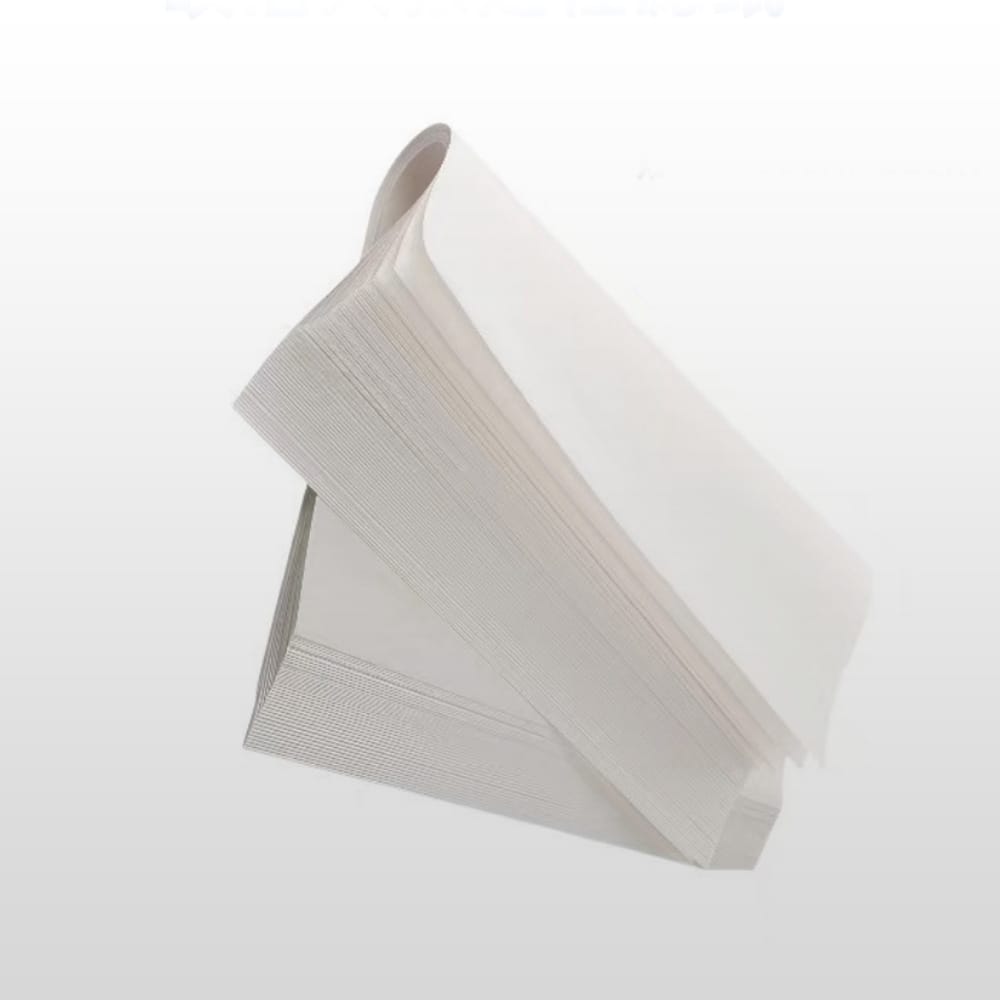
Big filter paper refers to large-scale filter media designed for industrial filtration systems that process substantial volumes of liquids or gases. Unlike standard laboratory filter papers, big filter paper is engineered to handle high flow rates, larger particle loads, and continuous operation in demanding industrial environments. These oversized filter sheets play a critical role in ensuring product quality, equipment protection, and operational efficiency across various industries.
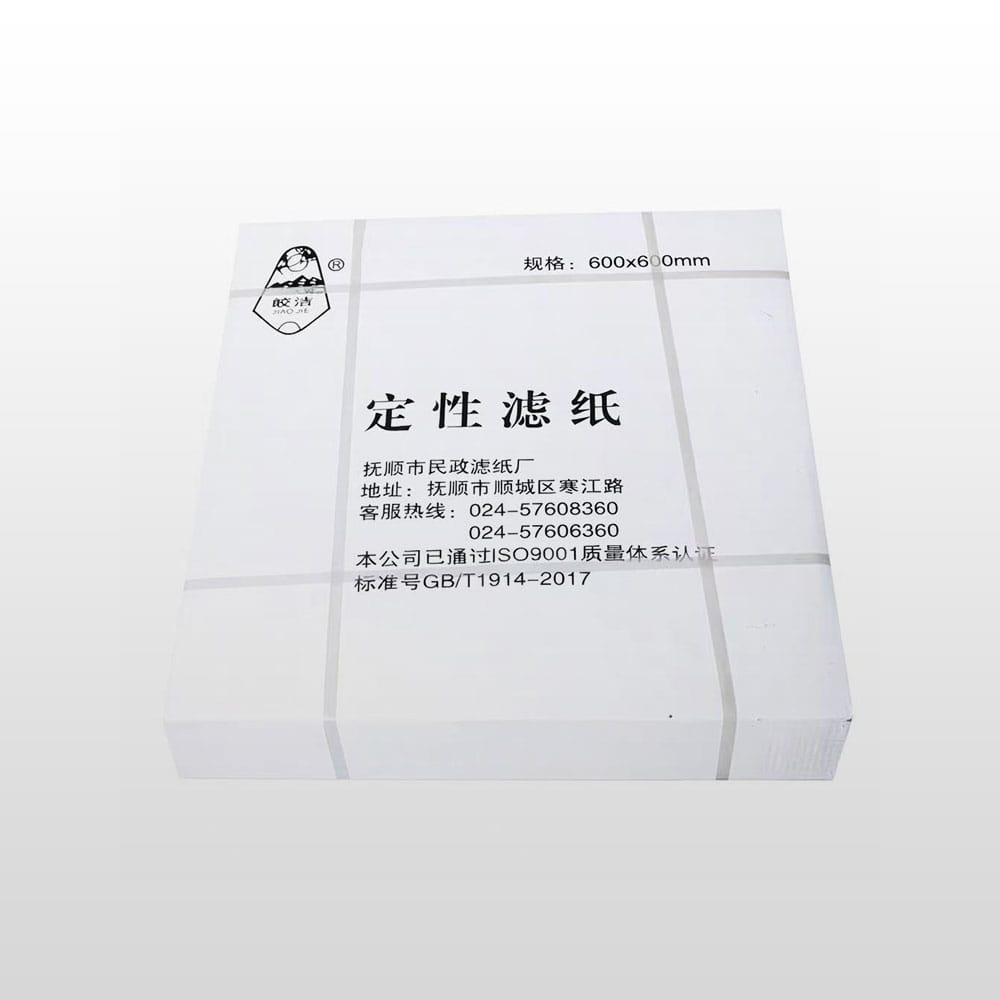
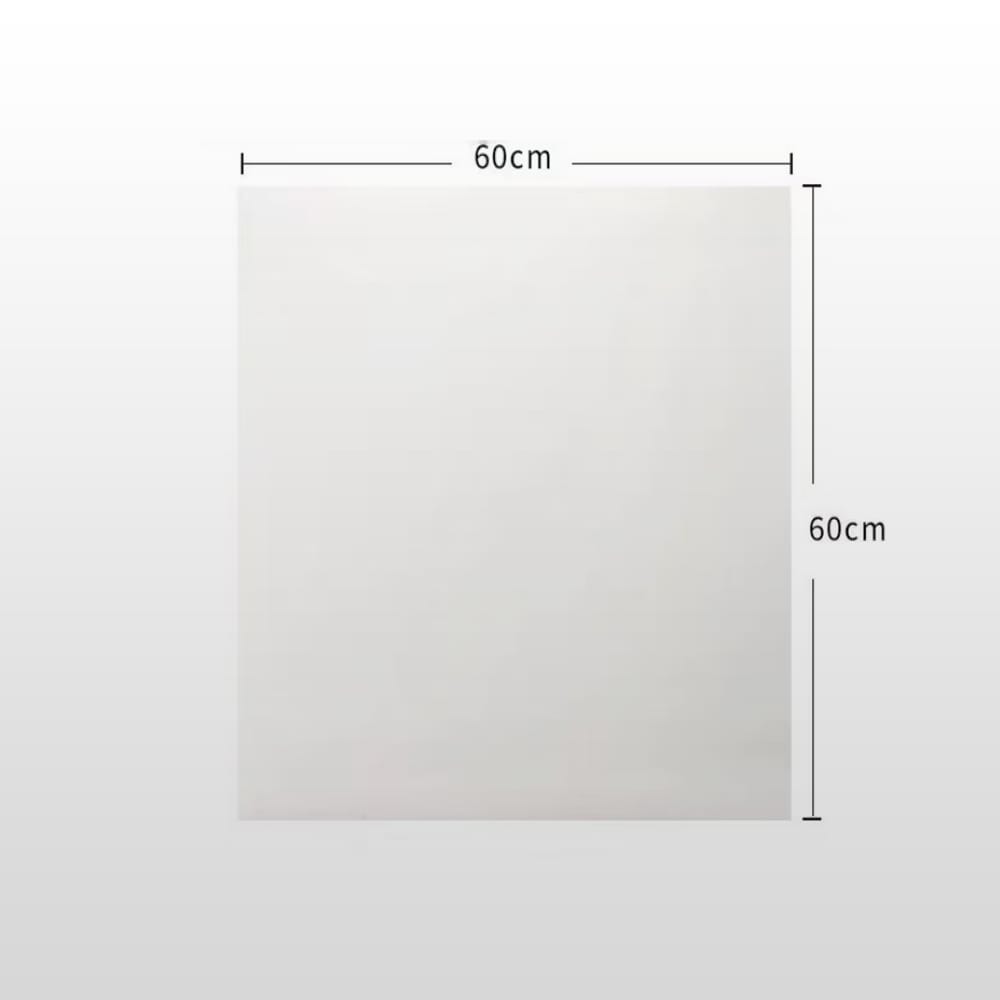
The primary distinction between big filter paper and standard filter paper lies in their dimensions, capacity, and construction. While standard filter papers typically range from small circles to sheets around 460x570mm, big filter paper can extend to sizes like 600x600mm or larger, with some industrial applications requiring custom dimensions exceeding one meter. This increased surface area allows for higher throughput and longer service intervals between media changes.
Large-scale filtration demands larger filter media for several reasons. First, industrial processes often involve filtering hundreds or thousands of liters per hour, requiring significantly more surface area to maintain acceptable flow rates without excessive pressure buildup. Second, the volume of contaminants in industrial streams is typically much higher than in laboratory applications, necessitating greater dirt-holding capacity. Third, continuous production operations benefit from extended filter life to minimize downtime for media replacement. Big filter paper addresses all these needs by providing expansive filtration area and robust construction capable of withstanding industrial operating conditions.
Key Materials Used in Big Filter Paper Manufacturing
Cellulose Big Filter Paper and Its Characteristics
Cellulose-based filter paper remains the most widely used material for big filter paper applications. Derived from high-quality wood pulp with alpha-cellulose content often exceeding 98%, cellulose filter papers offer an excellent balance of filtration efficiency, flow rate, and cost-effectiveness. Standard grades like Whatman Grade 1 provide medium retention (approximately 11 μm particle retention) with medium flow rates, making them suitable for a broad range of industrial clarification applications.
Cellulose big filter paper typically exhibits good chemical compatibility with aqueous solutions and many organic solvents. The material’s natural hydrophilicity facilitates water-based filtration, while its fibrous structure provides depth filtration capabilities that capture particles throughout the media thickness rather than just at the surface. Typical basis weights range from 80 to 87 g/m², with thicknesses between 180 and 390 μm depending on the grade and application requirements.
Glass Fiber Filter Paper for High-Efficiency Filtration
For applications demanding higher filtration efficiency and finer particle retention, glass fiber filter paper represents an excellent alternative. Composed of 100% borosilicate glass fibers, these filters offer significantly improved particle retention capabilities compared to cellulose, with some grades capturing particles as small as 0.6 μm. The fine fiber structure creates a high surface area network that achieves excellent filtration efficiency while maintaining acceptable flow rates.
Glass fiber filter papers demonstrate superior chemical resistance compared to cellulose, making them suitable for aggressive chemical environments and high-temperature applications up to 500°C (for pure glass fiber without binders). The material’s thermal stability and chemical inertness expand its application range to include acid and base filtration, solvent processing, and high-temperature air filtration. Additionally, glass fiber’s smooth surface facilitates cleaning and recovery in certain applications where media reuse is feasible.
Synthetic Fiber Options for Industrial Applications
Synthetic fiber filter papers, typically composed of polypropylene, polyester, or polyethylene, offer specialized properties for challenging filtration applications. These materials provide excellent chemical resistance across a wide pH range and compatibility with organic solvents that might degrade cellulose. Synthetic filter papers also maintain their strength when wet, offering superior durability in continuous operation.
A key advantage of synthetic big filter paper is its temperature tolerance, with some grades capable of withstanding continuous operation at temperatures exceeding 120°C. This makes synthetic media ideal for hot oil filtration, chemical processing at elevated temperatures, and applications requiring thermal stability. Synthetic filters also tend to have lower extractable content, making them suitable for applications where filter media contamination must be minimized, such as in pharmaceutical or electronics manufacturing.
How Material Selection Impacts Filtration Efficiency and Durability
The choice of filter paper material significantly influences both filtration performance and service life. Cellulose offers excellent value for general-purpose applications but may degrade when exposed to strong acids, bases, or prolonged moisture. Glass fiber provides superior particle capture and chemical resistance but at a higher cost. Synthetic materials excel in harsh chemical environments but may have different flow characteristics and retention properties.
Beyond the base material, manufacturing processes including fiber treatment, impregnation, and formation techniques further customize performance. Wet-strengthening treatments improve durability in continuous operation, while resin additions enhance chemical resistance. Creping processes increase porosity and surface area, boosting flow rates without sacrificing efficiency. By carefully matching material properties to application requirements, manufacturers can optimize the balance between filtration performance, service life, and total cost of ownership.
Standard Sizes, Thickness, and Custom Big Filter Paper Options
Common Big Filter Paper Sizes and Dimensions
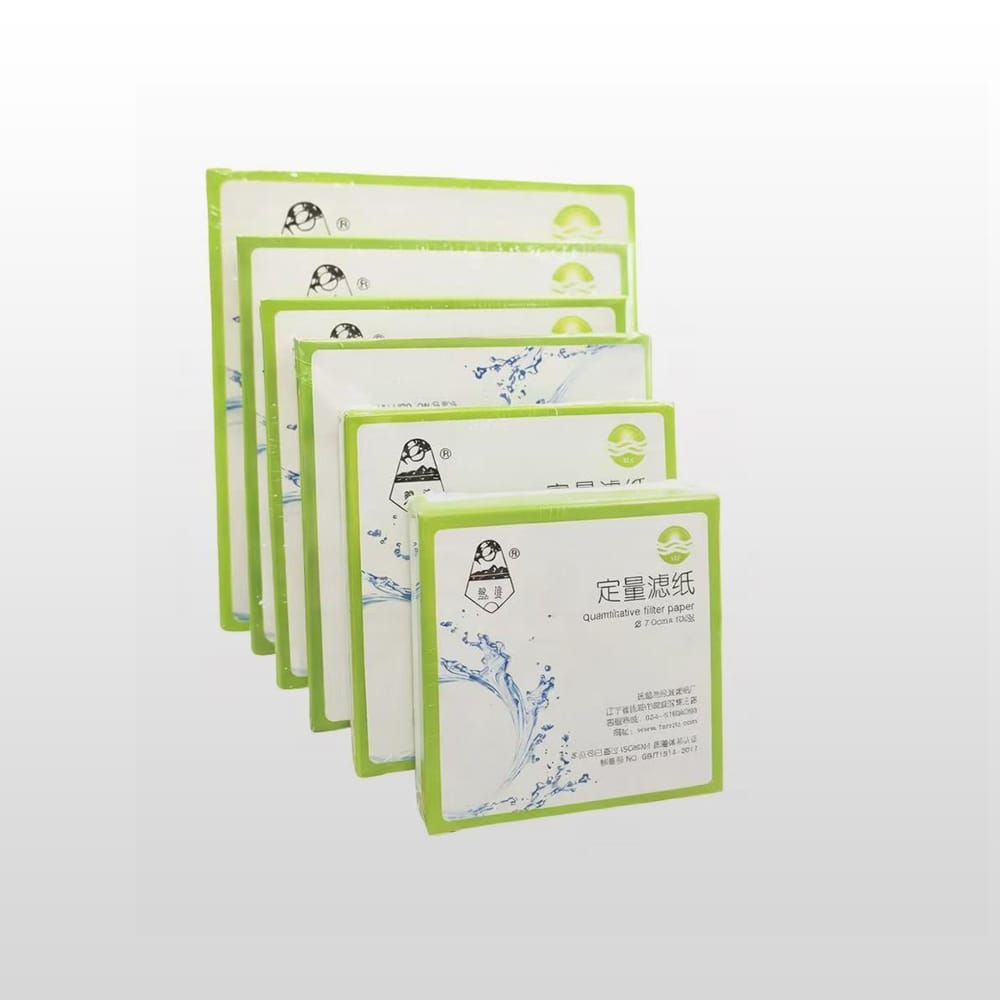
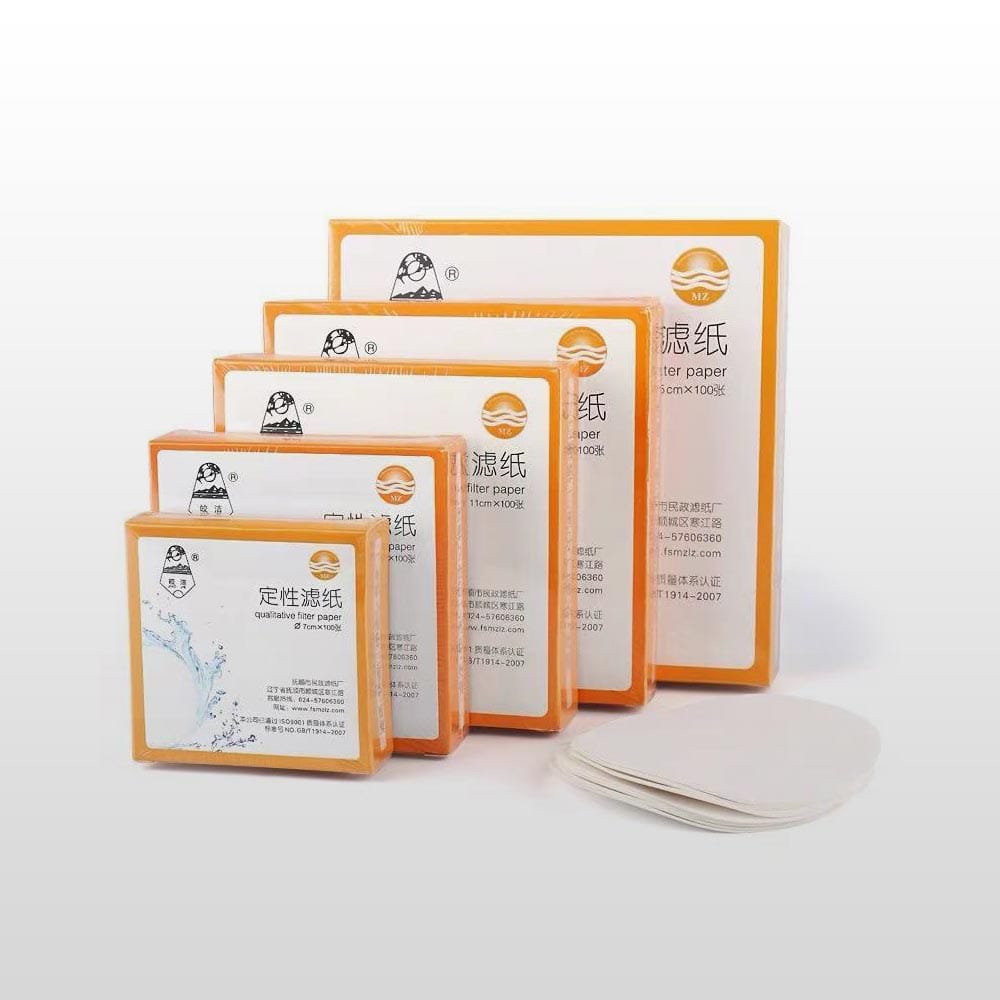
Big filter paper comes in various standard sizes designed to accommodate common industrial filtration equipment. Popular dimensions include 600x600mm sheets, which provide approximately 0.36 square meters of filtration area per sheet. This size is commonly used in large Buchner funnels, gravity filtration setups, and industrial filtration presses. Other common dimensions include 460x570mm, 580x580mm, and various roll widths for continuous filtration applications.
For specialized applications, manufacturers may offer additional standard sizes such as 500x500mm, 700x700mm, or rectangular configurations tailored to specific equipment. The selection of appropriate size depends on the filtration apparatus, required flow rate, and desired service interval. Larger sheets generally provide longer filter life but may be more difficult to handle and install, particularly in automated systems.
Thickness and Micron Rating Explained
Filter paper thickness typically ranges from 0.12 to 0.9 mm for industrial applications, with each grade optimized for specific performance characteristics. Thinner papers (0.12-0.25 mm) generally offer faster flow rates but lower dirt-holding capacity, making them suitable for prefiltration or applications with low contaminant loads. Medium thickness (0.25-0.50 mm) provides a balance of flow rate and capacity for general-purpose use. Thicker papers (0.50-0.90 mm) maximize dirt-holding capacity and mechanical strength but may have slower flow rates.
Micron rating, or particle retention specification, indicates the minimum particle size the filter can effectively capture. This rating is often expressed as the particle size retained with 98% efficiency under standard test conditions. Big filter paper ratings commonly range from 1 to 50 μm, with finer ratings (1-10 μm) used for precision filtration and coarser ratings (20-50 μm) for bulk contaminant removal. The appropriate micron rating depends on the required filtrate quality and the nature of contaminants in the process stream.
Table: Common Big Filter Paper Specifications by Application
| Application Type | Typical Size (mm) | Thickness Range (mm) | Micron Rating (μm) | Common Materials |
|---|---|---|---|---|
| Metalworking Fluid Filtration | 600×600, Custom rolls | 0.30-0.50 | 10-30 | Cellulose, Synthetic |
| Food and Beverage Clarification | 460×570, 600×600 | 0.18-0.40 | 1-15 | Cellulose, Glass Fiber |
| Chemical Processing | Custom dimensions | 0.25-0.70 | 1-25 | Glass Fiber, Synthetic |
| Oil Filtration | Custom rolls, sheets | 0.30-0.60 | 5-20 | Cellulose, Synthetic |
| Water Treatment | 600×600, larger | 0.20-0.45 | 5-30 | Cellulose, Synthetic |
| Laboratory/Quality Control | 460×570, 600×600 | 0.18-0.39 | 1-11 | Cellulose, Glass Fiber |
Custom Size Big Filter Paper for Industrial Equipment
Many industrial filtration systems require custom-sized filter media to optimize performance and compatibility with specific equipment configurations. Manufacturers of big filter paper can produce custom dimensions tailored to exact equipment specifications, ensuring perfect fit and optimal filtration efficiency. Custom sizing eliminates the need for trimming or adaptation during installation, reducing labor costs and potential for installation errors.
Custom big filter paper can be produced in virtually any dimension, with some manufacturers capable of producing sheets exceeding 2000x2000mm for specialized applications. Custom rolls for continuous filtration systems are available in widths from 100mm to over 2000mm, with lengths ranging from standard 100-meter rolls to custom longer lengths for high-volume operations. When specifying custom sizes, it’s important to consider not only the equipment dimensions but also handling characteristics, storage requirements, and installation methods.
Choosing the Right Specifications for Different Applications
Selecting the appropriate big filter paper specifications requires careful consideration of multiple factors beyond just size and thickness. The nature of the fluid being filtered, including viscosity, temperature, and chemical composition, significantly influences material selection. For example, aggressive chemicals may require synthetic or glass fiber media, while aqueous solutions may be suitable for standard cellulose.
Contaminant characteristics also play a crucial role in specification selection. High particle loads may necessitate thicker media with higher dirt-holding capacity, while fine particulate requirements may dictate finer micron ratings and potentially glass fiber construction. Flow rate requirements influence the choice of porosity and thickness, balancing throughput efficiency with filtration performance. Additionally, system operating pressure and temperature constraints help determine the appropriate wet strength and thermal stability requirements for the filter media.
Industrial Applications of Big Filter Paper
Big Filter Paper for Oil Filtration Systems
Industrial oil filtration represents one of the largest application areas for big filter paper. In metalworking operations, large sheets filter cutting fluids, coolants, and grinding fluids to remove metal shavings, abrasives, and other solid contaminants. These filtration systems often use continuous roll-fed big filter paper that automatically advances when pressure differentials indicate saturation, maintaining uninterrupted operation.
Engine oil and lubricant filtration applications utilize big filter paper to remove wear particles, combustion byproducts, and other contaminants that can accelerate equipment wear. Large-scale hydraulic systems employ oversize filter sheets to maintain fluid cleanliness standards that protect sensitive components from abrasion and ensure reliable operation. The high temperature resistance of certain synthetic big filter papers makes them particularly suitable for hot oil filtration applications in industrial settings.
Use in Water Treatment and Wastewater Filtration
Municipal and industrial water treatment facilities rely on big filter paper for various purification stages. In drinking water treatment, large filter sheets remove suspended solids, algae, and particulate matter as part of the clarification process before final disinfection. The high surface area of big filter paper allows cost-effective treatment of large volumes while maintaining acceptable flow rates and service intervals.
Wastewater treatment applications include primary clarification, where big filter paper captures settleable solids, and tertiary treatment, where polished filtration removes residual particulates before discharge or reuse. Industrial wastewater from manufacturing processes often contains specific contaminants that require specialized filter media—synthetic or glass fiber big filter papers may be selected based on chemical compatibility with the waste stream composition.
Chemical Industry Filtration Processes
The chemical processing industry employs big filter paper extensively for product purification, catalyst recovery, and process stream clarification. In pharmaceutical manufacturing, large filter sheets ensure removal of particulate contaminants from active ingredients and excipients, meeting stringent purity requirements for drug products. The low extractable content and high chemical resistance of premium cellulose and glass fiber papers make them particularly valuable in this sector.
Bulk chemical production uses big filter paper in catalyst recovery systems, where the media captures valuable catalyst particles from reaction mixtures for reuse. Specialty chemical applications may require custom-impregnated filter papers that provide specific functionality, such as activated carbon impregnation for decolorization or antimicrobial treatments for biologically sensitive processes. The chemical compatibility of synthetic big filter papers expands their use in aggressive acid or base applications where cellulose would degrade.
Food and Beverage Filtration Applications
Food and beverage manufacturers utilize big filter paper throughout production processes to ensure product quality, clarity, and stability. In beverage production, large filter sheets clarify juices, wines, and beers by removing suspended solids, yeast cells, and haze-forming particles. The food-grade quality standards and low extractable content of cellulose filter papers make them particularly suitable for these applications.
Dairy processing employs big filter paper for whey clarification, milk purification, and cheese brine filtration. The media must meet stringent food safety requirements while providing efficient particle removal. Some food applications use specially treated filter papers with properties like heat resistance for hot fill processes or specific adsorption characteristics for flavor compound removal. The high wet strength and durability requirements of continuous food production operations necessitate robust construction that can withstand frequent cleaning cycles and extended service intervals.
Laboratory and Research Filtration Uses
Research laboratories and quality control facilities use big filter paper for various analytical and preparative applications. Large format filter sheets facilitate processing of multiple samples simultaneously, improving throughput in high-volume testing environments. Environmental testing laboratories utilize oversize filter papers for air and water sample analysis, where the increased surface area improves detection sensitivity for trace contaminants.
Pharmaceutical quality control labs employ big filter paper in sterility testing, bioburden monitoring, and particulate analysis of drug products. Research applications in materials science, chemistry, and biology often require custom-sized filter media optimized for specific experimental setups. The consistency and reproducibility of premium big filter papers, particularly well-known brands like Whatman, are crucial for obtaining reliable analytical results across multiple testing cycles and different operators.
How to Choose the Right Big Filter Paper for Your Needs
Matching Pore Size with Filtration Requirements
Selecting the appropriate pore size or micron rating is fundamental to achieving desired filtration performance while maintaining acceptable flow rates. The particle size distribution of contaminants in your process stream should guide this selection. For applications requiring high-purity filtrates with minimal particulate content, finer micron ratings (1-5 μm) ensure thorough particle capture. However, these finer grades typically have lower flow rates and may require more frequent media changes.
Conversely, applications focusing on bulk contaminant removal or prefiltration can utilize coarser ratings (10-50 μm) that offer higher throughput and longer service life. It’s often cost-effective to employ a staged filtration approach, using progressively finer big filter paper in series to maximize service life of the final polishing filter. For instance, a 30 μm prefilter followed by a 5 μm final filter can achieve the same overall particle removal as a single 5 μm filter while extending total service life and reducing operating costs.
Flow Rate vs Filtration Accuracy
The relationship between flow rate and filtration accuracy represents a fundamental trade-off in filter media selection. Higher flow rates generally require larger pore sizes and more porous structures, which reduce filtration accuracy. Conversely, achieving finer filtration accuracy typically necessitates smaller pores that restrict flow. Big filter paper manufacturers address this challenge through various design approaches.
Creping processes create a textured surface that increases effective surface area while maintaining larger nominal pore sizes, improving flow rates without significantly compromising filtration efficiency. Multi-layer constructions combine different pore sizes in a single sheet, using a coarser prefilter layer to extend the life of a finer polishing layer. Wet strength treatments allow thinner media that offer higher flow rates while maintaining sufficient mechanical integrity for industrial operation. When selecting big filter paper, consider both the required flow rate for your production throughput and the filtration accuracy needed for your product quality specifications.
Chemical Compatibility Considerations
The chemical composition of both the process stream and any cleaning agents used in the filtration system must be carefully evaluated when selecting big filter paper. Cellulose-based media generally perform well with aqueous solutions, mild acids and bases, and many organic solvents at moderate temperatures. However, strong acids, strong bases, oxidizing agents, and prolonged exposure to certain solvents can degrade cellulose fibers, compromising filtration performance and potentially contaminating the process stream.
Glass fiber filter papers offer superior chemical resistance across a broader range of applications, particularly with aggressive chemicals and elevated temperatures. Synthetic media (polypropylene, polyester) provide the broadest chemical compatibility and maintain their integrity in challenging environments that would degrade cellulose or glass fiber. When evaluating chemical compatibility, consider not only normal operating conditions but also potential excursions, cleaning protocols, and accidental exposures that might occur during routine operation or maintenance activities.
Temperature and Pressure Resistance
Operating temperature and pressure conditions significantly influence big filter paper selection and performance. Cellulose filter papers typically have temperature limitations around 120°C for continuous operation, beyond which the material may degrade or lose strength. For high-temperature applications, glass fiber or synthetic media offer superior thermal stability, with some grades capable of withstanding temperatures exceeding 500°C for short durations.
Pressure resistance relates primarily to the media’s wet strength and mechanical integrity. Thicker papers and those with wet strength treatments can withstand higher differential pressures without rupturing or compacting. Filtration systems operating at elevated pressures require media with corresponding mechanical strength to prevent media failure that could result in contaminant breakthrough or system damage. When specifying big filter paper for high-pressure applications, consider both the normal operating pressure and potential pressure surges that might occur during start-up, shutdown, or process upsets.
Selecting Big Filter Paper for Different Industries
Different industries have evolved specific preferences and requirements for big filter paper based on their unique operational needs. The metalworking industry often prioritizes cost-effectiveness and high dirt-holding capacity, leading to widespread use of medium-thickness cellulose papers in the 10-30 μm range. The pharmaceutical industry emphasizes purity, consistency, and low extractable content, making premium low-ash cellulose or glass fiber papers the preferred choice despite higher costs.
Food and beverage manufacturers must ensure compliance with food safety regulations while maintaining acceptable flow rates for high-volume production. This sector often uses specially certified cellulose papers with documented food-grade status. Chemical processing plants may require synthetic or glass fiber media based on chemical compatibility requirements, potentially with custom treatments for specific applications. Understanding industry-specific requirements and established best practices helps guide appropriate big filter paper selection while avoiding common pitfalls.
Big Filter Paper vs Other Filtration Materials
Big Filter Paper vs Membrane Filters
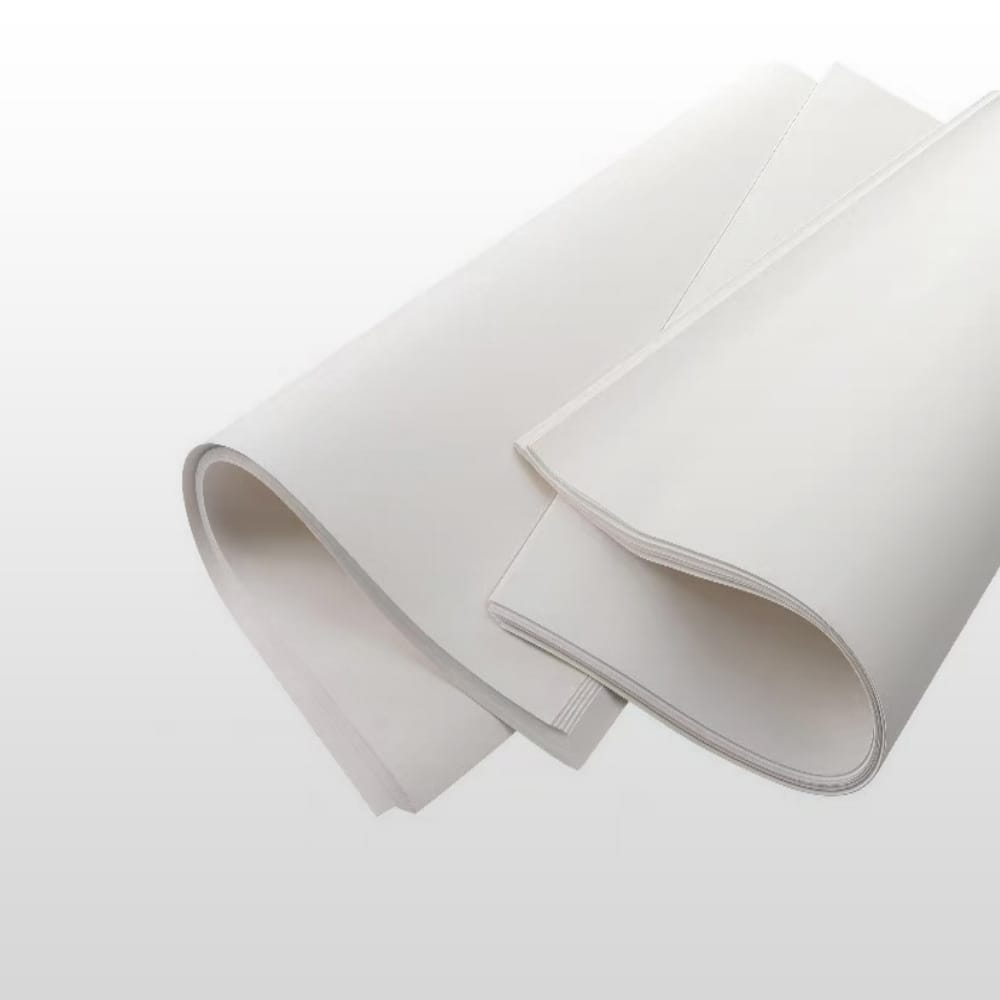
Membrane filters and big filter paper serve different roles in industrial filtration, each offering distinct advantages for specific applications. Membrane filters feature precise, uniform pore structures that provide absolute filtration ratings with sharp cut-off characteristics. These filters excel in applications requiring sterile filtration, removal of microorganisms, or capture of sub-micron particles. However, membrane filters typically have higher flow resistance and lower dirt-holding capacity than depth-type media like big filter paper.
Big filter paper, as a depth filtration medium, captures particles throughout its three-dimensional structure rather than just at the surface. This characteristic provides significantly higher dirt-holding capacity and lower flow resistance at similar micron ratings. Big filter paper also costs substantially less than membrane filters, making it economical for large-volume applications where absolute retention is not required. In practice, these media types often work together in staged filtration systems, with big filter paper performing prefiltration to extend the life of final membrane polishing filters.
Big Filter Paper vs Filter Cloth
Filter cloth, typically made from woven or non-woven synthetic fabrics, competes with big filter paper in various industrial filtration applications. Filter cloth generally offers higher mechanical strength and can withstand higher differential pressures and more aggressive cleaning cycles than paper media. This makes filter cloth suitable for pressure filtration applications, filter presses, and situations requiring repeated media reuse.
However, big filter paper provides several advantages in many applications. Paper media typically offer finer particle retention capabilities than comparable filter cloth, achieving higher filtrate clarity. The single-use nature of big filter paper eliminates concerns about incomplete cleaning or media degradation over multiple cycles. Big filter paper also provides more consistent performance from sheet to sheet compared to filter cloth, which may experience changes in filtration characteristics as it ages or undergoes cleaning cycles. For applications prioritizing consistent filtrate quality over media longevity, big filter paper often represents the superior choice.
Advantages of Using Large Filter Paper Sheets
Large format filter paper sheets offer multiple advantages in industrial filtration applications. The increased surface area directly translates to higher throughput or longer service intervals between media changes, improving operational efficiency and reducing labor costs associated with media replacement. Big filter paper sheets also simplify installation in large filtration equipment compared to multiple smaller sheets that would require sealing at multiple joints.
From a cost perspective, large sheets often provide better value per square meter compared to smaller formats, particularly when purchased in bulk quantities. The reduced number of joints and connections in large-sheet installations minimizes potential leakage points, improving system integrity and reducing bypass of unfiltered fluid. Additionally, large sheets can be custom-cut to specific equipment dimensions, optimizing fit and performance while eliminating waste from trimming smaller formats to fit larger openings.
Cost-Effectiveness in Industrial Filtration
Big filter paper demonstrates compelling cost-effectiveness in industrial filtration applications through several mechanisms. The relatively low material cost per square meter, particularly for cellulose-based products, makes big filter paper economical for high-volume applications. The depth filtration structure provides high dirt-holding capacity, extending service life and reducing replacement frequency compared to surface-type media.
When evaluating total cost of ownership, factors beyond initial media price must be considered. Big filter paper’s disposable nature eliminates cleaning labor and equipment costs associated with reusable media. Reduced downtime for media changes compared to smaller formats increases production capacity and revenue potential. Consistent performance quality from sheet to sheet minimizes process variation and product quality issues that could generate additional costs. For many industrial applications, big filter paper delivers optimal balance between performance, reliability, and total operating cost.
Manufacturing Process of Big Filter Paper
Raw Material Preparation and Pulp Processing
The manufacturing process for big filter paper begins with careful selection and preparation of raw materials. For cellulose-based products, high-quality wood pulp serves as the primary feedstock, with alpha-cellulose content exceeding 98% for premium grades. The pulp undergoes extensive purification to remove lignin, hemicellulose, and other non-cellulosic components that could affect filtration performance or chemical compatibility. Synthetic fiber production involves extrusion processes to create fibers with controlled diameter, length, and mechanical properties.
Glass fiber production starts with high-purity silica sand and other raw materials melted at temperatures exceeding 1400°C. The molten glass is fiberized through specialized processes that produce extremely fine fibers with diameters typically below 5 micrometers. These fibers may receive surface treatments to improve dispersion in water during papermaking and enhance bonding in the final product. All raw materials undergo rigorous quality testing to ensure consistency and performance characteristics before proceeding to the papermaking process.
Sheet Forming and Pressing
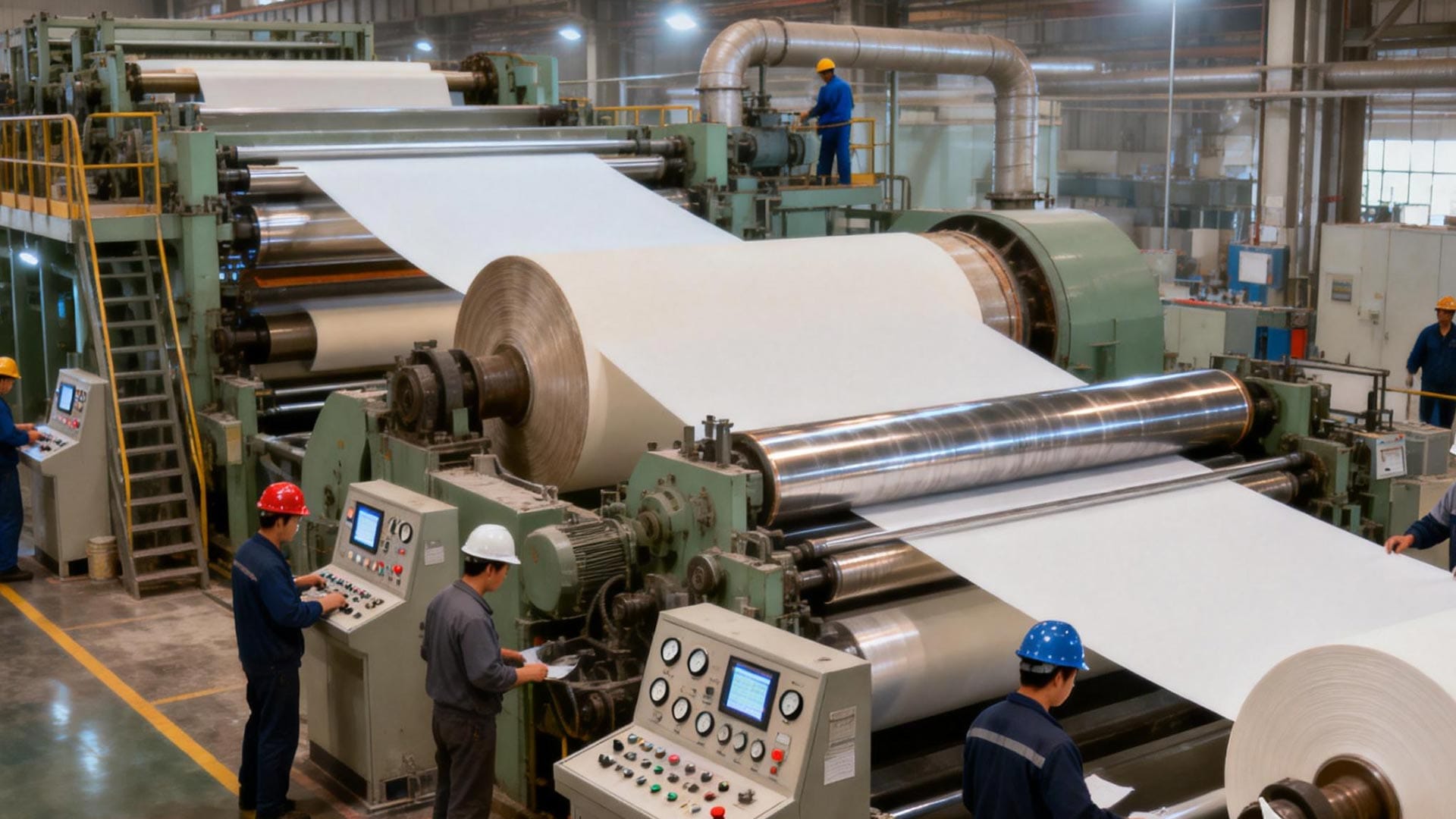
The actual papermaking process for big filter paper employs modified techniques from traditional paper production to create specialized filtration media. For cellulose products, the purified pulp is dispersed in water to create a dilute slurry with precisely controlled fiber length distribution and freeness. This slurry flows onto a moving wire mesh where water drains, forming a wet sheet with controlled fiber orientation. The sheet then passes through press rolls that remove additional water and begin consolidating the fiber structure.
Big filter paper production often incorporates specialized forming techniques to optimize filtration properties. Multi-layer headboxes can deposit different fiber types or particle sizes at different depths within the sheet, creating asymmetric structures that optimize filtration performance. Advanced forming technologies control fiber orientation to balance strength properties with permeability characteristics. For glass fiber and synthetic media, modified forming processes accommodate the different wetting and drainage characteristics of these materials compared to cellulose fibers.
Drying and Cutting into Large Sizes
After forming and initial pressing, the wet filter paper passes through drying sections where controlled heat removes remaining moisture while preserving the porous structure essential for filtration performance. The drying process significantly influences final properties like porosity, strength, and dimensional stability. Precise control of temperature profiles, web tension, and moisture content ensures consistent product quality across the entire width and length of the big filter paper.
Once dried, the continuous paper web may undergo additional treatments depending on the application requirements. These can include wet-strength resin impregnation, surface creping for enhanced porosity, or specialized coatings for chemical resistance or specific adsorption properties. The final web is then slit to the required width and cut to specified lengths. For custom orders, specialized cutting equipment creates non-standard dimensions tailored to specific equipment or application requirements. Throughout the cutting process, quality inspections verify dimensional accuracy and absence of defects that could affect performance.
Quality Control and Testing Standards
Manufacturers of big filter paper implement rigorous quality control procedures throughout the production process to ensure consistent performance and reliability. In-line monitoring systems continuously track critical parameters like basis weight, thickness, and porosity. Laboratory testing validates filtration properties including particle retention efficiency, flow rate, and dirt-holding capacity using standardized test methods. For pharmaceutical and food industry applications, additional testing verifies compliance with specific regulatory requirements like USP, EP, or FDA standards.
Batch-to-batch consistency represents a critical quality parameter for industrial users who require predictable filtration performance over time. Statistical process control tracks variation in key properties and identifies trends that might indicate process drift. Material testing validates chemical compatibility and resistance to degradation under expected operating conditions. Certifications like ISO 9001 demonstrate adherence to comprehensive quality management systems, while industry-specific certifications validate suitability for particular applications like food contact or pharmaceutical manufacturing.
OEM and Custom Big Filter Paper Production
Original Equipment Manufacturers (OEMs) of filtration equipment often collaborate with big filter paper manufacturers to develop custom media optimized for specific systems. These partnerships leverage the equipment manufacturer’s application knowledge with the filter paper producer’s material science expertise to create solutions that deliver superior performance compared to generic products. Custom development may involve adjusting material composition, surface treatments, dimensional specifications, or physical properties to optimize performance in a particular application.
Custom big filter paper production capabilities allow manufacturers to address specialized requirements that standard products cannot meet. This includes custom dimensions for unusual equipment configurations, specific micron ratings for unique particle size distributions, or material selections for challenging chemical environments. Some manufacturers offer private label services, producing custom-branded filter papers that OEMs can supply as proprietary consumables with their equipment. These customized solutions create differentiation opportunities while ensuring optimal compatibility and performance.
Performance Factors That Affect Big Filter Paper Efficiency
Filtration Efficiency and Particle Retention
Filtration efficiency represents the fundamental performance metric for big filter paper, indicating the media’s ability to capture and retain particles of specific sizes. This efficiency depends on multiple factors including pore size distribution, fiber diameter, media thickness, and the three-dimensional structure created during manufacturing. Depth filtration media like big filter paper capture particles through multiple mechanisms: direct interception, inertial impaction, diffusion (for very small particles), and electrostatic attraction in some specially treated grades.
Particle retention specifications typically follow standard test methods that determine the particle size captured with 98% efficiency under controlled conditions. However, actual filtration efficiency in industrial applications may vary based on operating conditions, fluid properties, and contaminant characteristics. Understanding the relationship between rated efficiency and actual performance helps set realistic expectations and select appropriate media grades. For critical applications, pilot testing under representative conditions provides valuable data for selecting big filter paper that will deliver required performance.
Flow Rate and Permeability
Flow rate characteristics determine how quickly fluid can pass through the big filter paper while maintaining acceptable filtration performance. Permeability, expressed in terms of flow time per volume or volumetric flow rate under standard pressure conditions, depends primarily on pore structure, porosity, and media thickness. Higher porosity and more open pore structures increase flow rates but typically reduce filtration efficiency, creating the classic trade-off between throughput and performance.
Fluid properties significantly influence actual flow rates through big filter paper. Viscosity directly impacts flow, with more viscous fluids passing more slowly through the media. Temperature affects both fluid viscosity and potentially the filter paper structure itself. Pressure differential across the media provides the driving force for flow, with higher differentials increasing flow rates but also potentially compressing the media and altering filtration characteristics. Understanding these relationships helps optimize operating conditions to balance flow requirements with filtration efficiency and service life considerations.
Mechanical Strength and Durability
The mechanical properties of big filter paper directly affect its reliability and performance in industrial applications. Tensile strength, particularly wet tensile strength, determines the media’s ability to withstand handling during installation and operation without tearing. Burst strength indicates resistance to pressure differentials that could rupture the media. Stiffness and dimensional stability influence how well the filter maintains its shape and sealing characteristics within the filtration equipment.
Durability considerations include resistance to chemical degradation, thermal breakdown, and mechanical fatigue from flow pulsations or pressure cycling. Wet-strength treatments significantly improve the mechanical integrity of cellulose-based big filter paper during operation, preventing tearing or disintegration when saturated. Synthetic materials generally offer superior mechanical properties compared to cellulose but may have different performance characteristics in other aspects like filtration efficiency or cost. Selecting big filter paper with appropriate mechanical properties ensures reliable operation and prevents unexpected failures that could compromise product quality or equipment integrity.
Environmental Factors Affecting Performance
Various environmental conditions can significantly impact big filter paper performance in actual industrial applications. Temperature affects both the filter media structure and the properties of the fluid being filtered. Elevated temperatures may degrade cellulose fibers or alter synthetic materials, potentially changing filtration efficiency and mechanical properties. Cold temperatures can increase fluid viscosity, reducing flow rates and potentially increasing pressure requirements.
Humidity influences cellulose-based filter papers even before use, as moisture absorption can affect dimensions and mechanical properties. Chemical exposure during operation must be compatible with the media composition to prevent degradation that could compromise filtration performance or contaminate the process stream. Particulate loading characteristics affect how the filter cake builds up on the media surface, which in turn influences pressure development, flow rate decline, and overall service life. Understanding these environmental factors helps predict performance and select appropriate big filter paper for specific operating conditions.
Storage, Handling, and Maintenance of Big Filter Paper
Proper Storage Conditions for Large Filter Paper
Correct storage of big filter paper preserves its performance characteristics and ensures consistent quality when used in filtration applications. Cellulose-based media should be stored in dry, temperature-controlled environments (typically 20-25°C with relative humidity below 65%) to prevent moisture absorption that can cause dimensional changes or microbial growth. Glass fiber and synthetic papers generally tolerate broader environmental conditions but still benefit from protection from moisture and extreme temperatures.
Storage areas should be clean, free from dust and airborne contaminants that could settle on the filter surfaces. Avoid storing filter paper near chemicals, solvents, or other materials that could vaporize and be absorbed by the media. For large sheets, proper support prevents sagging or deformation that could affect flatness and sealing characteristics. Implementing first-in-first-out inventory management ensures older stock gets used before aging potentially affects performance, particularly for cellulose-based products with limited shelf life.
Handling Techniques to Avoid Damage
Proper handling of big filter paper prevents damage that could compromise filtration performance or create installation problems. Large sheets should be lifted from edges or supported across their entire area to prevent bending, creasing, or tearing that would create preferential flow paths or weak points. Clean gloves prevent contamination from skin oils or other contaminants, particularly important for high-purity applications in pharmaceutical or electronics manufacturing.
When installing big filter paper, ensure proper alignment and sealing within the filtration equipment without excessive stretching or compression that could affect filtration characteristics. Avoid contact with sharp edges or rough surfaces that could tear or abrade the media. For automated systems, ensure proper tension control to prevent web breakage while avoiding excessive slack that could cause wrinkles or folds. Training personnel on proper handling techniques and developing standard operating procedures for installation minimizes damage during routine maintenance activities.
Shelf Life and Performance Stability
Different types of big filter paper have varying shelf life characteristics that users should understand for inventory planning. Cellulose-based papers typically have shelf lives of 1-3 years depending on storage conditions and specific treatments applied. Over time, cellulose may experience gradual degradation affecting mechanical properties, particularly if stored in humid conditions. Glass fiber papers generally have more extended shelf lives due to the material’s inherent stability, though binders or treatments may limit stability.
Performance stability over time affects both unused media in storage and media installed in filtration equipment. Aging cellulose papers may show decreased wet strength or altered filtration characteristics. For critical applications where consistent performance is essential, periodic testing of stored media verifies that properties remain within specification. Implementing inventory management systems that track production dates and first-in-first-out usage helps ensure that oldest stock gets used before age-related degradation becomes a concern.
Disposal and Environmental Considerations
End-of-life disposal of big filter paper presents environmental considerations that vary based on media composition and application. Cellulose-based papers are generally biodegradable and may be compostable under appropriate conditions, though contamination from filtered substances may limit disposal options. Used filter paper from chemical, pharmaceutical, or food applications may be classified as hazardous waste requiring special disposal procedures.
Synthetic and glass fiber papers present different disposal challenges. Synthetic materials like polypropylene are not biodegradable and typically go to landfill unless specialized recycling programs exist for the specific polymer type. Glass fiber is inert but also non-biodegradable, requiring appropriate waste management. Some specialty filter papers incorporate treatments or additives that may affect disposal classification. Developing proper waste handling procedures that comply with local regulations while minimizing environmental impact represents an important consideration for sustainable filtration operations.
Why Choose a Professional Big Filter Paper Manufacturer
Benefits of Working Directly with a Manufacturer
Partnering directly with a big filter paper manufacturer offers multiple advantages compared to purchasing through intermediaries or distributors. Direct access to technical expertise enables proper product selection and application troubleshooting without communication delays or information distortion. Manufacturers can provide detailed technical specifications, performance data, and application recommendations based on deep knowledge of their products’ capabilities and limitations.
Direct relationships often yield better pricing by eliminating distribution markups, particularly for high-volume purchases or custom development projects. Manufacturers can also offer flexible production scheduling and priority access to limited-supply specialty products. For OEMs or large users, direct manufacturer relationships enable collaborative product development projects that result in customized solutions optimized for specific applications. These partnerships create competitive advantages while ensuring reliable supply of purpose-built filtration media.
Bulk Supply and Cost Advantages
Purchasing big filter paper in bulk quantities directly from manufacturers provides significant cost advantages through economies of scale and reduced transaction costs. Volume-based pricing structures offer lower per-unit costs as order quantities increase, making large purchases economical for high-volume users. Consolidated shipments reduce transportation costs per unit compared to frequent smaller orders, particularly when leveraging full truckload or container quantities.
Manufacturers can optimize production runs for bulk orders, improving efficiency and potentially passing savings to customers. Long-term supply agreements provide additional benefits, including locked pricing protection against raw material cost fluctuations and guaranteed capacity allocation during periods of high demand. Strategic inventory planning with manufacturer partnerships helps balance carrying costs against purchase discounts to optimize total cost of ownership for filter media.
Customization Capabilities
Professional big filter paper manufacturers offer extensive customization capabilities that allow users to obtain media precisely tailored to their requirements. Custom dimensions address unique equipment configurations or optimize handling characteristics for specific installation methods. Material composition adjustments optimize performance for challenging chemical environments, unusual particle size distributions, or specialized application requirements like food contact compliance.
Custom manufacturing extends beyond physical dimensions to include functional treatments and coatings. Options include wet-strength enhancement for improved durability, chemical resistance treatments for aggressive environments, antimicrobial treatments for biologically sensitive applications, or surface modifications for specific adsorption characteristics. These customization capabilities enable solutions that deliver superior performance compared to standard products, often justifying higher development costs through improved overall system performance or reduced operating expenses.
Quality Assurance and Consistent Supply
Working with professional manufacturers ensures consistent product quality backed by comprehensive quality management systems and documented production processes. ISO 9001 certification and similar quality standards demonstrate systematic approaches to quality control and continuous improvement. Batch-to-batch consistency gives users predictable performance that eliminates process variation caused by media differences, crucial for applications with strict quality requirements.
Reliable supply represents another critical advantage, particularly for manufacturers operating continuous processes where filter media shortages could halt production. Professional manufacturers maintain production capacity buffers, raw material inventories, and distribution networks that ensure consistent availability even during demand spikes or supply chain disruptions. Some users implement dual-sourcing strategies with multiple approved manufacturers to further reduce supply risk, though this requires careful qualification to ensure product interchangeability.
OEM and Private Label Services
For equipment manufacturers and distributors, professional big filter paper suppliers offer OEM and private label services that create market differentiation and customer loyalty. Private label programs allow companies to supply filter paper branded with their own name, creating proprietary consumable offerings that complement their equipment and enhance customer relationships. These programs can include custom packaging, branding, and documentation tailored to the partner’s requirements.
OEM services extend beyond simple private labeling to include collaborative product development. Manufacturers work closely with equipment designers to create filter media optimized for specific equipment configurations, application requirements, or performance targets. This co-development approach results in integrated solutions where equipment and filter media work together optimally, providing competitive advantages for both partners. Long-term OEM relationships often include joint marketing activities, technical support collaboration, and shared intellectual property that strengthens the partnership beyond simple supplier-customer dynamics.
Big Filter Paper Price Factors and Bulk Purchasing Tips
What Affects Big Filter Paper Pricing
Multiple factors influence the pricing of big filter paper, with material composition representing a primary cost driver. Cellulose-based papers typically offer the most economical option, with costs varying based on pulp quality, purification level, and specialized treatments. Glass fiber papers command premium prices due to more expensive raw materials and specialized manufacturing processes. Synthetic media pricing varies based on polymer type and whether the material is standard or specially formulated for challenging applications.
Manufacturing complexity also affects pricing, with standard specifications and common sizes generally costing less than custom dimensions or specialized treatments. Order quantity significantly impacts unit costs through economies of scale in production and distribution. Premium features like low-ash content for pharmaceutical applications, wet-strength treatments, or specialized coatings increase costs. Additionally, brand reputation, product consistency, and technical support levels influence pricing, with established premium manufacturers charging more for proven quality and reliability.
Comparing Suppliers and Product Quality
Evaluating potential big filter paper suppliers requires careful consideration beyond simple price comparisons. Quality certifications like ISO 9001 indicate systematic quality management, while industry-specific certifications demonstrate suitability for particular applications like food contact or pharmaceutical manufacturing. Requesting technical documentation including specifications, test data, and performance comparisons helps assess product capabilities and suitability for intended applications.
Supplier capabilities extend beyond product quality to include technical support, application expertise, and problem-solving assistance. Manufacturers with strong technical teams can provide valuable guidance on product selection, troubleshooting, and process optimization. Production capacity and geographic distribution networks affect supply reliability and lead times. Financial stability ensures long-term partnership viability. When evaluating suppliers, consider total value proposition rather than just initial product price, factoring in quality consistency, technical support, supply reliability, and long-term partnership potential.
Bulk Order Advantages for Industrial Buyers
Industrial users of big filter paper can realize significant advantages through strategic bulk purchasing beyond simple volume discounts. Consolidated ordering reduces transaction costs associated with frequent smaller purchases, including administrative overhead, purchasing labor, and receiving processes. Larger shipments often qualify for better freight rates per unit compared to frequent partial shipments, particularly when leveraging full truckload or container quantities.
Strategic inventory planning with bulk purchases optimizes the balance between carrying costs and purchase discounts. Safety stock levels based on consumption patterns and supplier lead times prevent stockouts that could halt production. Some manufacturers offer vendor-managed inventory programs where they monitor consumption and replenish stock automatically, reducing customer inventory management burden while ensuring consistent availability. These comprehensive supply partnerships create operational efficiency and cost advantages beyond simple product pricing.
How to Request a Quotation Effectively
Obtaining accurate quotations for big filter paper requires providing complete specification information to potential suppliers. Essential details include material type (cellulose, glass fiber, synthetic), required dimensions (length, width, thickness), micron rating or particle retention specification, required quantity, and any special treatments or certifications needed. Including application information helps suppliers recommend appropriate products and identify potential issues before quoting.
For custom or specialized requirements, provide drawings, equipment specifications, or performance targets to ensure suppliers understand technical expectations. Specify delivery requirements including location, schedule, and any special handling instructions. Request quotations to include not just product pricing but also applicable freight costs, lead times, payment terms, and warranty information. When comparing multiple suppliers, ensure quotations are truly comparable by verifying identical specifications and including all associated costs to make accurate total cost comparisons.
Conclusion
Big filter paper plays a critical role in industrial filtration across diverse applications from metalworking fluids to pharmaceutical production, food processing to water treatment. Understanding the key factors in selection—including material composition, sizing specifications, filtration efficiency, and application requirements—enables optimal performance and cost-effective operation. The balance between filtration accuracy, flow rate, chemical compatibility, and total cost of ownership guides appropriate big filter paper selection for each unique application.
As industries continue evolving with higher quality standards, more challenging operating environments, and increased emphasis on sustainability, big filter paper technology continues advancing. New materials, improved manufacturing processes, and specialized treatments expand the capabilities and applications for this essential filtration media. Manufacturers who invest in research and development deliver innovative solutions that address emerging challenges while maintaining reliability and cost-effectiveness.
For businesses seeking reliable performance and long-term cost efficiency, working directly with an experienced big filter paper manufacturer ensures consistent quality, customization options, and competitive pricing. Whether you need standard sizes or custom solutions, selecting the right supplier can significantly improve your filtration process and overall operational efficiency. The expertise and capabilities of professional manufacturers provide valuable support throughout product selection, application optimization, and ongoing supply management, creating partnerships that extend beyond simple product transactions to deliver comprehensive filtration solutions.
FAQ
What is the Largest Size Available for Big Filter Paper?
Big filter paper is available in extensive size ranges to accommodate diverse industrial applications. Standard large-format sheets commonly reach 600x600mm or 24×24 inches, providing approximately 0.36 square meters of filtration area per sheet. Manufacturers can produce custom sheets in virtually any dimension, with capabilities extending beyond 2000x2000mm for specialized large-scale applications. Roll widths for continuous filtration systems typically range from 100mm to over 2000mm, with custom lengths available based on application requirements.
The practical maximum size depends on several factors including manufacturing equipment capabilities, handling considerations, and application requirements. For extremely large applications, manufacturers may supply multiple smaller sheets designed to be used together or continuous roll formats that eliminate sheet size limitations altogether. When specifying custom sizes, consider handling and installation logistics alongside filtration requirements to select practical dimensions that optimize both performance and usability.
Can Big Filter Paper Be Reused?
Most big filter paper is designed for single-use applications, though reusability depends on material composition and application conditions. Cellulose-based papers generally cannot be reused without significant degradation in performance, as the filtration process physically damages the fiber structure and the material may degrade from exposure to filtered substances. Some specialized applications may use cellulose papers that can be cleaned and reused, but this typically requires careful cleaning protocols and performance monitoring.
Glass fiber papers offer more potential for reuse in certain applications where the media can withstand cleaning processes without structural degradation. Synthetic media generally have better reusability potential due to their chemical resistance and mechanical durability. However, reuse decisions should balance cleaning costs and labor against replacement costs while considering potential performance degradation over multiple use cycles. For most industrial applications, the convenience and consistency of fresh big filter paper outweigh the theoretical cost savings from reuse attempts.
Is Big Filter Paper Biodegradable?
The biodegradability of big filter paper depends primarily on its material composition. Pure cellulose-based papers are generally biodegradable under appropriate conditions, breaking down through natural processes over time. Untreated cellulose filters may be suitable for composting in certain applications, particularly when they haven’t been exposed to contaminants that would classify them as hazardous waste. The biodegradation rate depends on environmental conditions including moisture, temperature, and microbial activity.
Glass fiber papers are not biodegradable, as glass fibers do not break down through natural processes over practical timeframes. Synthetic media like polypropylene or polyester are also non-biodegradable and persist in landfills essentially indefinitely. For applications where environmental impact is a significant concern, cellulose-based big filter paper represents the more sustainable option, though proper disposal methods must still consider any contamination from the filtration process. Some manufacturers offer recycling programs for synthetic media, providing alternatives to landfill disposal for certain applications.
How to Select the Right Micron Rating?
Selecting the appropriate micron rating for big filter paper requires understanding both the particle size distribution in your process stream and the required filtrate quality specifications. Start by analyzing the contaminants you need to remove, determining their size range and concentration. For applications requiring high-purity filtrates with minimal particulate content, select a micron rating significantly smaller than the smallest particle you need to capture to ensure effective removal.
Practical considerations also influence micron rating selection. Finer ratings generally have lower flow rates and may require more frequent media changes, increasing operating costs. Coarser ratings offer higher flow and longer life but may not achieve required filtration performance. For many applications, a staged approach using progressively finer filters in series optimizes cost-effectiveness, with coarse prefilters extending the life of finer polishing filters. Pilot testing under representative operating conditions provides valuable data for validating micron rating selection and predicting performance in actual application conditions.