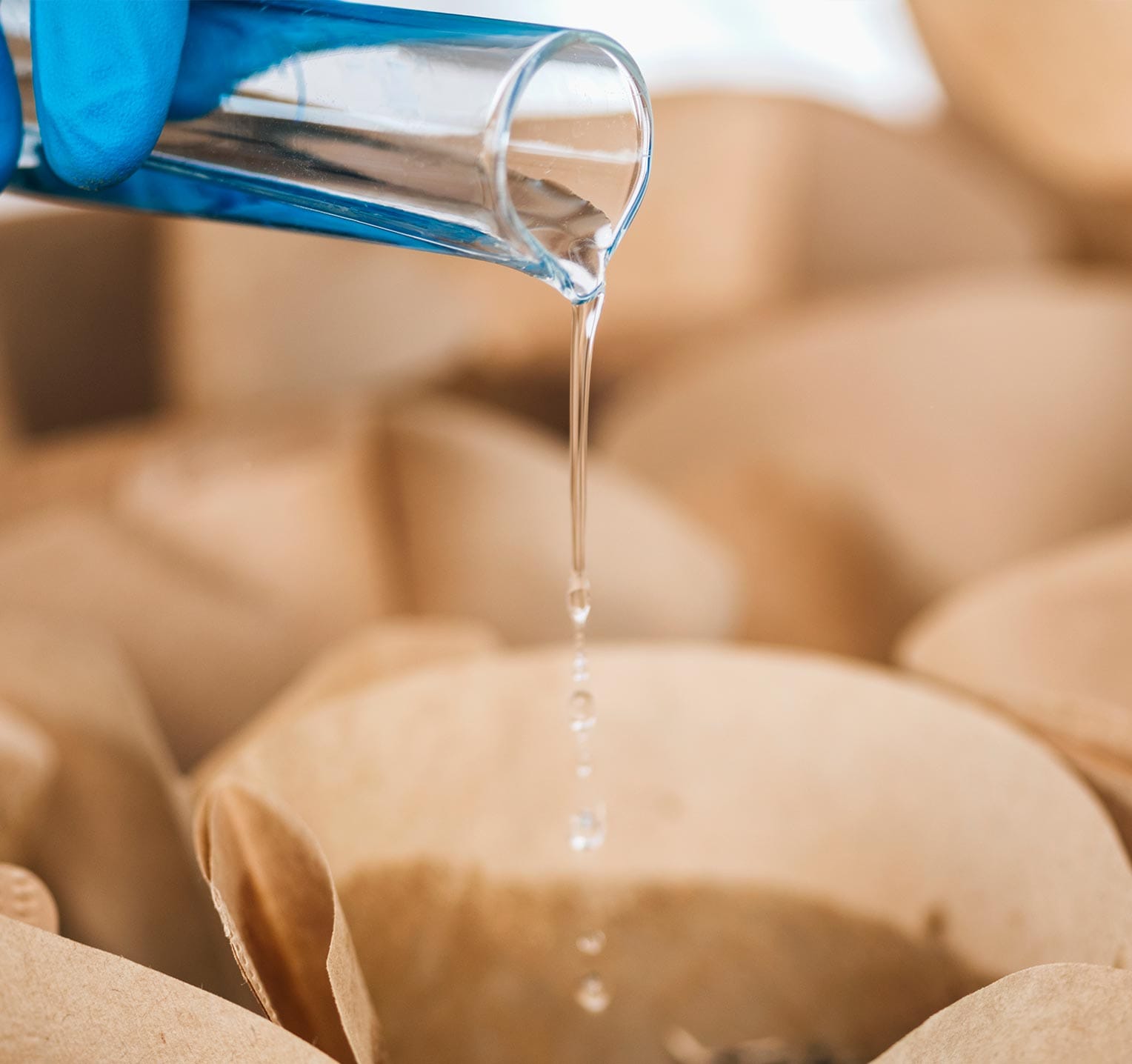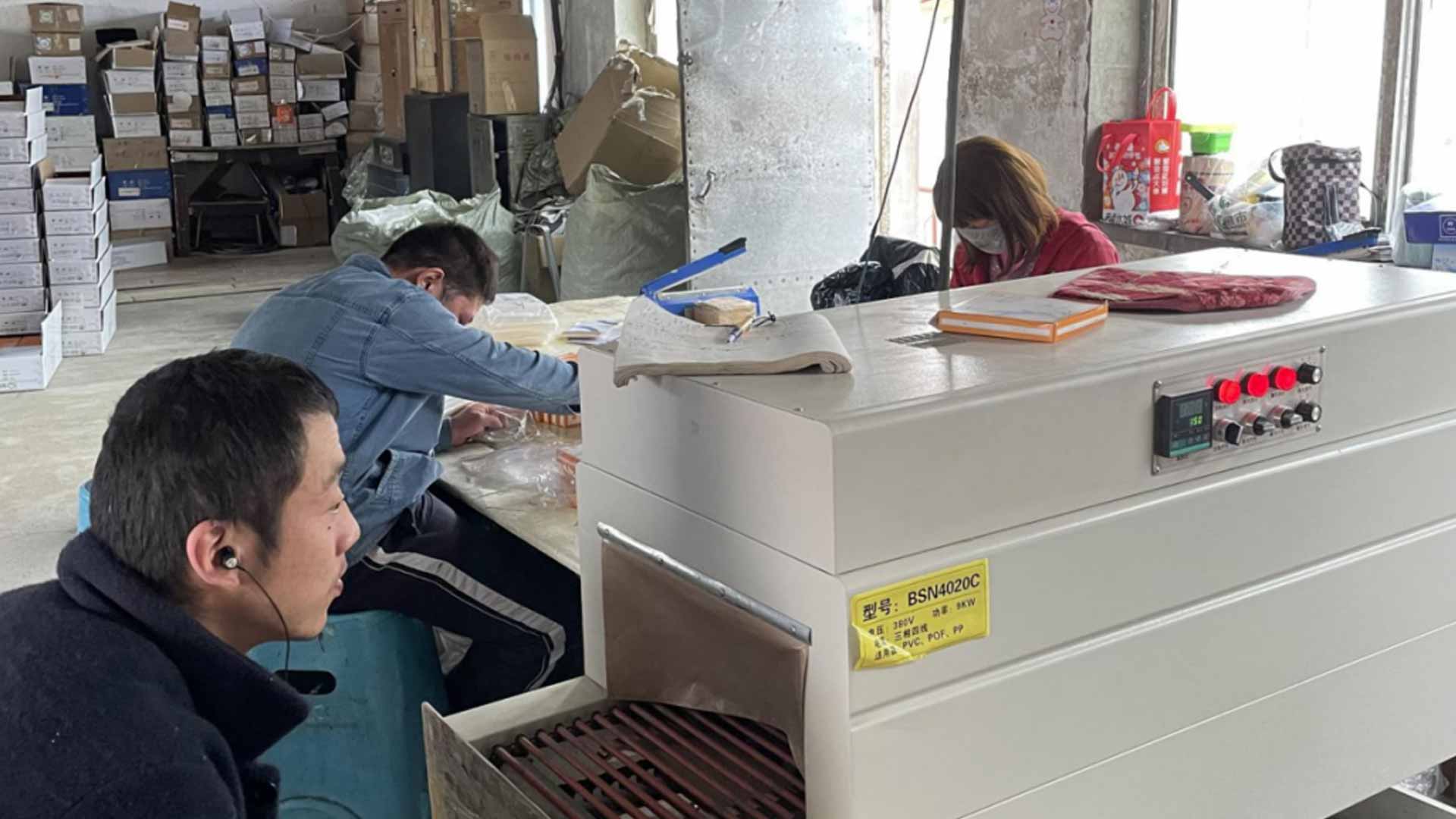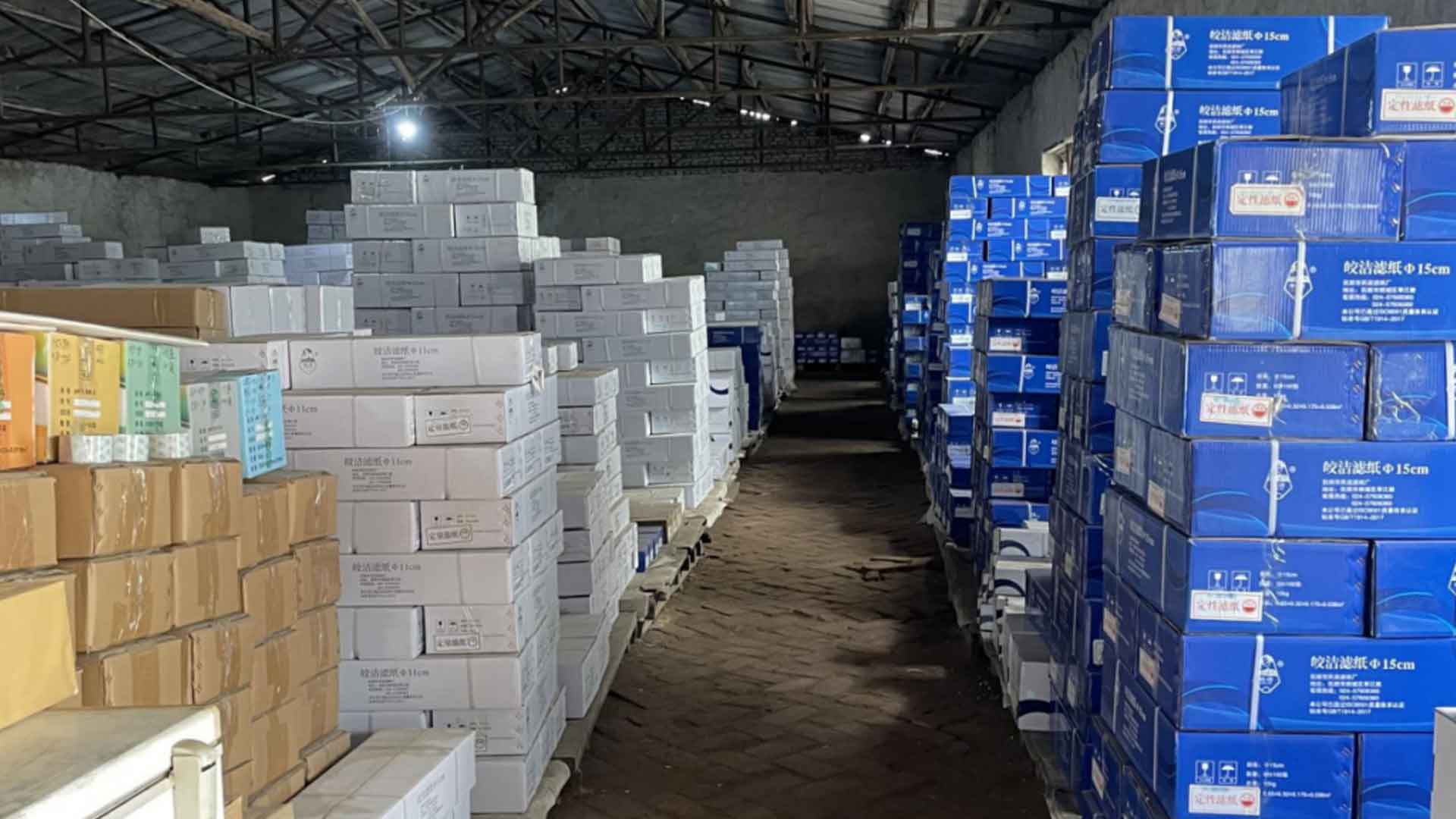
For metalworking factories, cutting fluid filter paper is a small consumable with a large effect on coolant cleanliness, machining stability, and maintenance labor. This guide explains how to compare paper specifications, filtration equipment, supplier quality, sample testing, and custom roll options before placing a bulk order.
Table of Contents
Why Cutting Fluid Filtration Matters in Metalworking
In machining, grinding, sawing, stamping, and other metalworking operations, coolant carries heat, chips, fine particles, tramp oil, and shop-floor contamination back into the circulation tank. If these solids remain in the loop, they can scratch workpieces, reduce tool life, block nozzles, and make coolant management harder. cutting fluid filter paper gives factories a replaceable filtration medium for keeping coolant and emulsion systems more stable during daily production.
A strong filtration plan is not only about cleaner liquid. It also supports predictable machining quality, less manual tank cleaning, fewer emergency shutdowns, and better use of coolant. The general role of cutting fluids is described in this cutting fluid reference: they cool, lubricate, protect tools, and help manage the work zone. When the fluid is recirculated, the filter paper becomes part of the process control system.
What Cutting Fluid Filter Paper Does
cutting fluid filter paper is usually supplied as a roll for gravity, vacuum, drum, flat-bed, or custom coolant filtration equipment. As contaminated fluid passes through the paper, metal fines, abrasive dust, grinding sludge, chips, and other suspended solids are captured on the surface and inside the paper structure. The cleaned fluid then returns to the machine sump or central circulation system.
The principle follows the broader concept of filtration, but the buying decision is specific to the workshop. A paper that works well for light aluminum machining may not be the best choice for cast iron grinding, heavy steel processing, or high-volume centralized coolant tanks. Buyers should compare retention, flow rate, wet strength, width, and roll length together instead of choosing by price alone.
Common Applications for Metalworking Coolant Systems
Factories use cutting fluid filter paper in CNC machining centers, grinding machines, honing lines, rolling equipment, bearing manufacturing, tool production, parts washing, and metal finishing support systems. In many plants, coolant is collected, filtered, and recirculated many times each shift. This makes cutting fluid filter paper consumption, roll change frequency, and filtration reliability important operating costs.
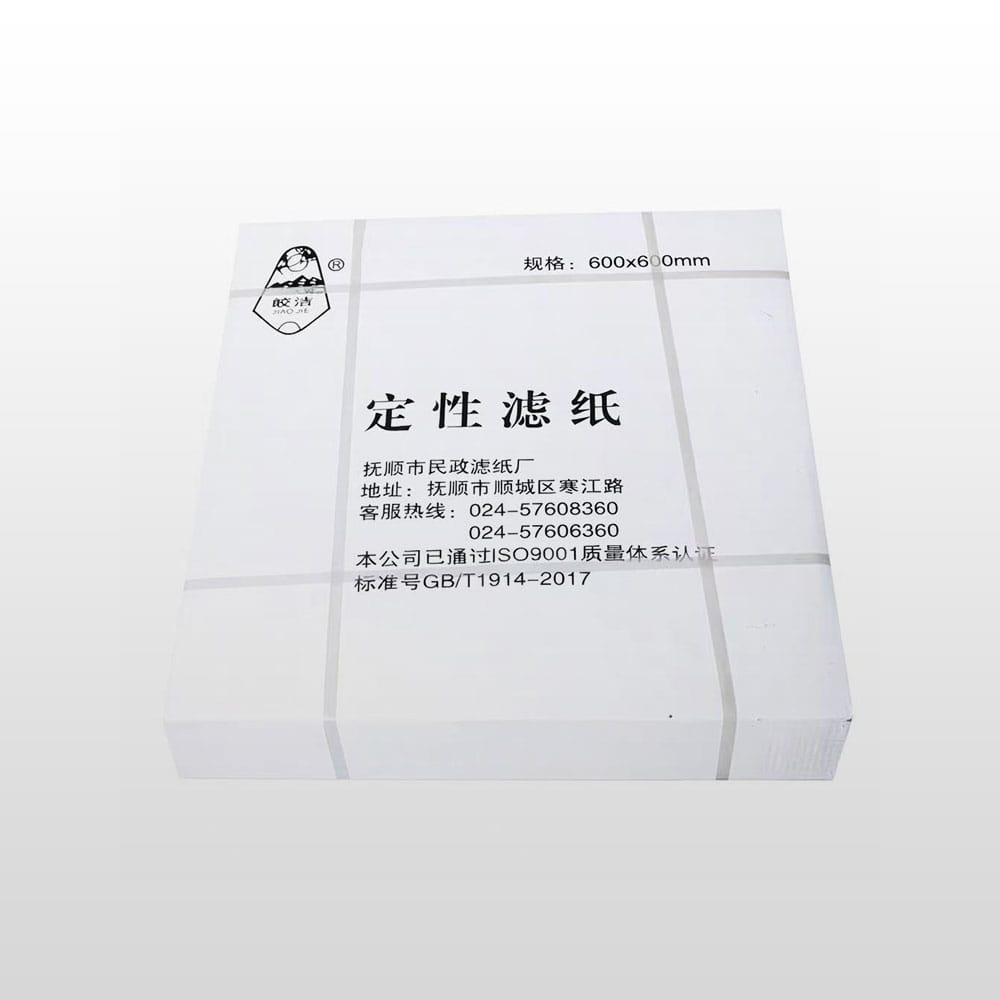
The same product family can serve different workshop problems: chip removal from water-based coolant, sludge capture from grinding fluid, emulsion clarification, and rough particle removal before finer downstream filtration. Fushun Civil Affairs Filter Paper Factory supplies large industrial filter paper for liquid filtration, including custom widths and grades for industrial equipment.
Key Specifications Buyers Should Confirm
Before ordering cutting fluid filter paper, confirm the machine type, roll width, roll length, core size, paper basis weight, thickness, wet tensile strength, filtration accuracy target, coolant type, particle load, and operating flow. A roll that is too narrow can cause bypass. A weak paper can tear after absorbing coolant. A paper that is too dense may block early and slow the whole filtration system.
Buyers should also ask about packaging and storage. Paper rolls used in metalworking environments must arrive with clean edges, consistent winding, and protection from moisture or compression damage. If a distributor or factory uses multiple equipment models, it may need several cutting fluid filter paper widths rather than one universal roll.
Flow Rate, Particle Retention, and Paper Life
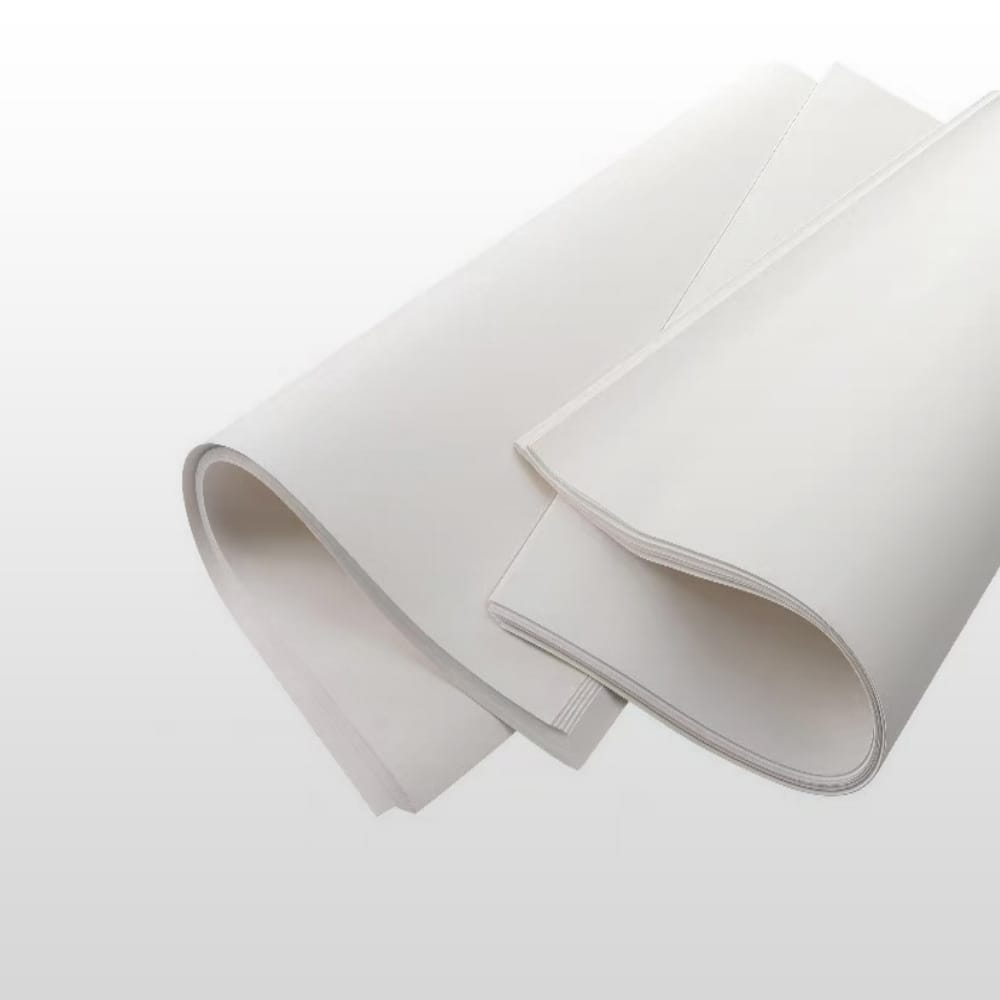
The best cutting fluid filter paper balances three practical goals: enough retention to remove harmful solids, enough flow to keep coolant moving, and enough paper life to avoid constant roll changes. If paper blocks too quickly, operators may bypass the system or replace rolls too often. If paper is too open, fines continue circulating and the coolant tank becomes dirty again.
Different processes create different solids. Grinding may create fine sludge; sawing may create larger chips; machining aluminum may produce different contamination from machining steel or cast iron. A supplier should ask what process creates the contamination before recommending cutting fluid filter paper. For high-load systems, buyers may need a stronger cutting fluid filter paper grade, wider roll, or a staged filtration approach.
Selection Table for Cutting Fluid Filtration
The table below gives a practical starting point for comparing paper choices. It is not a substitute for real trial data, but it helps purchasing teams organize the main questions before selecting cutting fluid filter paper.
| Metalworking process | Main contaminant | Paper selection priority | Buyer benefit |
|---|---|---|---|
| CNC machining | Chips and fine particles | Flow stability and roll fit | Cleaner coolant circulation |
| Grinding | Fine sludge and abrasive dust | Higher retention and wet strength | Better surface quality |
| Sawing | Larger chips and mixed residue | Smooth paper advance | Less manual cleaning |
| Central coolant system | High-volume mixed solids | Long roll life and consistent supply | Lower downtime |
How to Match Paper to Filtration Equipment
Equipment design determines how cutting fluid filter paper behaves in production. A flat-bed gravity filter needs a roll that advances smoothly and forms a stable filter cake. A vacuum filter may require stronger wet strength because pressure pulls liquid through the paper. A compact machine sump may need narrow cutting fluid filter paper rolls and frequent replacement, while a central coolant system may use large rolls for long operating periods.
The application section on the site includes industrial liquid filtration scenarios that can help buyers compare equipment needs. For broader product choices, review the industrial use filter paper category and the full product range.
Coolant Health, Safety, and Waste Handling
Metalworking fluid systems can involve mist, bacteria, tramp oil, fine solids, and chemical additives. While cutting fluid filter paper helps remove suspended solids, it should be part of a broader coolant management plan that includes concentration control, tank cleaning, tramp oil removal, and worker safety practices. NIOSH provides an official metalworking fluids resource for workplace safety context, which is useful when evaluating cutting fluid filter paper in active workshops.
OSHA also provides information on metalworking fluids and related occupational considerations. For waste and wastewater context, the U.S. EPA maintains Metal Products and Machinery Effluent Guidelines. These references do not replace local rules, but they remind buyers that filtration media selection, spent paper handling, and liquid management belong in the same operating plan.

How to Evaluate a Filter Paper Supplier
A capable supplier should ask about the machine, coolant type, process, particle size, roll width, and current failure pattern. When buying cutting fluid filter paper, ask whether the manufacturer can provide custom width, custom roll length, controlled basis weight, consistent wet strength, sample testing, and export-ready packaging. A good quotation should be based on operating needs, not only on kilograms or square meters.
Consistency is especially important for factories that use cutting fluid filter paper every day. If roll formation, winding tension, or paper strength changes from batch to batch, operators may see different flow rates and service life. That creates hidden cost through downtime, coolant loss, extra labor, and rejected parts. The previous guide to industrial filter paper roll selection explains related roll specifications for broader liquid filtration systems.
Custom Roll Options for B2B Buyers
Custom cutting fluid filter paper is useful when a buyer needs a non-standard width, special roll length, specific core size, stronger wet strength, or a grade matched to a high-load coolant tank. Customization can reduce trimming waste, simplify installation, improve roll tracking, and make purchasing more predictable for distributors or maintenance teams.
For manufacturers, a custom cutting fluid filter paper solution can also support multiple plants using similar machines. Instead of sourcing different rolls from several suppliers, the buyer can standardize specifications and packaging. Fushun Civil Affairs Filter Paper Factory can discuss industrial filtration media for coolant, oil, emulsion, and process liquid applications.
Sample Testing Before Bulk Orders
Before a bulk order, test cutting fluid filter paper under real operating conditions. A practical trial should record liquid flow, paper advance frequency, sludge capture, coolant appearance, machine uptime, and operator feedback. If possible, compare two or three paper grades on the same machine so the purchasing team can see the tradeoff between retention and service life.
A good cutting fluid filter paper sample test also checks installation. Does the roll sit flat? Does it track straight? Are the edges sealing correctly? Does the paper tear when wet? These observations are more useful than a specification sheet alone because they show how the paper behaves in the buyer’s actual filtration equipment.
Conclusion
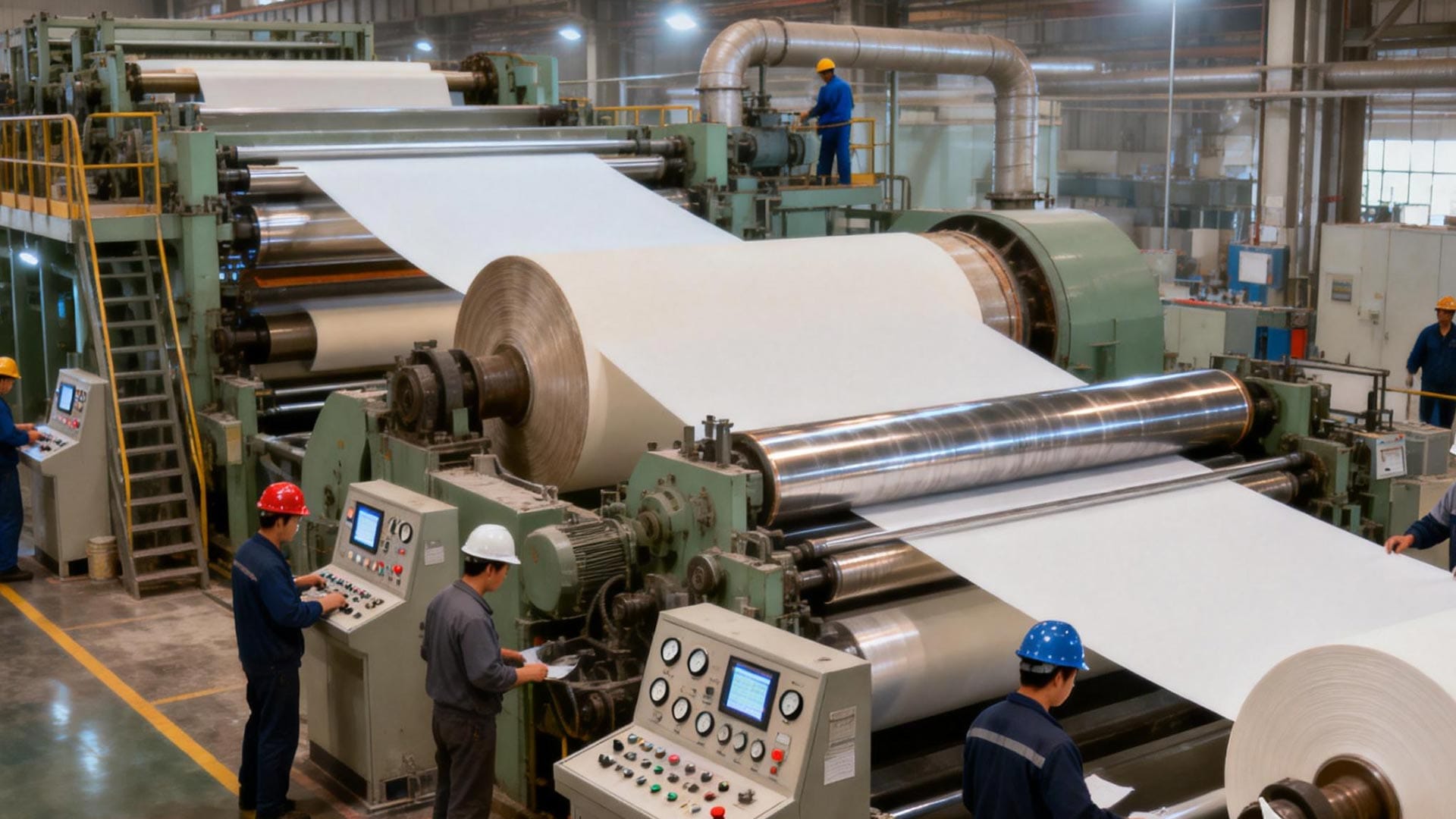
Choosing cutting fluid filter paper is a production decision for metalworking plants, not just a consumable purchase. The right paper should fit the equipment, capture the target solids, keep coolant moving, withstand wet operation, and support predictable maintenance intervals. Buyers should compare flow rate, retention, strength, roll dimensions, and supplier consistency before placing a bulk order.
If your team needs stable supply, custom roll width, or sample testing for CNC machining, grinding, sawing, or central coolant filtration, contact Fushun Civil Affairs Filter Paper Factory through the contact page. Share your machine type, coolant condition, roll size, and current filtration issue to receive a practical cutting fluid filter paper recommendation.
FAQs
What is cutting fluid filter paper used for?
cutting fluid filter paper is used to capture chips, fines, sludge, and suspended solids from coolant or emulsion in metalworking filtration systems.
How do I choose the correct filter paper roll width?
Measure the filtration bed, paper path, sealing area, and core size. The roll must cover the working width without edge bypass.
Can cutting fluid filter paper be customized?
Yes. Custom cutting fluid filter paper can be supplied by roll width, length, core size, basis weight, wet strength, and packing requirement.
Why does filter paper block too quickly?
Early blocking may come from high sludge load, paper that is too dense, poor coolant condition, tramp oil, or a mismatch between paper grade and process.
Should I test samples before bulk purchasing?
Yes. Sample testing confirms flow rate, retention, wet strength, roll tracking, service life, and real compatibility with the filtration equipment.