Table of Contents
Introduction
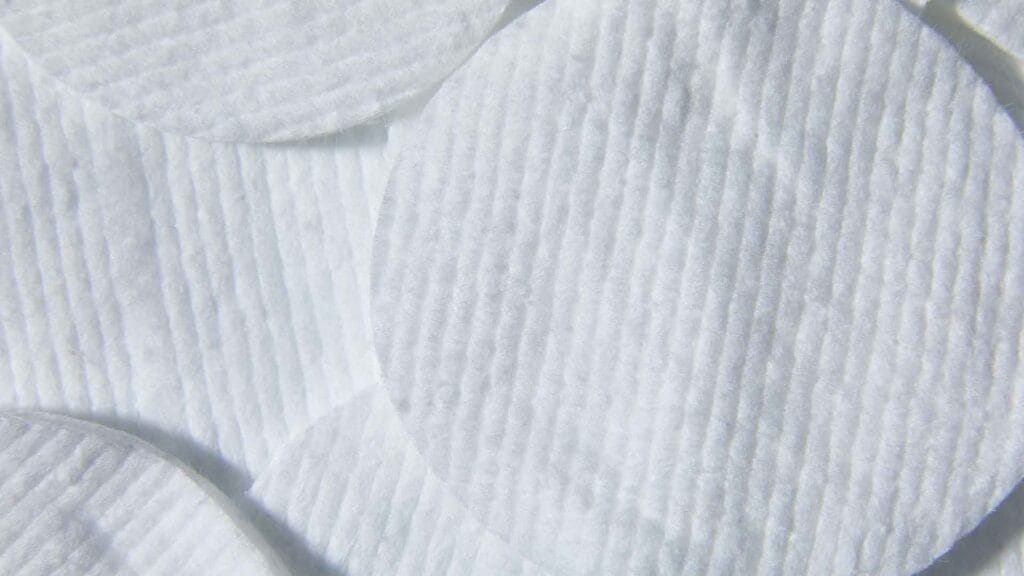
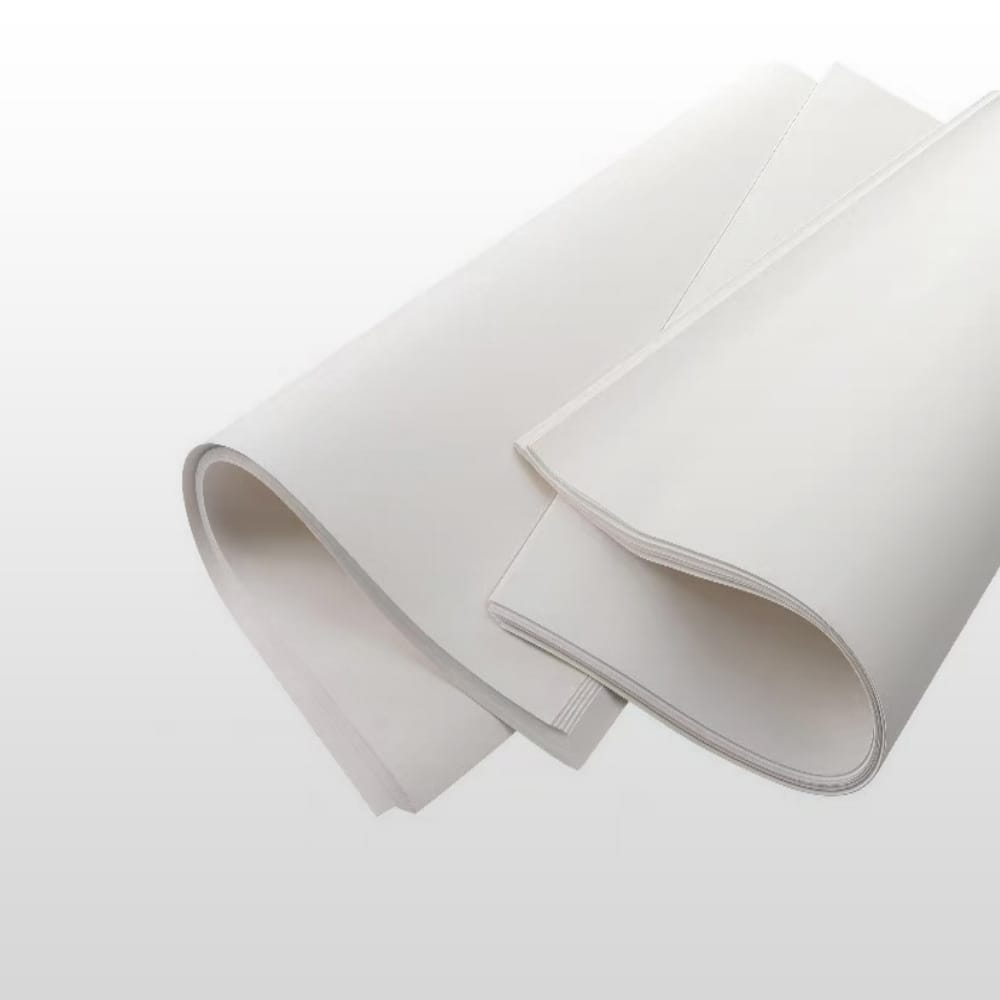
Filter paper material is a vital component in many industries, ranging from laboratory research to food and beverage processing and industrial filtration. At its core, filter paper is designed to separate solids from liquids or gases, providing a clean and efficient medium for filtration. The choice of filter paper material directly affects the accuracy, efficiency, and reliability of filtration processes.
Understanding the properties and applications of different filter paper materials can help manufacturers, laboratories, and industrial facilities achieve optimal results. As a manufacturer of high-quality filter paper material, we aim to provide guidance to ensure you select the right type for your specific needs.
Cellulose Filter Paper
Cellulose filter paper is one of the most widely used types of filter paper material. Made from purified cellulose fibers, it offers excellent absorption and uniform pore size, making it suitable for a wide range of applications.
Common uses:
- Laboratory filtration for routine experiments
- Coffee and tea filtration
- Food-grade filtration for oils and beverages
Advantages:
- Biodegradable and eco-friendly
- High compatibility with aqueous solutions
- Affordable and widely available
Limitations:
- Lower resistance to high temperatures
- Limited chemical resistance compared to synthetic or glass fiber filter papers
Glass Fiber Filter Paper
Glass fiber filter paper is made from finely spun glass fibers, providing high temperature resistance, chemical stability, and durability. This type of filter paper material is ideal for demanding applications where cellulose paper may not perform efficiently.
Applications:
- High-temperature industrial filtration
- Chemical filtration requiring strong acid or alkaline resistance
- Microfiltration for fine particulate removal
Benefits:
- Superior durability and longer lifespan
- High particle retention and low risk of tearing
- Suitable for both laboratory and industrial filtration
Mixed Fiber and Synthetic Filter Paper Materials
Mixed fiber filter papers combine cellulose with synthetic fibers to enhance strength, chemical resistance, and performance. Synthetic-only papers provide excellent durability and can be tailored for specialized industrial applications.
Use cases:
- Oil and chemical filtration in factories
- Air purification systems
- Industrial water treatment
Considerations:
- Mixed fiber papers balance cost and performance
- Synthetic papers are more expensive but highly durable
Specialty Filter Paper Materials

Certain applications require filter paper materials designed for very specific purposes.
Ashless filter paper:
- Used in analytical laboratories for precise gravimetric analysis
- Leaves minimal residue after combustion
High-efficiency filter paper:
- Ideal for microfiltration and fine particulate separation
- Ensures high purity in laboratory and industrial processes
Biodegradable filter paper:
- Provides eco-friendly options for food and beverage filtration
- Reduces environmental impact while maintaining quality
Applications Across Industries
Filter paper material is versatile and widely used across multiple sectors:
| Industry | Common Filter Paper Material | Typical Applications |
|---|---|---|
| Laboratory | Cellulose, Ashless | Routine filtration, chemical analysis |
| Food & Beverage | Cellulose, Biodegradable | Coffee, tea, edible oils |
| Industrial | Glass fiber, Mixed fiber | Water treatment, chemical processing, air filtration |
| Microfiltration | High-efficiency, Glass fiber | Fine particle separation, microbiology |
These applications demonstrate the importance of selecting the right filter paper material for your industry, whether it is for precision laboratory work or heavy-duty industrial processes.
How to Choose the Right Filter Paper Material
Choosing the appropriate filter paper material depends on several factors:
- Particle retention: Determines the size of particles filtered
- Flow rate: Influences filtration speed and efficiency
- Chemical compatibility: Ensures resistance to solvents, acids, or bases
- Temperature tolerance: Important for high-temperature applications
Comparison Chart:
| Filter Paper Type | Particle Retention | Chemical Resistance | Temperature Tolerance | Best Use Case |
|---|---|---|---|---|
| Cellulose | 2–25 µm | Moderate | Low | Laboratory, food, beverage |
| Glass Fiber | 0.3–10 µm | High | High | Industrial, chemical filtration |
| Mixed Fiber | 1–20 µm | Moderate–High | Moderate | Industrial & air filtration |
| Ashless | 1–5 µm | Moderate | Low | Analytical laboratory work |
Maintenance and Storage of Filter Paper
Proper handling and storage of filter paper material ensure long-term quality and performance.
- Store in a dry, clean environment
- Keep away from direct sunlight and moisture
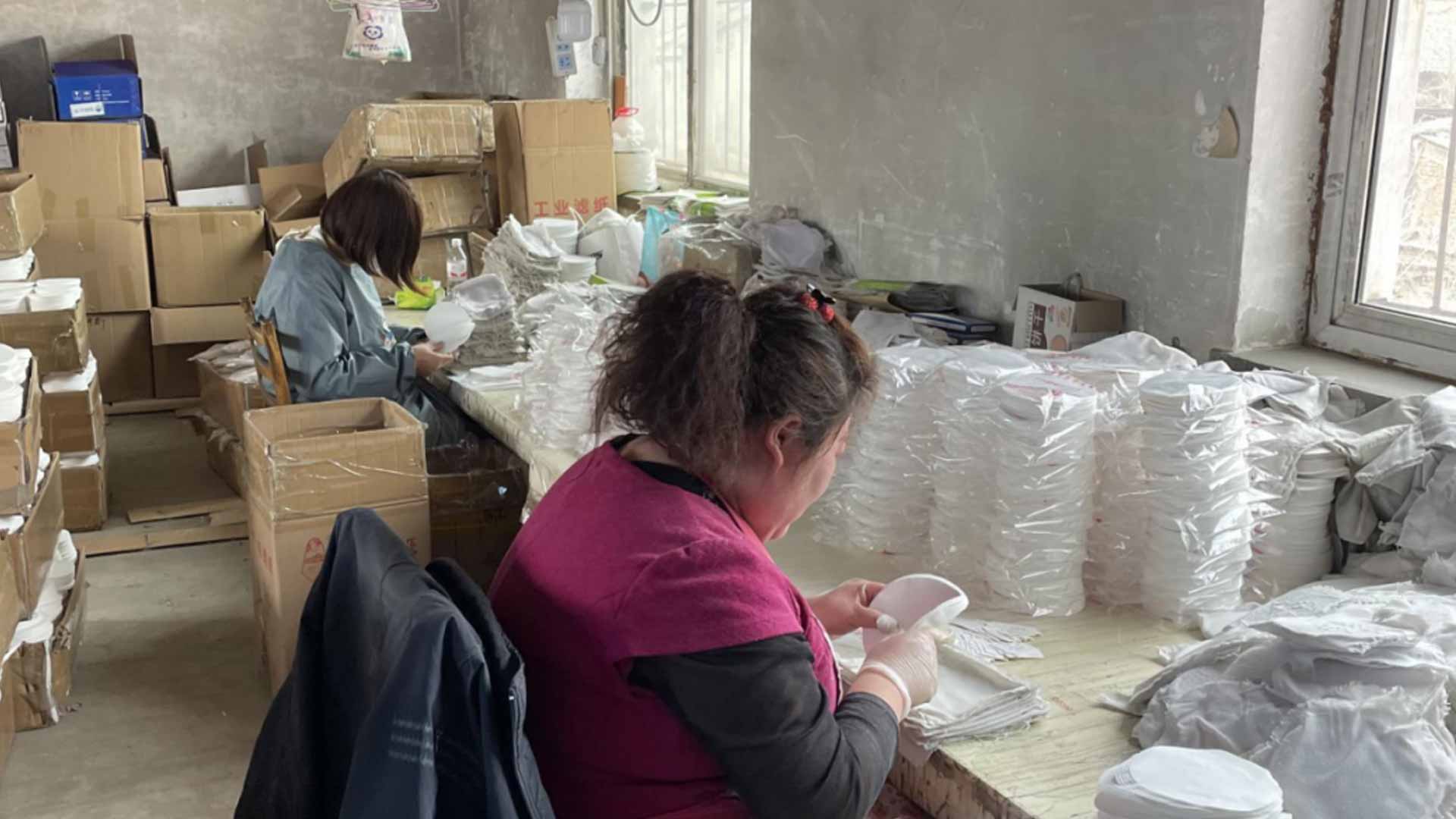
- Handle with clean hands or gloves to prevent contamination
- Follow shelf-life guidelines for specialized materials
Benefits of Purchasing Directly from a Manufacturer
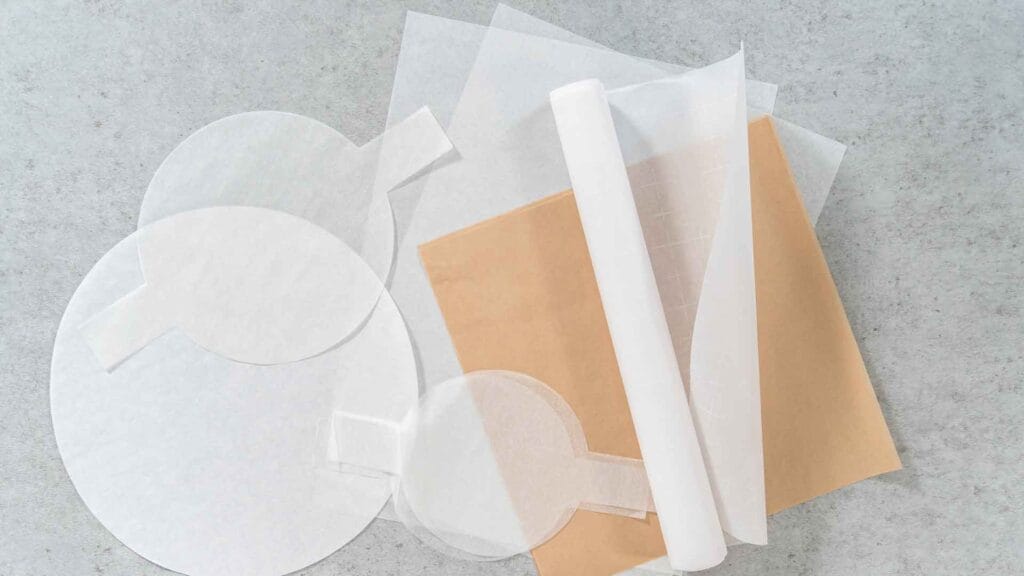
As a manufacturer of premium filter paper material, we offer advantages that distributors or third-party suppliers may not provide:
- Guaranteed product quality and consistency
- Customization options for size, grade, and material composition
- Competitive pricing and reliable supply
- Technical support and guidance for optimal material selection
Conclusion
Choosing the right filter paper material is crucial for achieving efficient filtration in laboratories, food processing, and industrial applications. Understanding the differences between cellulose, glass fiber, mixed fiber, and specialty papers ensures better performance, durability, and cost-effectiveness.
As a manufacturer, we provide high-quality, customizable filter paper material designed to meet the unique requirements of your applications. Contact us today to learn more about our products and find the perfect solution for your filtration needs.
FAQ
1. What is filter paper material made of?
Filter paper material is typically made from cellulose fibers, glass fibers, or a combination of synthetic and natural fibers, designed to trap particles while allowing liquids or gases to pass through.
2. What are the main types of filter paper material?
The main types include cellulose filter paper, glass fiber filter paper, mixed fiber filter paper, ashless filter paper, and high-efficiency filter paper, each suited for specific laboratory, industrial, or food applications.
3. How do I choose the right filter paper material for my application?
Consider particle retention, flow rate, chemical compatibility, and temperature tolerance. For example, cellulose works well for lab and food applications, while glass fiber is ideal for high-temperature or chemical filtration.
4. Can filter paper material be used in industrial filtration?
Yes, filter paper material is widely used in industrial processes such as water treatment, chemical filtration, oil separation, and air purification due to its durability and performance.
5. Is there an eco-friendly option for filter paper material?
Biodegradable cellulose filter paper and certain specialty materials are eco-friendly, making them suitable for food, beverage, and other sustainable applications.