Tabla de contenido
Introducción
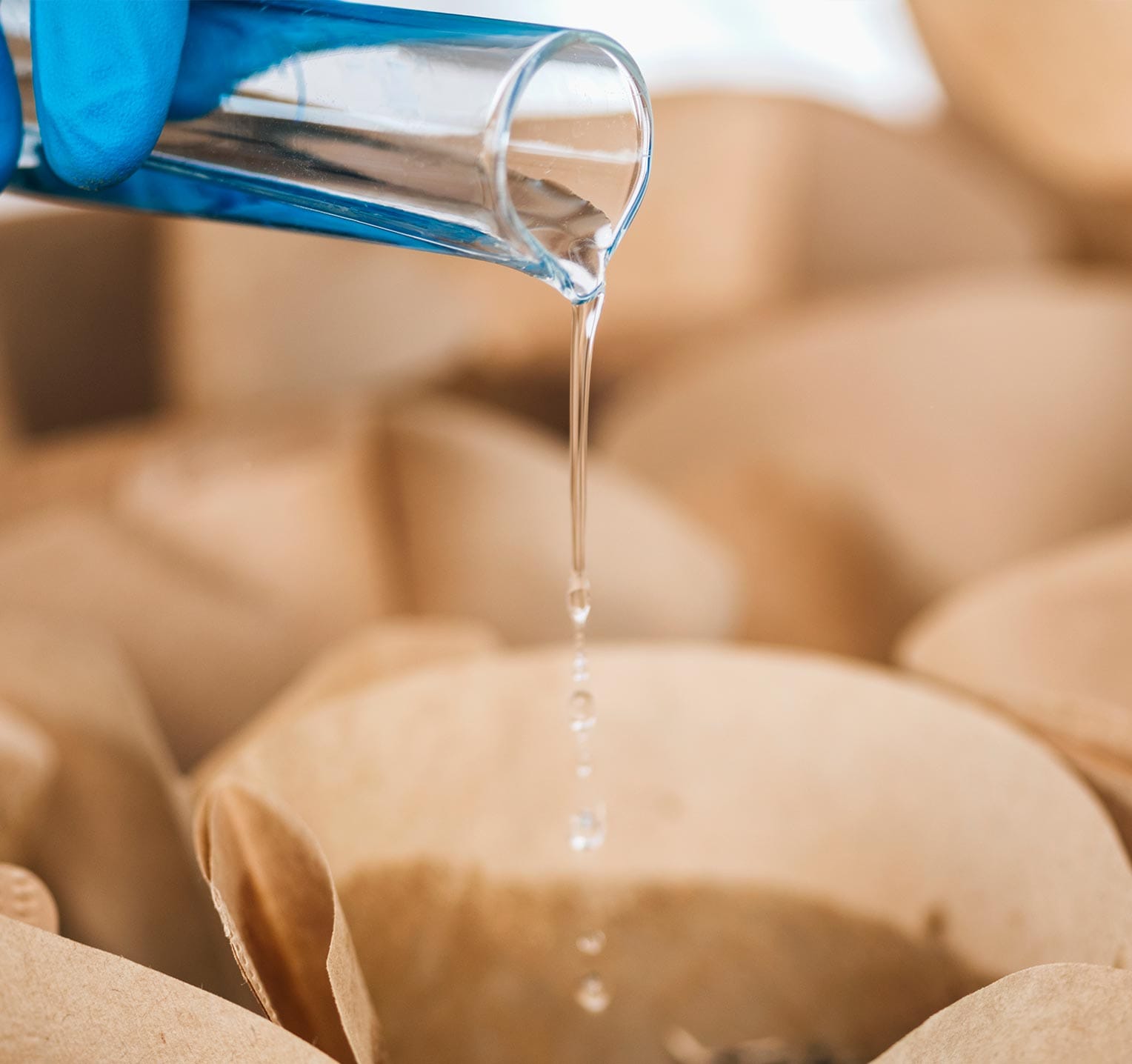
El material de papel de filtro es un componente vital en muchas industrias, desde la investigación de laboratorio hasta el procesamiento de alimentos y bebidas y la filtración industrial. En esencia, el papel de filtro está diseñado para separar sólidos de líquidos o gases, proporcionando un medio limpio y eficiente para la filtración. La elección del material de papel de filtro afecta directamente la precisión, eficiencia y confiabilidad de los procesos de filtración.
Comprender las propiedades y aplicaciones de los diferentes materiales de papel de filtro puede ayudar a los fabricantes, laboratorios e instalaciones industriales a lograr resultados óptimos. Como fabricante de material de papel de filtro de alta calidad, nuestro objetivo es brindarle orientación para garantizar que seleccione el tipo correcto para sus necesidades específicas.
Papel de filtro de celulosa
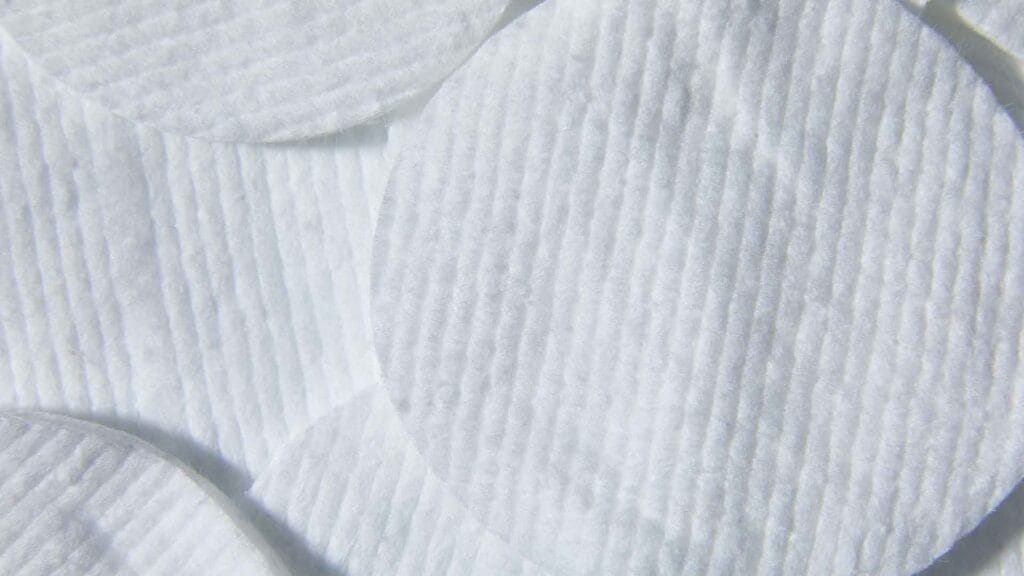
El papel de filtro de celulosa es uno de los tipos de material de papel de filtro más utilizados. Hecho de fibras de celulosa purificadas, ofrece una excelente absorción y un tamaño de poro uniforme, lo que lo hace adecuado para una amplia gama de aplicaciones.
Usos comunes:
- Filtración de laboratorio para experimentos de rutina
- Filtración de café y té
- Filtración de calidad alimentaria para aceites y bebidas
Ventajas:
- Biodegradable y ecológico
- Alta compatibilidad con soluciones acuosas
- Asequible y ampliamente disponible
Limitati:
- Menor resistencia a altas temperaturas
- Resistencia química limitada en comparación con los papeles de filtro sintéticos o de fibra de vidrio
Papel de filtro de fibra de vidrio
El papel de filtro de fibra de vidrio está hecho de fibras de vidrio finamente hiladas, lo que proporciona resistencia a altas temperaturas, estabilidad química y durabilidad. Este tipo de material de papel de filtro es ideal para aplicaciones exigentes donde el papel de celulosa puede no funcionar de manera eficiente.
Aplicaciones:
- Filtración industrial de alta temperatura
- Filtración química que requiere fuerte resistencia ácida o alcalina
- Microfiltración para eliminación de partículas finas
Beneficios:
- Durabilidad superior y vida útil más larga
- Alta retención de partículas y bajo riesgo de desgarro
- Adecuado tanto para filtración industrial como de laboratorio
Fibra Mixta y Sintética Papel de filtro Materiales
Los papeles de filtro de fibras mixtas combinan celulosa con fibras sintéticas para mejorar la resistencia, la resistencia química y el rendimiento. Los papeles exclusivamente sintéticos proporcionan una excelente durabilidad y pueden adaptarse a aplicaciones industriales especializadas.
Casos de uso:
- Filtración de petróleo y productos químicos en fábricas
- Sistemas de purificación de aire
- Tratamiento de aguas industriales
Consideraciones:
- Los papeles de fibra mixta equilibran el costo y el rendimiento
- Los papeles sintéticos son más caros pero muy duraderos
Materiales especiales para papel de filtro
Ciertas aplicaciones requieren materiales de papel de filtro diseñados para propósitos muy específicos.
Papel de filtro sin cenizas:
- Utilizado en laboratorios analíticos para análisis gravimétricos precisos
- Deja un mínimo de residuos tras la combustión
Papel de filtro de alta eficiencia:
- Ideal para microfiltración y separación de partículas finas
- Garantiza una alta pureza en procesos industriales y de laboratorio
Papel de filtro biodegradable:
- Proporciona opciones ecológicas para la filtración de alimentos y bebidas
- Reduce el impacto ambiental manteniendo la calidad
Aplicaciones en todas las industrias
El material de papel de filtro es versátil y ampliamente utilizado en múltiples sectores:
| Industria | Material común del papel de filtro | Aplicaciones típicas |
|---|---|---|
| Laboratorio | Celulosa, Sin Cenizas | Filtración de rutina, análisis químico |
| Alimentos y bebidas | Celulosa Biodegradable | Café, té, aceites comestibles |
| Industrial | Fibra de vidrio, Fibra mixta | Tratamiento de agua, procesamiento químico, filtración de aire |
| Microfiltración | Fibra de vidrio de alta eficiencia | Separación de partículas finas, microbiología |
Estas aplicaciones demuestran la importancia de seleccionar el derecho papel de filtro material para su industria, ya sea para trabajos de laboratorio de precisión o procesos industriales de alta resistencia.
Cómo elegir el material de papel de filtro adecuado
La elección del material de papel de filtro adecuado depende de varios factores:
- Reținerea particulelor: Determina el tamaño de las partículas filtradas
- Rata de flux: Influye en la velocidad y eficiencia de filtración
- Compatibilidad química: Garantiza resistencia a disolventes, ácidos o bases
- Tolerancia a la temperatura: Importante para aplicaciones de alta temperatura
Gráfico comparativo:
| Tipo de papel de filtro | Retención de partículas | Resistencia química | Tolerancia a la temperatura | Mejor caso de uso |
|---|---|---|---|---|
| Celulosa | 2-25 µm | Moderado | Bajo | Laboratorio, alimentos, bebidas |
| Fibra de vidrio | 0,3-10 µm | Alto | Alto | Filtración industrial, química |
| Fibra Mixta | 1-20 µm | Moderado-Alto | Moderado | Filtración industrial y de aire |
| Sin cenizas | 1-15 µm | Moderado | Bajo | Trabajo de laboratorio analítico |
Mantenimiento y Almacenamiento de Papel de Filtro
El manejo y almacenamiento adecuados del material de papel de filtro garantizan calidad y rendimiento a largo plazo.
- Almacenar en un ambiente seco y limpio
- Mantener alejado de la luz solar directa y la humedad
- Manipular con las manos o guantes limpios para evitar la contaminación
- Siga las pautas de vida útil para materiales especializados
Beneficios de comprar directamente de un fabricante
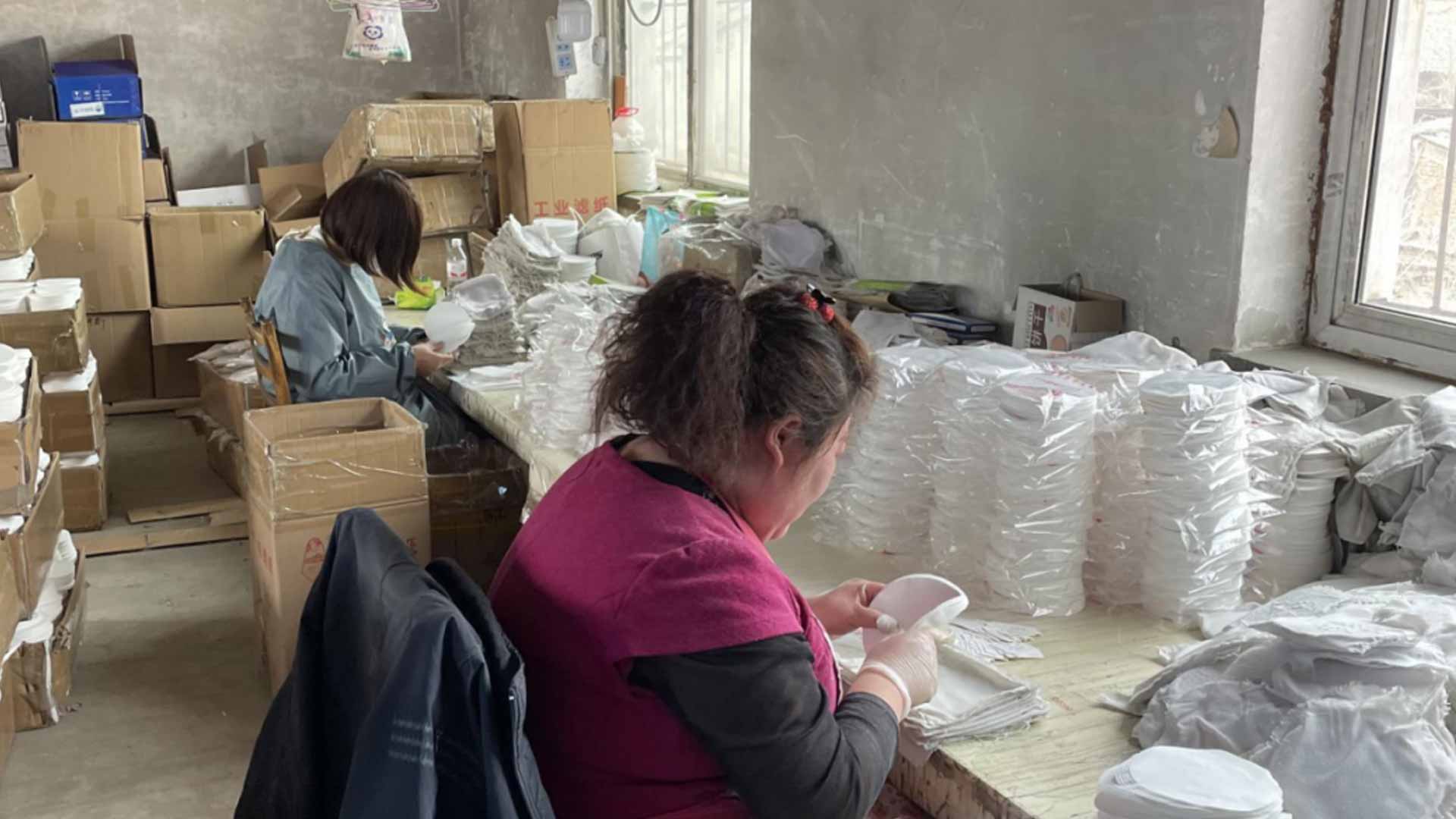
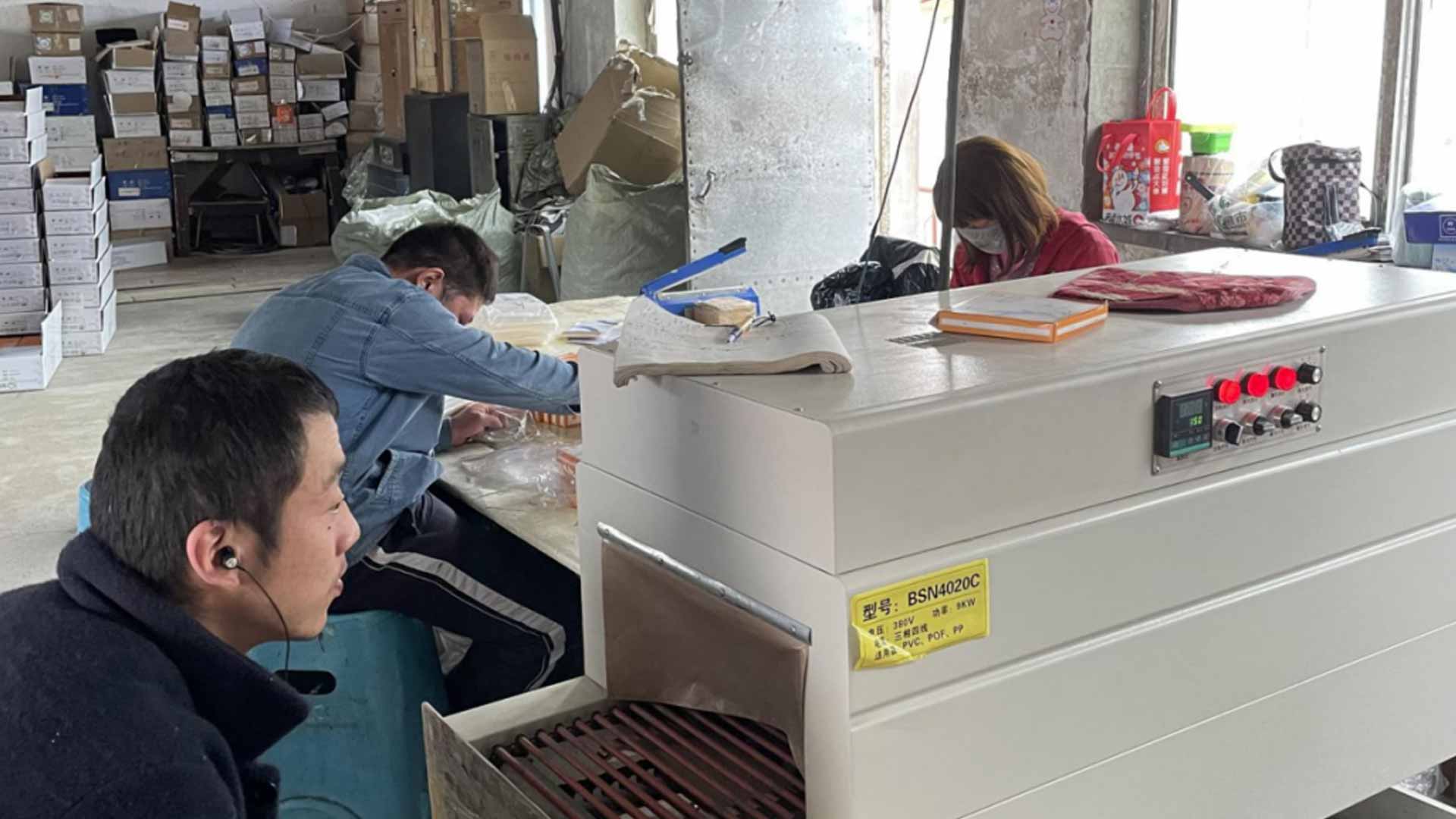
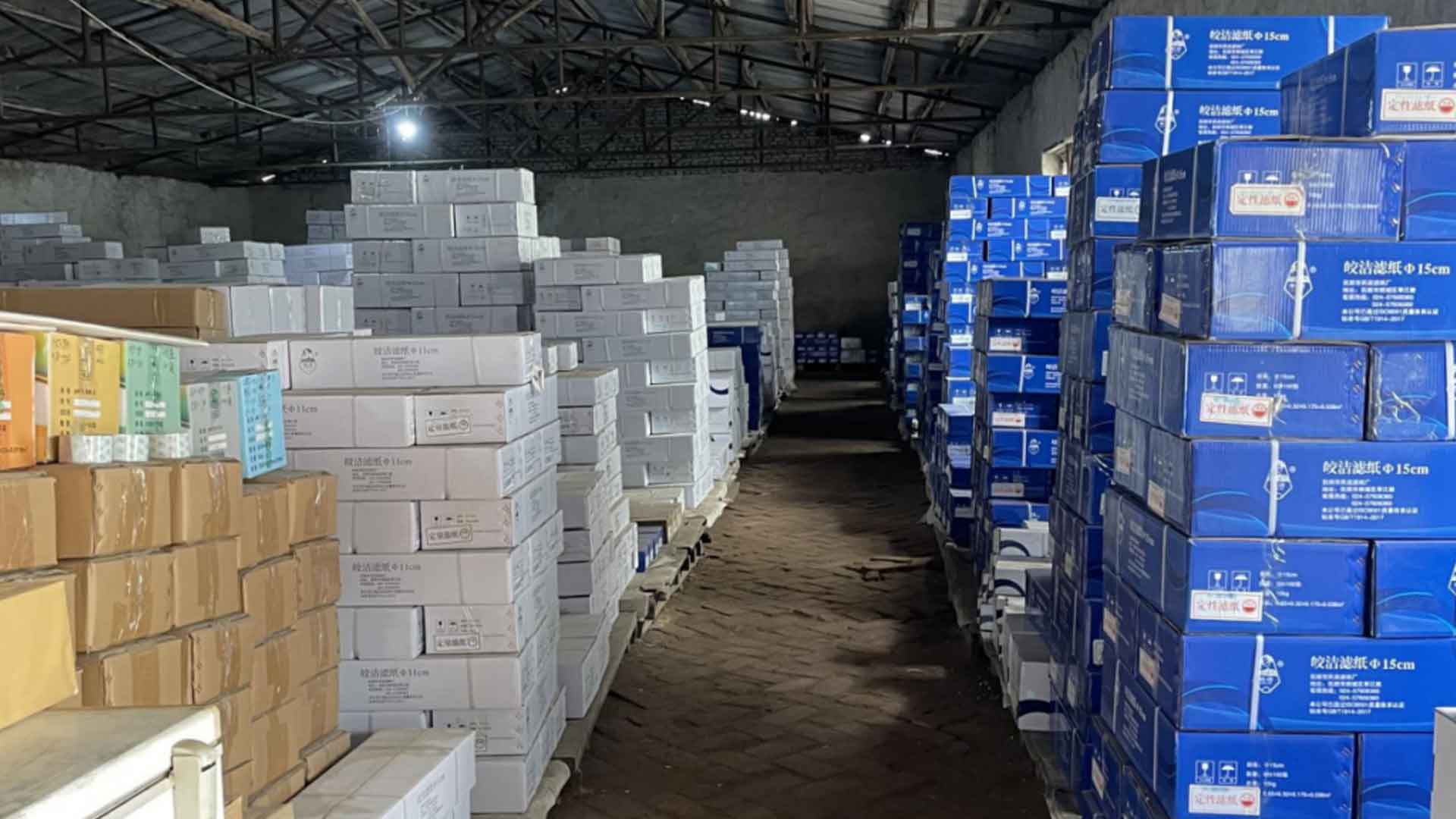
Como fabricante de premium papel de filtro material, ofrecemos ventajas que los distribuidores o terceros proveedores no podrán ofrecer:
- Calidad y consistencia garantizada del producto
- Opciones de personalización para tamaño, grado y composición de materiales
- Precios competitivos y suministro confiable
- Soporte técnico y orientación para una óptima selección de materiales
Conclusión
Elegir el derecho papel de filtro el material es crucial para lograr una filtración eficiente en laboratorios, procesamiento de alimentos y aplicaciones industriales. Comprender las diferencias entre celulosa, fibra de vidrio, fibra mixta y papeles especiales garantiza un mejor rendimiento, durabilidad y rentabilidad.
Como fabricante, proporcionamos material de papel de filtro personalizable y de alta calidad diseñado para cumplir con los requisitos únicos de sus aplicaciones. Contáctenos hoy para obtener más información sobre nuestros productos y encontrar la solución perfecta para sus necesidades de filtración.
Preguntas frecuentes
1. ¿De qué está hecho el material de papel de filtro?
El material de papel de filtro generalmente está hecho de fibras de celulosa, fibras de vidrio o una combinación de fibras sintéticas y naturales, diseñadas para atrapar partículas y al mismo tiempo permitir el paso de líquidos o gases.
2. ¿Cuáles son los principales tipos de material de papel de filtro?
Los tipos principales incluyen papel de filtro de celulosa, papel de filtro de fibra de vidrio, papel de filtro de fibra mixta, papel de filtro sin cenizas y papel de filtro de alta eficiencia, cada uno adecuado para aplicaciones específicas de laboratorio, industriales o alimentarias.
3. ¿Cómo elijo lo correcto papel de filtro ¿material para mi aplicación?
Considere la retención de partículas, el caudal, la compatibilidad química y la tolerancia a la temperatura. Por ejemplo, la celulosa funciona bien para aplicaciones de laboratorio y alimentos, mientras que la fibra de vidrio es ideal para filtración química o de alta temperatura.
4. ¿Se puede utilizar material de papel de filtro en la filtración industrial?
Sí, el material de papel de filtro se usa ampliamente en procesos industriales como el tratamiento de agua, la filtración química, la separación de aceites y la purificación del aire debido a su durabilidad y rendimiento.
5. ¿Existe una opción ecológica para el material de papel de filtro?
El papel de filtro de celulosa biodegradable y ciertos materiales especiales son ecológicos, lo que los hace adecuados para alimentos, bebidas y otras aplicaciones sostenibles.