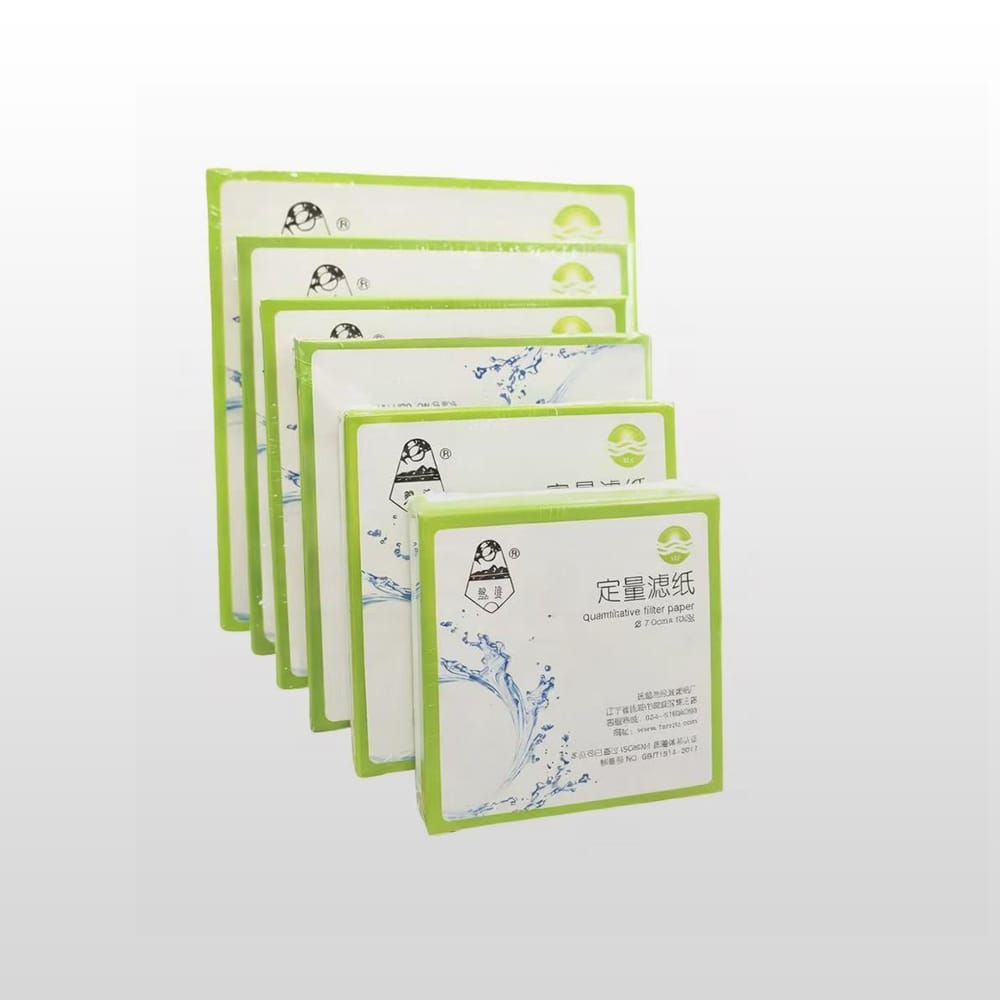
La filtración química se encuentra en el centro de casi todos los flujos de trabajo analíticos, pero a menudo se da por sentada hasta que los resultados comienzan a variar. En entornos reales de laboratorio, incluso pequeñas diferencias en los medios de filtración pueden cambiar los resultados, especialmente cuando se trata de suspensiones finas, análisis de trazas o muestras de reacción controladas.
Papeles de filtro químico siguen siendo uno de los materiales de filtración más utilizados porque ofrecen un equilibrio predecible entre caudal, retención y compatibilidad química. Desde pruebas de laboratorio de rutina hasta procesos de control de calidad industrial más sensibles, su función es menos la complejidad y más la consistencia.
Como fabricante que trabaja en estrecha colaboración con los usuarios de laboratorio, una observación recurrente es clara: la mayoría de los problemas de filtración no son causados por la muestra en sí, sino por una selección de papel de filtro no coincidente.
Tabla de contenido
Comprensión de los papeles de filtro químico en términos prácticos
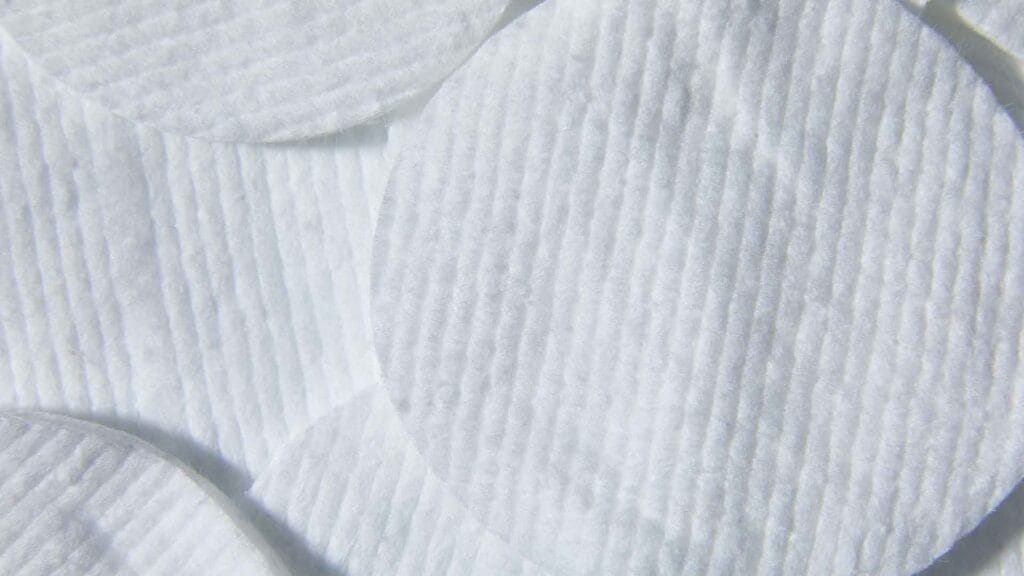
En lugar de tratar los papeles de filtro químicos como un único producto estandarizado, es más exacto pensar en ellos como un sistema de filtración estructurado hecho de fibras de celulosa.
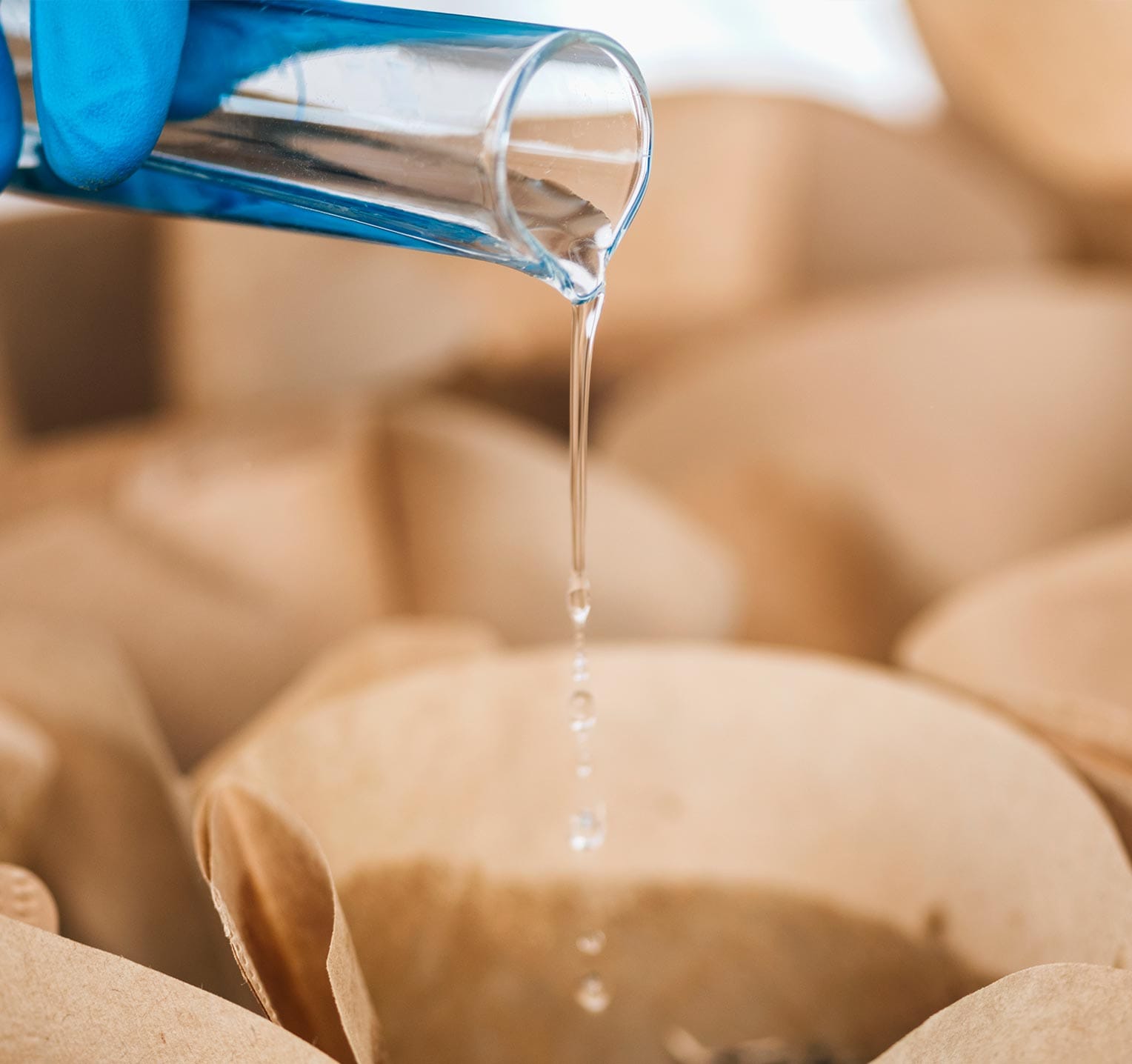
Cuando una mezcla líquida pasa por el papel, suceden tres cosas a la vez:
- Las partículas más grandes están físicamente bloqueadas dentro de la red de fibras
- Las partículas más pequeñas quedan atrapadas dentro de capas más profundas de la estructura
- El líquido limpio se mueve a través de canales capilares formados por fibras de celulosa
Esta combinación de filtración superficial y profunda es lo que da papeles de filtro químico su flexibilidad práctica en entornos de laboratorio.
En la mayoría de las aplicaciones del mundo real, los laboratorios no sólo se ocupan de la “filtración”, sino también de la reproducibilidad, obteniendo siempre el mismo resultado en las mismas condiciones. Ahí es donde la coherencia de la estructura se vuelve más importante que cualquier especificación.
Por qué los laboratorios todavía dependen de los papeles de filtro químico
A pesar de la disponibilidad de tecnologías de filtración más avanzadas, los papeles de filtro químico siguen siendo ampliamente utilizados porque lo son:
- Fácil de integrar en flujos de trabajo existentes
- Compatible con una amplia gama de soluciones químicas
- Confiable para análisis rutinarios y semicuantitativos
- Estable en diferentes entornos de laboratorio
En muchos sistemas de control de calidad, especialmente cuando se utilizan métodos estandarizados, el papel de filtro todavía se considera la base de referencia para los procedimientos de separación.
Tipos funcionales de papeles de filtro químico (basados en el uso real)
En la práctica, los laboratorios rara vez eligen papeles de filtro sólo por su nombre. Los seleccionan en función del comportamiento durante la filtración.
Papeles de filtro cualitativos
Estos se utilizan comúnmente para tareas generales de separación donde el objetivo es la claridad más que la precisión de la medición. A menudo se utilizan en la preparación de muestras, procedimientos de limpieza y etapas de prueba preliminares.
Papeles de filtro cuantitativos (sin cenizas)
En los flujos de trabajo analíticos donde los residuos importan, se utilizan grados sin cenizas para garantizar que la combustión o el pesaje posteriores a la filtración no introduzcan errores. Estos se utilizan comúnmente en análisis gravimétricos.
Clasificaciones basadas en flujo
En lugar de pensar sólo en términos de tipo, los laboratorios suelen clasificar los papeles de filtro según su comportamiento durante la filtración:
- Flujo rápido: adecuado para muestras gruesas o de gran volumen
- Flujo medio: aplicaciones equilibradas en análisis general
- Flujo lento: preferido para partículas finas o separación precisa
Esta selección basada en el comportamiento suele ser más práctica que la clasificación teórica.
Características de desempeño que realmente importan en uso
Cuando los laboratorios evalúan papeles de filtro químico, rara vez se centra en las descripciones de marketing. En cambio, prestan atención a cómo se comporta el papel durante la filtración real.
Estabilidad del flujo
Un papel de filtro que comienza rápido pero se ralentiza de manera impredecible puede afectar los procesos sensibles al tiempo.
Consistencia de retención de partículas
La retención uniforme es más importante que la retención máxima, especialmente en pruebas repetidas.
Integridad estructural en solución
Algunas muestras pueden debilitar la estructura de la fibra con el tiempo, lo que afecta la claridad y la repetibilidad.
Control de residuos
En entornos analíticos, incluso pequeñas diferencias de residuos pueden influir en las mediciones finales.
Estas características suelen estar interrelacionadas, lo que significa que mejorar una puede afectar a otra. Por eso la ingeniería de materiales juega un papel clave en la coherencia de la fabricación.
Donde se utilizan realmente los papeles de filtro químico
En lugar de enumerar las industrias de forma aislada, es más útil comprender cómo se utilizan en diferentes entornos de prueba.
En entornos de pruebas farmacéuticas, los papeles de filtro suelen formar parte de la clarificación de muestras en etapa inicial antes del análisis instrumental. El objetivo no es la separación final, sino la coherencia de la preparación.
En las pruebas ambientales, especialmente en los análisis relacionados con el agua, los papeles de filtro se utilizan para separar los sólidos suspendidos de modo que los componentes disueltos puedan medirse con mayor precisión.
Los laboratorios de alimentos y bebidas dependen de la filtración durante las pruebas de claridad y la detección de contaminación, donde tanto la consistencia visual como la química importan.
En entornos de investigación química, la filtración suele ser parte del control de la reacción, donde es necesaria la eliminación de subproductos o partículas que no han reaccionado antes de la siguiente etapa experimental.
En todos estos entornos, el requisito es el mismo: separación predecible sin introducir variables.
Papeles de filtro químicos frente a otros medios de filtración (vista práctica)
En teoría, comparar materiales de filtración a menudo conduce a una simplificación excesiva. En la práctica, la selección depende del diseño del flujo de trabajo.
Los sistemas de filtración basados en membranas tienden a proporcionar una separación más fina, pero requieren condiciones operativas y pasos de manipulación más controlados. A menudo se utilizan en flujos de trabajo analíticos altamente específicos.
Los filtros de fibra de vidrio se utilizan normalmente en entornos más hostiles donde la temperatura o la resistencia química son críticas, pero no siempre son necesarios para el uso rutinario en laboratorio.
Papeles de filtro químico siéntese en el medio, ofreciendo un equilibrio entre usabilidad, adaptabilidad y rendimiento repetible en flujos de trabajo de laboratorio generales.
El factor clave de decisión no es cuál es “mejor”, sino cuál se ajusta al proceso de prueba sin agregar complejidad innecesaria.
Cómo afectan los errores de selección a los resultados de laboratorio
Uno de los problemas de filtración que más se pasa por alto es la selección incorrecta de grados.
Cuando el papel de filtro es demasiado grueso, pueden pasar partículas finas, lo que afecta la claridad y las mediciones posteriores. Cuando es demasiado denso, la filtración se ralentiza e incluso puede atrapar componentes que deberían permanecer en solución.
En ambos casos, el resultado es el mismo: datos inconsistentes.
En entornos de laboratorio reales, esto suele aparecer como una “variación inexplicable” entre lotes, incluso cuando todas las demás variables permanecen controladas.
Consistencia de fabricación y por qué es más importante que las especificaciones
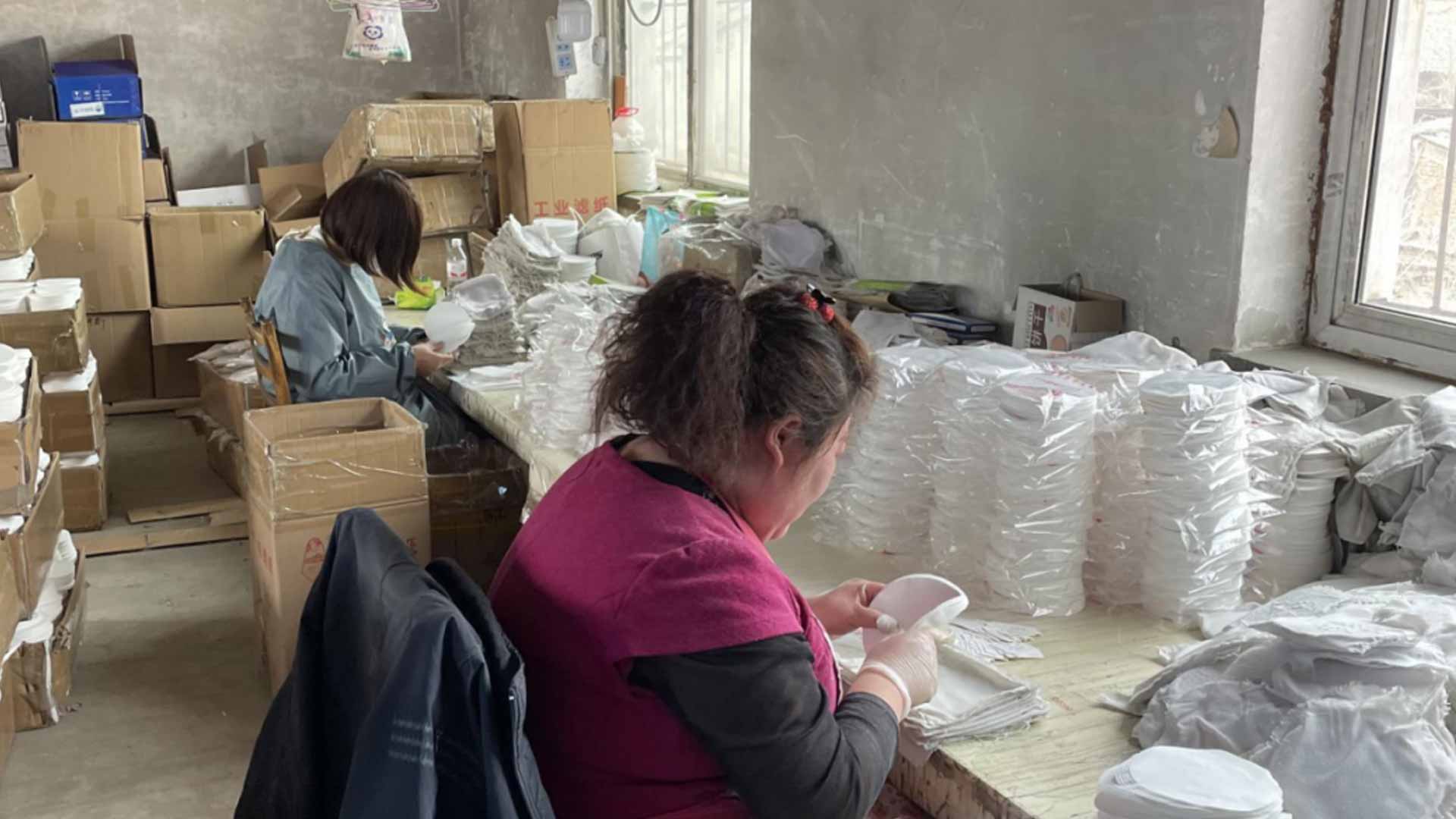
Desde el punto de vista de la producción, los papeles de filtro químicos no sólo se fabrican, sino que se controlan en múltiples etapas.
El factor más importante es la uniformidad de las fibras. Si las fibras de celulosa son inconsistentes, el rendimiento de la filtración variará incluso si las especificaciones parecen idénticas en el papel.
Durante la producción, varios puntos críticos determinan el desempeño final:
- Control de pureza de celulosa cruda y longitud de fibra
- Uniformidad de formación durante la producción de láminas
- Estabilidad de secado para evitar distorsiones estructurales
- Calibración posprocesamiento de espesor y densidad
- Inspección a nivel de lote para determinar la consistencia del flujo
En el uso en laboratorio, estas diferencias pueden no ser visibles, pero se vuelven muy notorias en condiciones de prueba repetidas.
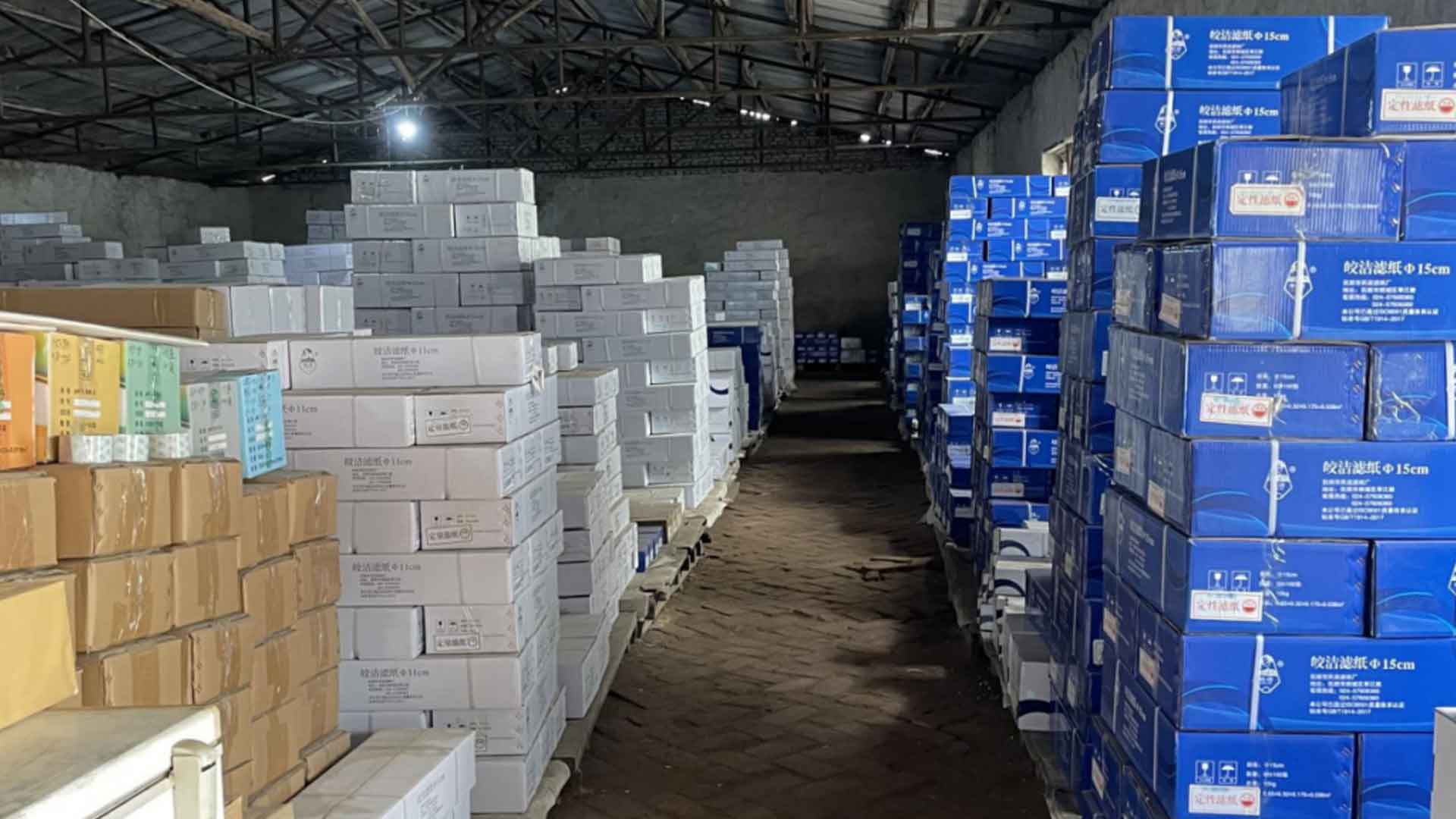
Consideraciones sobre el suministro a granel para operaciones de laboratorio
En operaciones continuas de laboratorio, los materiales de filtración no se tratan como consumibles aislados. Son parte de un sistema que requiere consistencia en el tiempo.
Cuando los laboratorios se abastecen papeles de filtro químico en cantidades mayores, la principal preocupación no es sólo la uniformidad dentro de un lote, sino también la coherencia entre los lotes.
Las variaciones en el caudal o el comportamiento de retención entre lotes pueden crear diferencias sutiles en los resultados experimentales. Esto es especialmente importante en entornos regulados donde se requiere repetibilidad.
Por esta razón, la estabilidad del suministro a largo plazo a menudo se vuelve más importante que las características individuales del producto.
Problemas comunes de filtración vistos en la práctica
La mayoría de los problemas de filtración siguen patrones predecibles.
La filtración lenta suele estar relacionada con un desajuste entre la carga de partículas y la densidad del papel.
La ruptura de partículas a menudo indica una capacidad de retención insuficiente.
La obstrucción generalmente resulta de muestras sin procesar o con alto contenido de sólidos.
En muchos casos, el problema no se resuelve cambiando el sistema, sino ajustando el grado de filtración o mejorando los pasos previos a la filtración.
Hacia dónde se dirige la tecnología de filtración

Mientras papeles de filtro químico si se siguen utilizando ampliamente, existe una clara tendencia hacia sistemas de filtración más especializados.
Los laboratorios buscan cada vez más materiales con un control de rendimiento más estricto, especialmente en entornos de análisis de alta precisión. Al mismo tiempo, se presta cada vez más atención a la consistencia y sostenibilidad de los materiales en los procesos de producción.
Otro cambio notable es la integración de la filtración en sistemas de laboratorio automatizados, donde la repetibilidad y la estandarización son más importantes que la flexibilidad manual.
Incluso con estos avances, los papeles de filtro químico continúan manteniendo su posición como material de laboratorio fundamental.
Conclusión
Químico papeles de filtro siguen siendo un componente central de los procesos de filtración industriales y de laboratorio porque proporcionan un equilibrio práctico entre simplicidad, estabilidad y control del rendimiento.
Su eficacia no está definida por la complejidad, sino por la coherencia, la fiabilidad de su rendimiento en aplicaciones repetidas y en distintos tipos de muestras.
Para los laboratorios, seleccionar el tipo correcto tiene menos que ver con la comparación de especificaciones y más con comprender el comportamiento del material dentro del flujo de trabajo real.
Desde una perspectiva de fabricación, mantener una estructura de fibra uniforme y un control de producción estable es lo que en última instancia determina el rendimiento en el mundo real.
A medida que los estándares de laboratorio continúan evolucionando, los papeles de filtro químico siguen siendo un punto de referencia confiable en los flujos de trabajo de filtración donde la repetibilidad y la claridad son esenciales.
Preguntas frecuentes
¿para qué se utilizan los papeles de filtro químico?
Los papeles de filtro químico se utilizan para separar partículas sólidas de líquidos en procesos de filtración industriales y de laboratorio, comúnmente en análisis químicos, pruebas ambientales y preparación de muestras.
¿Cuál es la diferencia entre papeles de filtro químicos cualitativos y cuantitativos?
Los papeles de filtro cualitativos se utilizan para tareas generales de filtración, mientras que los papeles de filtro cuantitativos (sin cenizas) están diseñados para trabajos analíticos precisos donde se requiere control de residuos y precisión de medición.
¿Cómo elijo el producto químico adecuado papel de filtro ¿calificación?
La selección depende del tamaño de partícula, la velocidad de filtración requerida y el tipo de aplicación. Los grados más rápidos se adaptan a muestras gruesas, mientras que los grados más lentos son mejores para partículas finas y separación precisa.
¿Se pueden utilizar papeles de filtro químico en pruebas de agua?
Sí, se utilizan ampliamente en pruebas ambientales y de agua para eliminar sólidos suspendidos y preparar muestras para análisis químicos o instrumentales adicionales.
¿Por qué es importante la coherencia de fabricación de los papeles de filtro químico?
La estructura de fibra consistente garantiza un rendimiento de filtración estable en todos los lotes, lo cual es fundamental para obtener resultados de laboratorio repetibles y una precisión analítica confiable.