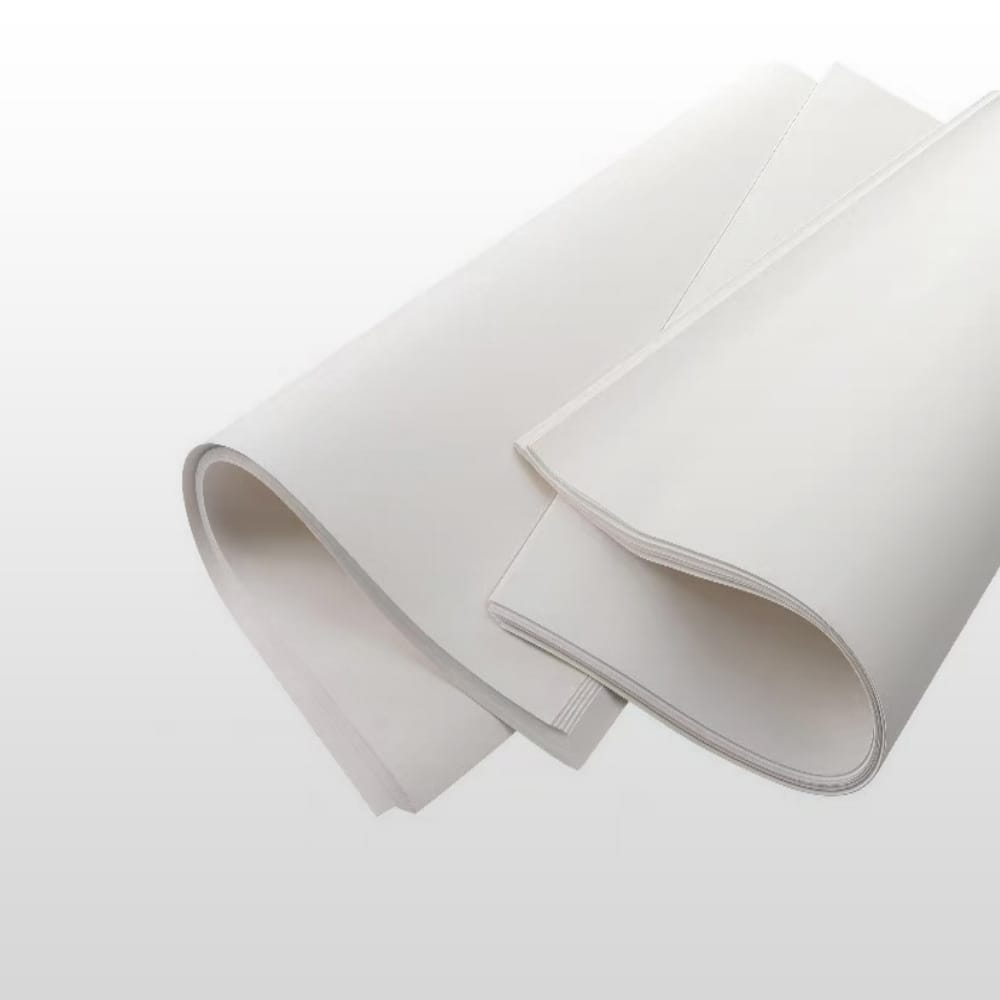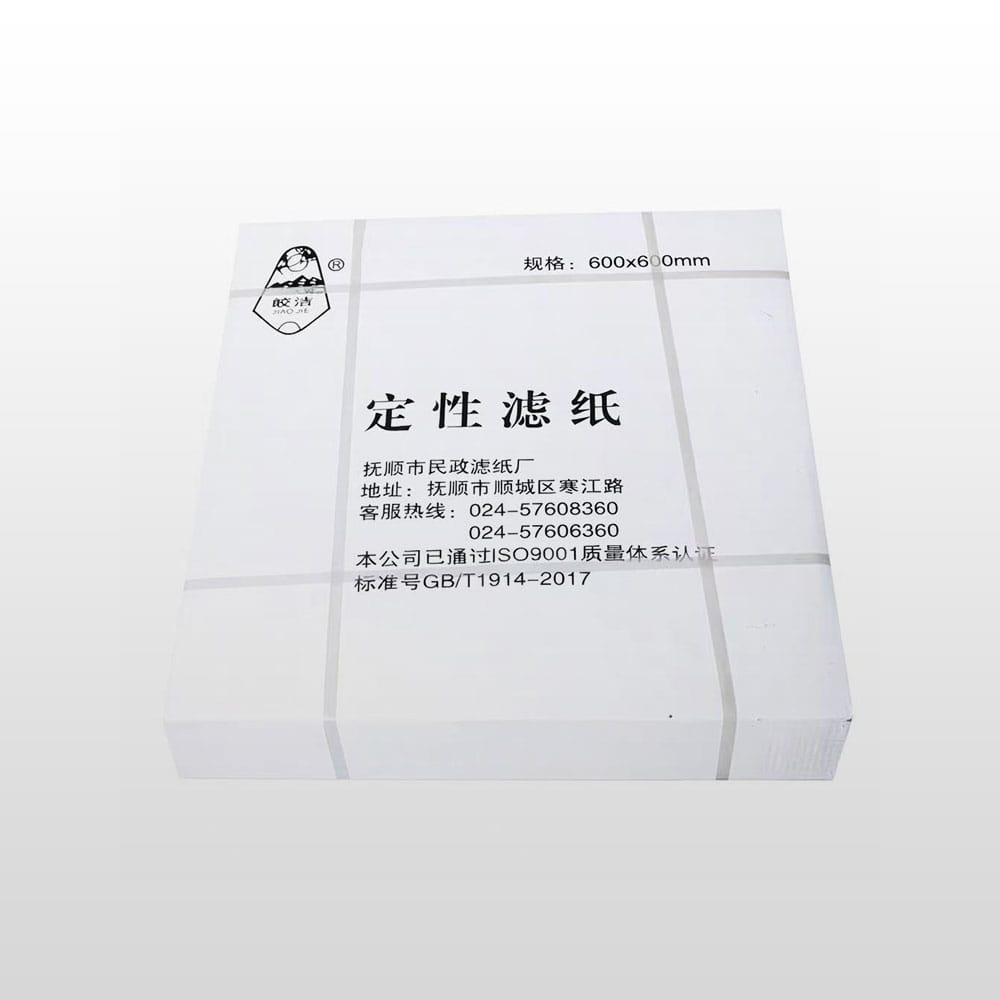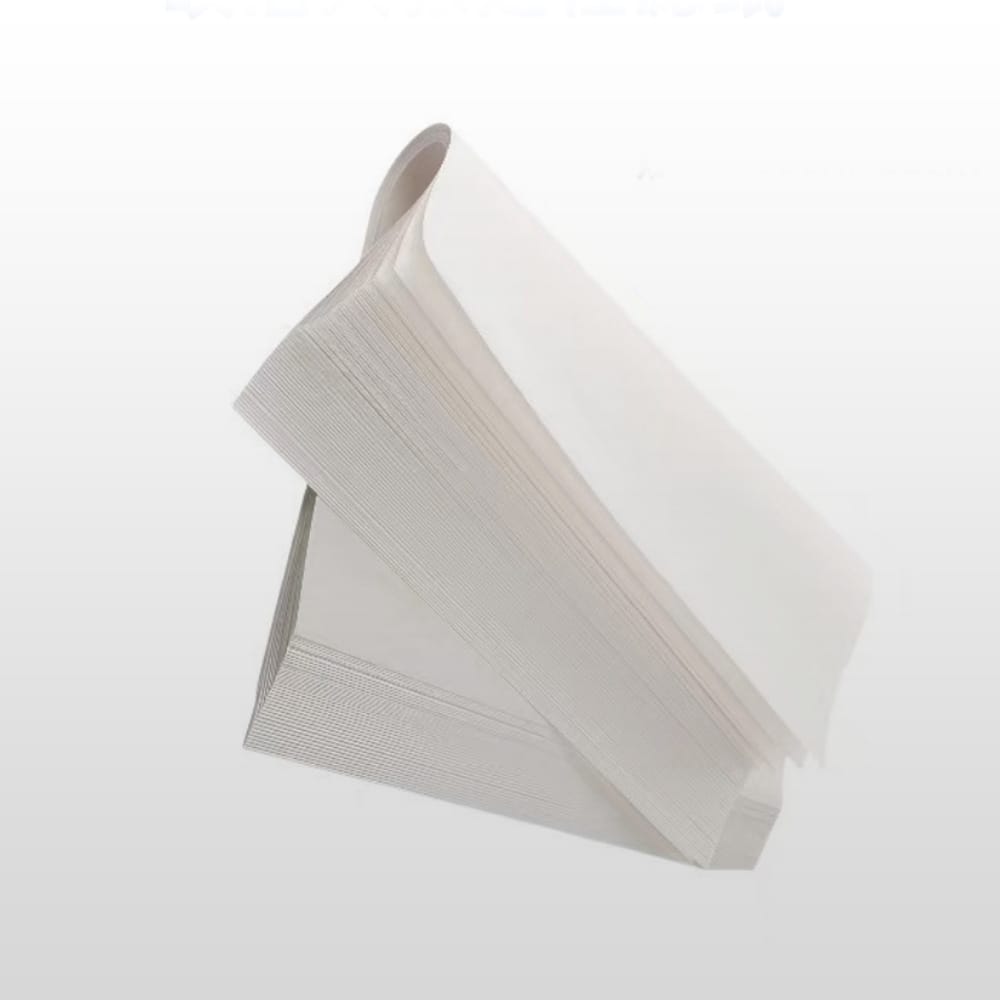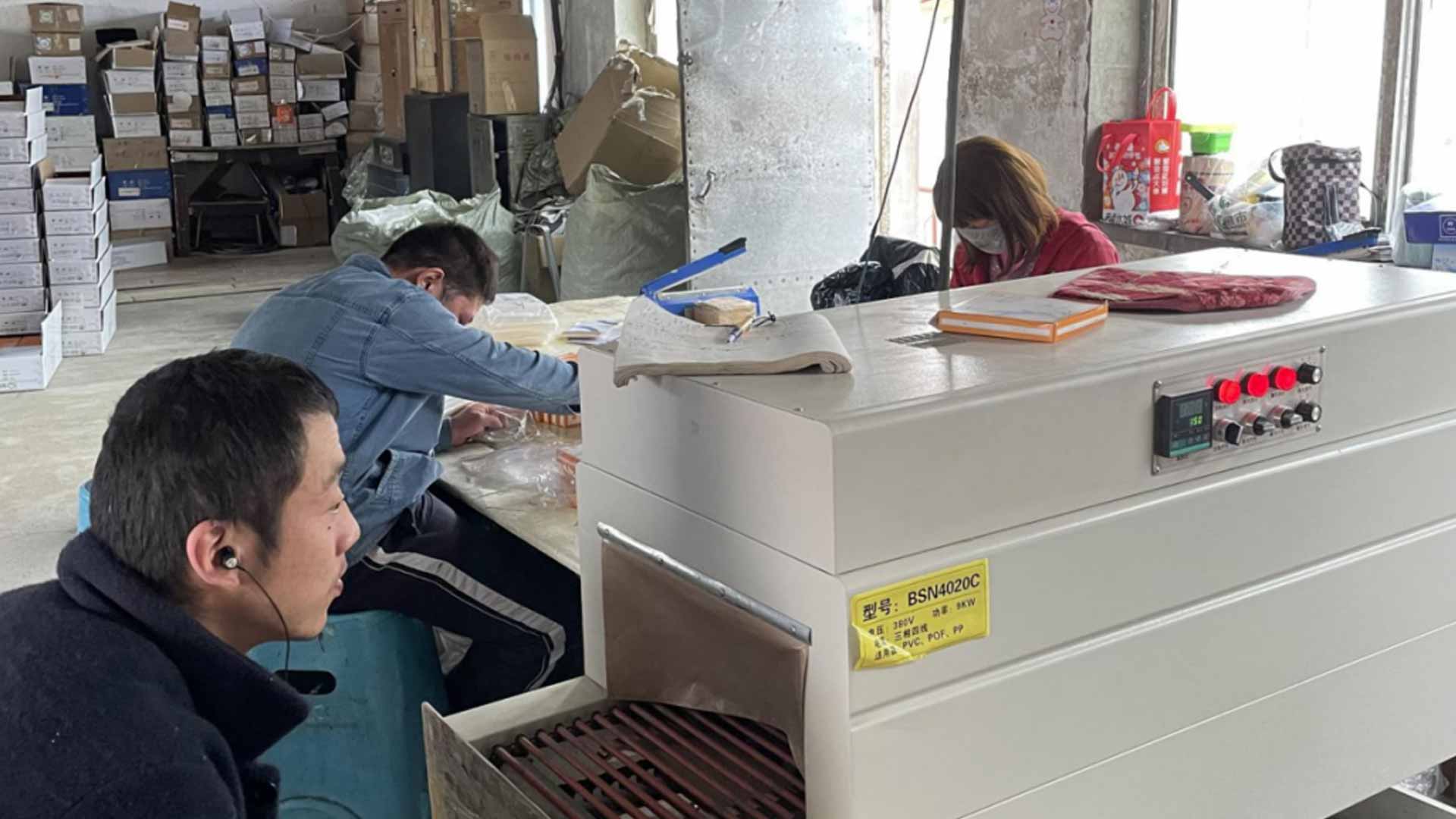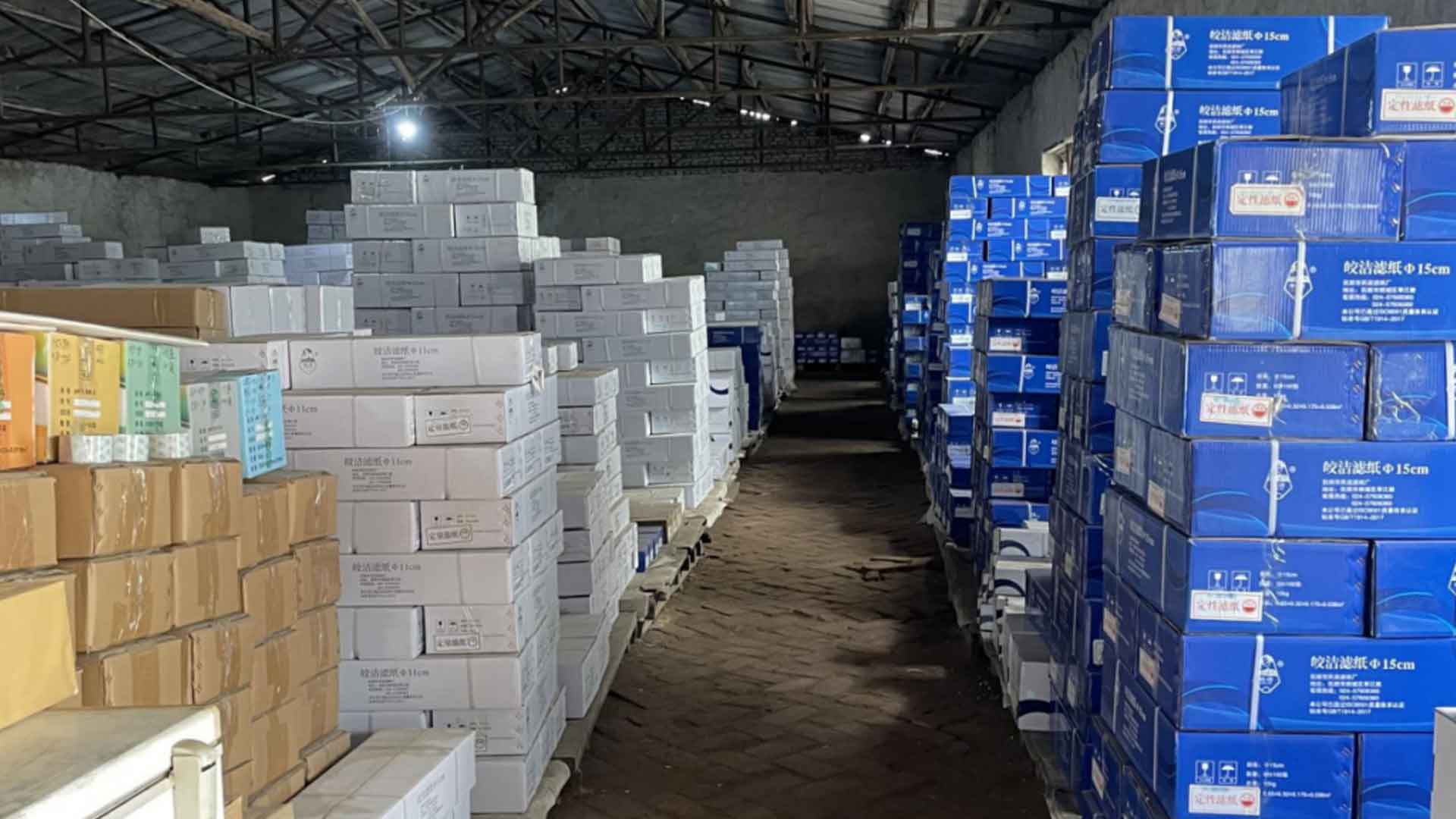

En aplicaciones industriales, los materiales filtrantes suelen subestimarse durante la fase inicial de selección. Sin embargo, en sistemas de operación a largo plazo y de producción continua, la diferencia entre el papel de filtro industrial y los medios filtrantes convencionales se hace muy evidente.
Desde el punto de vista de la materia prima, el papel de filtro industrial suele fabricarse con fibras de algodón de alta pureza o fibras cortas especializadas. Estas fibras contienen menos impurezas y forman una estructura porosa más uniforme, lo que garantiza un rendimiento de filtración estable. Por el contrario, el papel común o los materiales de filtro de baja calidad pueden contener pulpa de madera o fibras recicladas, lo que resulta en un mayor contenido de cenizas y una filtración inconsistente.
El proceso de fabricación es otra diferencia clave. El papel de filtro industrial requiere un control estricto de la dispersión de las fibras, la desviación del gramaje, la resistencia a la humedad y la uniformidad de la hoja. El uso de equipos especializados para la fabricación de papel y el control del proceso son esenciales. Sin embargo, los materiales de filtro convencionales suelen producirse priorizando el coste y la producción en lugar de la precisión de la filtración.
En aplicaciones prácticas, como la filtración de aceite de transformador o lubricante, el papel de filtro industrial ofrece una mayor vida útil, un rendimiento estable y un menor riesgo de contaminación secundaria. En muchos casos, su vida útil es más del doble que la del papel de filtro de aceite convencional.
Para equipos de alto valor y ciclos operativos largos, el papel de filtro industrial no es un costo adicional: es una forma práctica de reducir los gastos totales de mantenimiento.