Оглавление
Введение
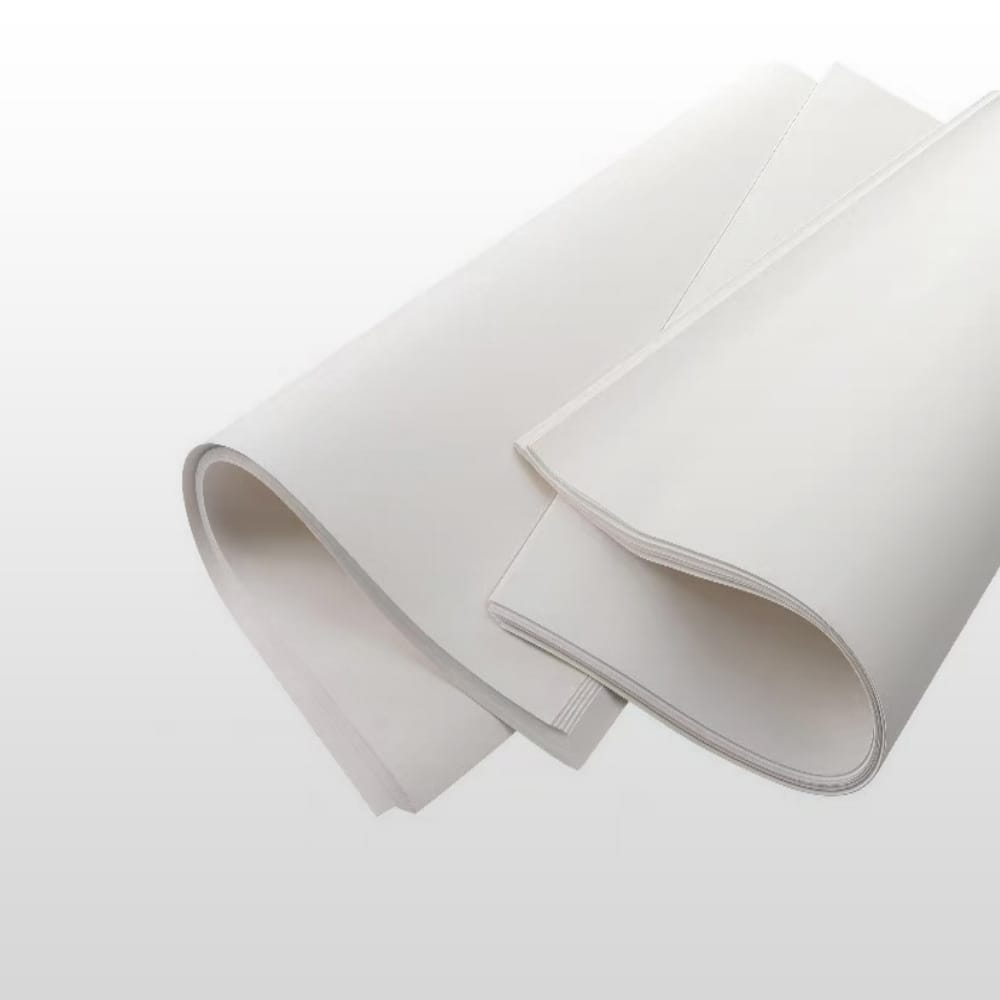
Фильтровальная бумага является фундаментальным инструментом в лабораториях и промышленных условиях, предназначен для эффективного отделения твердых веществ от жидкостей Как производитель высококачественной фильтровальной бумаги, мы понимаем важность использования правильного типа для конкретных применений. будь то химические эксперименты, испытания воды или промышленная фильтрация, понимание функции фильтровальной бумаги имеет важное значение для достижения точных и надежных результатов.
Фильтровальные бумаги развивались в течение многих лет, чтобы удовлетворить разнообразные лабораторные и промышленные потребности Сегодня они варьируются от простых качественных типов, используемых в классных экспериментах, до продвинутых беззольных и специальных работ для точного количественного анализа Знание истории, состава и назначения фильтровальной бумаги помогает специалистам лабораторий и промышленным пользователям выбирать лучший продукт для своей работы.
Основная функция фильтровальной бумаги
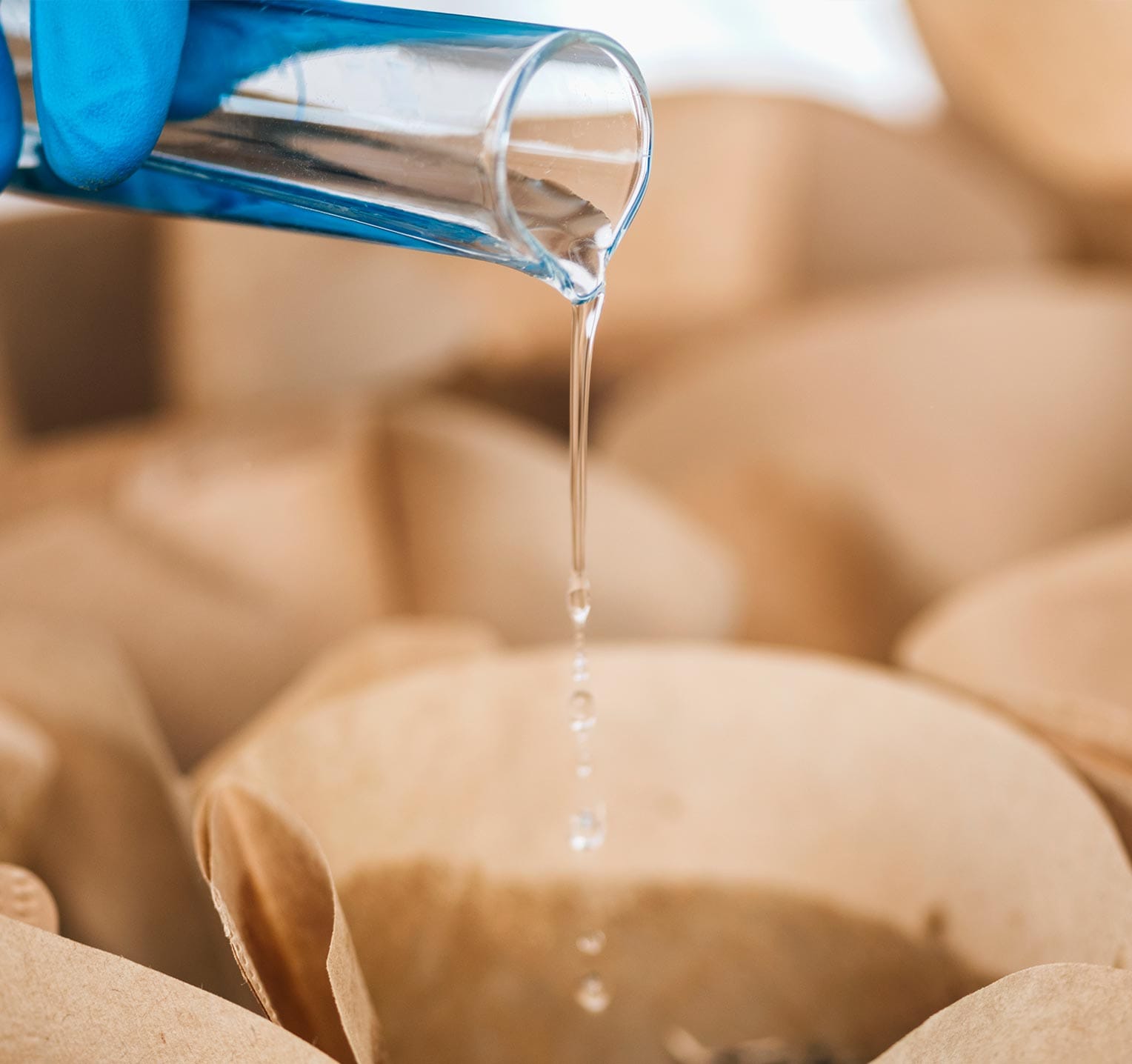
Основная функция фильтровальной бумаги - действовать как барьер, который удерживает твердые частицы, позволяя жидкостям проходить через него. Этот процесс фильтрации имеет решающее значение для очистки жидкостей, осветления растворов и подготовки образцов для дальнейшего анализа.
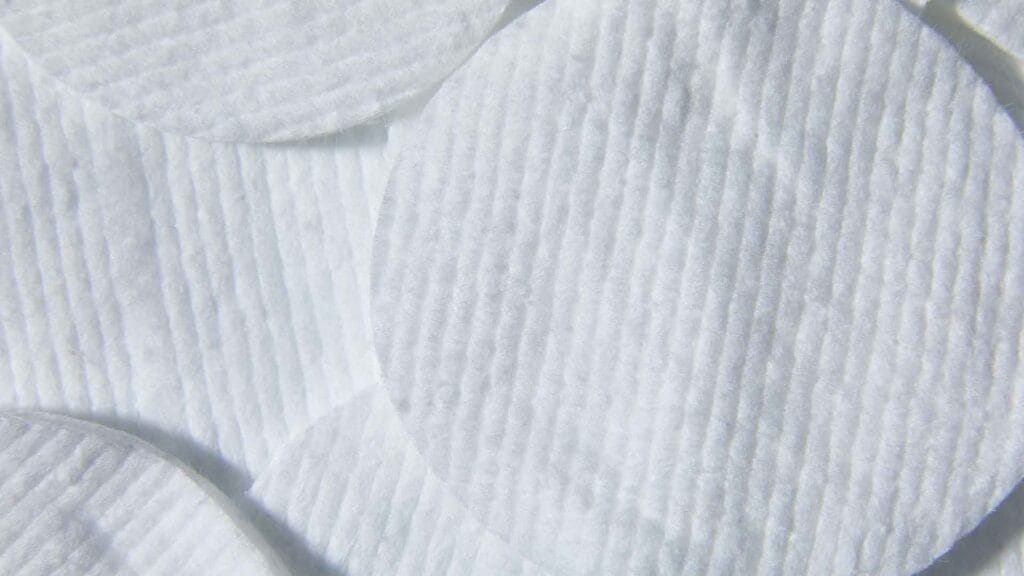
Фильтровальная бумага функционирует в зависимости от размера пор и состава волокон. Меньшие поры позволяют более тонкое удержание частиц, что важно в количественных лабораторных экспериментах. Эффективность фильтрации зависит от правильного сочетания типа фильтровальной бумаги и предполагаемого применения.
В общем, фильтровальная бумага служит трем основным целям:
- Отделение твердых веществ от жидкостей
- Удержание частиц определенного размера
- Обеспечение стабильных результатов лабораторных исследований
Виды фильтровальной бумаги и их функции
Различные типы фильтровальной бумаги предназначены для различных применений. понимание каждого типа помогает выбрать подходящую бумагу для лабораторного или промышленного использования.
Качественная функция фильтровальной бумаги
- Используется для рутинного анализа, когда точные измерения не требуются
- Подходит для мониторинга реакций, осветления проб и базовой фильтрации
Количественная функция фильтровальной бумаги
- Высокоочищенный и стабильный по массе и зольности
- Идеально подходит для гравиметрического анализа и количественных лабораторных экспериментов
Бесзольная функция фильтрации бумаги
- Содержит минимальное количество неорганических остатков после сжигания
- Рекомендуется для химического анализа, когда микроэлементы могут повлиять на результаты
Специальные фильтровальные бумаги для промышленного использования
- Предназначен для фильтрации в больших объемах или с высокой эффективностью
- Используется в пищевой, напиточной и фармацевтической промышленности
Типы и ключевые характеристики фильтровальной бумаги
| Тип фильтровальной бумаги | Размер пор (мкм) | Основная функция | Типичное применение |
|---|---|---|---|
| Качественный 1 класс | 11 | Общая фильтрация | Обычные лабораторные эксперименты |
| Количественный Ashless | 2 — 2 | Точное удержание частиц | Гравиметрический и химический анализ |
| Специальность Промышленный | 0.520. | Высокоэффективное разделение | Еда, напитки и фармацевтика |
| Грубая фильтровальная бумага | 20 — 20 — 20 — 20 — 20 (75) | Быстрая фильтрация крупных частиц | Осветление проб, лаборатории сточных вод |
Ключевые приложения Фильтр Бумага Функция в лабораториях
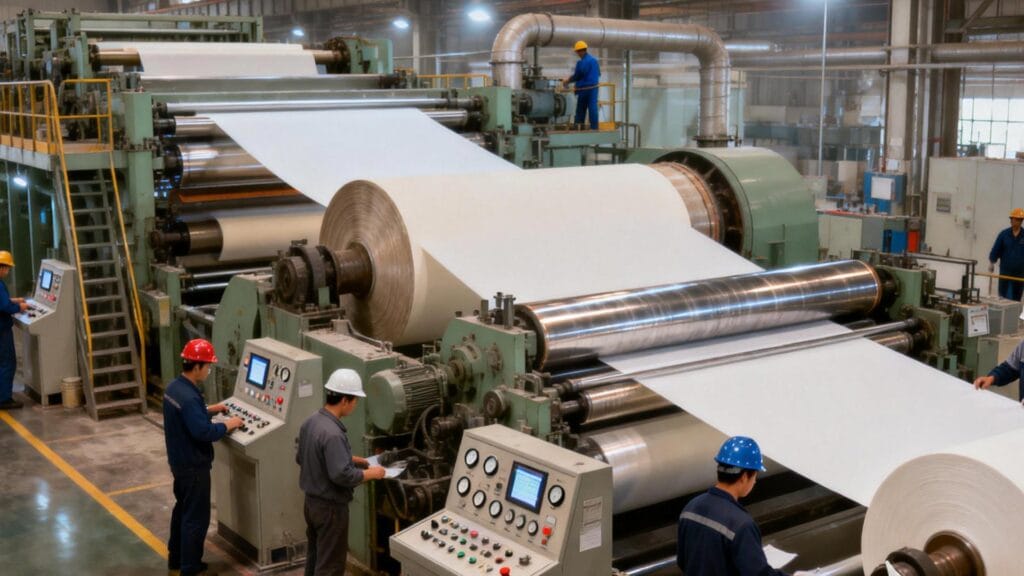
Фильтровальная бумага используется в широком спектре лабораторных экспериментов:
Химические эксперименты — для разделения осадков, уточнения и проведения гравиметрического анализа.
Фильтрация воды и сточных вод — примеси, отложения и взвешенные частицы для точного тестирования.
Тестирование продуктов питания и напитков uns обеспечение безопасности, качества и соответствия продукции отраслевым стандартам.
Фармацевтическое и клиническое лабораторное использование isolating recolutions, очищающие и поддерживающие точные аналитические испытания.
Выбор правильной фильтровальной бумаги в зависимости от функции
Выбор правого фильтровальная бумага крайне важно для получения точных результатов Ключевые факторы, которые следует учитывать, включают
- Размер пор: Определяет способность удерживать частицы
- Толщина: Влияет на скорость и производительность фильтрации
- Материал: Влияет на химическую совместимость и прочность
К распространенным ошибкам относится использование качественной бумаги для количественного анализа или выбор бумаги с неподходящим размером пор. Понимание вашего эксперимента или промышленного применения гарантирует правильный выбор.
Поддержание оптимальной производительности фильтровальной бумаги
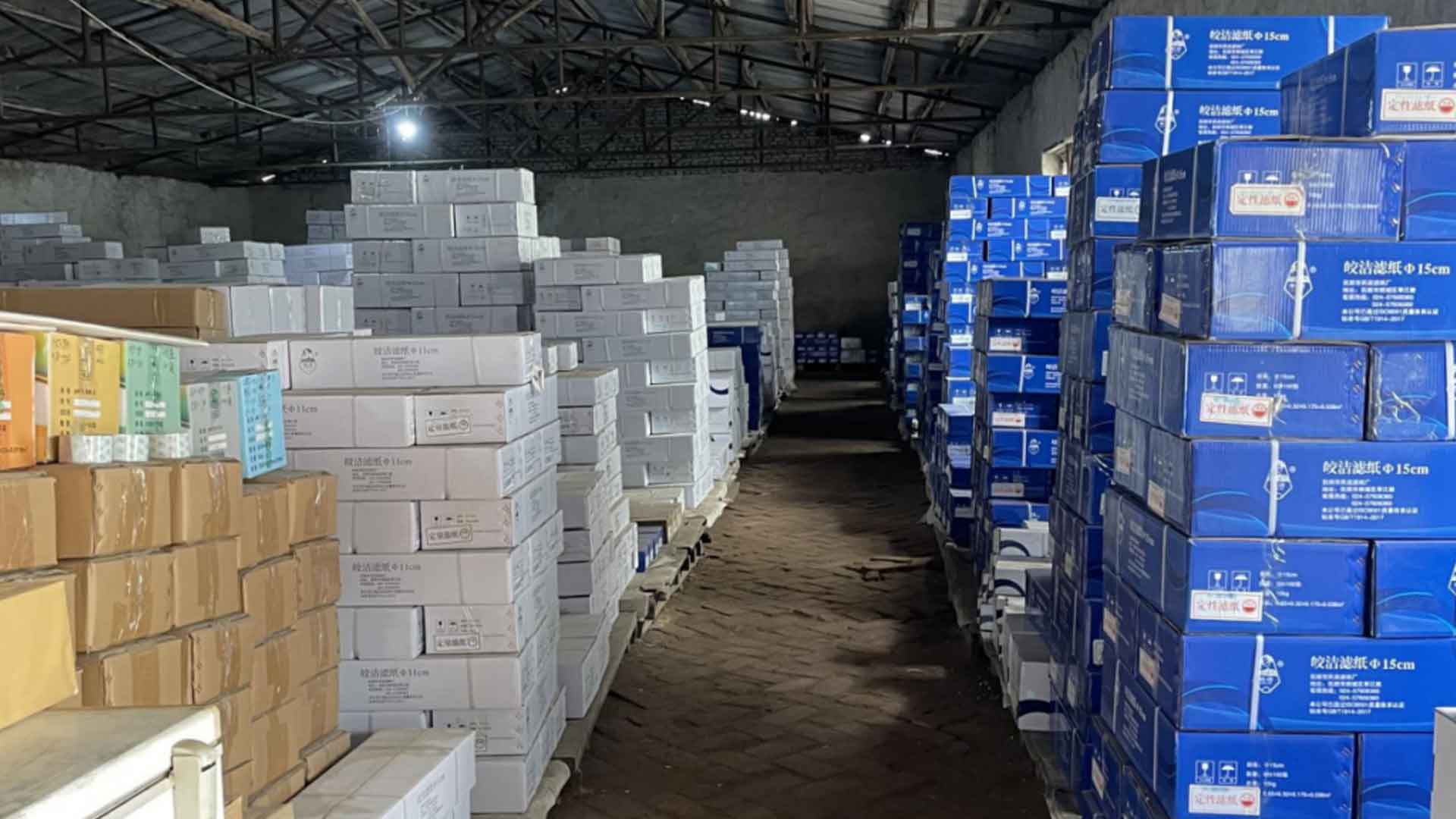
Правильное обращение и хранение максимизируют производительность фильтровальной бумаги:
- Храните бумаги в сухой и чистой среде
- Избегайте прикосновения к поверхностям, контактирующим с жидкостями, чтобы предотвратить загрязнение
- Утилизируйте использованную бумагу правильно; некоторые типы могут быть многоразовыми в зависимости от применения
Регулярная проверка вашего инвентаря обеспечивает последовательность и надежность экспериментов или промышленных процессов.
Промышленное и коммерческое применение функции фильтровальной бумаги
Фильтровальная бумага не ограничивается лабораторным использованием. к промышленным применениям относятся
- Фильтрация продуктов питания и напитков Соки для удаления примесей, масла и другие жидкости
- Фармацевтическое производство – Разделительные соединения и уточняющие решения
- Экологическое тестирование анализ качества воды и загрязняющих веществ
Выбор правильной фильтровальной бумаги промышленного класса обеспечивает эффективность и минимизирует эксплуатационные расходы.
Инновации и тенденции в фильтровальной бумаге
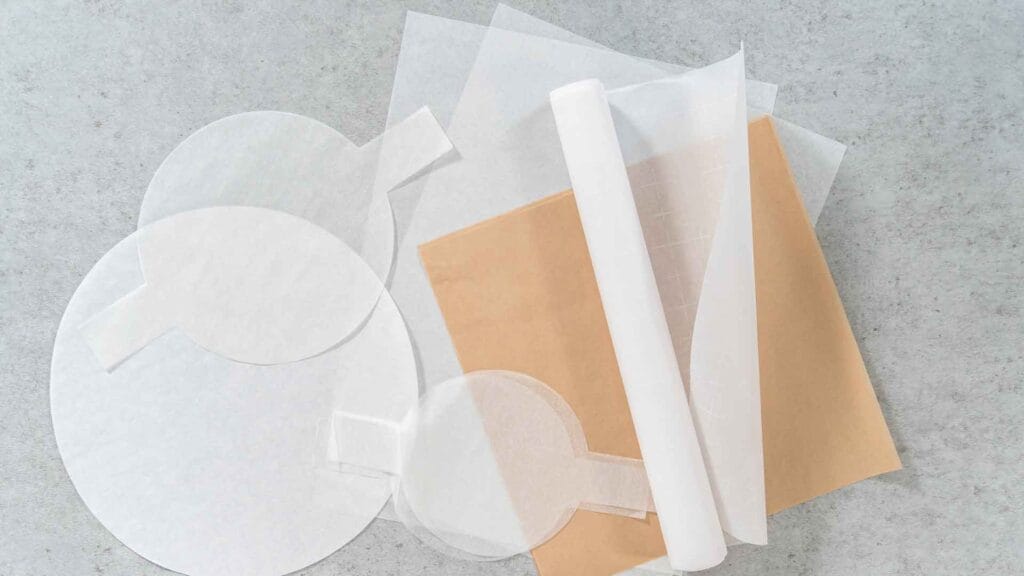
Отрасль развивается благодаря технологическим достижениям:
- Экологичный Фильтр Бумаги — варианты, подлежащие разложению и устойчивому использованию
- Высокоэффективные лабораторные документы Лучше удерживать и быстрее фильтровать
- Специализированные промышленные документы Custom для определенных размеров частиц и химической стойкости
Производители постоянно совершенствуют материалы и конструкции, чтобы они соответствовали современным лабораторным и промышленным требованиям.
Заключение
Понимание фильтровальная бумага функция имеет важное значение как для лабораторных, так и для промышленных применений. выбор правильного типа обеспечивает точные результаты, повышает эффективность и снижает эксплуатационные ошибки. как производитель, мы предоставляем высококачественную фильтровальную бумагу, предназначенную для удовлетворения разнообразных потребностей лабораторий и промышленных пользователей. выбрав правильную фильтровальную бумагу и правильно ее нанеся, вы можете обеспечить надежную фильтрацию, стабильные результаты и оптимальную производительность в каждом приложении.
Часто задаваемые вопросы
В чем разница между количественной и качественной фильтровальной бумагой?
Количественная фильтровальная бумага имеет высокую степень очистки и согласованность для точных измерений, а качественная бумага используется для рутинной фильтрации.
Чем функция беззольной фильтровальной бумаги отличается от стандартной фильтровальной бумаги?
Беззольная фильтровальная бумага оставляет минимальное количество остатков, предотвращая загрязнение при чувствительных химических анализах.
Может фильтровальная бумага быть повторно использован безопасно?
В зависимости от применения некоторые статьи можно использовать повторно, но для точности большинства лабораторных экспериментов требуется свежая бумага.
Какая фильтровальная бумага лучше всего подходит для тестирования воды?
Бумаги с мелкими размерами пор (2 11 2 мкм) идеально подходят для удержания взвешенных частиц и обеспечивают надежные результаты.
Как максимизировать эффективность фильтрации с помощью фильтровальной бумаги?
Выберите правильный тип, соблюдайте правильное хранение и избегайте перегрузки бумаги твердыми веществами.