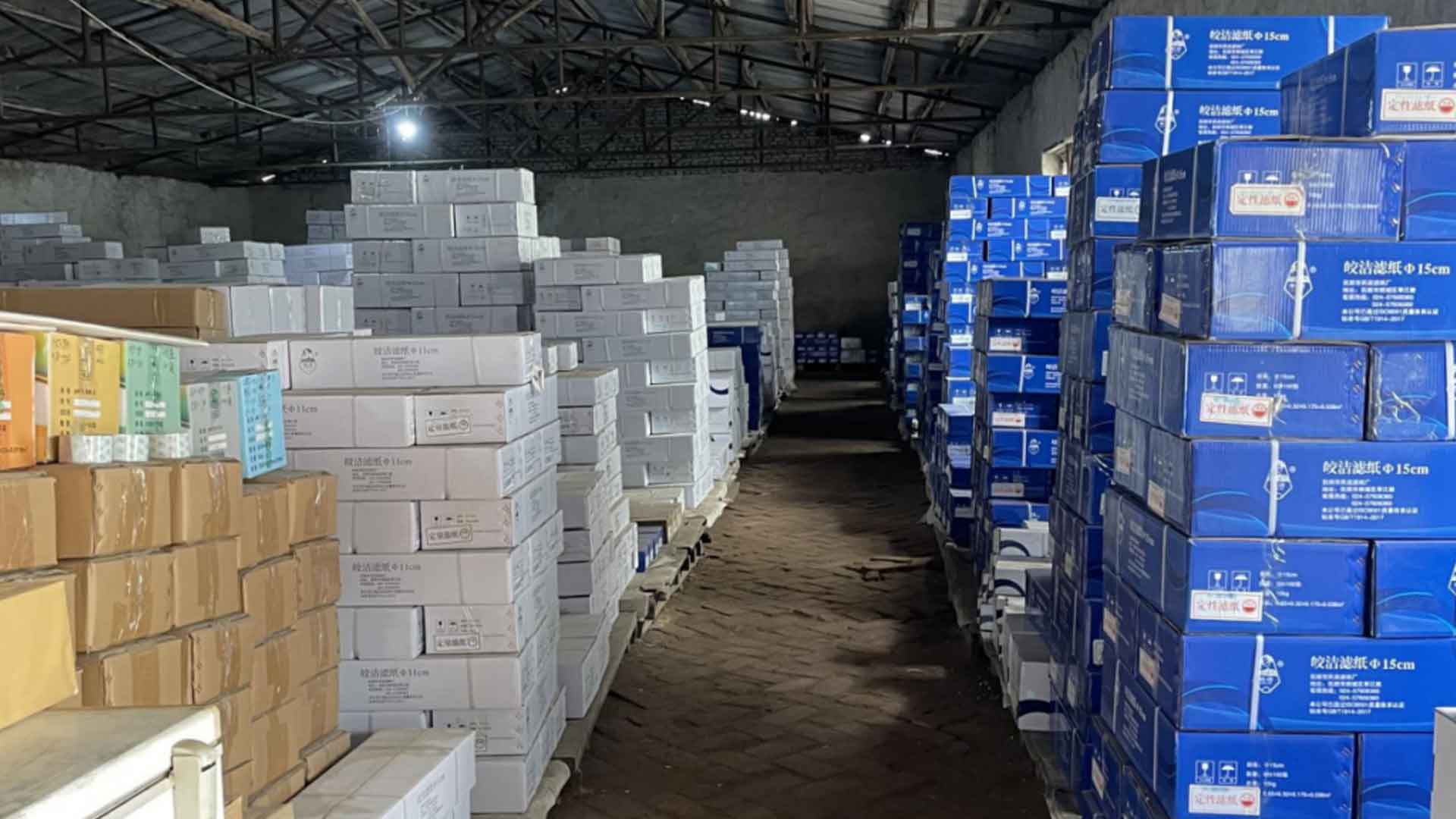
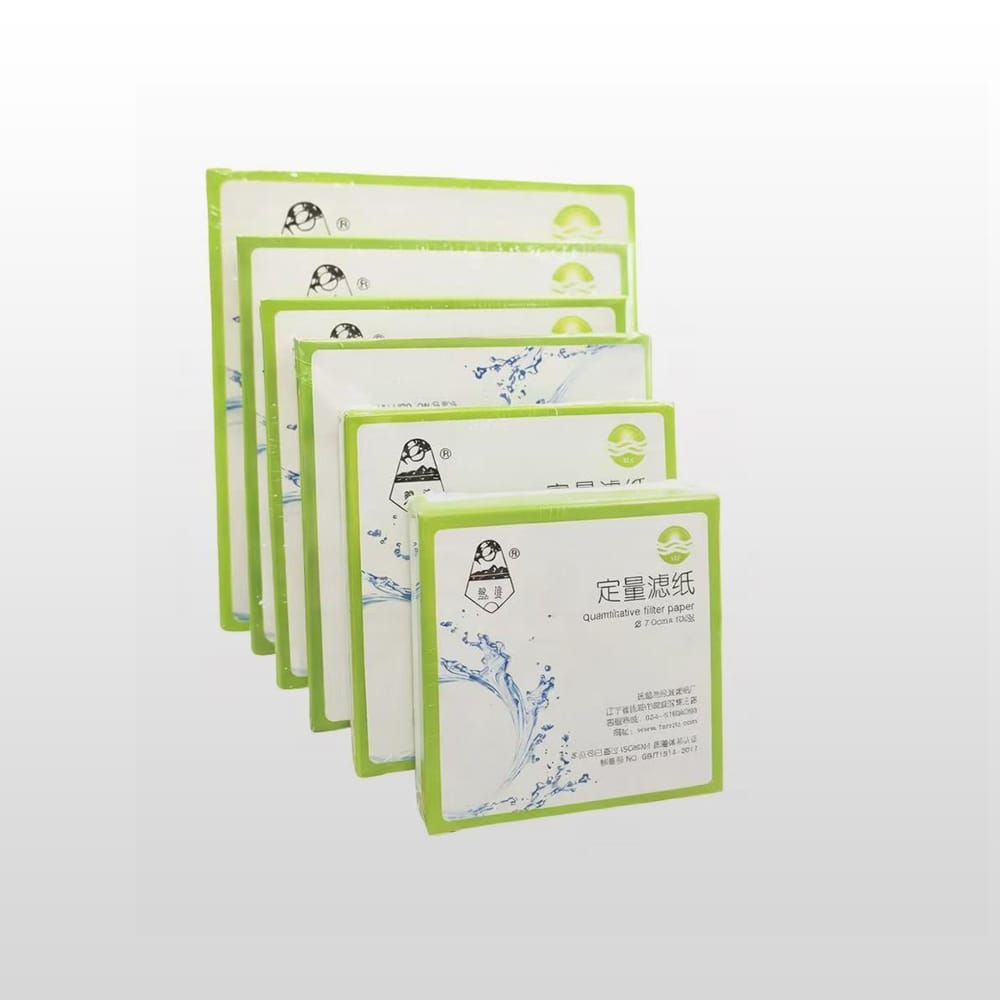
В гравиметрическом анализе на результат лаборатории можно повлиять задолго до заключительного этапа взвешивания. Осадок может быть хорошо сформирован, баланс может быть откалиброван, и процесс сушки может контролироваться, но результат все равно может дрейфовать, если фильтрующая среда не подходит.
Вот почему количественная фильтровальная бумага для гравиметрического анализа является больше, чем лабораторный расходный материал, Это часть измерительной системы.
Когда целью эксперимента является разделение, сбор, сушка, воспламенение или взвешивание осадка, фильтровальная бумага должна поддерживать точность, а не становиться источником загрязнения, потери пробы, медленной фильтрации, разрыва или непредсказуемого остатка золы. В практической лабораторной работе неправильная бумага может превратить технически правильную процедуру в ненадежный результат.
В этом руководстве объясняется, как выбрать количественную фильтровальную бумагу для гравиметрического анализа, чем она отличается от качественной бумаги, какие технические факторы имеют наибольшее значение и что покупатели должны подтвердить перед заказом лабораторной фильтровальной бумаги оптом.
Для спецификаций продукта вы можете просмотреть наши фильтровальная бумага для количественного анализа или просмотрите наш полный текст ассортимент продукции из фильтровальной бумаги.
Оглавление
Почему количественная фильтровальная бумага имеет значение при гравиметрическом анализе
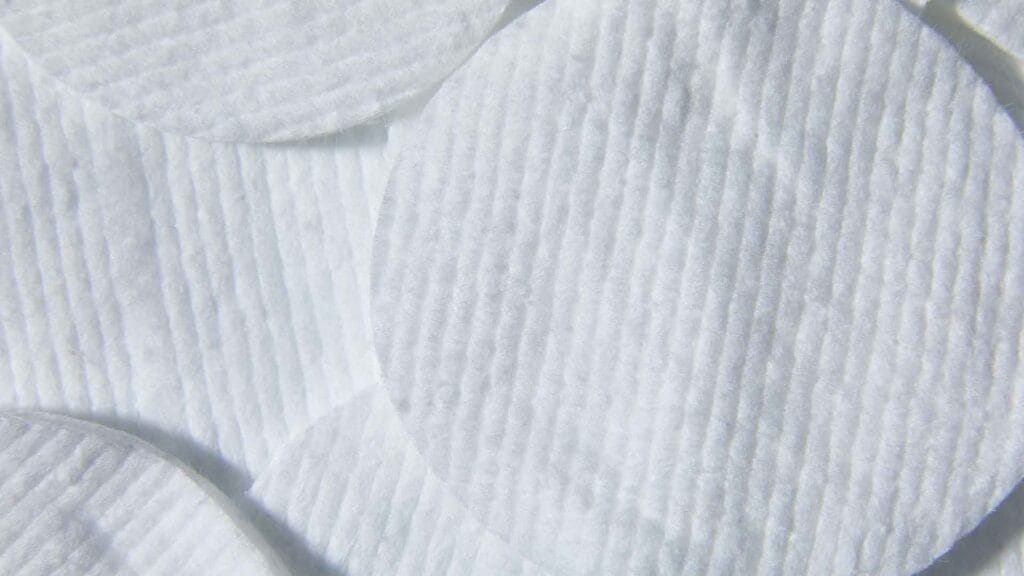
Гравиметрический анализ зависит от измерения массы. во многих процедурах вещество превращается в твердый осадок, отделяется от жидкости, промывается, сушится и взвешивается. если осадок теряется во время фильтрации или загрязняется остатком бумаги, конечный результат становится менее надежным.
Подходящая количественная фильтровальная бумага помогает лаборатории:
- Удерживайте целевой осадок более последовательно
- Уменьшите нежелательный остаток после воспламенения
- Поддержите разделение фильтрата очистителя
- Поддерживайте структуру во время стирки и переноса
- Улучшите повторяемость между тестами
- Уменьшите неопределенность, вызванную бумажными примесями
- Соответствуйте скорости фильтрации размеру осадка и рабочему процессу
Для лабораторий, работающих в контролируемых системах качества, выбор фильтровальной бумаги - это не только вопрос удобства. Он напрямую поддерживает надежность метода. Стандарты, такие как АСТМ Е832 адресуйте лабораторные фильтровальные бумаги, используемые в химическом анализе, и классифицируйте их по типу анализа, скорости потока и поведению фильтрации осадка.
Количественная фильтровальная бумага по сравнению с качественной фильтровальной
Многие ошибки покупки происходят, потому что количественные и качественные фильтровальные бумаги выглядят одинаково Оба обычно круглые или листовые целлюлозные фильтровальные бумаги, и оба используются для разделения твердого тела и жидкости, Однако их цели различны.
Качественная фильтровальная бумага в основном используется, когда целью является идентификация веществ, осветление жидкостей или разделение взвешенных твердых веществ без взвешивания удерживаемого материала в рамках точного расчета массы.
Количественная фильтровальная бумага используется, когда необходимо контролировать собственный остаток бумаги, поскольку оставшийся осадок или остаток можно взвесить, воспламенить или использовать для дальнейшего аналитического измерения.
| Точка сравнения | Количественная фильтровальная бумага | Качественная фильтровальная бумага |
|---|---|---|
| Основное назначение | Гравиметрический анализ и точная лабораторная фильтрация | Общая лабораторная фильтрация и качественное тестирование |
| Требование золы | Важное значение имеет более низкий зольный остаток | Содержание золы менее критично |
| Типичная забота | Точность, чистота, сохранение, повторяемость | Скорость, ясность, рутинное разделение |
| Лучший вариант использования | Сбор осадка, аналитическая подготовка проб | Общие разъяснения, учебные лаборатории, рутинная фильтрация |
| Приоритет покупателя | Низкий уровень золы, однородная структура, контролируемая производительность | Практическая скорость и общая способность к разделению |
Когда тест включает взвешивание остатков, использование качественной бумаги вместо количественной бумаги может привести к ненужной ошибке. Когда тест требует только рутинного разделения, количественная бумага не всегда может быть необходима.
Хорошее решение о покупке начинается с цели эксперимента, а не только с диаметра бумаги.
Скрытые источники ошибок при гравиметрической фильтрации
Гравиметрический тест может пройти спокойно. бумага может не порваться. фильтрат может выглядеть приемлемым. результат может даже показаться разумным. но небольшие ошибки все равно могут накапливаться.
К числу распространенных источников ошибок, связанных с фильтрацией, относятся
Зольные остатки с бумаги
Если фильтровальная бумага после прокаливания оставляет неорганические остатки, этот остаток может влиять на измеренную массу.
Мелкий осадок, проходящий через бумагу
Если удержание бумаги слишком открыто для осадка, часть аналита может попасть в фильтрат.
Медленный поток, вызывающий плохую стирку
Если фильтрация происходит слишком медленно, операторы могут ускорить промывку или потревожить осадок.
Слабая влажная прочность
Бумага, которая чрезмерно размягчается, может порваться во время стирки, переноса или обращения.
Обезвоживание волокна
Рыхлые волокна могут загрязнять фильтрат или смешиваться с осадком.
Неправильный диаметр бумаги
Плохо подогнанная бумага может привести к обходу, переливанию, сгибанию краев или потере образца.
Несогласованные партии
Даже если один тест работает хорошо, нестабильное качество бумаги может повлиять на повторяемость разных партий.
Именно из-за этих проблем лаборатории должны оценивать количественную фильтровальную бумагу для гравиметрического анализа по характеристикам, а не только по внешнему виду.
Как выбрать правильную количественную фильтровальную бумагу для гравиметрического анализа
Лучшая фильтровальная бумага не всегда является самым медленным, толстым или самым дорогим вариантом. правильный выбор зависит от осадка, жидкости, метода фильтрации и последующего анализа.
Начните с типа осадок
Осадки ведут себя по-разному при фильтрации.
Крупные кристаллические осадки обычно легче удерживать и могут позволить более быструю фильтрацию. Мелкие осадки нуждаются в более плотном удержании. желатиновые осадки могут быстро закупорить бумагу и могут потребовать баланса между удержанием и текучестью. если бумага слишком плотная, эксперимент становится медленным. Если она слишком открыта, осадок может пройти.
Прежде чем выбрать сорт, определите, является ли осадок:
- Крупно - и кристаллический
- Тонкий и порошкообразный
- Желатиновый или трудно стираемый
- Плотный и быстро расселяющийся
- Легко диспергируется во время стирки
- Чувствителен к обращению или передаче
Эта информация часто более полезна, чем запрос только для общего “lab фильтровальная бумага.”
Соответствуйте скорость фильтрации рабочему процессу
Количественную фильтровальную бумагу обычно выбирают по скорости фильтрации: быстрой, средней или медленной.
Бумага для быстрой фильтрации подходит, когда частицы крупнее и их легко удерживать. бумага для фильтрации среды является сбалансированным выбором для многих рутинных аналитических процедур. бумага для медленной фильтрации используется, когда удержание мелких частиц важнее скорости.
Однако скорость фильтрации никогда не следует рассматривать отдельно Быстрая бумага, которая теряет мелкий осадок, не эффективна Медленная бумага, которая создает узкие места в ежедневных испытаниях, также не идеальна.
Наш фильтровальная бумага для количественного анализа включает различные варианты скорости фильтрации и общие диаметры для различных лабораторных нужд.
Проверьте требования к содержанию золы
Содержание золы является одной из важнейших причин выбора количественной фильтровальной бумаги для гравиметрического анализа В гравиметрической работе бумага может воспламениться после фильтрации Если бумага оставляет слишком много остатков, это может повлиять на конечную массу.
Малозольная бумага помогает снизить этот риск. Некоторые ссылки на аналитическую химию отмечают, что количественная фильтровальная бумага обычно выбирается из-за низкой зольности в количественной работе.
Для покупки ключевой вопрос не только “Isit quantitative filter paper?” но и “Какое поведение золы ожидается для моего метода?”
Рассмотрим влажную силу
Во время гравиметрического анализа фильтровальная бумага может подвергаться воздействию жидкости в течение длительного периода. Также может потребоваться поддержка промывки, переноса осадка или осторожного обращения.
Влажная прочность имеет значение, когда
- Осадок тяжелый
- Этапы стирки повторяются
- Бумага используется с помощью вакуума
- Жидкость быстро ослабляет обычную бумагу
- Оператору необходимо перенести бумагу и выпасть в осадок
- Для испытания требуется стабильная форма бумаги после смачивания
Бумага с плохой прочностью во влажном состоянии может порваться в худший момент после того, как образец уже собран.
Выберите Правильный Диаметр
Диаметр фильтровальной бумаги должен соответствовать воронке или фильтрующему оборудованию. слишком маленькая бумага может позволить обходить бумагу. слишком большая бумага может плохо складываться, создавать неравномерный поток или отходы.
Общие диаметры для лабораторного использования включают 7 см, 9 см, 11 см, 12,5 см, 15 см и 18 см. Перед заказом покупатели должны подтвердить размер воронки, объем пробы, нагрузку осадка и предпочтения упаковки.
Чтобы получить соответствующие советы по выбору лаборатории, прочтите наш руководство по выбору лучшей фильтровальной бумаги для лабораторных экспериментов.
Матрица выбора для покупателей лабораторий

| Лабораторная ситуация | Основной риск | Рекомендуемый приоритет |
|---|---|---|
| Мелкий сбор осадка | Образец проходит через бумагу | Более медленная фильтрация и лучшее удержание |
| Рутинный гравиметрический анализ | Баланс между временем и точностью | Средняя скорость фильтрации и стабильное поведение золы |
| Большой объем образца | Длительное время фильтрации | Подходящий диаметр и контролируемый расход |
| Повторное мытье | Размягчение или разрыв бумаги | Сильная влажная прочность |
| Воспламенение после фильтрации | Остаток золы влияет на массу | Низкозольная количественная бумага |
| Нестабильные результаты между партиями | Плохая повторяемость | Последовательное производство и контроль качества |
| Только обучение или рутинное разъяснение | Чрезмерная спецификация | Качественной бумаги может хватить |
| Промышленная лаборатория QC | Давление тестирования ежедневного повтора | Надежная согласованность партии и производственно-сбытовая способность |
Эту матрицу следует использовать в качестве отправной точки. для высокоточных процедур рекомендуется тестирование проб в реальных лабораторных условиях перед оптовой закупкой.
Практический пример: когда более быстрая фильтровальная бумага обеспечивает более низкую точность
Представьте себе лабораторию, выполняющую гравиметрический анализ мелкого осадка Команда хочет сократить время фильтрации, поэтому они переходят с более медленной количественной фильтровальной бумаги на более быструю с более открытой структурой.
Сначала рабочий процесс улучшается Фильтрация заканчивается раньше, и операторы довольны скоростью Но после нескольких прогонов результаты начинают показывать вариации Фильтрат в некоторых образцах выглядит слегка мутным, и повторные испытания не совпадают так близко, как раньше.
Проблема не в балансе, реагенте или процессе сушки. более быстрая бумага позволяет пройти небольшому осадку. Лаборатория сэкономила время во время фильтрации, но потеряла надежность при окончательном измерении.
Лучшее решение - это не просто вернуться к самой медленной бумаге. лаборатории следует протестировать сорт бумаги, который уравновешивает время удержания и фильтрации для этого конкретного осадка. в некоторых случаях, регулировка техники стирки, метода складывания или загрузки образца также может улучшить производительность.
Вот почему количественную фильтровальную бумагу для гравиметрического анализа следует выбирать по совместимости методов, а не только по скорости.
Как протестировать количественную фильтровальную бумагу перед оптовым заказом
Прежде чем приступить к большому заказу, лаборатории должны протестировать фильтровальную бумагу в своем фактическом рабочем процессе.
Полезная оценка должна включать
Пустой тест
Проведите пустую процедуру, чтобы понять, вносит ли бумага нежелательные остатки или загрязнение.
Проверка удержания
Проверьте прозрачность фильтрата и, при необходимости, проверьте, проходят ли целевые твердые вещества.
Сравнение времени потока
Сравните скорость фильтрации в одинаковом объеме пробы и условиях жидкости.
Наблюдение за влажной силой
Проверьте, размягчается ли бумага, разрывается или деформируется во время стирки и переноса.
Проверка поведения пепла
Если воспламенение является частью метода, подтвердите, приемлемо ли поведение остатков для процедуры.
Обратная связь оператора
Спросите технических специалистов, являются ли складывание, размещение, смачивание и перенос плавными и повторяемыми.
Тест на повторяемость
Выполните несколько образцов, используя одну и ту же партию бумаги, чтобы оценить согласованность.
Лаборатории, придерживающиеся признанных систем качества, часто документируют выбор материалов и контроль методов. ИСО/МЭК 17025 широко используется испытательными и калибровочными лабораториями для демонстрации компетентности и достоверных результатов.
Что покупатели должны спросить количественный поставщик фильтровальной бумаги
Расплывчатый запрос обычно приводит к расплывчатым рекомендациям. Чтобы получить лучшую рекомендацию, предоставьте достаточно информации о заявке.
В рамках тщательного расследования следует предусмотреть
- Необходим тип фильтровальной бумаги: количественная фильтровальная бумага
- Применение: гравиметрический анализ или подготовка проб
- Тип осадка: крупный, мелкий, студенистый или неизвестный
- Предпочтительная скорость фильтрации: быстрая, средняя или медленная
- Диаметр или размер листа
- Образец жидкого типа
- Метод фильтрации: гравитация, вакуум или другая установка
- Требуемый формат упаковки
- Предполагаемый объем использования
- Текущая проблема с существующей бумагой
- Нужны ли образцы для тестирования
Более полезным запросом было бы
“Нам нужна количественная фильтровальная бумага для гравиметрического анализа Осадок мелкий, а текущая бумага фильтрует быстро, но может позволить мелким частицам пройти через.Мы используем круги 11 см в лабораторных воронках и нуждаемся в лучшем удержании со стабильной влажной прочностью. Пожалуйста, порекомендуйте подходящую марку для тестирования.”
Подобный запрос помогает поставщику понять реальную проблему, а не гадать только по ключевому слову.
Для технической поддержки отправьте свои требования через наш страница контактов.
Почему последовательность имеет значение больше, чем один хороший образец
Образец может хорошо работать один раз, но лабораторные закупки требуют повторной производительности. Если следующая партия ведет себя по-другому, лаборатории может потребоваться повторно подтвердить детали рабочего процесса, отрегулировать время фильтрации или исследовать неожиданные изменения результата.
Должна быть предусмотрена последовательная количественная фильтровальная бумага:
- Стабильное волокнообразование
- Равномерная толщина
- Предсказуемая скорость фильтрации
- Надежное удержание частиц
- Контролируемое поведение золы
- Чистый внешний вид
- Хорошая защита упаковки
- Повторяемая производительность между партиями
Для лабораторий согласованность экономит время. Это уменьшает устранение неполадок и помогает техническим специалистам сосредоточиться на тестировании, а не на решении проблем с фильтрацией.
Это особенно важно для лабораторий, которые выполняют повторные гравиметрические процедуры в экологических испытаниях, сельском хозяйстве, промышленном контроле качества, анализе материалов и образовательных исследованиях.
Советы по хранению и обработке для достижения лучших результатов
Даже хорошая количественная фильтровальная бумага может работать плохо при неправильном хранении или обращении.
Для защиты производительности бумаги:
Храните фильтровальную бумагу в чистом сухом месте. держите упаковку закрытой, когда она не используется. избегайте касания области фильтрации голыми руками. не подвергайте бумагу воздействию пыли, химического пара или влаги. При необходимости используйте чистые щипцы. держите различные сорта четко маркированы. Избегайте сгибания или дробления бумаги перед использованием.
Во время фильтрации смочите бумагу должным образом, чтобы она сидела на поверхности воронки. Избегайте перегрузки бумаги слишком большим количеством осадка одновременно. тщательно вымойте, чтобы не нарушить оставшееся твердое вещество. после фильтрации перенесите бумагу и выпадите в осадок по лабораторному методу.
Хорошее обращение не заменяет хорошую бумагу, но помогает бумаге работать по назначению.
Количественная фильтровальная бумага в различных лабораторных областях
Количественная фильтровальная бумага для гравиметрического анализа используется во многих лабораторных условиях.
В экологических испытаниях, он может поддерживать разделение взвешенных твердых веществ и измерение остатков. в сельском хозяйстве, он может быть использован в рабочих процессах анализа почвы и раствора. в промышленном контроле качества, он может поддерживать рутинное тестирование технологических материалов. в образовании, он помогает студентам понять количественное разделение и массовый анализ. в исследовательских лабораториях, он поддерживает подготовку проб, где чистота и повторяемость имеют значение.
В этих областях цель одна и та же: отделить твердые вещества от жидкостей таким образом, чтобы защитить точность конечного результата.
Для более широкого обзора лабораторных и промышленных вариантов использования посетите наш сайт руководство по применению фильтровальной бумаги.
Когда качественная фильтровальная бумага по-прежнему остается лучшим выбором
Количественная фильтровальная бумага не всегда необходима. если испытание не включает взвешивание остаточного твердого вещества, воспламенение или точное измерение остатков, качественная бумага может быть более практичной.
Используйте качественную фильтровальную бумагу, когда цель состоит в следующем
- Общее уточнение жидкости
- Обычное разделение твердого вещества и жидкости
- Обучение демонстрациям без точного взвешивания
- Удаление видимых взвешенных частиц
- Быстрая фильтрация, при которой остатки золы не важны
- Базовая очистка образца перед визуальным осмотром
Используйте количественную фильтровальную бумагу, когда цель состоит в следующем
- Гравиметрический анализ
- Точный сбор осадка
- Воспламенение с низким содержанием остатков
- Аналитическая подготовка проб
- Повторяемые лабораторные измерения
- Контролируемая фильтрация для точных процедур
Выбор правильного типа предотвращает как недостаточную спецификацию, так и ненужную завышенную спецификацию.
Соображения о поставках на заказ и оптом
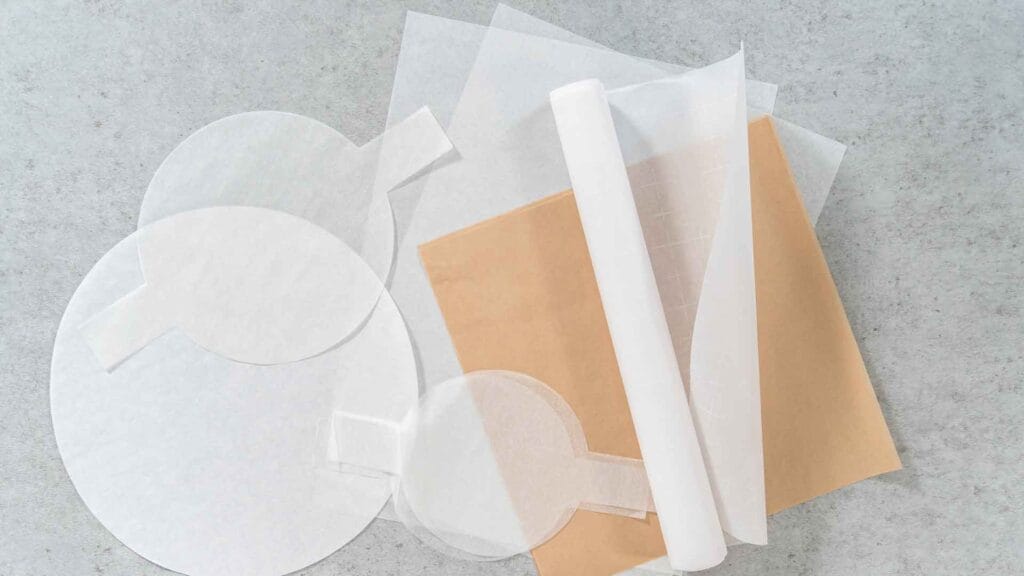
Лабораториям и дистрибьюторам может потребоваться больше, чем стандартная фильтровальная бумага для небольших упаковок. оптовые пользователи часто заботятся о стабильных поставках, упаковке, маркировке, вариантах диаметра и постоянном качестве.
При обсуждении оптовых поставок подтверждаем
- Доступные диаметры
- Варианты скорости фильтрации
- Количество упаковки
- Рекомендации по хранению
- Доступность образца
- Ожидания времени выполнения
- Контроль согласованности партии
- Осуществимость пользовательской спецификации
- Требования к документации
Фушуньский завод фильтровальной бумаги по гражданским вопросам поставляет лабораторную и промышленную фильтровальную бумагу, в том числе фильтровальная бумага для количественного анализа, фильтровальная бумага для качественного анализа, и промышленная фильтровальная бумага.
Заключение
Количественная фильтровальная бумага для гравиметрического анализа играет непосредственную роль в точности лабораторных исследований. Она помогает удерживать осадки, контролировать остатки золы, поддерживать этапы промывки и улучшать повторяемость в аналитических процедурах на основе масс.
Правильный выбор зависит от более чем диаметра. покупатели должны учитывать тип осадка, скорость фильтрации, поведение золы, прочность во влажном состоянии, объем пробы, требования к обращению и консистенцию партии. бумага, которая быстро фильтруется, может недостаточно хорошо удерживать мелкие частицы. бумага с сильным удержанием может замедлить рабочий процесс, если она не соответствует методу. Лучший вариант - тот, который подходит для реальной лабораторной процедуры.
Перед массовым заказом, испытательные образцы в реальных условиях. проверьте текучесть, удержание, прочность во влажном состоянии, поведение заготовки, и повторяемость. тщательно подобранная количественная фильтровальная бумага может уменьшить предотвратимые ошибки и сделать гравиметрический анализ более надежным от первого этапа фильтрации до конечного результата взвешивания.
Для поддержки выбора продукта посетите наш сайт страница фильтровальной бумаги количественного анализа или свяжитесь с нами с вашими требованиями к фильтрации.
Часто задаваемые вопросы
Что такое количественная фильтровальная бумага для гравиметрического анализа?
Количественная фильтровальная бумага для гравиметрического анализа - это лабораторная фильтровальная бумага, предназначенная для аналитических процедур, в которых можно взвешивать остаточные твердые вещества или остатки. Он выбирается с учетом контролируемого поведения золы, удержания и повторяемых характеристик фильтрации.
Почему малозольное содержание важно в количественной фильтровальной бумаге?
Низкий уровень зольности важен, поскольку бумага может воспламениться после фильтрации. Если бумага оставляет слишком много остатков, это может повлиять на конечную измеренную массу.
Можно ли использовать качественную фильтровальную бумагу для гравиметрического анализа?
Качественная фильтровальная бумага, как правило, лучше подходит для рутинного разделения и осветления. Для гравиметрического анализа предпочтительна количественная фильтровальная бумага, поскольку остатки золы и аналитическая консистенция имеют большее значение.
Как выбрать быструю, среднюю или медленную количественную фильтровальную бумагу?
Выбирайте исходя из размера осадка и рабочего процесса Быстрая бумага подходит для более крупных частиц, средняя бумага полезна для многих рутинных процедур, а медленная бумага лучше, когда более важно удерживание мелких частиц.
Какой диаметр выбрать?
Выберите диаметр, который подходит для вашей воронки или установки фильтрации. Общие лабораторные диаметры включают 7 см, 9 см, 11 см, 12,5 см, 15 см и 18 см. Бумага должна подойти правильно, без шунтирования или чрезмерного складывания.
Почему мой фильтрат до сих пор выглядит мутным?
Облачный фильтрат может указывать на то, что мелкие частицы проходят через бумагу, сорт бумаги слишком открыт, осадок нарушается во время промывки или метод фильтрации требует корректировки.
Вы предоставляете образцы для тестирования?
Вы можете подать данные своей заявки через страница контактов обсудить подходящие варианты количественной фильтровальной бумаги и потребности в тестировании образцов.