Оглавление
Что есть Химическая фильтровальная бумага и почему это важно при фильтрации
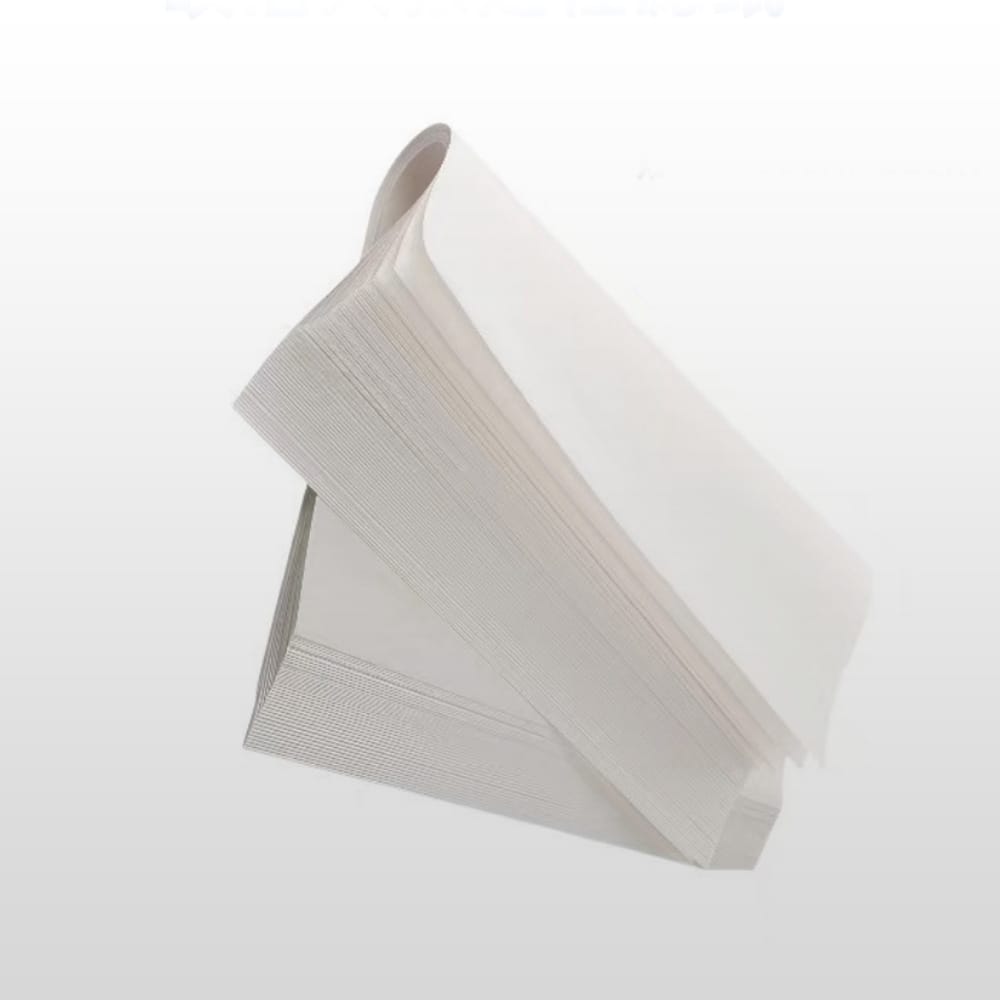
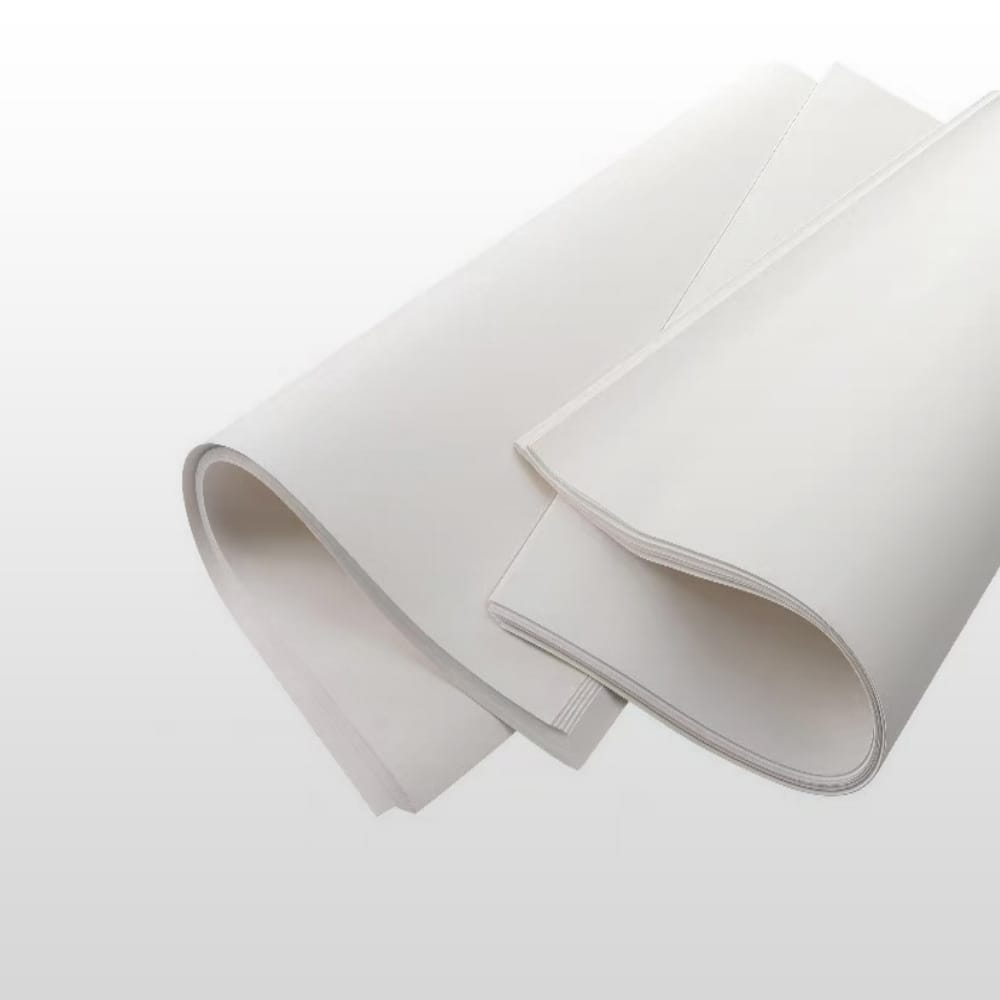
Химическая фильтровальная бумага служит критически важной разделительной средой в лабораторных и промышленных процессах фильтрации. В отличие от обычной фильтровальной бумаги, предназначенной для общего использования, химическая фильтровальная бумага имеет специфическую структуру пор и свойства химической стойкости для обращения с агрессивными растворителями, кислотами и основаниями, обычно встречающимися в аналитической химии и промышленности.
Определение химической фильтровальной бумаги
Химическая фильтровальная бумага - это пористая фильтрующая среда, изготовленная из целлюлозных волокон высокой чистоты, стеклянных микроволокон или синтетических материалов. Ее основная функция - отделять твердые частицы от жидкостей или газов, сохраняя при этом химическую стабильность. Ключевое различие заключается в контролируемом распределении пор по размерам и минимальном зольности, что обеспечивает точные результаты фильтрации без загрязнения образцов.
Основные материалы, используемые в производстве химической фильтровальной бумаги
К наиболее распространенным материалам относятся
- Целлюлоза: Получено из хлопкового линта, обеспечивающего превосходные фильтрующие свойства и низкую зольность
- Стеклянные микроволокна: Обеспечьте превосходную химическую стойкость и высокую температурную устойчивость
- Синтетические полимеры: Используется для специализированных применений, требующих чрезвычайной химической совместимости
Различия между химической фильтровальной бумагой и обычной фильтровальной бумагой
| Особенность | Химическая фильтровальная бумага | Обычная фильтровальная бумага |
|---|---|---|
| Содержание Ясеня | <0,01% (беззольный) | 0.1-0.15% |
| Контроль размера пор | Точно градуированный (2-25 мкм) | Переменная, менее контролируемая |
| Химическая стойкость | Высокий (кислоты, основания, растворители) | Ограниченный |
| Приложения | Аналитическая химия, гравиметрический анализ | Общее назначение, кулинария, искусство |
Общие применения в лабораторной и промышленной фильтрации
Химическая фильтровальная бумага находит широкое применение в:
- Аналитические лаборатории гравиметрического анализа
- Фармацевтические исследования и контроль качества
- Экологические испытания (анализ воды и почвы)
- Промышленная химическая обработка
- Обеспечение качества продуктов питания и напитков
Роль размера пор в характеристиках химической фильтровальной бумаги
Каков размер пор в фильтрующей среде
Размер пор относится к диаметру отверстий внутри структуры фильтровальной бумаги, которые обеспечивают прохождение жидкости, сохраняя при этом частицы, превышающие заданный размер. измеренный в микрометрах (мкм), этот параметр напрямую определяет эффективность фильтрации и скорость потока.
Как размер пор влияет на удержание частиц
Взаимосвязь между размером пор и удержанием частиц следует прямолинейному принципу: более мелкие поры захватывают более мелкие частицы, но уменьшают скорость потока Фильтрующая бумага с размером пор 5 мкм будет удерживать частицы размером более 5 мкм, позволяя при этом проходить более мелким частицам и жидкости. Это делает выбор размера пор критическим для достижения желаемых результатов разделения.
Объяснен рейтинг микронов для химической фильтровальной бумаги
Рейтинги Micron классифицируют бумагу для химических фильтров по категориям:
- Крупный (20-25 мкм): Быстрая фильтрация крупных частиц и студенистых осадков
- Средняя (8-12 мкм): Сбалансированная производительность для общего лабораторного использования
- Мелкий (2-5 мкм): Высокоэффективное удержание мелкокристаллических осадков
- Очень мелко (<2 мкм): Специализированные приложения, требующие максимального улавливания частиц
Связь между размером пор и скоростью фильтрации
Скорость фильтрации обратно коррелирует с размером пор. меньшие поры создают большее сопротивление потоку, что приводит к замедлению фильтрации. например, фильтровальной бумаге с размером пор 2,5 мкм может потребоваться более 1800 секунд для фильтрации 100 мл воды, а бумага с размером пор 20 мкм выполняет ту же задачу менее чем за 60 секунд. Этот компромисс требует тщательного рассмотрения как требований к удержанию, так и потребностей в пропускной способности.
Эффективность фильтрации: как химическая фильтровальная бумага обеспечивает точность
Определение эффективности фильтрации
Эффективность фильтрации измеряет процентное содержание частиц, удаленных из потока текучей среды Высокоэффективная химическая фильтровальная бумага обеспечивает удержание 98%+ частиц, превышающих ее номинальный размер пор, обеспечивая надежное разделение в критических аналитических процедурах.
Факторы, влияющие на эффективность фильтрации в лабораторных условиях
На эффективность фильтрации влияют несколько переменных:
- Распределение частиц по размерам: Согласованные размеры частиц дают более предсказуемые результаты
- Давление фильтрации: Чрезмерный вакуум может поставить под угрозу эффективность удержания
- Вязкость образца: Более толстые жидкости требуют более длительного времени фильтрации
- Химическая совместимость: Неправильный выбор среды приводит к деградации и прорыву
Балансировка скорости потока и удерживающей способности
Оптимальная фильтрация требует балансировки скорости с улавливанием частиц. среднескоростные фильтровальные бумаги (8-12 мкм) часто обеспечивают наилучший компромисс для общей лабораторной работы, предлагая адекватное удержание при сохранении разумных скоростей потока. высокоэффективные приложения могут принимать более медленные скорости для обеспечения полного удаления частиц.
Высокоэффективная химическая фильтровальная бумага по сравнению со стандартными классами
Высокоэффективная химическая фильтровальная бумага. Особенность:
- Более равномерное распределение пор по размерам
- Нижнее извлекаемое содержимое
- Повышенная прочность на влагу
- Состоящая толщина и базовый вес
Эти характеристики делают их необходимыми для гравиметрического анализа, фармацевтических испытаний и мониторинга окружающей среды, где точность имеет первостепенное значение.
Типы химической фильтровальной бумаги в зависимости от потребностей в фильтрации
Качественная и количественная химическая фильтровальная бумага
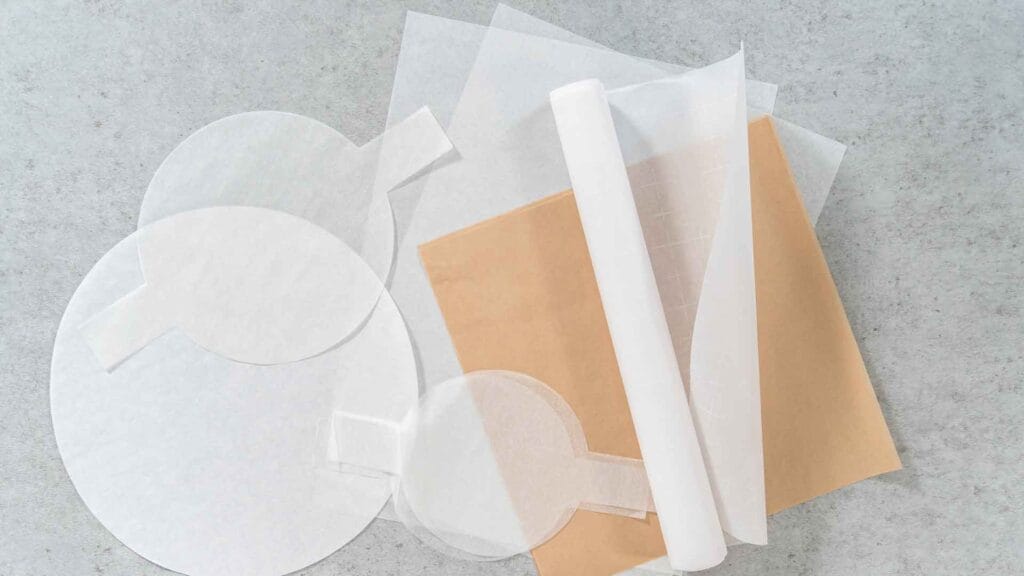
Качественная фильтровальная бумага служит общим целям разделения, где точные измерения не требуются. обычно содержит золу 0,06-0,15% и подходит для рутинных задач по осветлению и идентификации частиц.
Количественная фильтровальная бумага, (также называется беззольной фильтровальной бумагой), подвергается кислотной промывке для снижения зольности ниже 0,01%. Это делает его незаменимым для гравиметрического анализа, где остаточная зола может поставить под угрозу измерения.
Беззольный Химическая фильтровальная бумага для точного анализа
Беззольная фильтровальная бумага представляет собой самую высокую степень чистоты из доступных. при зольности всего 0,007% эти бумаги позволяют точно взвешивать остатки после сжигания Они необходимы для
- Гравиметрическое определение металлов
- Анализ экологических проб
- Фармацевтический контроль качества
- Тестирование продуктов питания и напитков
Химическая фильтровальная бумага высокой чистоты для чувствительных применений
Варианты высокой чистоты имеют вид:
- Содержание следов металлов ниже 1 ppm
- Нейтральные характеристики pH
- Минимальные экстрагируемые соединения
- Последовательная производительность от лота к лоту
Эти свойства делают их идеальными для чувствительных аналитических методов, включая атомно-абсорбционную спектроскопию и хроматографическую подготовку проб.
Бумага для химического фильтра промышленного качества
Промышленное применение требует прочной фильтровальной бумаги, способной обрабатывать:
- Большие объемы
- Непрерывная работа
- Суровые химические среды
- Высокие температуры
Бумага промышленного класса часто включает влагоупрочняющие агенты и специализированные покрытия для удовлетворения этих сложных требований.
Как выбрать подходящую бумагу для химического фильтра для вашего применения
Выбор размера пор на основе размера частиц
Соответствуют размеру пор фильтровальной бумаги частицам, которые необходимо удержать:
- Частицы >20 мкм: Грубая марка (20-25 мкм)
- Частицы 8-20 мкм: Средняя марка (8-12 мкм)
- Частицы 2-8 мкм: Мелкая марка (2-5 мкм)
- Частицы <2 мкм: Очень мелкая марка (<2 мкм)
Всегда выбирайте размер пор немного меньше, чем наименьшая частица, которую вы хотите захватить, чтобы обеспечить полное удержание.
Выбор между быстрой, средней и медленной скоростью фильтрации
Учитывайте эти факторы при выборе скорости фильтрации:
- Объем: Большие образцы получают выгоду от более быстрой бумаги
- Размер частиц: Мелкие частицы требуют более медленных скоростей для полного улавливания
- Ограничения времени: Лаборатории высокой пропускной способности могут отдавать приоритет скорости
- Требования точности: Критические анализы могут обеспечить более медленную фильтрацию для обеспечения точности
Соответствие химической устойчивости вашему процессу
Проверьте химическую совместимость с вашим конкретным применением:
- Кислотные растворы: Стандартная целлюлозная бумага обрабатывает слабые кислоты; используйте стекловолокно для сильных кислот
- Базовые решения: Целлюлоза работает на мягкие основания; специализированные сорта для концентрированных щелочей
- Органические растворители: Некоторые растворители могут разлагать целлюлозу; рассмотрим синтетические альтернативы
- Окисляющие агенты: Стеклянная бумага из микрофибры обладает превосходной стойкостью
Соображения для лабораторного и промышленного использования
Настройки лаборатории расставить приоритеты:
- Точность и точность
- Небольшие объемы выборки
- Аналитическая совместимость
- Консистенция лота
Промышленные приложения подчеркнуть:
- Прочность и прочность
- Масштабная мощность
- Эффективность затрат
- Интеграция процессов
Бумага для химического фильтра в лабораторных приложениях
Использование в аналитических испытаниях и экспериментах
Химическая фильтровальная бумага играет центральную роль в:
- Гравиметрический анализ для точного определения веса
- Подготовка проб для инструментального анализа
- Уточнение решений перед измерением
- Сбор и выделение осадков
Важность в фармацевтических и химических исследованиях
Для фармацевтического применения требуется
- Соблюдение нормативных норм
- Проверка эффективности фильтрации
- Документация по отслеживанию партий
- Проверка отсутствия экстрагируемых веществ
Химические исследования зависят от последовательных, воспроизводимых результатов фильтрации, обеспечивающих надежность данных в экспериментах и лабораториях.
Передовой опыт точных результатов фильтрации
Следуйте этим рекомендациям для оптимальной производительности:
- Предварительно влажная фильтровальная бумага с фильтрующей жидкостью для удаления воздуха
- Используйте подходящее фильтрующее оборудование, соответствующее размеру бумаги
- Применяйте постоянное давление (избегайте чрезмерного вакуума)
- Обращайтесь с бумагой щипцами, чтобы предотвратить загрязнение
- Хранить в контролируемых средах для поддержания целостности
Распространенные ошибки при использовании лабораторной фильтровальной бумаги
Избегайте этих частых ошибок:
- Выбор неправильного размера пор для приложения
- Использование качественной бумаги для количественного анализа
- Превышение рекомендуемых перепадов давления
- Игнорирование ограничений химической совместимости
- Плохое хранение, приводящее к загрязнению
Промышленное применение химической фильтровальной бумаги
Химическая обработка и фильтрация жидкости
В промышленной химической обработке используется фильтровальная бумага для:
- Извлечение и очистка катализаторов
- Промежуточное уточнение продукта
- Фильтрация сырья
- Разделение побочных продуктов
Крупномасштабные операции часто требуют специализированных форматов, включая рулоны, листы и нестандартные размеры, для плавной интеграции с технологическим оборудованием.
Решения для фильтрации очистки сточных вод
Применение в окружающей среде включает в себя:
- Удаление взвешенных твердых веществ
- Мониторинг тяжелых металлов
- Проверка качества стоков
- Проверка соответствия
Фильтрующие бумаги с определенным рейтингом пор помогают соответствовать нормативным требованиям к пределам сброса и стандартам качества воды.
Фильтрация масла и растворителей
Специализированный химические фильтровальные бумаги ручка:
- Гидравлическая очистка жидкости
- Осветление растворителем
- Анализ нефти
- Мониторинг загрязнения
Химическая стойкость и термическая стабильность являются важнейшими факторами в этих приложениях.
Использование для защиты окружающей среды и фильтрации воздуха
В приложениях мониторинга воздуха используются фильтровальные бумаги для:
- Сбор твердых частиц
- Оценка качества воздуха
- Испытание на выбросы
- Мониторинг безопасности на рабочем месте
Стекловолоконная бумага особенно подходит из-за ее высокой термостойкости и низкой фоновой интерференции.
Процесс производства химической фильтровальной бумаги
Выбор сырья и обработка волокон
Качество начинается с выбора материала:
- Хлопковые линты для целлюлозы высокой чистоты
- Боросиликатное стекло для бумаги из микрофибры
- Синтетические полимеры для специализированного применения
Волокна подвергаются обширной обработке, включающей
- Целлюлоза и рафинирование
- Кислотная промывка (для количественных сортов)
- Отбеливание и очистка
- Качественное тестирование
Формование бумаги и контроль структуры пор
Точный контроль при формировании бумаги обеспечивает
- Равномерное распределение пор по размерам
- Согласованная толщина
- Контролируемый базовый вес
- Предсказуемые характеристики фильтрации
Передовые технологии производства обеспечивают жесткие допуски, необходимые для аналитических применений.
Контроль качества для согласованного размера пор
Строгое тестирование подтверждает:
- Распределение пор по размерам
- Скорость фильтрации
- Содержание золы
- Влажная прочность
- Химическая чистота
Каждая производственная партия проходит комплексный анализ для обеспечения стабильности производительности.
Стандарты и сертификаты
Соответствующие стандарты включают
- ISO 5313 для испытаний фильтровальной бумаги
- Методы ASTM для эффективности фильтрации
- Фармакопейные требования для фармацевтического применения
- Протоколы экологического мониторинга
Соответствие этим стандартам обеспечивает надежность продукции и ее нормативное признание.
Преимущества работы с профессиональным производителем химической фильтровальной бумаги
Пользовательский Химическая фильтровальная бумага Решения
Опытные производители предлагают
- Пользовательские размеры пор и спецификации
- Специализированные форматы и размеры
- Индивидуальные химические обработки
- Разработка для конкретных приложений
Возможности OEM и оптовых поставок
Крупномасштабное производство предусматривает
- Последовательное качество по объемам
- Конкурентное ценообразование
- Надежные цепочки поставок
- Поддержка управления запасами
Последовательное обеспечение качества и производительности
Профессиональное производство обеспечивает:
- Жесткий контроль спецификации
- Комплексная документация
- Прослеживаемость лотов
- Техническая поддержка
Техническая поддержка приложений фильтрации
Экспертная помощь включает в себя:
- Руководство по выбору продукта
- Устранение неполадок приложений
- Оптимизация процесса
- Поддержка нормативного соответствия
Общие проблемы и решения химической фильтрации
Медленная скорость фильтрации и как ее исправить
Адрес медленной фильтрации по:
- Использование бумаги большего диаметра
- Выбор более быстрых оценок, когда это необходимо
- Снижение вязкости образца
- Оптимизация давления фильтрации
- Предварительная фильтрация для удаления крупных частиц
Плохая эффективность фильтрации
Общие проблемы эффективности проистекают из:
- Неправильный выбор размера пор
- Повреждение бумаги при обращении
- Химическая несовместимость
- Чрезмерное давление вызывает прорыв
- Насыщение бумаги снижает эффективную площадь поверхности
Выбор неправильного размера пор
Избегайте ошибок выбора по:
- Точная характеристика гранулометрического состава
- Понимание компромиссов между удержанием и потоком
- Консультирование спецификации производителя
- Проведение предварительных испытаний
Проблемы хранения и обработки
Поддерживать качество бумаги посредством
- Климатически контролируемое хранилище
- Правильная упаковка для предотвращения загрязнения
- Обращение с чистыми инструментами
- Управление запасами "первым пришел - первым вышел"
- Защита от влаги и химикатов
Заключение
Бумага для химического фильтра представляет собой сложное решение для фильтрации, необходимое для точного лабораторного анализа и эффективной промышленной обработки. Понимание взаимосвязи между размером пор, эффективностью фильтрации и требованиями применения позволяет оптимально выбирать и использовать эти критически важные материалы.
Как профессиональный производитель, мы признаем, что успешная фильтрация зависит не только от самой фильтровальной бумаги, но и требует партнерства между поставщиком и пользователем для решения конкретных задач применения и достижения надежных, воспроизводимых результатов.
Будь то проведение гравиметрического анализа, мониторинг проб окружающей среды или обработка промышленных химикатов, выбор правильного химического вещества фильтровальная бумага соответствующий размер пор и характеристики обеспечивают точные результаты и эффективность работы.
Свяжитесь с нашей технической командой для получения помощи в выборе оптимальной химической фильтровальной бумаги для ваших конкретных требований к применению.
Часто задаваемые вопросы
Вопрос: Каков идеальный размер пор для общей лабораторной фильтрации?
О: Для большинства общих лабораторных применений средний размер пор 8-12 мкм обеспечивает наилучший баланс между скоростью фильтрации и удержанием частиц. этот диапазон эффективно улавливает кристаллические осадки среднего размера, сохраняя при этом разумные скорости потока для рутинной подготовки проб.
Вопрос: В чем разница между качественной и количественной химической фильтровальной бумагой?
О: Основное различие заключается в зольности Качественная фильтровальная бумага содержит золу 0,06-0,15% и используется для общего разделения там, где точные измерения не требуются Количественная (беззольная) фильтровальная бумага имеет золу менее 0,01%, что делает ее необходимой для гравиметрического анализа, где остаточная зола может поставить под угрозу измерения веса.
Вопрос: Может химически фильтровальная бумага использовать с сильными кислотами и основаниями?
О: Это зависит от типа бумаги Стандартные целлюлозные фильтровальные бумаги обрабатывают слабые кислоты и основания эффективно Для сильных кислот, концентрированных щелочей, или агрессивных растворителей стеклянные микрофибры или специально обработанные синтетические фильтровальные бумаги обеспечивают превосходную химическую стойкость и не будут разлагаться во время фильтрации.
Вопрос: Почему скорость фильтрации различается в разных химических фильтровальных бумагах?
О: Скорость фильтрации в первую очередь определяется размером пор. Меньшие поры создают большее сопротивление потоку жидкости, что приводит к замедлению фильтрации. например, тонкая фильтровальная бумага толщиной 2,5 мкм может занять в 30 раз больше времени для фильтрации того же объема по сравнению с грубой маркой толщиной 20 мкм. Выберите размер пор, исходя из ваших потребностей в удержании частиц и временных ограничений.
Вопрос: Как мне следует хранить химическую фильтровальную бумагу для поддержания качества?
О: Храните химическую фильтровальную бумагу в прохладной, сухой среде вдали от прямых солнечных лучей и химикатов. Храните ее в оригинальной запечатанной упаковке, чтобы предотвратить загрязнение пылью и влагой. Используйте чистые щипцы при обращении, чтобы избежать введения масел или частиц, которые могут повлиять на результаты фильтрации.