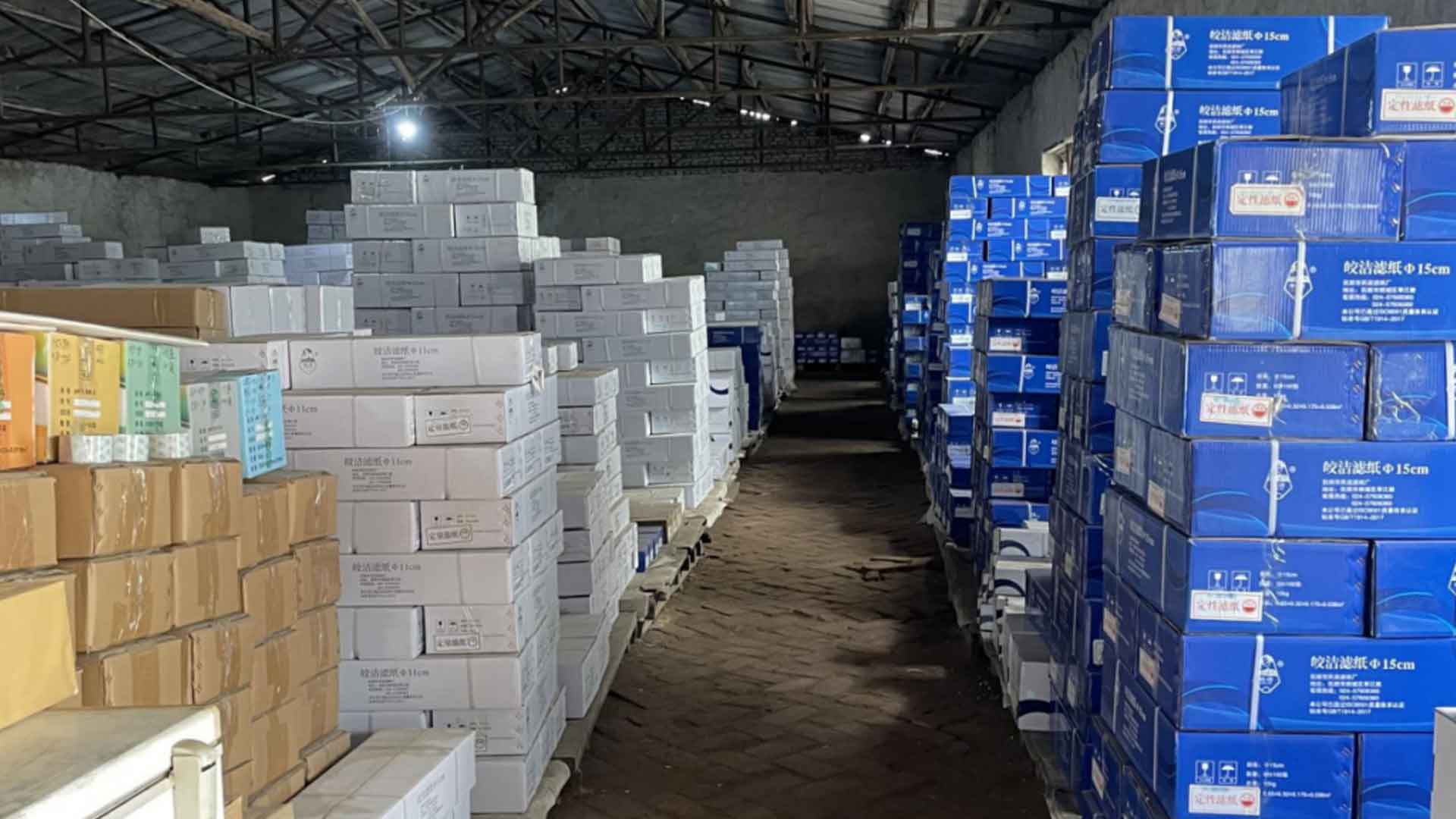
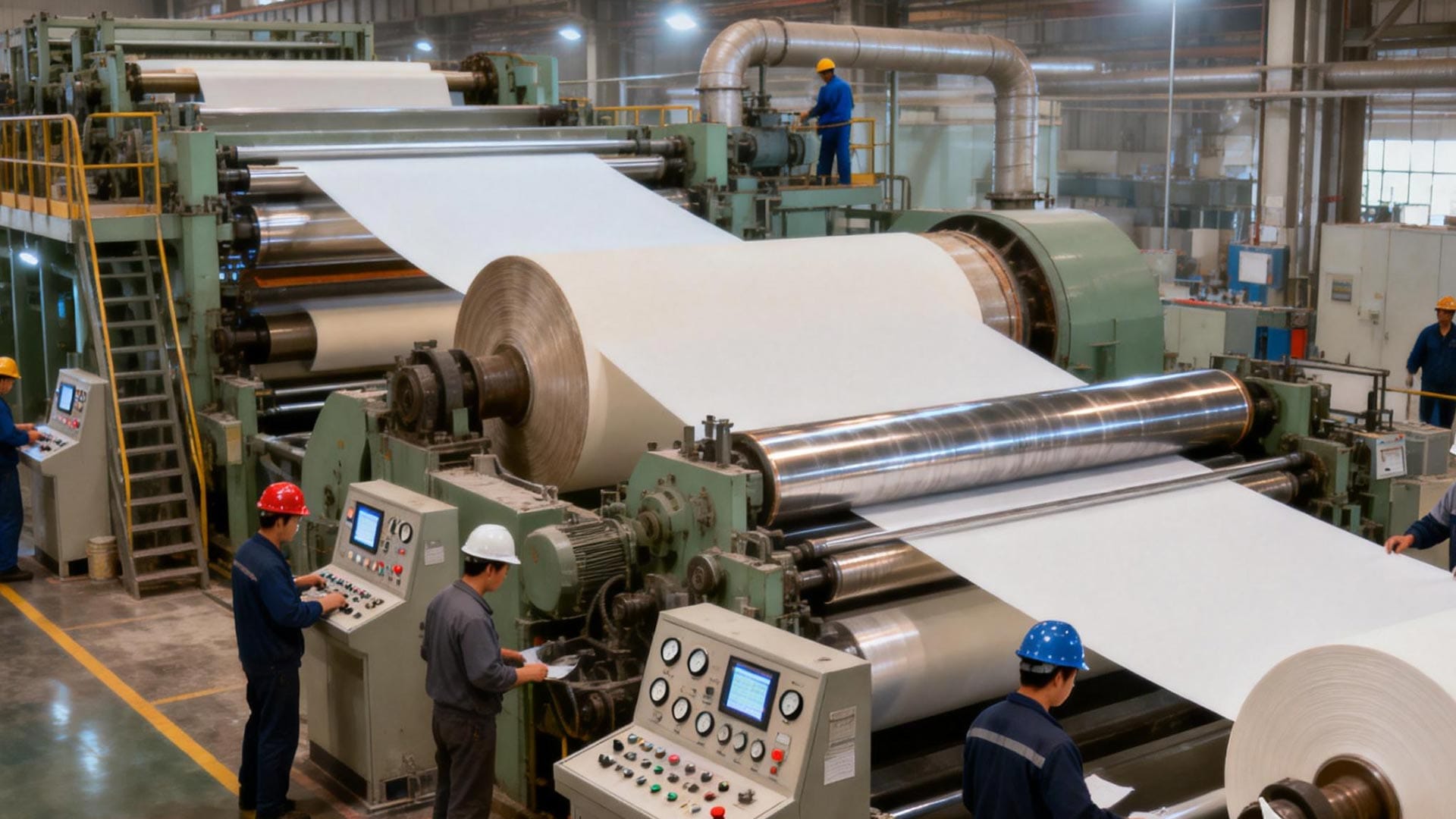
Table of Contents
Introduction
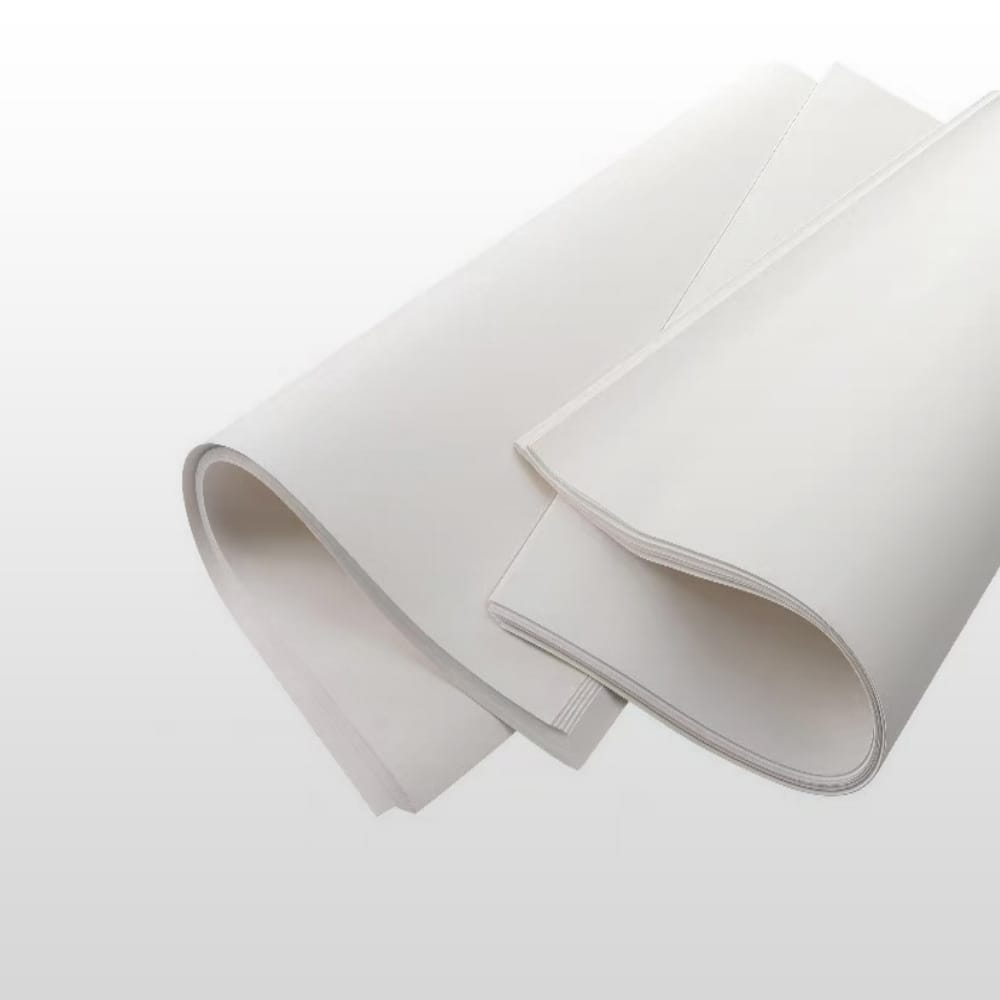
Scientific filter paper stands as one of the most essential consumables in modern laboratories, serving as the backbone for countless separation and purification processes. From basic chemistry classrooms to advanced research facilities, these specialized papers play a critical role in ensuring experimental accuracy and reproducibility across chemical, biological, and pharmaceutical applications.
What distinguishes laboratory filter paper from ordinary paper is its precisely engineered composition—typically made from high-purity cellulose fibers with controlled pore sizes and specific retention capabilities. This meticulous engineering allows scientists to achieve consistent filtration results that are impossible with standard materials.
In chemical analysis, filter papers enable the separation of precipitates from solutions with minimal loss of sample material. In biological research, they provide sterile filtration for cell culture media and microbiological samples. The reliability of experimental outcomes often hinges on the quality of the filter paper used, making it a critical consideration for researchers and laboratory managers alike.
Types of Scientific Filter Paper
Grade 1, 2, and 3 Filter Papers
Understanding the grading system of laboratory filter papers is fundamental for optimal experimental results. Each grade is engineered for specific applications based on pore size, flow rate, and retention characteristics.
- Grade 1 filter paper features the finest pore size (approximately 11 μm) and is designed for fine crystalline precipitates and general laboratory filtration. Its slow flow rate makes it ideal for applications requiring maximum retention of fine particles.
- Grade 2 filter paper offers medium pore size (around 8 μm) with moderate flow rates, striking a balance between speed and retention. This versatile grade works well for coarse crystalline precipitates and routine laboratory work.
- Grade 3 filter paper provides larger pore sizes (approximately 6 μm) with fast flow rates, making it perfect for rapid filtration of coarse particles and gelatinous precipitates.
Below is a quick reference comparison of the three main filter paper grades:
| Filter Paper Grade | Average Pore Size | Flow Rate | Retention Capability | Best Applications |
|---|---|---|---|---|
| Grade 1 | 11 μm | Slow | High retention of fine particles | Fine crystalline precipitates, analytical chemistry |
| Grade 2 | 8 μm | Medium | Balanced retention | Routine filtration, general laboratory use |
| Grade 3 | 6 μm | Fast | Coarse particle retention | Rapid filtration, gelatinous precipitates |
Specialized Filter Papers for Chemistry and Microbiology
Beyond standard grades, specialized filter papers address specific scientific needs:
Fast filtration papers accelerate processes where speed is crucial without compromising filtration quality. These papers feature larger pore structures and surface treatments that reduce resistance, enabling quick separation of coarse particles while maintaining adequate retention for the intended application.
Slow filtration papers prioritize precision over speed, making them essential for analytical chemistry and quantitative analysis. These papers often include ashless formulations that minimize interference with gravimetric measurements.
Microbiology filter papers undergo rigorous sterilization processes and are manufactured in controlled environments to ensure contamination-free performance. These papers maintain structural integrity even when exposed to biological fluids and culture media, making them indispensable for aseptic techniques in microbiology laboratories.
How to Choose the Right Scientific Filter Paper
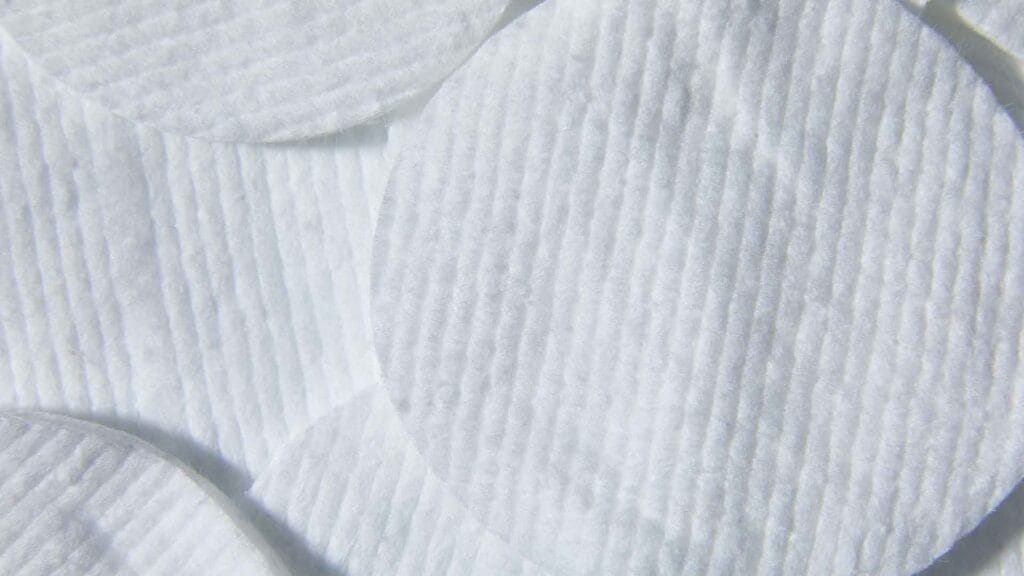
Selecting the appropriate filter paper requires careful consideration of several key factors that directly impact experimental outcomes:
Pore Size Determination—The primary consideration should be the size of particles you need to retain versus those you want to pass through. As a general rule, choose pore sizes slightly smaller than your target particle size to ensure complete retention while maintaining reasonable flow rates.
Retention Rate Requirements—High retention filter papers are essential when working with valuable samples or when quantitative recovery is critical. Consider the chemical nature of your sample—some papers are specifically treated to handle acidic, alkaline, or organic solvents without degradation.
Material Composition—While cellulose remains the standard material, specialized papers incorporate glass fibers, synthetic polymers, or composite materials for enhanced chemical resistance and thermal stability. These alternatives may be necessary for extreme pH conditions or high-temperature applications.
Thickness and Wet Strength—Thicker papers generally offer higher loading capacity and better mechanical stability but may slow filtration rates. Wet strength is particularly important for applications involving prolonged filtration or aggressive solvents.
Application-Specific Tips:
- For gravimetric analysis, choose ashless papers with low background mineral content
- In microbiology applications, prioritize sterilized papers with certified low endotoxin levels
- When working with organic solvents, select chemically resistant papers to prevent degradation
- For high-volume filtration, consider pleated filter papers that increase surface area without sacrificing retention
Applications of Scientific Filter Paper in Laboratories
Chemical Analysis and Sample Preparation
Scientific filter papers are fundamental to chemical analysis workflows, enabling the removal of insoluble impurities from solutions and the separation of solid precipitates from liquids. In quantitative analysis, high-quality filter papers ensure that valuable sample material isn’t lost during the filtration process, which is crucial for accurate results.
Advanced applications include:
- Gravimetric analysis where ashless papers prevent interference with precise weight measurements
- Preparative chemistry where filter papers assist in product isolation and purification
- Analytical chemistry where consistent filtration ensures reproducible instrumental analysis results
Microbiology and Cell Culture
In microbiological applications, sterile filter papers serve critical functions in maintaining aseptic conditions. These papers are used for:
- Sample preparation before plating on culture media
- Sterile filtration of heat-sensitive solutions that cannot be autoclaved
- Environmental monitoring where filter papers capture microbial contaminants from air or surfaces
The papers used in microbiology applications must meet stringent sterility requirements and often include certifications for specific biological applications.
Environmental and Food Testing
Environmental laboratories rely on scientific filter papers for water quality analysis, soil testing, and air monitoring. Similarly, food testing facilities use specialized filter papers for:
- Water quality assessment—filtering water samples before chemical or microbiological analysis
- Soil analysis—separating solid particles from soil extracts
- Food safety testing—removing particulates from food samples during contamination testing
These applications often require papers with specific chemical resistance properties to handle complex matrices without degradation.
Comparison: Scientific Filter Paper vs Ordinary Filter Paper
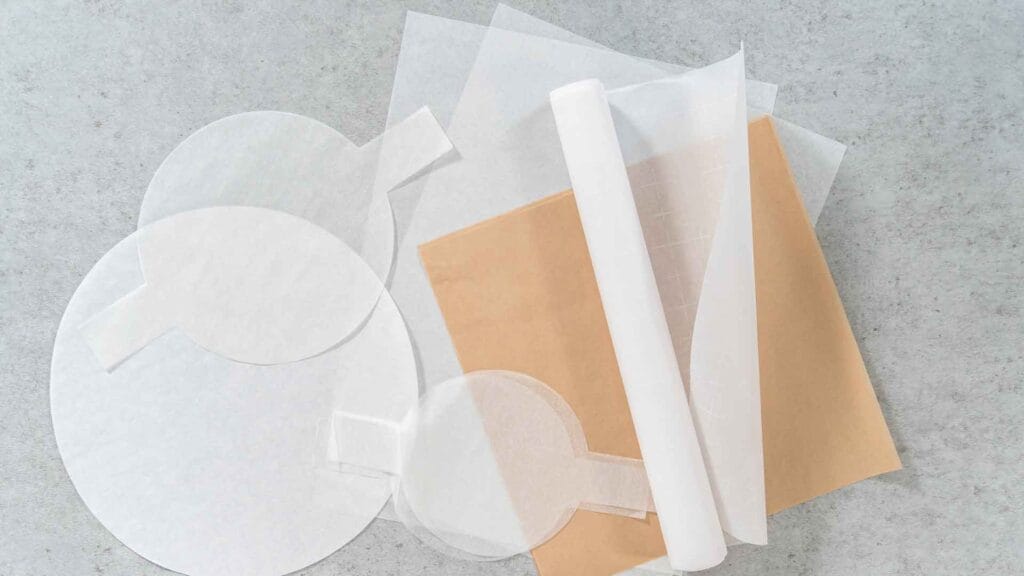
The distinction between laboratory-grade scientific filter paper and ordinary filter paper extends far beyond price differences. Understanding these distinctions is crucial for researchers who prioritize experimental accuracy and reproducibility.
Quality and Precision—Scientific filter papers are manufactured under strict quality control protocols with certified pore size distributions and retention characteristics. Each batch undergoes rigorous testing to ensure consistency, whereas ordinary papers lack these specifications and can vary significantly between batches.
Material Purity—Laboratory papers use high-purity cellulose or specialized synthetic materials free from contaminants that could interfere with experimental results. Ordinary papers may contain fillers, sizing agents, or other additives that can leach into samples during filtration.
Retention Performance—Scientific papers provide predictable, reproducible retention of particles within specified size ranges. This precision is essential for quantitative work where even minor variations in retention can significantly impact results. Ordinary papers offer inconsistent retention that makes experimental reproducibility challenging.
Chemical Resistance—Laboratory papers are engineered to withstand specific chemical environments, maintaining structural integrity and performance characteristics when exposed to acids, bases, or organic solvents. Ordinary papers may disintegrate or leach materials when exposed to common laboratory chemicals.
Cost vs. Value Consideration—While scientific filter papers represent a higher initial investment, their consistent performance and reliability prevent costly experimental failures and wasted research time. The value proposition becomes clear when considering the cost of repeating failed experiments due to poor filtration quality.
Maintenance and Proper Usage Tips
Proper handling and storage of scientific filter papers are essential for maintaining their performance characteristics and preventing contamination that could compromise experimental results.
Handling Procedures
- Always use clean gloves or forceps when handling filter papers to avoid contamination
- Pre-cut papers to the required size before use to minimize handling time
- Store papers in sealed containers to protect them from moisture and airborne contaminants
- Avoid touching the filtration surface to prevent transfer of oils or particles
Storage Conditions
- Store in a cool, dry environment away from direct sunlight
- Keep papers in their original packaging until use to maintain sterility
- For sterile papers, follow manufacturer recommendations for storage temperature and humidity
- Rotate inventory to ensure older papers are used before expiration dates
Contamination Prevention
- Use separate papers for different types of experiments to avoid cross-contamination
- Implement proper waste disposal procedures for used papers
- Maintain a clean work area free from dust and chemical residues
- Regularly clean filtration apparatus to prevent buildup of residues
Efficiency and Safety Practices
- Choose appropriate paper sizes to minimize waste
- Implement proper disposal methods for chemically contaminated papers
- Train all laboratory personnel on proper filtration techniques
- Maintain records of paper batch numbers for quality tracking
Purchasing and Sourcing Scientific Filter Paper
As a manufacturer of high-quality scientific filter papers, we understand the critical importance of reliable sourcing for laboratory operations. The choice of supplier can significantly impact research outcomes and operational efficiency.
Manufacturer Advantages
Working directly with manufacturers offers several compelling benefits:
- Quality assurance with direct access to technical specifications and batch testing data
- Customization options for specialized applications requiring unique specifications
- Consistent supply with reliable delivery schedules and inventory management
- Technical support from experts who understand both product capabilities and application requirements
- Cost advantages through bulk ordering and direct purchasing relationships
Bulk Ordering Benefits
- Significant cost savings through volume discounts
- Guaranteed supply continuity for high-demand laboratories
- Custom packaging options to reduce waste and handling requirements
- Priority allocation during supply shortages
- Extended payment terms and flexible ordering schedules
Online vs. Distributor Purchasing Considerations
While both channels have merits, direct online purchasing from manufacturers offers distinct advantages:
- Transparent pricing without middleman markups
- Current inventory availability and accurate delivery timelines
- Direct access to technical support and product expertise
- Simplified ordering process with account management features
- Automatic reordering for frequently used products
When selecting a supplier, consider factors beyond price alone:
- Quality certification status (ISO, GMP, etc.)
- Technical support capabilities
- Delivery reliability and inventory consistency
- Return policy for defective products
- Industry reputation and customer references
Conclusion
Scientific filter papers represent a critical component in laboratory operations across diverse scientific disciplines. Understanding the differences between grades, selecting appropriate specifications for specific applications, and implementing proper handling procedures are all essential for maximizing experimental accuracy and reproducibility.
The investment in high-quality, laboratory-grade scientific filter papers from reliable manufacturers pays dividends through:
- Consistent experimental results
- Reduced failure rates and rework
- Improved research reproducibility
- Enhanced laboratory efficiency
- Compliance with quality standards
As researchers continue to push the boundaries of scientific discovery, having access to precisely engineered filtration materials becomes increasingly important. The right filter paper choice can mean the difference between breakthrough insights and frustrating dead-ends.
For laboratories seeking reliable supply of high-quality scientific filter papers, we offer comprehensive product lines backed by manufacturing expertise, technical support, and customization capabilities. Our commitment to quality ensures that every sheet meets the rigorous demands of modern scientific research.
We encourage researchers and laboratory managers to explore our complete product range and contact our technical team for guidance on selecting the optimal filter paper specifications for their specific applications. The right partnership with a knowledgeable manufacturer can significantly enhance both laboratory efficiency and research outcomes.
FAQ
What are the different grades of scientific filter paper?
Scientific filter papers are categorized by grades (typically Grade 1, 2, and 3) that indicate their pore size, flow rate, and retention characteristics. Grade 1 has the finest pores and slowest flow, ideal for fine particles. Grade 2 offers medium pore size and balanced performance for general laboratory use. Grade 3 features larger pores and faster flow rates, suitable for coarse particles and rapid filtration. Specialized grades are also available for specific applications like microbiology or chemical analysis.
Can scientific filter paper be reused?
Generally, scientific filter papers are designed for single use to ensure consistent performance and prevent cross-contamination. However, in some non-critical applications with careful cleaning and validation, limited reuse may be possible. This practice should only be considered after thorough assessment of potential risks to experimental accuracy and reproducibility. For most research and analytical applications, fresh papers should be used for each filtration to guarantee optimal results.
How to choose pore size for specific experiments?
Selecting the appropriate pore size involves balancing particle retention needs with desired flow rates. As a starting point, choose pore sizes slightly smaller than your target particle size to ensure complete retention. Consider factors such as:
- Particle size distribution in your sample
- Whether quantitative recovery of filtrate or retained material is critical
- Viscosity of your sample material
- Time constraints of your experimental protocol
- Compatibility with downstream analytical techniques
When in doubt, consult with the manufacturer or perform preliminary tests with different pore sizes to determine the optimal choice for your specific application.