Table of Contents
Introduction
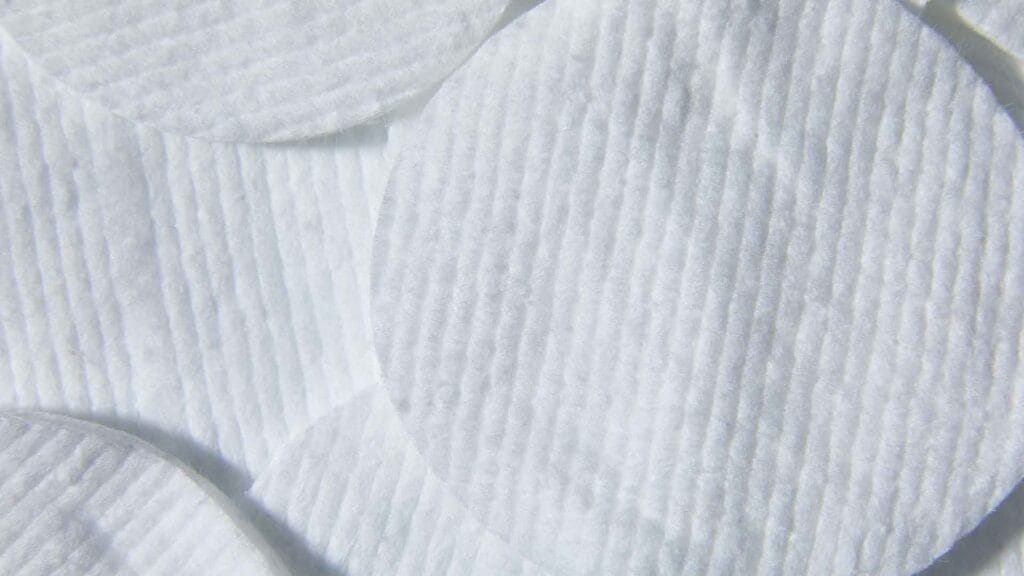
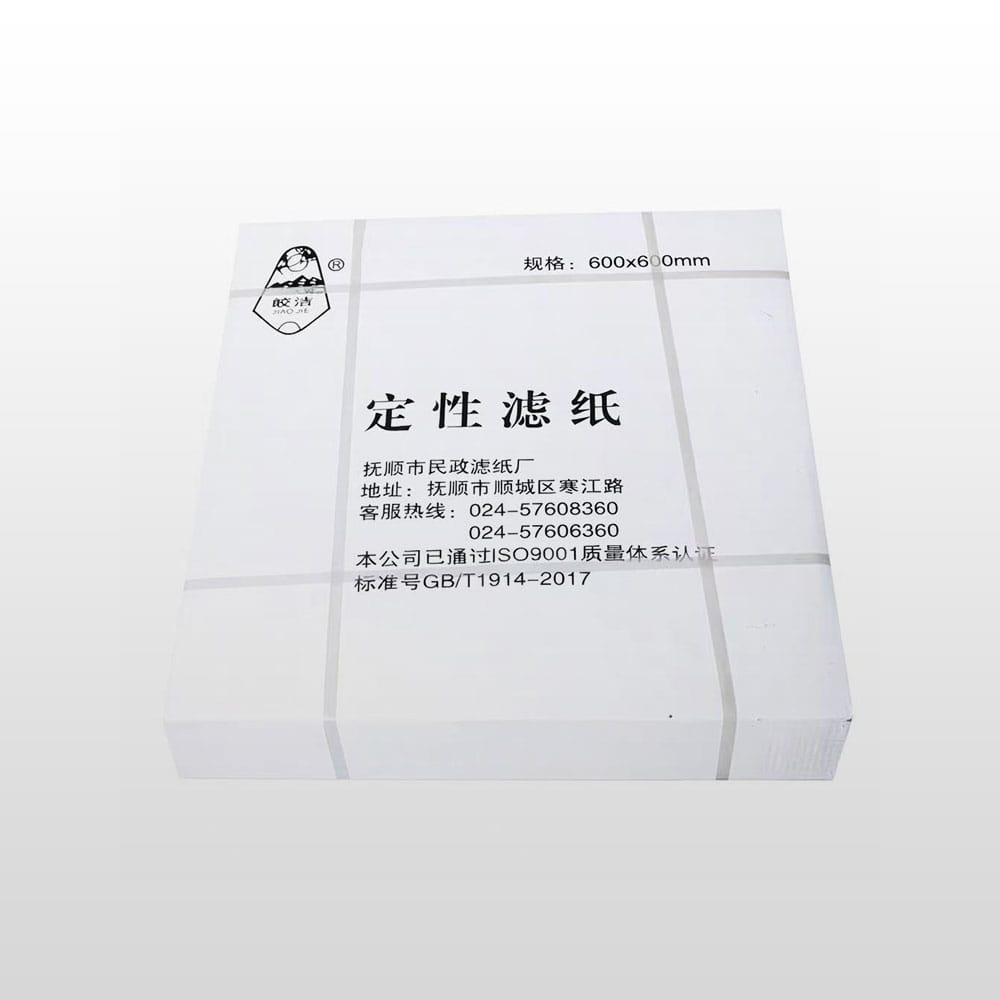
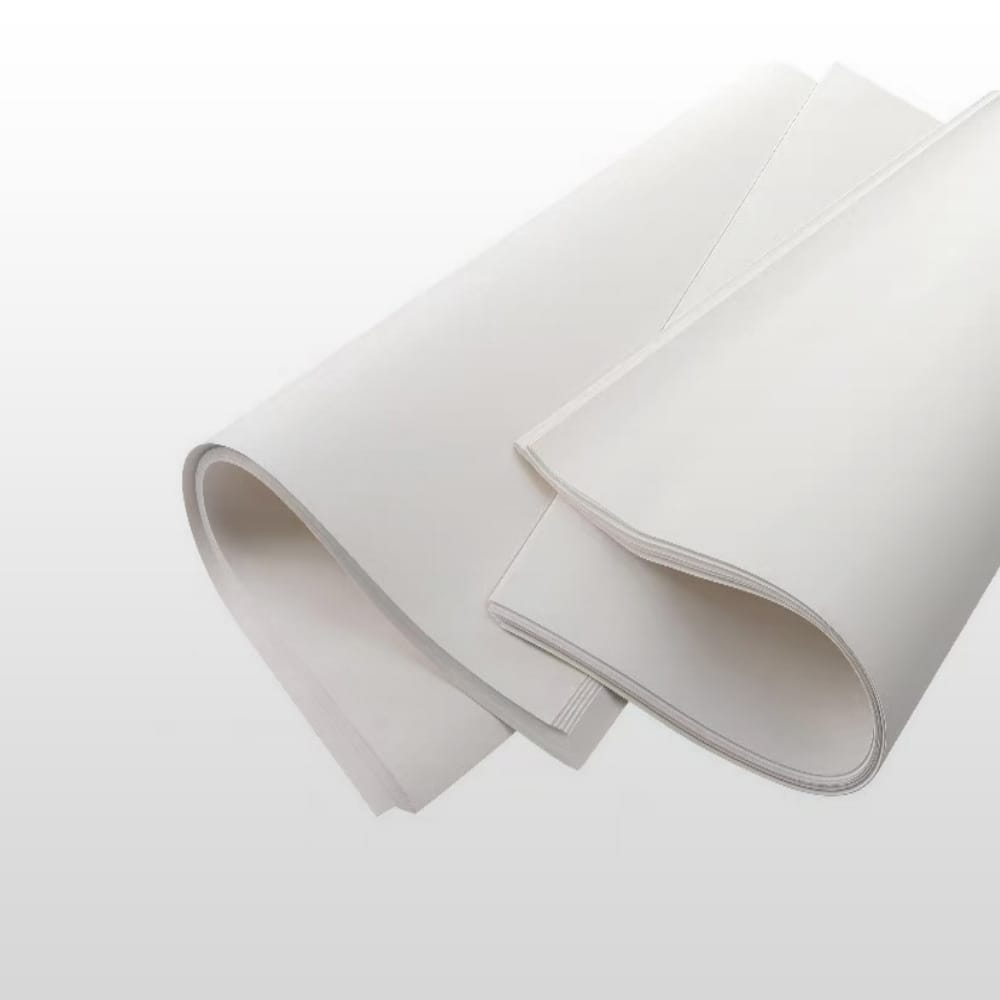
Filter paper is a fundamental tool in laboratories and industrial settings, designed to separate solids from liquids efficiently. As a manufacturer of high-quality filter paper, we understand the importance of using the right type for specific applications. Whether in chemistry experiments, water testing, or industrial filtration, understanding the filter paper function is essential to achieving accurate and reliable results.
Filter papers have evolved over the years to meet diverse laboratory and industrial needs. Today, they range from simple qualitative types used in classroom experiments to advanced ashless and specialty papers for precise quantitative analysis. Knowing the history, composition, and purpose of filter paper helps laboratory professionals and industrial users select the best product for their work.
The Core Function of Filter Paper
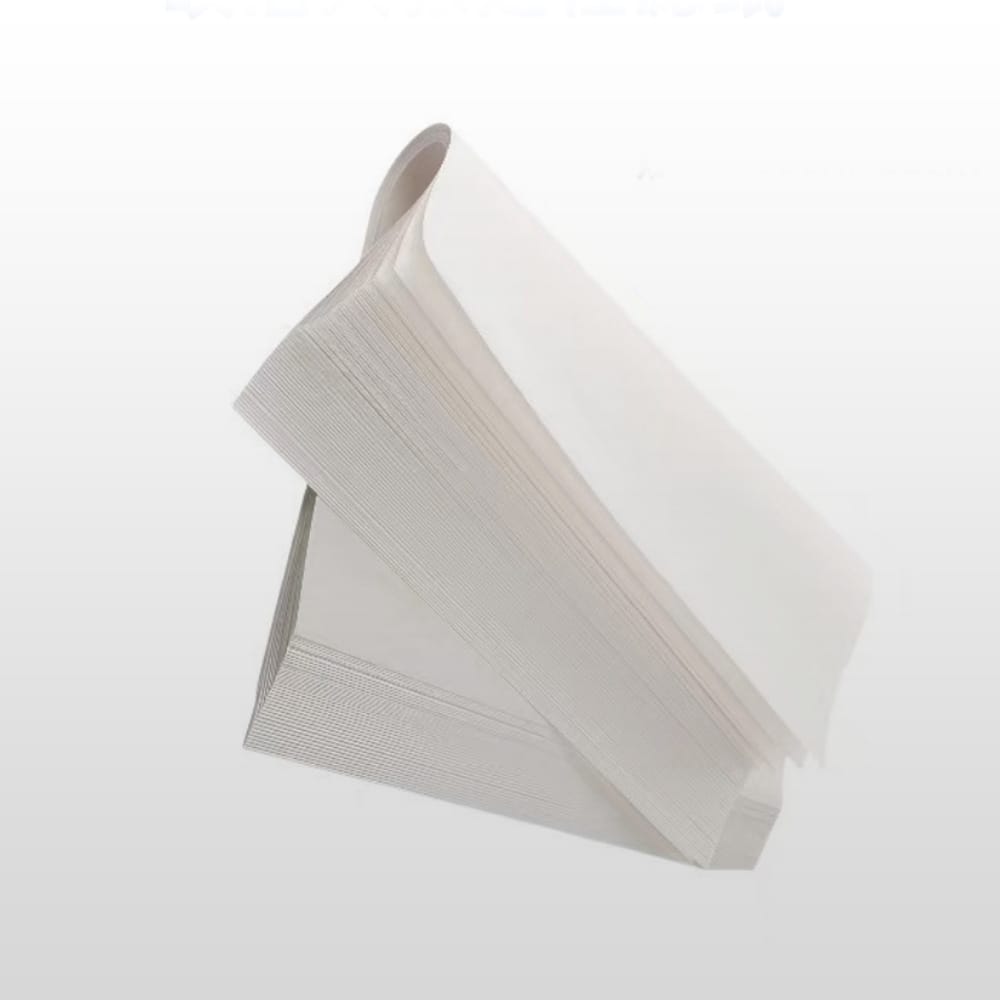
The primary function of filter paper is to act as a barrier that traps solid particles while allowing liquids to pass through. This filtration process is critical for purifying liquids, clarifying solutions, and preparing samples for further analysis.
Filter papers function based on their pore size and fiber composition. Smaller pores allow for finer particle retention, which is essential in quantitative laboratory experiments. The efficiency of filtration depends on the correct pairing of filter paper type and intended application.
In general, filter paper serves three core purposes:
- Separation of solids from liquids
- Retention of specific particle sizes
- Ensuring consistent laboratory results
Types of Filter Paper and Their Functions
Different filter paper types are designed for varied applications. Understanding each type helps in selecting the right paper for lab or industrial use.
Qualitative Filter Paper Function
- Used for routine analysis where precise measurements are not required
- Suitable for monitoring reactions, sample clarification, and basic filtration
Quantitative Filter Paper Function
- Highly purified and consistent in weight and ash content
- Ideal for gravimetric analysis and quantitative laboratory experiments
Ashless Filter Paper Function
- Contains minimal inorganic residues after combustion
- Recommended for chemical analysis where trace elements may affect results
Specialty Filter Papers for Industrial Use
- Designed for high-volume or high-efficiency filtration
- Used in food, beverage, and pharmaceutical industries
Filter Paper Types and Key Features
| Filter Paper Type | Pore Size (µm) | Main Function | Typical Application |
|---|---|---|---|
| Qualitative Grade 1 | 11 | General filtration | Routine lab experiments |
| Quantitative Ashless | 2–12 | Accurate particle retention | Gravimetric and chemical analysis |
| Specialty Industrial | 0.5–20 | High-efficiency separation | Food, beverage, and pharmaceutical |
| Coarse Filter Paper | 20–25 | Rapid filtration of large particles | Sample clarification, wastewater labs |
Key Applications of Filter Paper Function in Labs
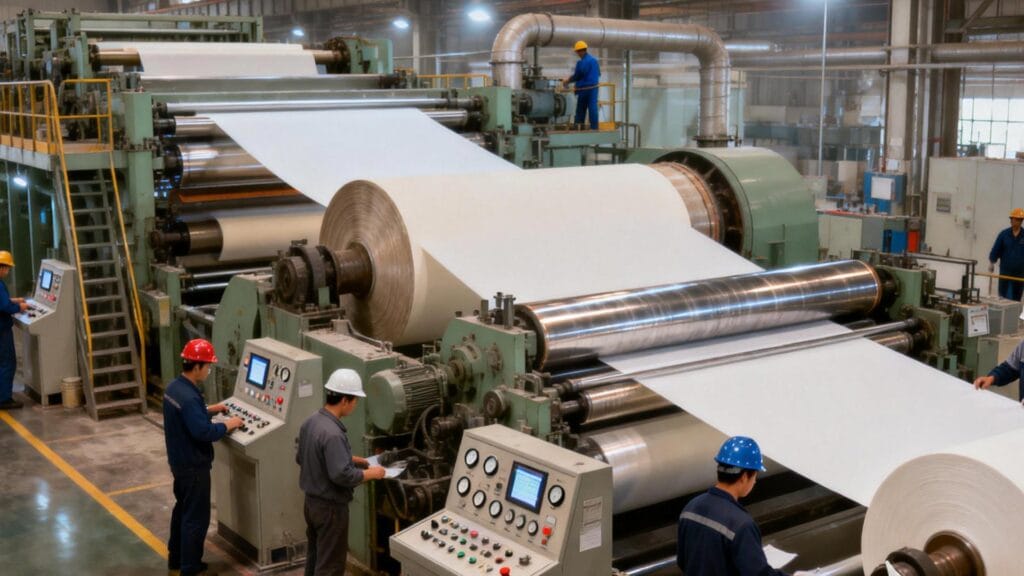
Filter papers are used in a wide range of laboratory experiments:
Chemistry Experiments – For separating precipitates, clarifying solutions, and performing gravimetric analysis.
Water and Wastewater Filtration – Removing impurities, sediments, and suspended particles for accurate testing.
Food and Beverage Testing – Ensuring product safety, quality, and compliance with industry standards.
Pharmaceutical and Clinical Laboratory Uses – Isolating compounds, purifying solutions, and supporting precise analytical testing.
Choosing the Right Filter Paper Based on Function
Selecting the right filter paper is crucial to obtain accurate results. Key factors to consider include:
- Pore size: Determines the particle retention ability
- Thickness: Influences filtration speed and capacity
- Material: Affects chemical compatibility and strength
Common mistakes include using qualitative paper for quantitative analysis or choosing a paper with an unsuitable pore size. Understanding your experiment or industrial application ensures the correct choice.
Maintaining Optimal Performance of Filter Paper
Proper handling and storage maximize filter paper performance:
- Keep papers in a dry, clean environment
- Avoid touching surfaces that contact liquids to prevent contamination
- Dispose of used paper properly; some types may be reusable depending on application
Regular inspection of your inventory ensures consistency and reliability in experiments or industrial processes.
Industrial and Commercial Applications of Filter Paper Function
Filter paper is not limited to laboratory use. Industrial applications include:
- Food and Beverage Filtration – Filtering juices, oils, and other liquids to remove impurities
- Pharmaceutical Manufacturing – Separating compounds and clarifying solutions
- Environmental Testing – Water quality monitoring and pollutant analysis
Choosing the right industrial-grade filter paper ensures efficiency and minimizes operational costs.
Innovations and Trends in Filter Paper
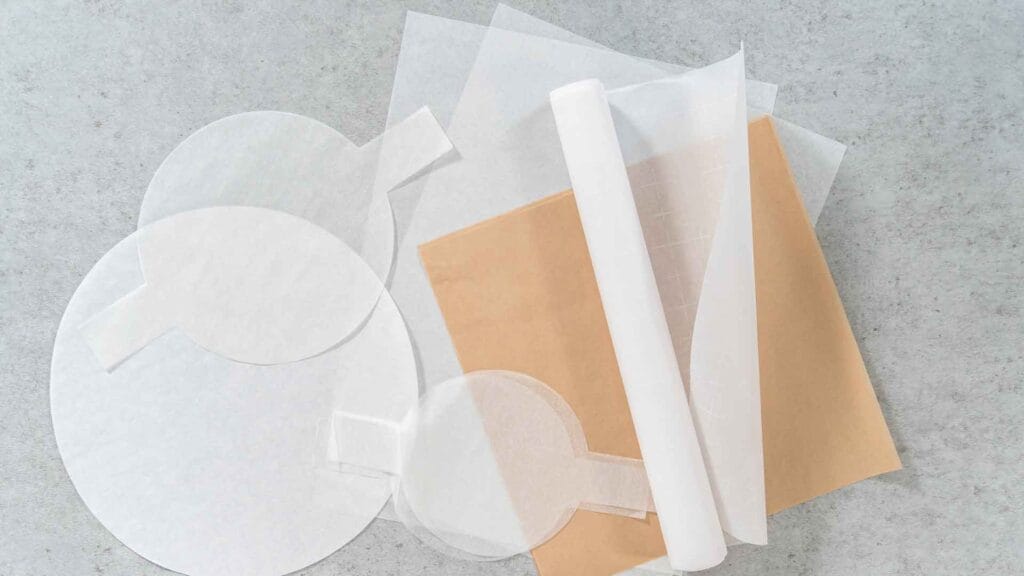
The industry is evolving with technological advancements:
- Eco-Friendly Filter Papers – Biodegradable and sustainable options
- High-Efficiency Laboratory Papers – Better retention and faster filtration
- Specialized Industrial Papers – Customized for specific particle sizes and chemical resistance
Manufacturers are constantly improving materials and designs to meet modern lab and industrial requirements.
Conclusion
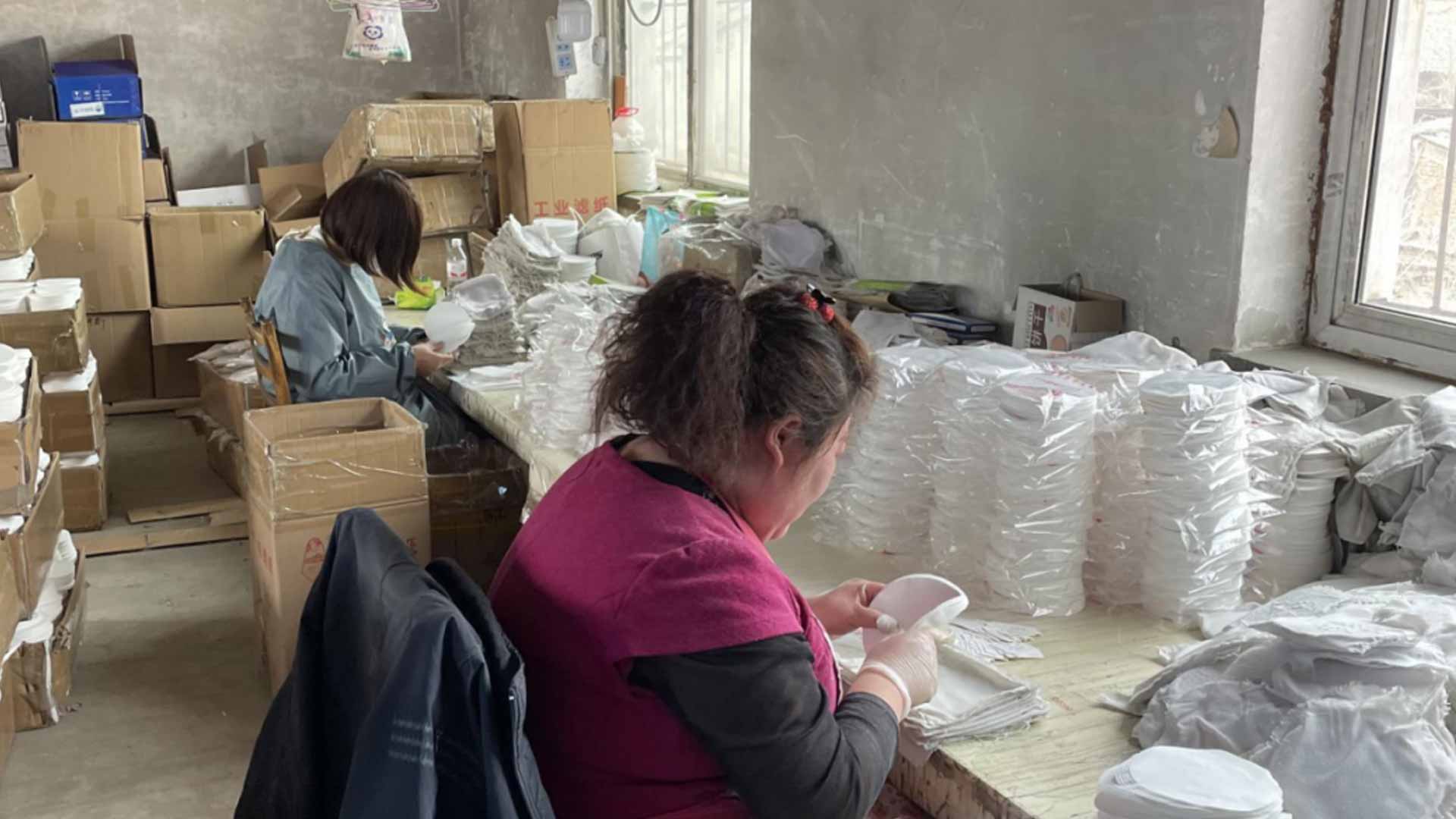
Understanding the filter paper function is essential for both laboratory and industrial applications. Selecting the right type ensures accurate results, improves efficiency, and reduces operational errors. As a manufacturer, we provide high-quality filter papers designed to meet the diverse needs of labs and industrial users. By choosing the correct filter paper and applying it properly, you can ensure reliable filtration, consistent results, and optimal performance in every application.
FAQ
What is the difference between quantitative and qualitative filter paper?
Quantitative filter paper is highly purified and consistent for precise measurements, while qualitative paper is used for routine filtration.
How does ashless filter paper function differ from standard filter paper?
Ashless filter paper leaves minimal residue, preventing contamination in sensitive chemical analyses.
Can filter paper be reused safely?
Depending on application, some papers can be reused, but most lab experiments require fresh paper for accuracy.
What is the best filter paper for water testing?
Papers with fine pore sizes (2–12 µm) are ideal for retaining suspended particles and providing reliable results.
How to maximize filtration efficiency using filter paper?
Select the correct type, maintain proper storage, and avoid overloading the paper with solids.