When a filtration line depends on oil cleanliness, fluid flow, and predictable maintenance, choosing the right industrial filter paper roll becomes a practical production decision. This guide explains how to compare specifications, applications, supplier questions, and custom options before you buy.
Table of Contents
What an Industrial Filter Paper Roll Does
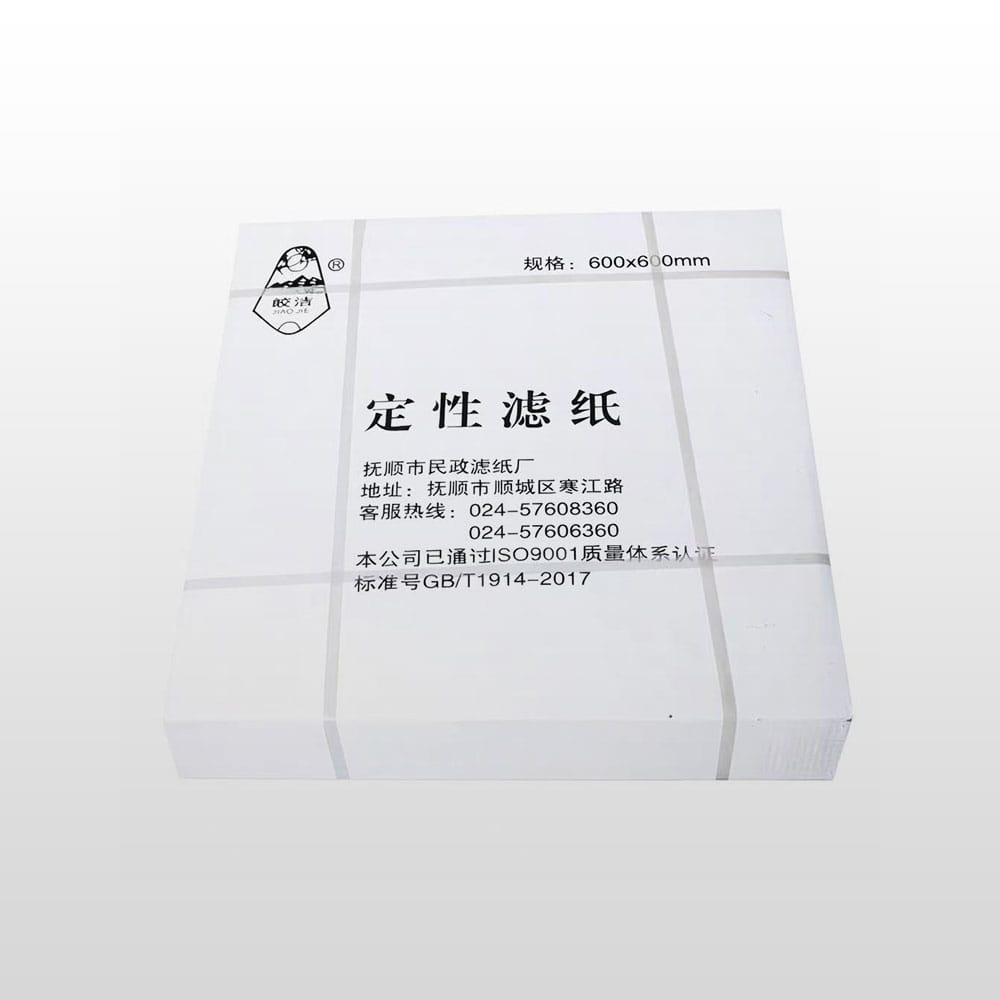
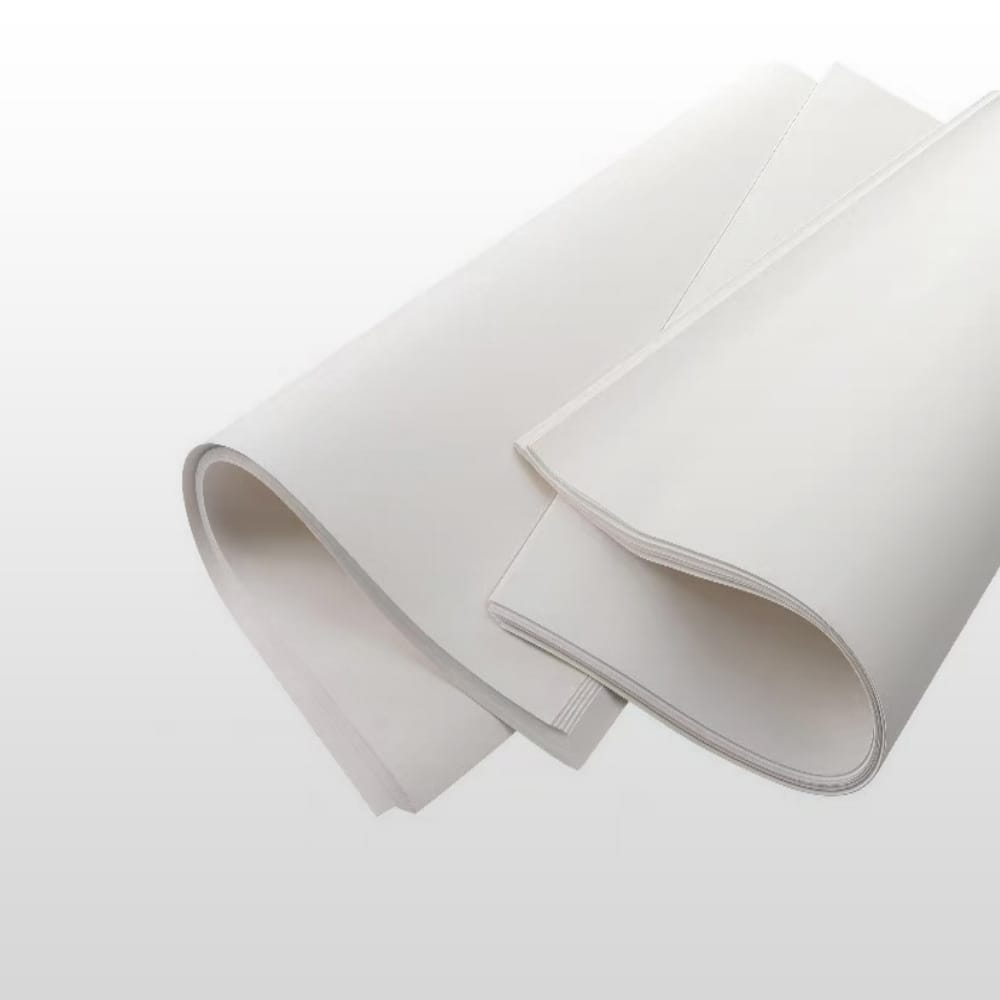
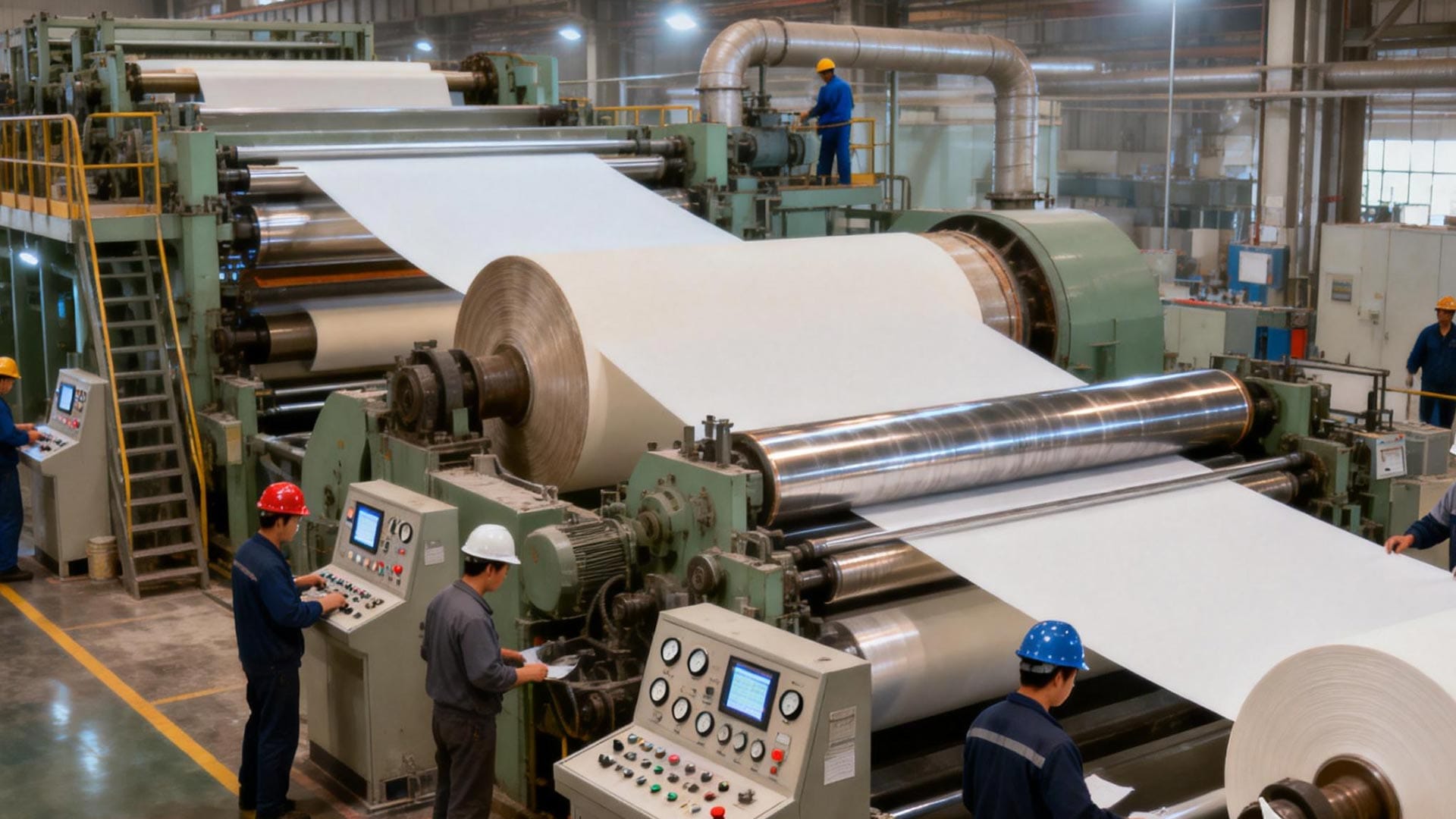
An industrial filter paper roll is a continuous filtration medium supplied in roll form for equipment that removes particles, sludge, moisture, and process residue from oils and industrial liquids. Instead of buying small sheets, a buyer can specify width, length, basis weight, wet strength, and filtration speed for a production line. In oil purification, chemical liquid handling, and machining coolant systems, the right industrial filter paper roll helps operators keep flow stable while reducing avoidable contamination.
Filtration is the physical separation of solid matter from a fluid through a filter medium, as explained in this overview of filtration. For B2B buyers, that basic principle becomes a purchasing decision: the paper must match the liquid, particle load, machine structure, and replacement schedule. A reliable industrial filter paper roll is not just paper; it is part of the process control system.
Where Filter Paper Rolls Are Commonly Used
The most common applications include transformer oil purification, lubricant filtration, turbine oil treatment, plating solution filtration, cutting fluid circulation, emulsion cleaning, and general chemical liquid clarification. These applications often run for long hours, so the industrial filter paper roll must balance retention with flow rate. If the paper blocks too early, operators lose productivity. If it is too open, particles pass through and the system stays dirty.
For power, petrochemical, and metal processing users, Fushun Civil Affairs Filter Paper Factory supplies large industrial filter paper designed for stable liquid filtration. Buyers can also review the site’s application guide to match filtration material with transformer oil, chemical liquids, cutting fluid, and analytical scenarios.
Key Specifications Buyers Should Confirm
Before ordering an industrial filter paper roll, confirm the roll width, roll length, core size, basis weight, tensile strength, wet strength, filtration speed, retention target, pH, and operating liquid. These details decide whether the paper will run smoothly on a plate-and-frame filter, roll filter, oil purifier, or custom filtration unit. A small mismatch in roll width or paper strength can cause wrinkles, tearing, bypass, or short service life.
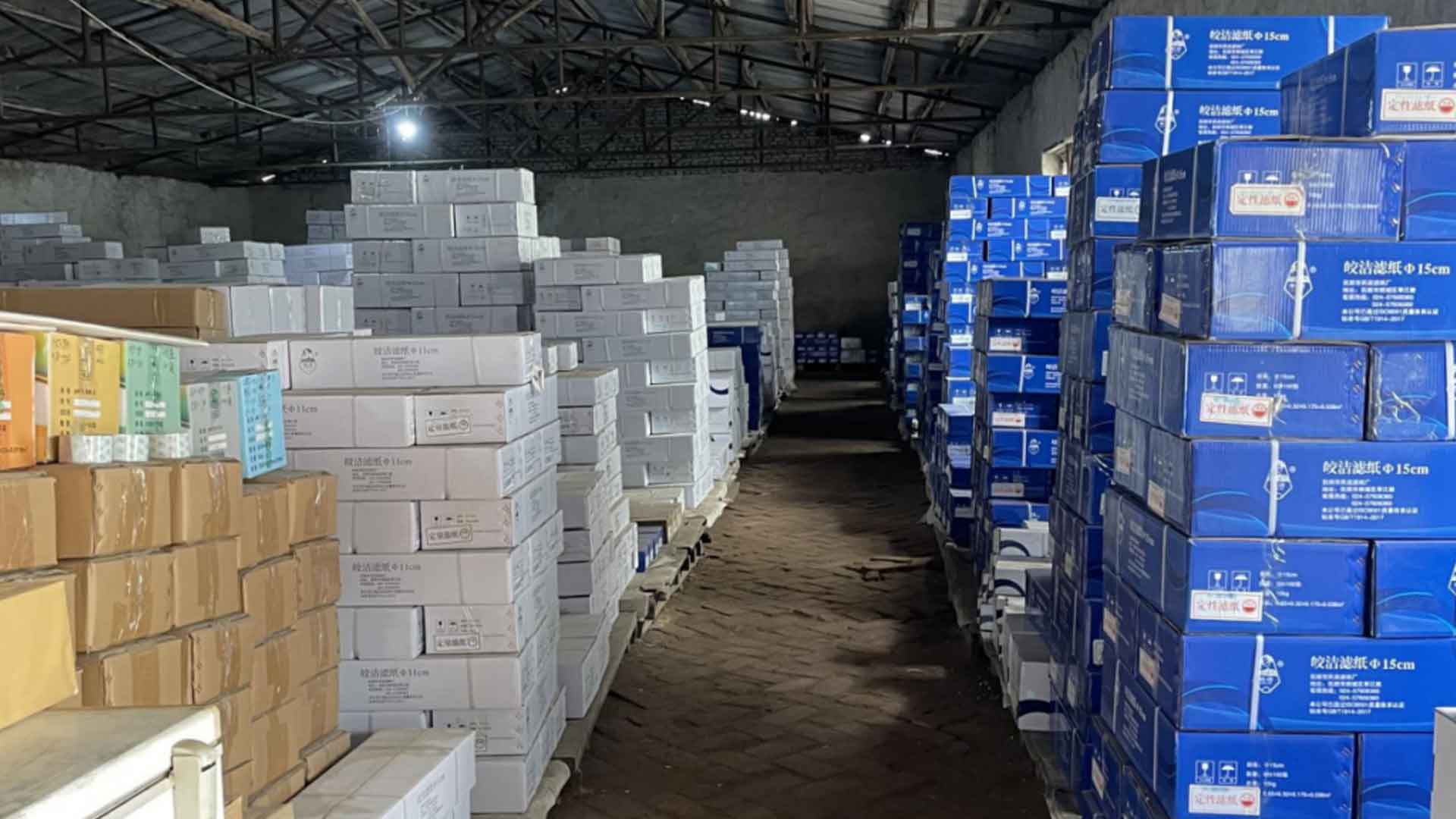
Buyers should also ask how the paper is packed and stored. Moisture, compression, and edge damage can affect installation. A manufacturer that understands industrial use can recommend a practical industrial filter paper roll specification instead of forcing every customer into one standard size.
| Application | Main liquid | Selection priority | Typical buyer concern |
|---|---|---|---|
| Transformer oil purification | Insulating oil | Moisture absorption and stable retention | Safer electrical maintenance |
| Lubricant and turbine oil | Oil products | Strength and service life | Reduced wear and downtime |
| Cutting fluid filtration | Emulsion and coolant | Flow stability and particle capture | Better machining consistency |
| Chemical liquid filtration | Process liquids | Compatibility and custom size | Continuous production support |
Flow Rate, Retention, and Service Life
A good industrial filter paper roll is chosen by balance, not by one number. Higher retention can capture finer particles, but it may reduce flow or increase pressure. Faster flow can improve throughput, but it may not remove enough contaminants for sensitive oil or chemical liquids. Service life depends on particle load, liquid viscosity, temperature, paper thickness, and how evenly the equipment distributes liquid across the roll.
The general properties of filter paper include wet strength, porosity, particle retention, flow rate, compatibility, efficiency, and capacity. In practical procurement, those properties should be translated into test results, sample trials, and clear operating feedback from the customer’s filtration line.

Material and Manufacturing Quality
Material consistency is critical because an industrial filter paper roll must perform the same way from one roll to the next. Pure cotton short fiber, uniform formation, neutral pH, and stable moisture control can improve strength and liquid compatibility. Poor formation may create weak areas, uneven filtration, or unpredictable flow. For buyers running continuous industrial processes, batch consistency is often more important than a very low unit price.
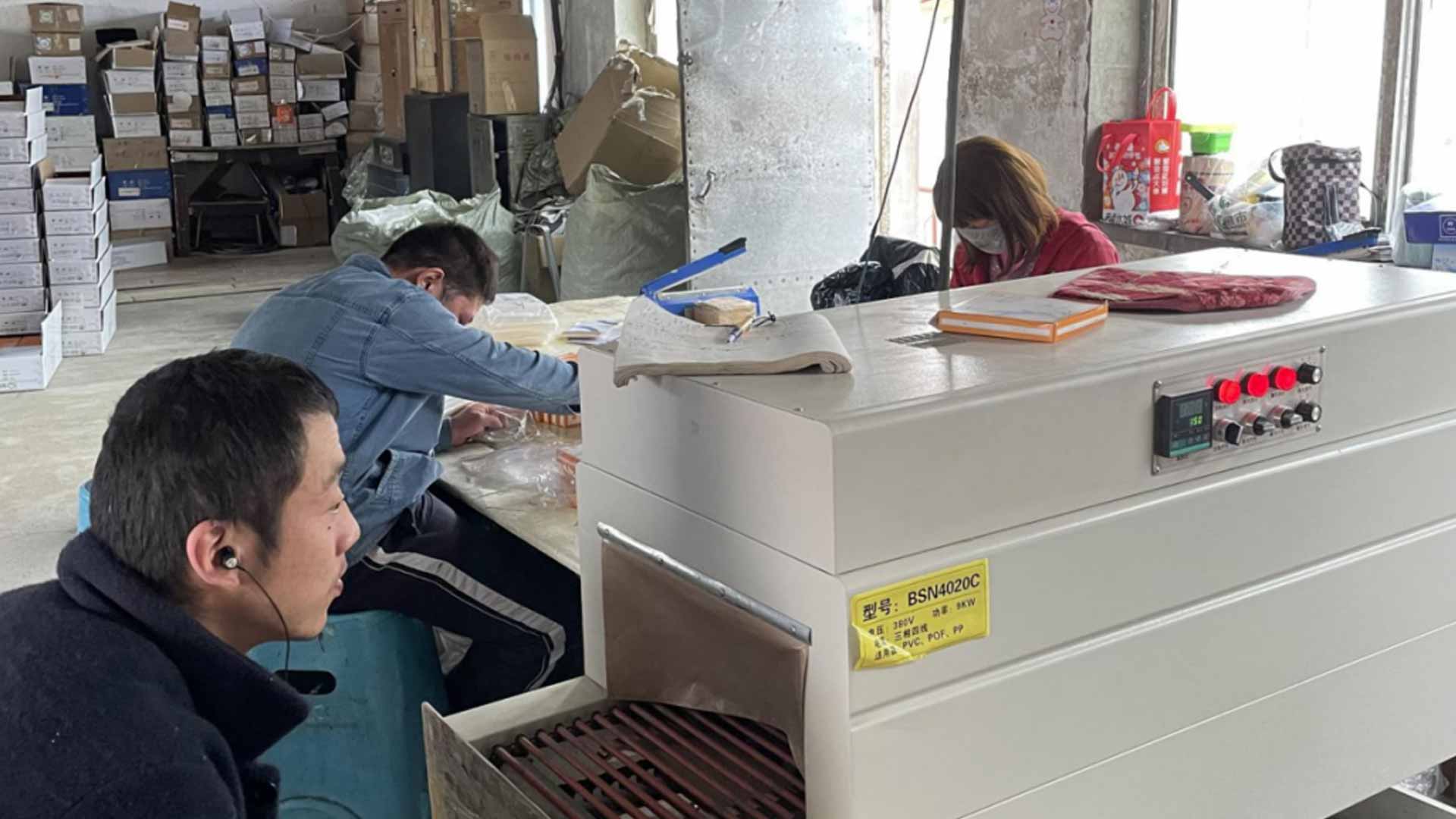
Fushun Civil Affairs Filter Paper Factory operates as an industrial and laboratory filter paper manufacturer with decades of production experience and quality control. ISO’s official page for ISO 9001 quality management systems is a useful reference for understanding why documented processes, inspection, and continual improvement matter in supplier evaluation.
How to Match a Roll to Your Filtration Equipment
Start with the equipment manual and current operating problem. Is the issue short paper life, slow flow, oil darkening, visible particles, high moisture, or frequent shutdowns? Then compare the filter bed width, feed pressure, liquid temperature, and installation method. A custom industrial filter paper roll may be needed when the machine uses a non-standard roll width, special folding path, or high particle load.
For industrial-use products, buyers can review the industrial use filter paper category. If the existing roll tears during operation, ask for higher wet strength. If fluid passes too slowly, test a faster grade. If contaminants remain, try a tighter grade or a different basis weight.
Industrial Liquid Filtration Selection Table
The table below gives a practical starting point. Final selection should be confirmed with liquid samples and trial operation because every industrial filter paper roll works inside a specific filtration system.
Questions to Ask a Filter Paper Supplier
A capable supplier should ask about your liquid, contaminant type, equipment model, operating hours, and current failure pattern. When discussing an industrial filter paper roll, ask whether custom width, basis weight, roll length, packaging, and sample testing are available. Also ask how the supplier controls moisture, thickness, ash, and strength during production.
Standards organizations such as ASTM International are useful reminders that test methods and documented specifications help buyers compare materials more clearly. In applications connected with wastewater or liquid discharge, the U.S. EPA’s Effluent Guidelines page also shows why industrial liquid treatment must be considered as part of a broader compliance and process-control system.
Custom Options for B2B Purchasing
Custom purchasing is often where an industrial filter paper roll creates real value. Buyers may need specific sheet width, roll diameter, core type, basis weight, packing quantity, or performance grade. Some customers want a longer service interval; others need a roll that fits older equipment. A manufacturer with flexible production can help reduce waste, simplify installation, and improve filtration stability.
If your team needs samples, technical discussion, or a quote for bulk supply, use the contact page. You can also compare related education articles in the filter paper blog before finalizing the industrial filter paper roll specification.
Conclusion
Choosing an industrial filter paper roll is a technical sourcing decision. The right roll should fit the equipment, handle the liquid, retain the target contaminants, maintain flow, and support stable production. For oil filtration, cutting fluid circulation, chemical liquid purification, and other industrial applications, buyers should test samples and confirm specifications before bulk ordering.
Fushun Civil Affairs Filter Paper Factory can support B2B buyers with industrial filter paper selection, custom roll specifications, sample evaluation, and stable supply. Send your liquid type, equipment size, roll width, and operating problem to request a practical industrial filter paper roll recommendation for your project.
FAQs
What is an industrial filter paper roll used for?
An industrial filter paper roll is used to remove particles, sludge, and moisture from oils, cutting fluids, emulsions, chemical liquids, and other process fluids.
How do I choose the right filter paper roll width?
Match the roll width to the filtration equipment, paper path, sealing area, and working bed width. Always confirm dimensions before bulk ordering.
Can industrial filter paper rolls be customized?
Yes. A custom industrial filter paper roll can be produced by width, basis weight, roll length, strength, filtration speed, and packing requirement.
Which industries use industrial filter paper rolls?
Common users include power plants, oil refineries, petrochemical plants, metalworking factories, machinery manufacturers, plating facilities, and chemical processors.
Should I test samples before placing a bulk order?
Yes. Sample testing helps confirm flow rate, retention, wet strength, installation fit, and service life under real operating conditions.