Table of Contents
Introduction
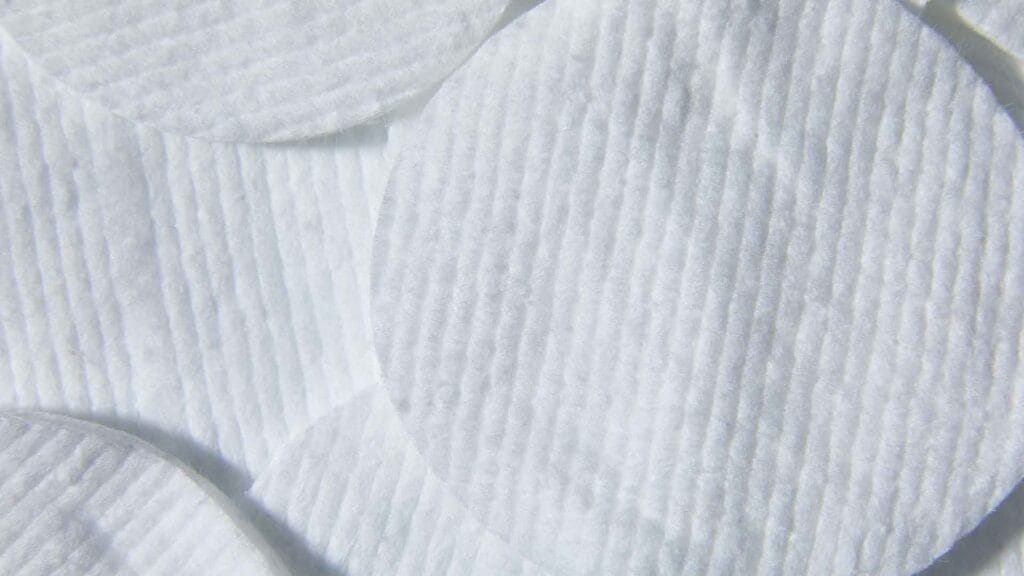
Lens cleaning paper is a critical consumable in optical maintenance and precision cleaning workflows. It is widely used in industries where surface clarity directly impacts performance, such as photography, laboratory optics, medical devices, and electronic manufacturing.
As a lens cleaning paper manufacturer, consistent product quality, lint-free performance, and controlled production standards are essential to meeting global industrial requirements. High-grade optical cleaning paper is designed to safely remove dust, oil, and fingerprints without damaging delicate coated surfaces.
The increasing demand for precision optics has made professional-grade lens cleaning paper an essential part of maintenance systems across multiple industries.
What Is Lens Paper and How It Works
Lens paper is a specially engineered, ultra-soft, lint-free tissue designed for cleaning optical surfaces without scratching or leaving residue.
Unlike standard tissue paper, optical cleaning paper is manufactured with controlled fiber structures that allow:
- Safe removal of oil and fingerprints
- High absorbency for cleaning solutions
- Zero lint contamination during wiping
- Protection for anti-reflective coated lenses
The cleaning mechanism is simple but effective: fine cellulose fibers trap microscopic particles while maintaining a smooth surface contact, reducing abrasion risk on precision optics.
Key Materials Used in High-Quality Lens Cleaning Paper
The performance of lens cleaning paper depends heavily on raw materials and manufacturing precision.
Common material types include:
- Pure cellulose fiber (most widely used in optical-grade products)
- Refined wood pulp with high absorbency control
- Special blended fibers for enhanced strength and softness
Key performance characteristics:
- Lint-free structure for contamination-free cleaning
- High absorbency for oil and liquid removal
- Soft texture to avoid micro-scratches
- Uniform fiber distribution for consistent cleaning results
Manufacturers that specialize in optical cleaning paper typically apply strict material screening and dust-free production environments to ensure product stability.
Why Manufacturing Standards Matter in Lens Cleaning Paper Production
Production quality plays a direct role in the performance of lens paper. Even small variations in fiber density or contamination levels can affect optical safety.
Key manufacturing factors include:
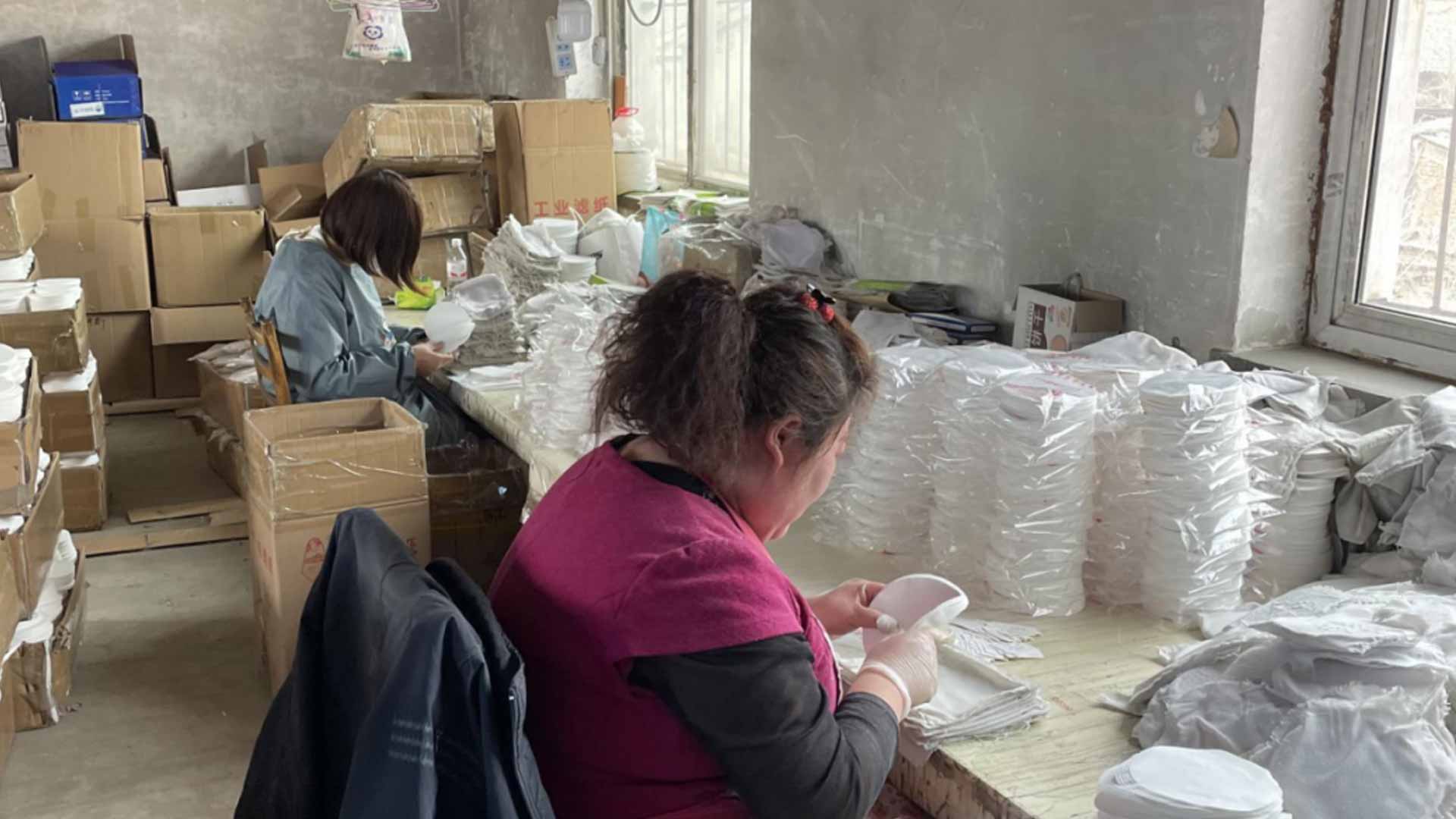
- Cleanroom production environments to prevent dust contamination
- Precision cutting for consistent sheet size and usability
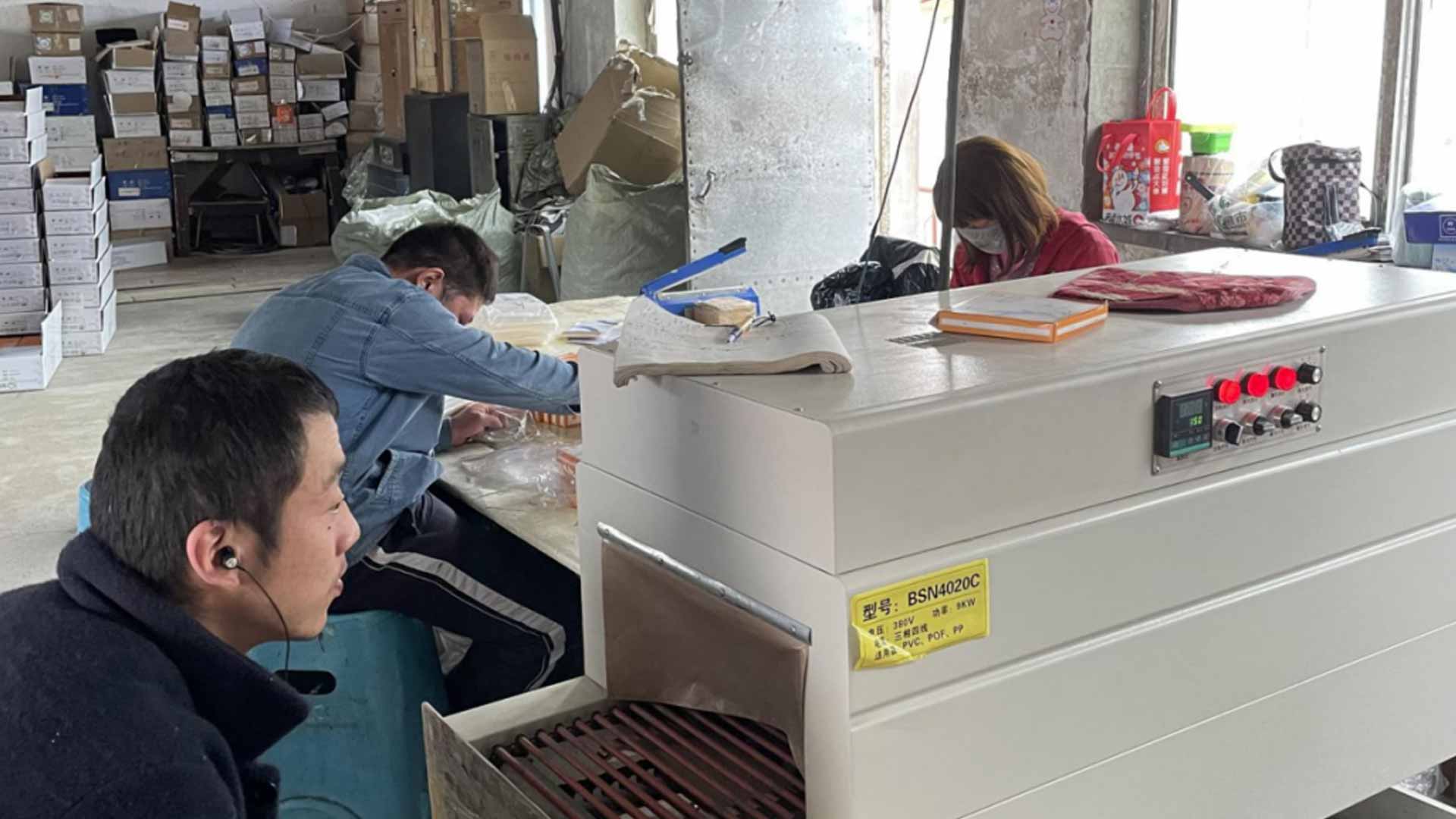
- Automated folding and packaging systems
- Multi-stage quality inspection processes
- Controlled humidity storage to maintain fiber stability
Choosing a direct lens paper manufacturer ensures consistent supply quality, better pricing control, and customization options for industrial buyers.
Types of Lens Cleaning Paper Available in the Market
| Type | Description | Best Application |
|---|---|---|
| Standard optical tissue sheets | Basic lint-free cleaning paper | General lens maintenance |
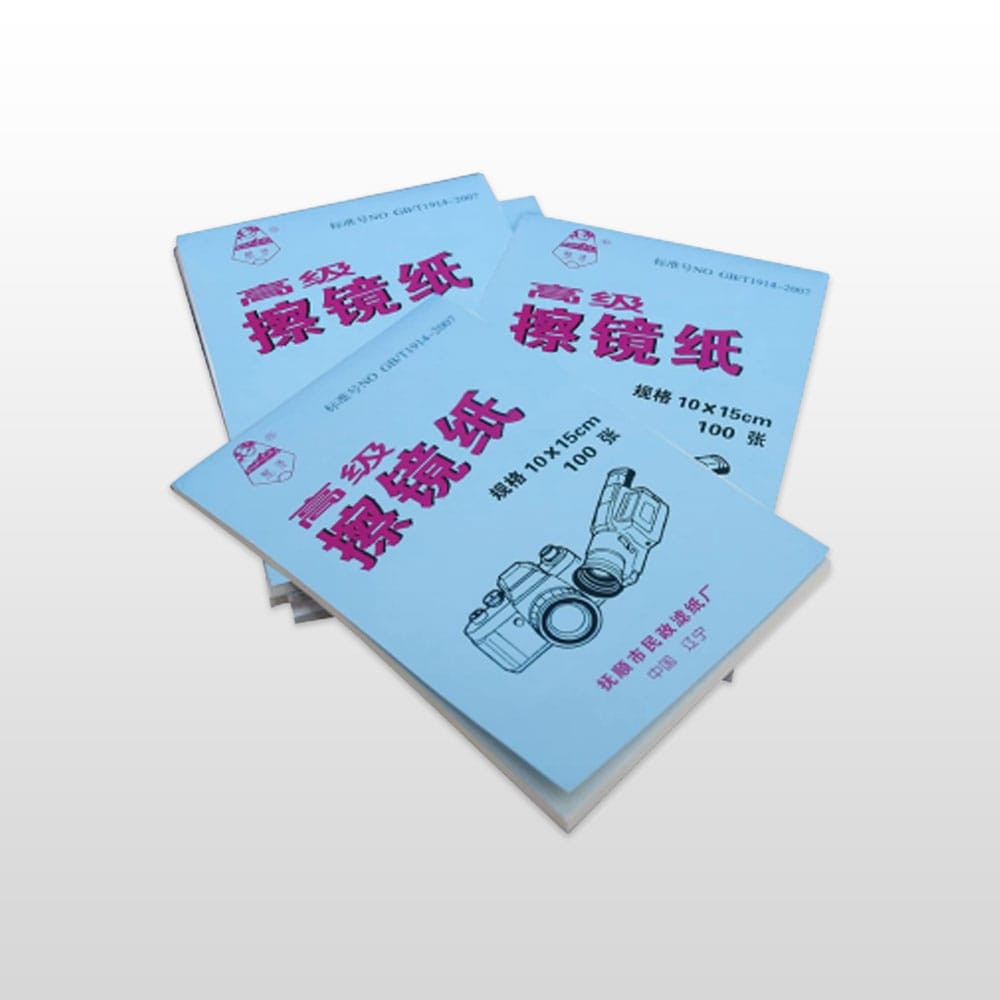
| Pre-cut cleaning paper packs | Convenient ready-to-use sheets | Photography and field use |
| Industrial-grade cleaning paper | High durability and absorbency | Electronics and lab optics |
| Ultra-fine optical tissue | Extremely soft fiber structure | Coated and sensitive lenses |
| Bulk wholesale packaging | Large quantity supply format | Distributors and OEM buyers |
Each type is designed for different cleaning environments, from personal camera use to industrial-scale optical maintenance.
How to Evaluate the Best Lens Cleaning Paper for Professional Use

Selecting high-performance lens paper requires evaluating several technical and practical factors.
Key evaluation criteria:
- Lint-free performance under microscopic inspection
- Absorbency efficiency for oils and cleaning liquids
- Scratch resistance on coated optical surfaces
- Fiber softness and thickness balance
- Packaging protection against contamination
- Consistency across production batches
Professional users often prioritize manufacturer-grade products because stability and repeatability are essential in optical applications.
Common Applications of Lens Paper Across Industries
Lens paper is widely used across multiple precision-driven sectors:
- Camera lenses and photography equipment maintenance
- Laboratory microscopes and research optics
- Medical diagnostic and imaging devices
- Semiconductor manufacturing environments
- Industrial inspection and measurement systems
In all these applications, optical clarity directly affects accuracy, safety, or product quality.
Lens Cleaning Paper vs Other Cleaning Materials
| Feature | Lens Cleaning Paper | Microfiber Cloth | Standard Tissue |
|---|---|---|---|
| Lint-free performance | High | Medium | Low |
| Scratch safety | High | Medium | Low |
| Disposal convenience | Single-use | Reusable | Single-use |
| Contamination control | Excellent | Moderate | Poor |
| Industrial suitability | High | Limited | Not recommended |
Lens cleaning paper remains the preferred solution in precision environments due to its disposable nature and controlled cleanliness.
Wholesale and Manufacturer Supply Considerations
For distributors and industrial buyers, sourcing directly from a lens cleaning paper manufacturer provides several advantages:
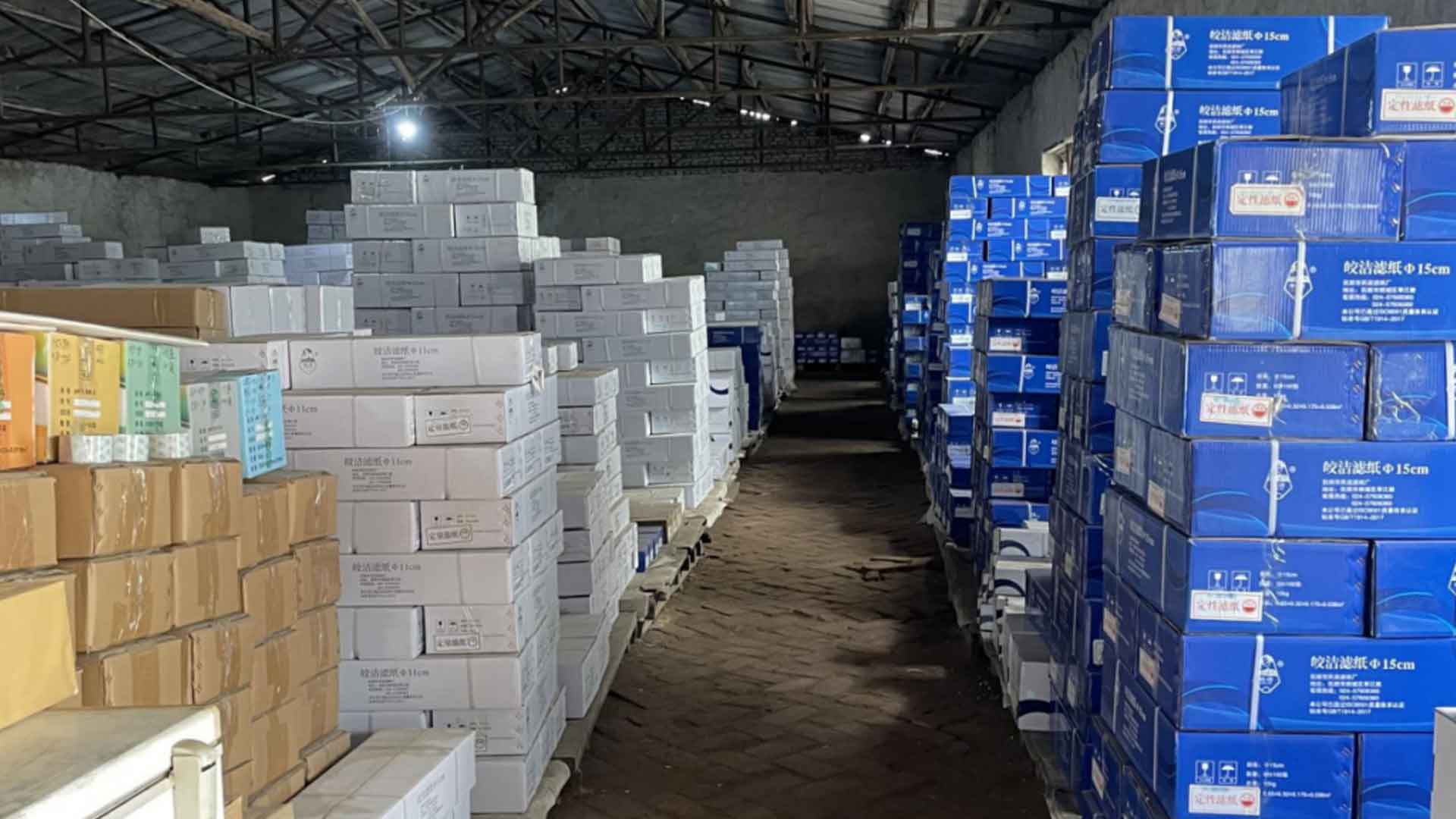
- Stable bulk production capacity
- OEM and private label customization options
- Competitive wholesale pricing
- Export-grade packaging solutions
- Consistent quality control across batches
Many global buyers prefer manufacturer-direct supply to ensure long-term stability and reduce procurement risks in optical consumable sourcing.
How to Ensure Safe and Effective Lens Cleaning Practices
Proper usage techniques are essential to maximize performance and avoid damage:
- Always use a fresh sheet for each cleaning task
- Fold the paper to create a soft contact surface
- Apply gentle, straight-line wiping motion
- Avoid circular scrubbing on coated lenses
- Use with approved optical cleaning solutions when necessary
- Store in dry, dust-free conditions to maintain cleanliness
Correct handling significantly improves lens lifespan and optical performance.
Conclusion
Choosing the best lens cleaning paper for professional use requires a clear understanding of material quality, manufacturing standards, and application requirements. High-quality optical cleaning paper ensures safe, residue-free, and scratch-resistant cleaning across sensitive optical systems.
From a manufacturing perspective, strict production control, consistent raw materials, and cleanroom environments are essential to delivering reliable performance. Working directly with a professional lens cleaning paper manufacturer provides advantages in quality stability, OEM customization, and bulk supply efficiency.
As demand for precision optics continues to grow across industries, selecting the right lens cleaning paper is not only a maintenance decision but also a critical factor in protecting optical performance and ensuring long-term equipment reliability.
FAQ
What is lens cleaning paper used for?
Lens cleaning paper is used to safely remove dust, fingerprints, oil, and debris from optical surfaces such as camera lenses, microscopes, medical devices, and precision instruments without scratching or leaving residue.
Is lens paper safe for coated lenses?
Yes. High-quality optical lens paper is designed to be lint-free and non-abrasive, making it safe for anti-reflective and other coated lenses when used correctly with gentle wiping techniques.
What is the difference between lens cleaning paper and microfiber cloth?
Lens cleaning paper is disposable and ensures zero contamination risk for each use, while microfiber cloth is reusable but may retain particles over time. For precision optics, lens cleaning paper offers more consistent cleanliness.
Can lens cleaning paper leave scratches on lenses?
Properly manufactured lens cleaning paper will not scratch lenses. However, scratches can occur if dirt particles are trapped between the paper and surface, which is why single-use application is recommended.
Why should I choose lens paper from a manufacturer?
Buying directly from a lens paper manufacturer ensures stable quality, lint-free production standards, bulk supply capability, and OEM customization options for industrial and wholesale buyers.