Table of Contents
Introduction
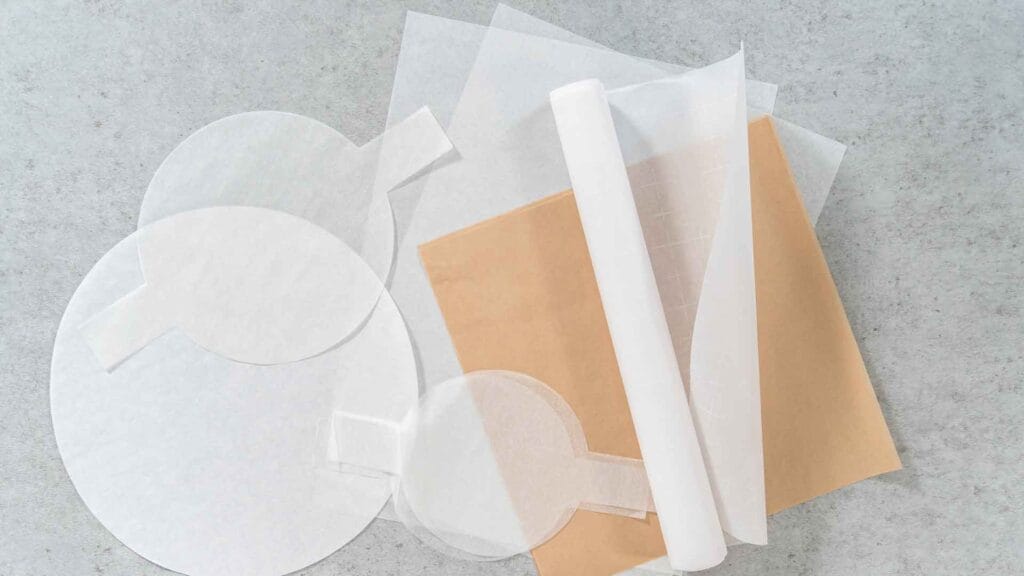
Blot filter paper is a fundamental consumable widely used in scientific research, biotechnology, and analytical laboratories. As a direct blot filter paper manufacturer, we understand how critical consistent quality is for ensuring accurate experimental outcomes and stable laboratory performance.
In practical applications, blot filter paper is used for liquid absorption, protein transfer support, and sample preparation processes. Its role is especially important in techniques such as Western blotting, chromatography, and molecular biology workflows, where precision and reproducibility are essential.
What Is Blot Filter Paper and How It Works
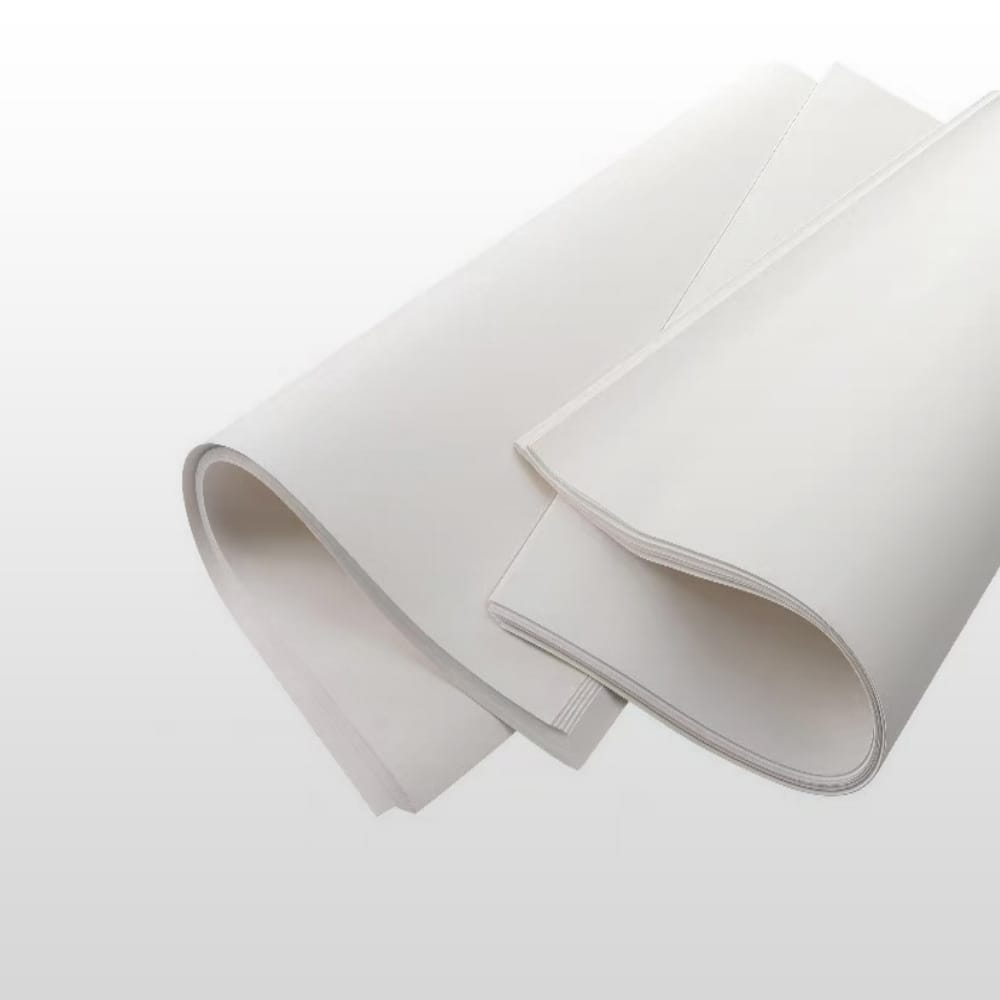
Blot filter paper is a cellulose-based laboratory material designed with high porosity and uniform fiber structure. Its main function is to absorb liquids efficiently while maintaining structural stability during experiments.
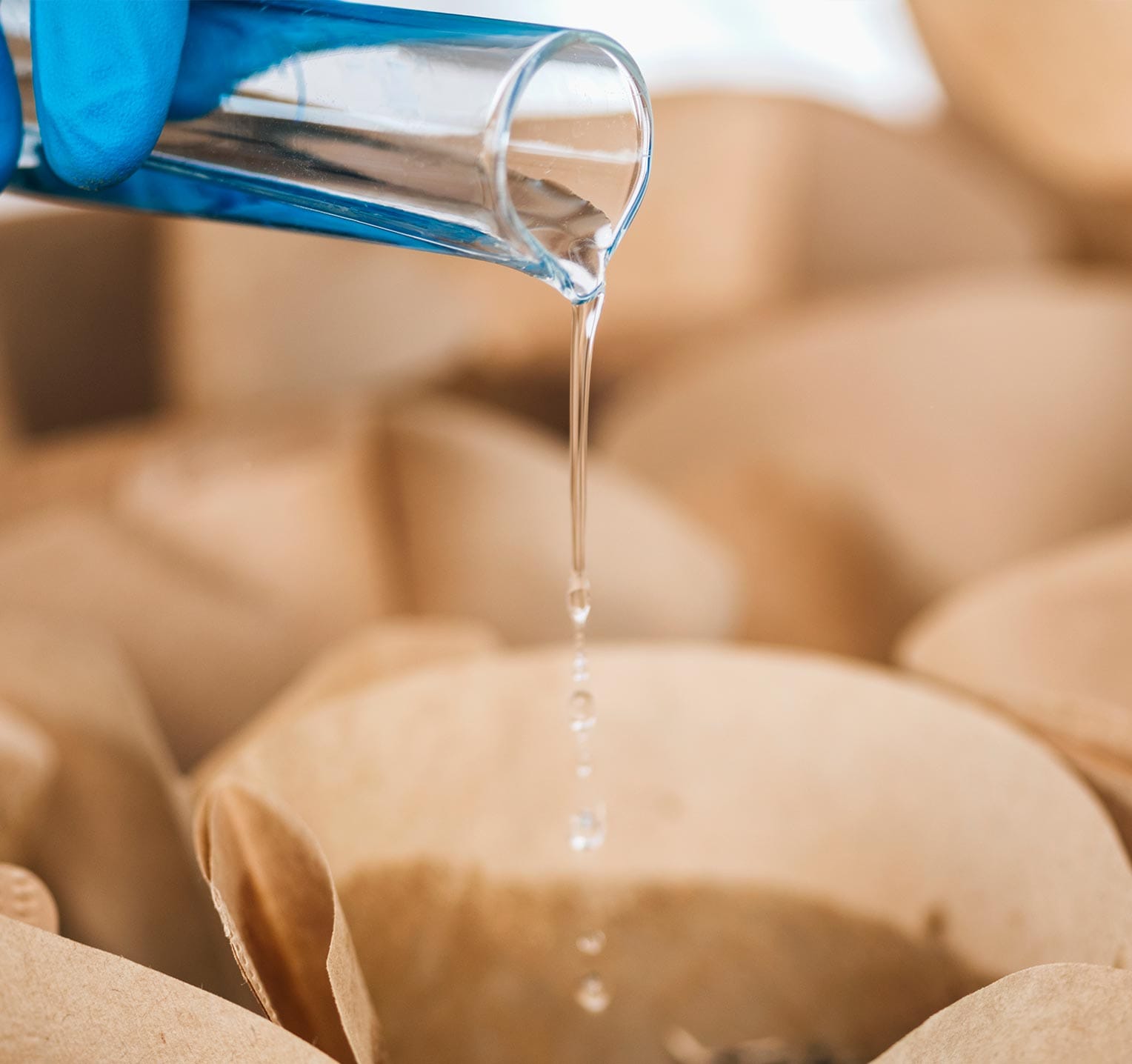
The working principle is based on capillary action. The fiber network draws liquid into the paper matrix, allowing controlled absorption and transfer. Compared with standard paper products, filter paper offers higher purity, better consistency, and lower contamination risk.
Key characteristics include:
- High liquid absorption efficiency
- Uniform fiber distribution
- Stable wet strength
- Controlled permeability
Key Manufacturing Standards for Filter Paper
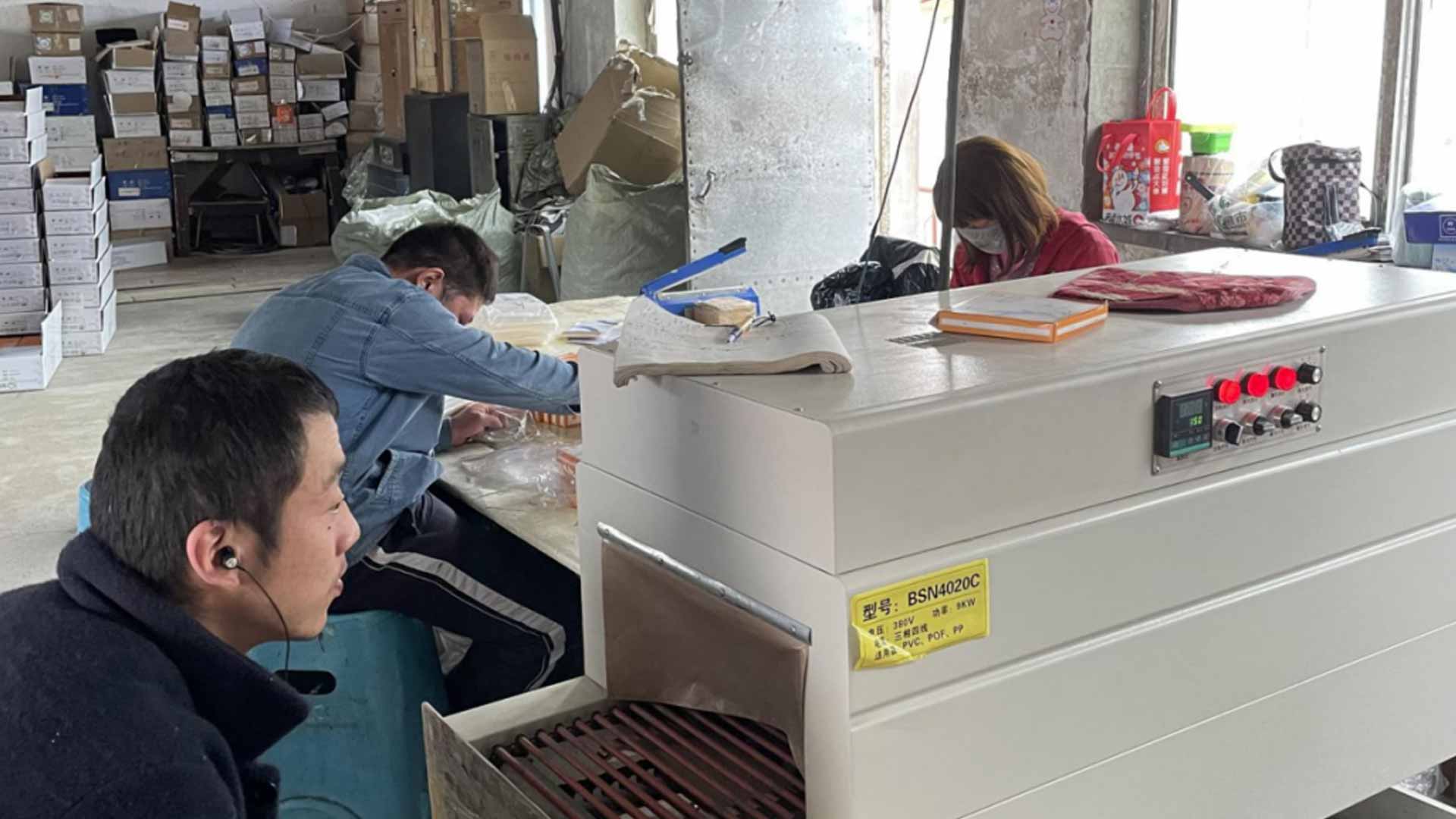
As a professional filter paper manufacturer, production quality is strictly controlled at every stage. Raw material selection is the foundation, typically using high-purity cellulose fibers to ensure low impurity levels and consistent absorption performance.
The manufacturing process generally includes fiber pulping, sheet forming, pressing, drying, and precision cutting. Each batch is tested to ensure compliance with laboratory-grade standards.
Quality control focuses on:
- Thickness consistency
- Absorption rate stability
- Ash content control
- Mechanical strength after wetting
- Surface uniformity
These parameters directly influence experimental reliability in laboratory applications.
Types of Blot Filter Paper Used in Laboratories
Different laboratory applications require different grades of filter paper. Selecting the correct type ensures optimal experimental performance.
Common types include:
- Qualitative blot filter paper for general laboratory filtration
- Quantitative ashless filter paper for analytical chemistry
- High-absorbency blotting paper for protein transfer
- Low protein binding filter paper for biotechnology applications
Each type is engineered to meet specific scientific requirements, especially in molecular biology and biochemical research.
Blot Filter Paper in Western Blot and Protein Analysis
Blot filter paper plays a critical supporting role in Western blotting techniques. It is used to maintain uniform pressure and ensure efficient protein transfer from gel to membrane.
During electrophoresis workflows, filter paper helps stabilize the transfer stack and regulates buffer distribution. This directly impacts signal clarity and experimental accuracy.
In protein analysis, high-quality filter paper reduces background interference and improves reproducibility across repeated experiments.
How to Select the Right Filter Paper for Your Application

Choosing the correct filter paper depends on experimental requirements, including absorption speed, fiber density, and compatibility with laboratory protocols.
Important selection factors include:
- Required absorption rate
- Thickness and mechanical strength
- Compatibility with membranes (nitrocellulose or PVDF)
- Experimental sensitivity level
- Buffer solution characteristics
A proper selection ensures stable results and reduces experimental variation.
Common Technical Specifications Buyers Should Evaluate
| Specification | Description | Importance in Lab Use |
|---|---|---|
| Basis Weight (gsm) | Paper density per square meter | Affects absorption strength and durability |
| Thickness | Physical thickness of sheet | Influences stacking and transfer efficiency |
| Capillary Rise | Liquid absorption speed | Determines transfer speed and uniformity |
| Ash Content | Residual inorganic content | Impacts purity for sensitive tests |
| Fiber Purity | Cellulose content level | Reduces contamination risk |
| Sheet Size | Standard or custom dimensions | Ensures compatibility with equipment |
These technical parameters are essential for laboratories requiring consistent and reliable consumables.
Blot Filter Paper Manufacturing Advantages from a Direct Supplier
Working directly with a filter paper manufacturer provides significant advantages for laboratories, distributors, and research institutions.
Key benefits include:
- Factory-direct pricing without intermediaries
- Stable production quality across batches
- OEM and private label customization
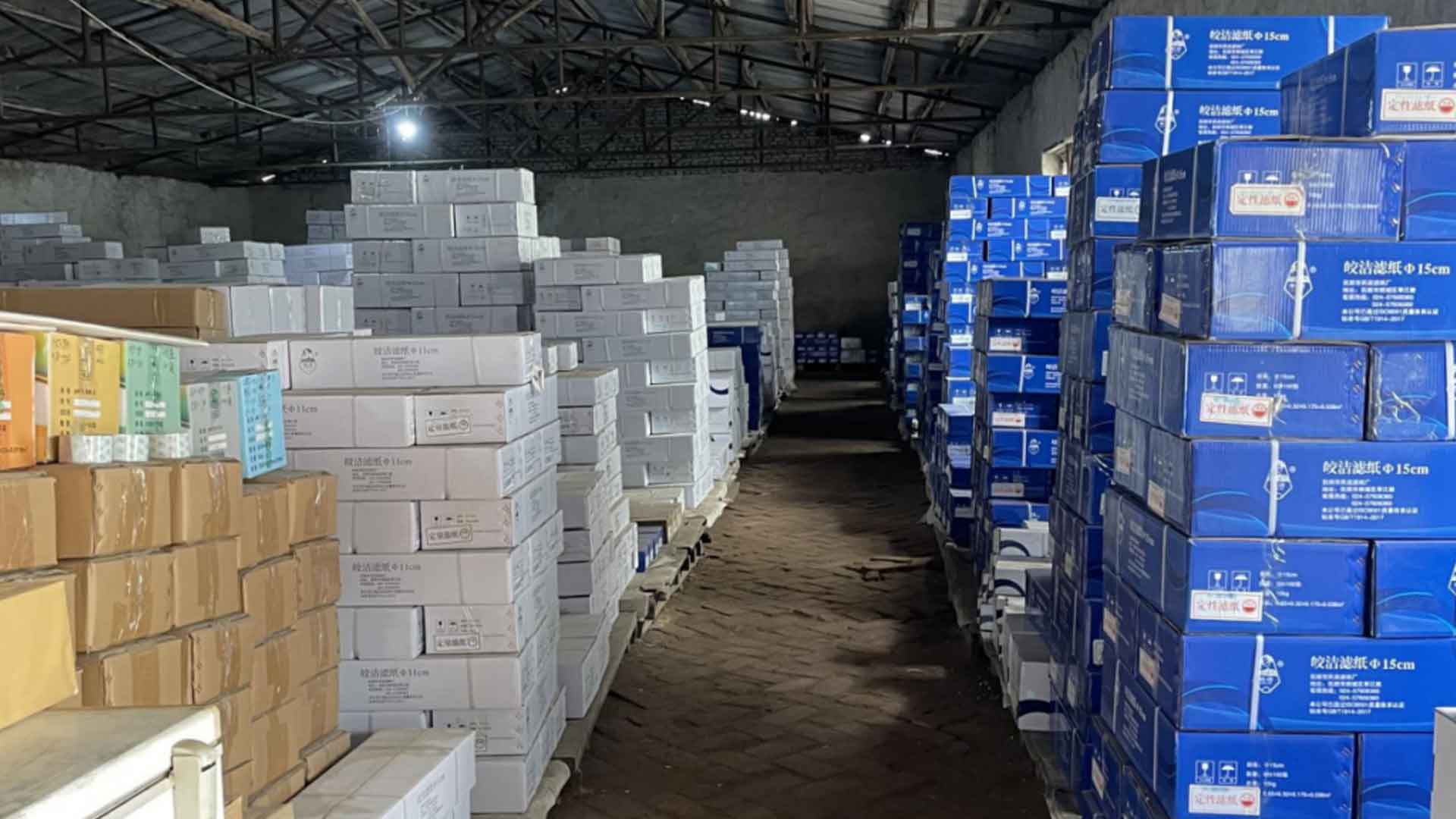
- Large-scale bulk supply capability
- Faster lead time for international orders
This direct supply model ensures both cost efficiency and product reliability.
Blot Filter Paper Applications Across Scientific Industries
Blot filter paper is widely used in multiple scientific and industrial fields, including:
- Molecular biology research
- Biochemical and protein studies
- Pharmaceutical quality testing
- Clinical diagnostic laboratories
- Chromatography and separation techniques
- Academic research institutions
Its versatility makes it an essential consumable in modern laboratory environments.
How Manufacturing Quality Impacts Experimental Results
The quality of filter paper directly influences experimental accuracy. Poor fiber uniformity or inconsistent absorption can lead to uneven protein transfer or data variability.
High-quality manufacturing ensures:
- Stable liquid flow distribution
- Reliable protein transfer efficiency
- Reduced background noise in imaging
- Improved reproducibility of test results
For sensitive laboratory workflows, consistent material quality is critical.
Packaging, Storage, and Handling Best Practices
Proper handling of filter paper helps maintain its performance and shelf life.
Recommended practices include:
- Store in a dry, moisture-free environment
- Keep in sealed packaging until use
- Avoid contamination from dust or chemicals
- Maintain stable room temperature conditions
- Use clean tools during handling
These measures ensure that laboratory performance remains consistent over time.
Why Work Directly with a Blot Filter Paper Manufacturer
Partnering directly with a manufacturer provides technical and commercial advantages that distributors cannot always offer.
These include:
- Direct access to production expertise
- Custom specifications based on application needs
- More competitive pricing for bulk orders
- Reliable long-term supply chain stability
- Faster response to technical requirements
For laboratories and global distributors, this direct relationship improves both efficiency and product consistency.
Conclusion
Selecting the right blot filter paper is essential for achieving accurate and reproducible laboratory results. Understanding material properties, manufacturing standards, and application requirements helps users make more informed decisions.
As a dedicated blot filter paper manufacturer, we focus on delivering consistent quality, scalable production capacity, and application-specific solutions for global laboratory consumables markets.
FAQ
What is blot filter paper used for in laboratories?
Blot filter paper is used for liquid absorption, protein transfer support, and sample handling in applications such as Western blotting, chromatography, and biochemical analysis.
What is the difference between blot filter paper and regular filter paper?
Blot filter paper has higher purity, uniform fiber structure, and better absorption control, making it suitable for sensitive laboratory and molecular biology applications.
How do I choose the right blot filter paper grade?
Selection depends on absorption speed, thickness, ash content, and application requirements such as protein analysis or general laboratory filtration.
Is blot filter paper suitable for Western blot applications?
Yes, blot filter paper is widely used in Western blotting to support protein transfer and ensure uniform buffer distribution across membranes.
Can filter paper be purchased in bulk from manufacturers?
Yes, many filter paper manufacturers offer bulk supply, OEM customization, and wholesale options for laboratories and distributors.