Table of Contents
Introduction
In industrial production and maintenance systems, oil quality directly affects equipment performance, service life, and operational cost. Contaminated oil is one of the most common causes of system failure in hydraulic equipment, transformers, engines, and lubrication systems.
As a professional filter paper for oil manufacturer, we develop filtration solutions designed to improve oil purity, extend machinery life, and reduce maintenance downtime. This article explains how oil filter paper works, where it is used, and how to select the right product for industrial applications.
Filter paper remains one of the most efficient and cost-effective solutions in oil purification systems, especially in large-scale industrial environments.
What Is Filter Paper for Oil and Its Core Function
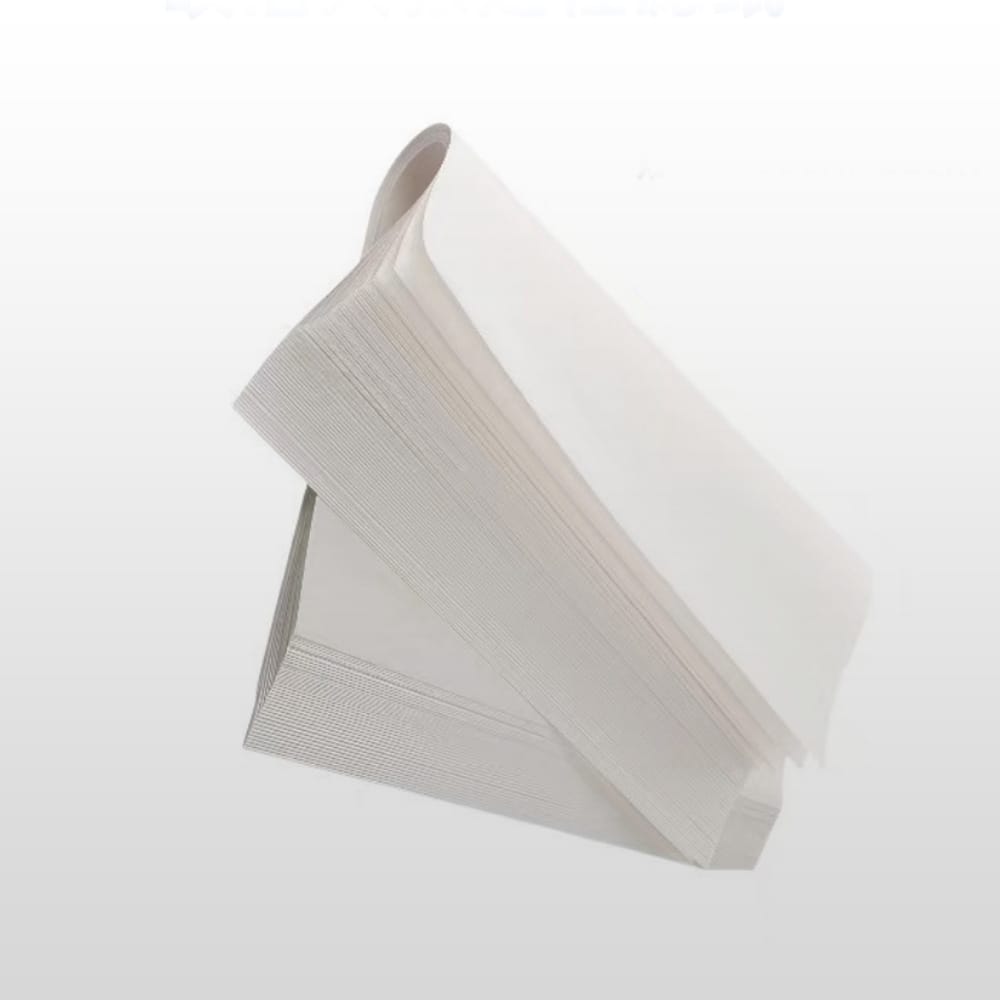
Filter paper for oil is a specially engineered porous material designed to remove solid particles, sludge, carbon deposits, and impurities from different types of oil.
Unlike general-purpose paper, industrial oil filter paper is manufactured with controlled fiber density and permeability to ensure consistent filtration performance.
Its core functions include:
- Removing suspended particles from oil
- Improving oil clarity and performance
- Extending lubrication efficiency
- Protecting mechanical components from wear
Common related terms include oil filtration paper, industrial filter paper for oil, and oil purification filter media.
Types of Filter Paper for Oil Applications
Different industrial applications require different filtration grades. The main types include:
- Cellulose-based filter paper
- Synthetic fiber filter paper
- High-temperature resistant filter paper
- Composite multi-layer filter media
- OEM/customized filter paper solutions
Comparison Overview
| Type | Key Feature | Application |
|---|---|---|
| Cellulose Filter Paper | High absorption capacity | Hydraulic & lubrication systems |
| Synthetic Fiber Paper | Strong chemical resistance | Industrial oil recycling |
| High-Temperature Paper | Heat stability | Engine oil & transformer oil |
| OEM Customized Paper | Tailored specification | Specialized industrial systems |
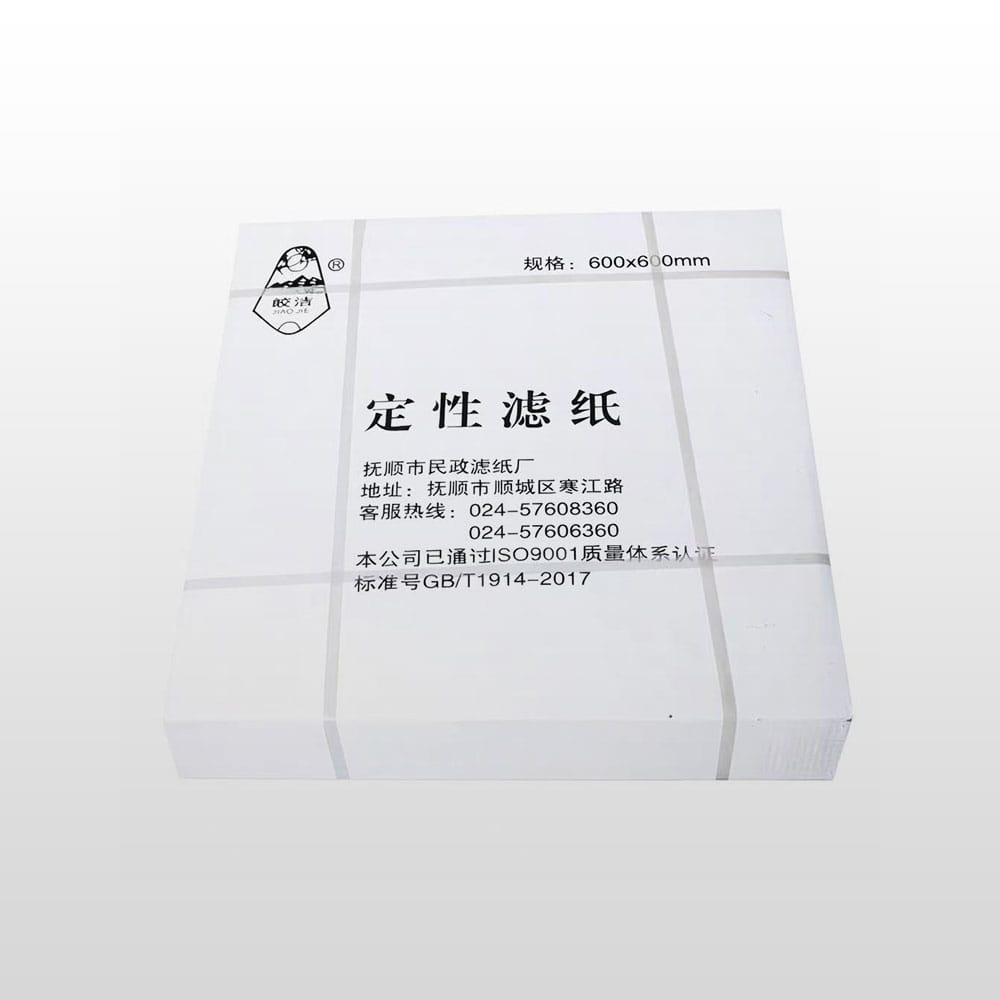
As a manufacturer, we provide OEM oil filter paper solutions based on client equipment requirements.
How Filter Paper for Oil Filtration Works in Industrial Systems
Oil filtration using filter paper is based on a simple but highly effective principle: physical separation through porous media.
The process typically includes:
- Oil enters the filtration system
- Contaminants are trapped in the fiber structure
- Clean oil passes through the paper
- Purified oil returns to the system
There are two common filtration methods:
- Gravity filtration systems
- Pressure-driven industrial filtration systems
Efficiency depends on:
- Fiber density
- Flow rate
- Oil viscosity
- Particle size distribution
This makes industrial oil filtration systems highly dependent on proper filter paper selection.
Key Materials Used in High-Quality Oil Filter Paper
Material selection determines filtration performance and durability. High-quality oil filter paper is typically made from:
- Refined cellulose fibers
- Synthetic polymer fibers
- Heat-resistant composite materials
- Chemical-treated filtration media
Key performance requirements include:
- Controlled porosity
- High dirt-holding capacity
- Chemical stability
- Mechanical strength under pressure
As a professional manufacturer, material consistency is a critical factor in ensuring stable filtration results.
Applications of Filter Paper for Oil in Different Industries

Oil filter paper is widely used across multiple industrial sectors:
- Transformer oil purification systems
- Hydraulic oil cleaning systems
- Engine oil maintenance systems
- Industrial lubricant filtration
- Waste oil recycling systems
- Biodiesel processing systems
- Metalworking fluid purification
Each application requires different filtration precision and durability standards, especially in continuous operation environments.
How to Choose the Right Filter Paper for Oil Filtration System
Selecting the correct filter paper is essential for achieving optimal filtration performance.
Key factors include:
- Micron rating (particle filtration size)
- Oil viscosity compatibility
- Temperature resistance
- Flow rate requirements
- Chemical resistance level
- Equipment system design
Choosing the wrong specification may lead to:
- Premature clogging
- Reduced filtration efficiency
- Increased maintenance cost
Advantages of Using High-Quality Oil Filter Paper
Using premium-grade filter paper delivers measurable industrial benefits:
- Extended oil service life
- Reduced machine wear and breakdown risk
- Lower maintenance frequency
- Stable system performance
- Improved operational efficiency
High-quality industrial oil filter paper also helps reduce overall production costs by minimizing oil replacement cycles.
Filter Paper for Oil vs Other Filtration Methods
Different filtration technologies exist in the market. However, filter paper remains one of the most widely used due to its balance of cost and performance.
| Filtration Method | Cost | Efficiency | Maintenance | Application |
|---|---|---|---|---|
| Filter Paper | Low | High | Easy replacement | Industrial oil systems |
| Filter Cloth | Medium | Medium | Medium | Coarse filtration |
| Metal Mesh Filter | High | Low–Medium | Reusable | Heavy debris filtration |
Compared to alternatives, filter paper offers better cost efficiency and finer filtration capability for most industrial oil systems.
Manufacturing Process of Oil Filter Paper (Factory Perspective)
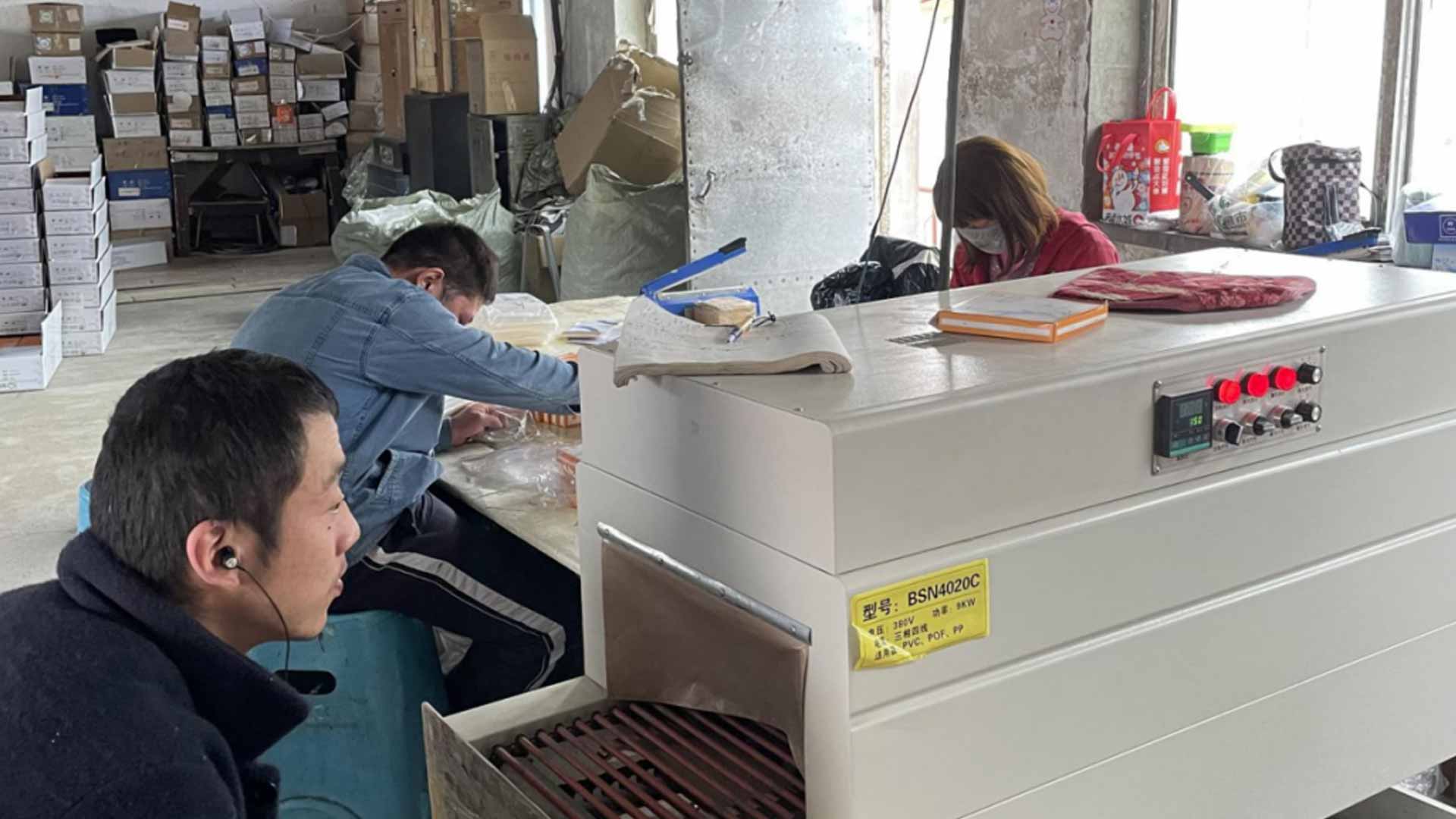
As a direct manufacturer, production quality control is a key advantage.
The manufacturing process includes:
- Raw material selection and fiber preparation
- Forming and layering process
- Pressing and drying
- Precision cutting and shaping
- Quality testing and performance inspection
Each batch is tested for:
- Filtration efficiency
- Tensile strength
- Temperature resistance
- Oil absorption capacity
This ensures consistent quality for OEM and bulk supply orders.
Why Choose a Professional Manufacturer for Filter Paper for Oil
Working directly with a manufacturer provides significant advantages:
- Stable product quality control
- Custom specification support
- Competitive factory pricing
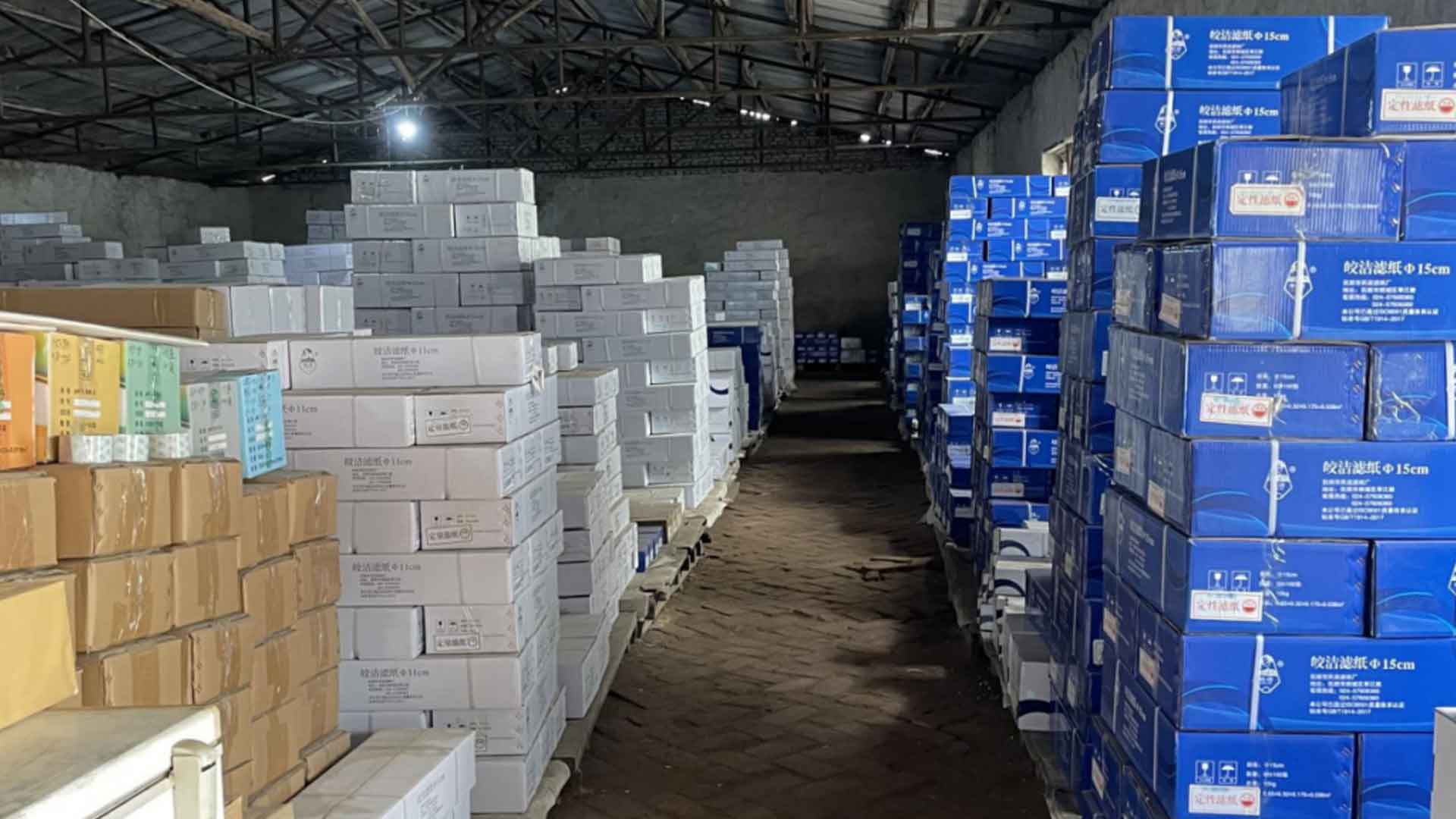
- Bulk production capability
- Technical application support
As a filter paper for oil manufacturer, we support global industrial clients with tailored filtration solutions based on system requirements.
Bulk Supply and OEM Customization Options
Industrial clients often require customized solutions. We provide:
- Custom thickness and size options
- OEM branding and packaging
- High-volume production capacity
- Export-ready logistics support
These services are especially important for distributors and equipment manufacturers seeking consistent supply chains.
Common Problems in Oil Filtration and How Filter Paper Solves Them
Industrial oil systems often face recurring issues such as:
- Oil contamination buildup
- System clogging
- Reduced lubrication efficiency
- High maintenance cost
Filter paper helps solve these problems by:
- Capturing fine particles efficiently
- Maintaining stable flow performance
- Improving overall oil cleanliness
- Reducing equipment wear
This makes it a critical component in modern oil purification systems.
Industry Standards and Quality Control in Oil Filter Paper Production
High-quality production must follow strict standards, including:
- ISO quality management systems
- Filtration efficiency testing protocols
- Temperature and pressure resistance testing
- Material consistency inspection
These standards ensure reliable performance in demanding industrial environments.
Conclusion
Filter paper for oil plays a crucial role in maintaining industrial oil quality, improving machinery performance, and reducing operational costs. From hydraulic systems to transformer oil purification, its applications are essential across multiple industries.
As a professional oil filter paper manufacturer, we focus on delivering high-performance filtration materials with stable quality, customizable specifications, and bulk supply capability.
For businesses seeking reliable industrial oil filter paper solutions, working directly with a manufacturer ensures better cost control, technical support, and long-term supply stability.
FAQ
What is filter paper for oil used for?
Filter paper for oil is used to remove impurities, particles, sludge, and contaminants from industrial oils, helping improve oil purity and extend equipment service life.
What industries commonly use oil filter paper?
It is widely used in hydraulic systems, transformer oil purification, engine maintenance, lubricant processing, and industrial oil recycling applications.
How does filter paper improve oil quality?
It works by trapping solid particles within its fiber structure while allowing clean oil to pass through, resulting in higher oil clarity and better lubrication performance.
What factors should be considered when choosing filter paper for oil?
Key factors include micron rating, oil viscosity compatibility, temperature resistance, flow rate, and the specific industrial application requirements.
Can filter paper for oil be customized for industrial use?
Yes, manufacturers can provide OEM and custom solutions based on size, thickness, filtration precision, and application requirements for different industrial systems.