Choosing the right filter paper size is crucial for efficient filtration in various industries, from laboratory testing to industrial filtration processes. Filter paper size impacts everything from filtration speed to the quality of results, making it an essential decision for researchers, manufacturers, and businesses. In this guide, we’ll explore how to select the right filter paper size, the differences between common sizes, and when custom filter paper may be the best option for your needs.
Table of Contents
What Is Filter Paper Size?
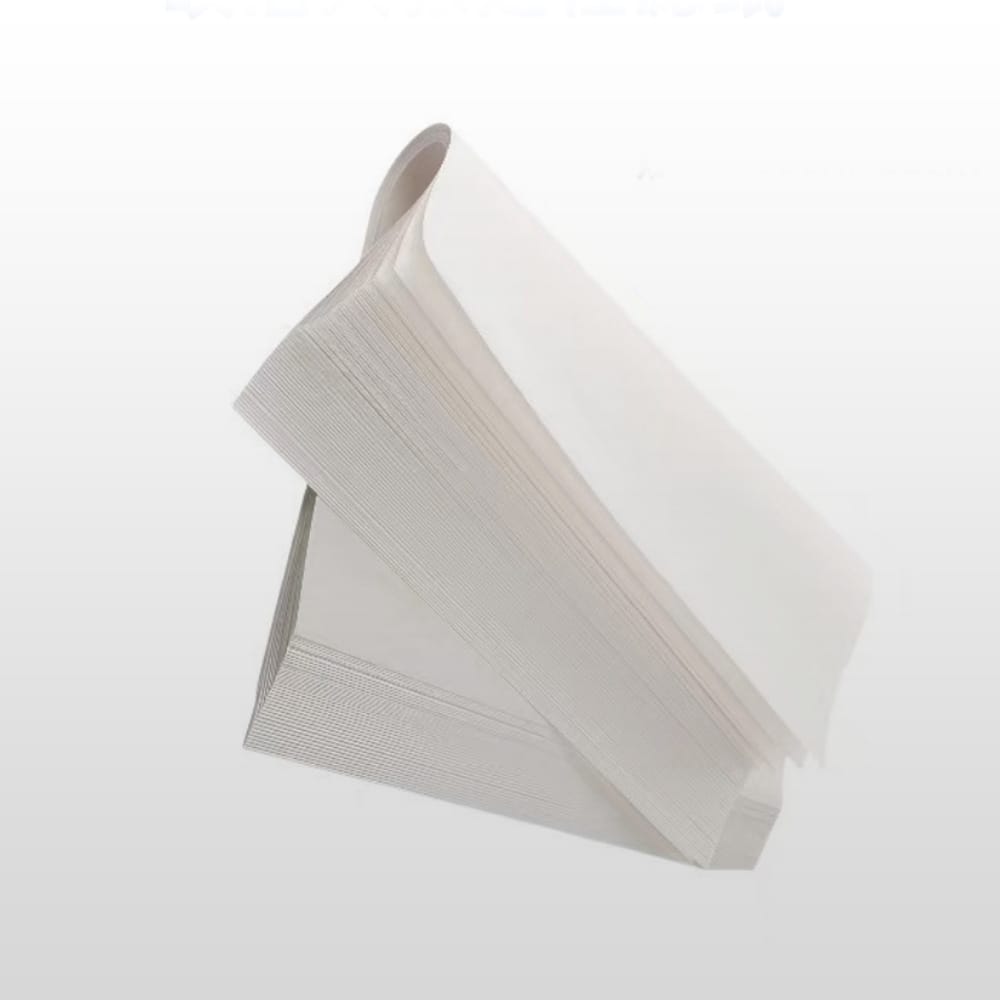
Filter paper size refers to the physical dimensions of the paper, which typically includes diameter and thickness. It is essential to understand the significance of these sizes as they directly influence the filtration process. When filter paper is too small or too large for the filtration equipment, it can lead to inefficiencies like clogging or slower filtration rates.
How Filter Paper Size Affects Filtration Efficiency
The right filter paper size ensures optimal filtration performance. For example, if you use too large a paper for a small funnel, you may experience uneven flow rates or wasted material. On the other hand, too small a filter can slow down the filtration process, leading to delays and higher operational costs. Therefore, selecting the correct filter paper size for the job is essential for both speed and precision.
Common Filter Paper Sizes and Their Uses
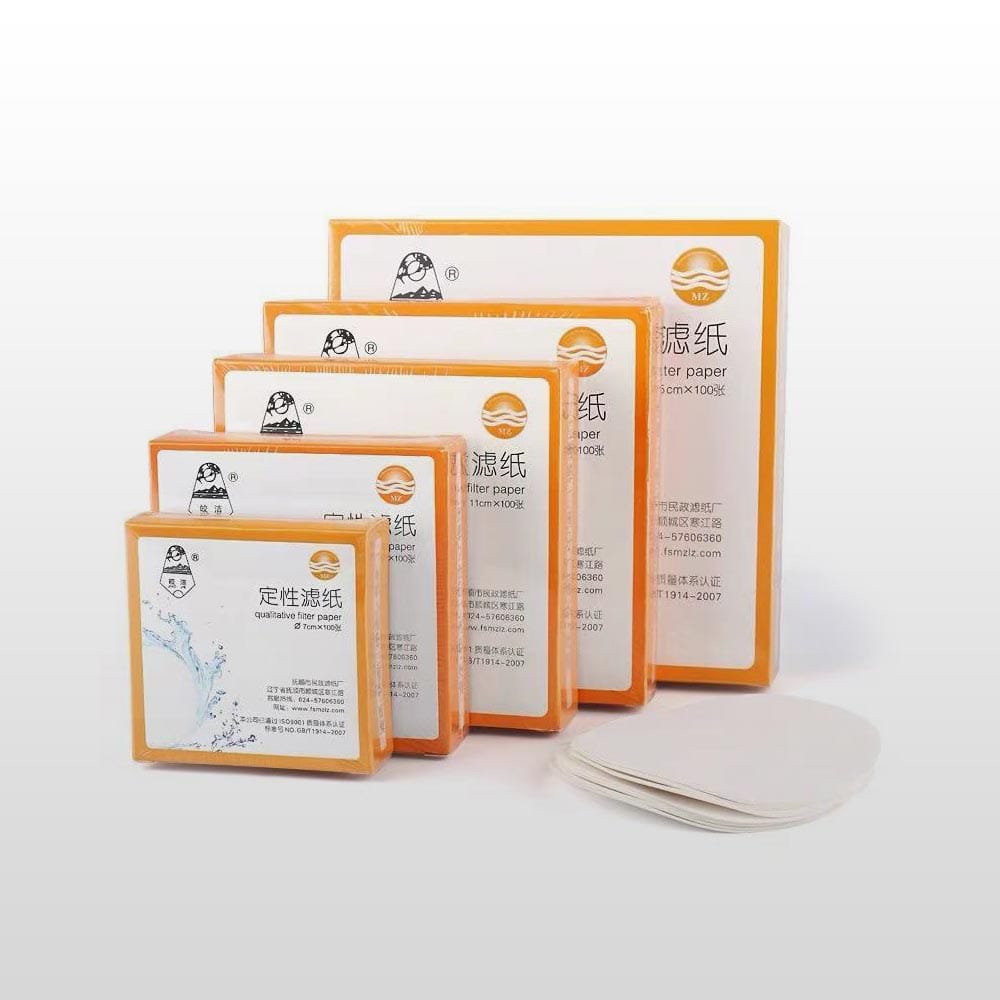
Filter paper is available in a variety of sizes, each tailored for specific applications. Here’s a breakdown of the most commonly used sizes across different industries:
| Filter Paper Size | Application | Common Uses |
|---|---|---|
| 90mm | Laboratory | Ideal for routine laboratory filtration, such as water and air testing |
| 110mm | Laboratory | Suitable for medium-scale filtration tasks like chemical analysis |
| 150mm | Industrial | Often used for large-scale industrial filtration applications |
| 185mm | Industrial | Common in industrial settings for oil and water filtration |
| 240mm | Industrial | Used in high-volume filtration systems requiring larger filters |
Laboratories frequently use standard filter paper sizes like 90mm and 110mm for chemical analysis, while larger sizes such as 150mm and 185mm are more commonly found in industrial and manufacturing settings.
How to Choose the Right Filter Paper Size for Your Application
Choosing the right filter paper size for your specific application can be a complicated process, but understanding your filtration needs is key to making an informed decision. Several factors influence the choice of size:
Factors Influencing Size Selection
- Particle Size: The size of particles to be filtered plays a crucial role. Smaller particles require a filter with a smaller pore size, while larger particles may require a larger filter paper size.
- Filtration Speed: The flow rate of the liquid passing through the filter is another factor. A larger filter paper size can often handle more liquid at a faster rate, but this may sacrifice some filtering precision.
- Equipment Size: The size of the funnel, filter holder, or filtration device also determines the size of the filter paper. Always ensure that the filter paper fits snugly inside your filtration setup to prevent material loss or leakage.
By considering these factors, you can select the optimal filter paper size to enhance filtration speed and ensure efficient results.
Standard Filter Paper Sizes: A Comparison
Standard filter paper sizes are commonly used in both laboratory and industrial applications. These sizes are designed to fit the most widely used filtration equipment. Here is a comparison of standard sizes:
- 90mm: This size is perfect for routine laboratory work and small-scale filtration tasks.
- 110mm: This slightly larger size is ideal for medium-sized filtration tasks, such as chemical analysis and environmental testing.
- 150mm and 185mm: These sizes are often used in industrial filtration applications where larger volumes of liquid need to be processed quickly.
When to Use Standard Sizes vs Custom Filter Paper
While standard sizes work well for most common applications, custom filter paper sizes may be necessary in specific cases where standard options do not fit your equipment or filtration needs. This is especially true in industries such as pharmaceuticals, where precision filtration is essential.
Custom Filter Paper Size: When You Need Tailored Solutions
At times, businesses and research institutions require filter paper sizes that do not fall within the typical range. For these situations, custom filter paper sizes are a viable solution.
What is Custom Filter Paper Size?
Custom filter paper sizes are made to meet the unique needs of specific filtration systems. Whether you need a particular diameter, thickness, or special material properties, custom filter papers can be tailored to fit your equipment perfectly.
Benefits of Custom Filter Paper
- Perfect Fit: Custom filter paper ensures that the filter fits precisely with your equipment, minimizing wastage and improving efficiency.
- Higher Precision: In certain applications, custom-sized filter paper may be necessary to achieve the desired filtration accuracy.
- Flexible Applications: Custom filter paper is ideal for unique laboratory setups, large-scale industrial systems, and specialized uses such as food and beverage filtration.
Our Custom Filter Paper Manufacturing Process
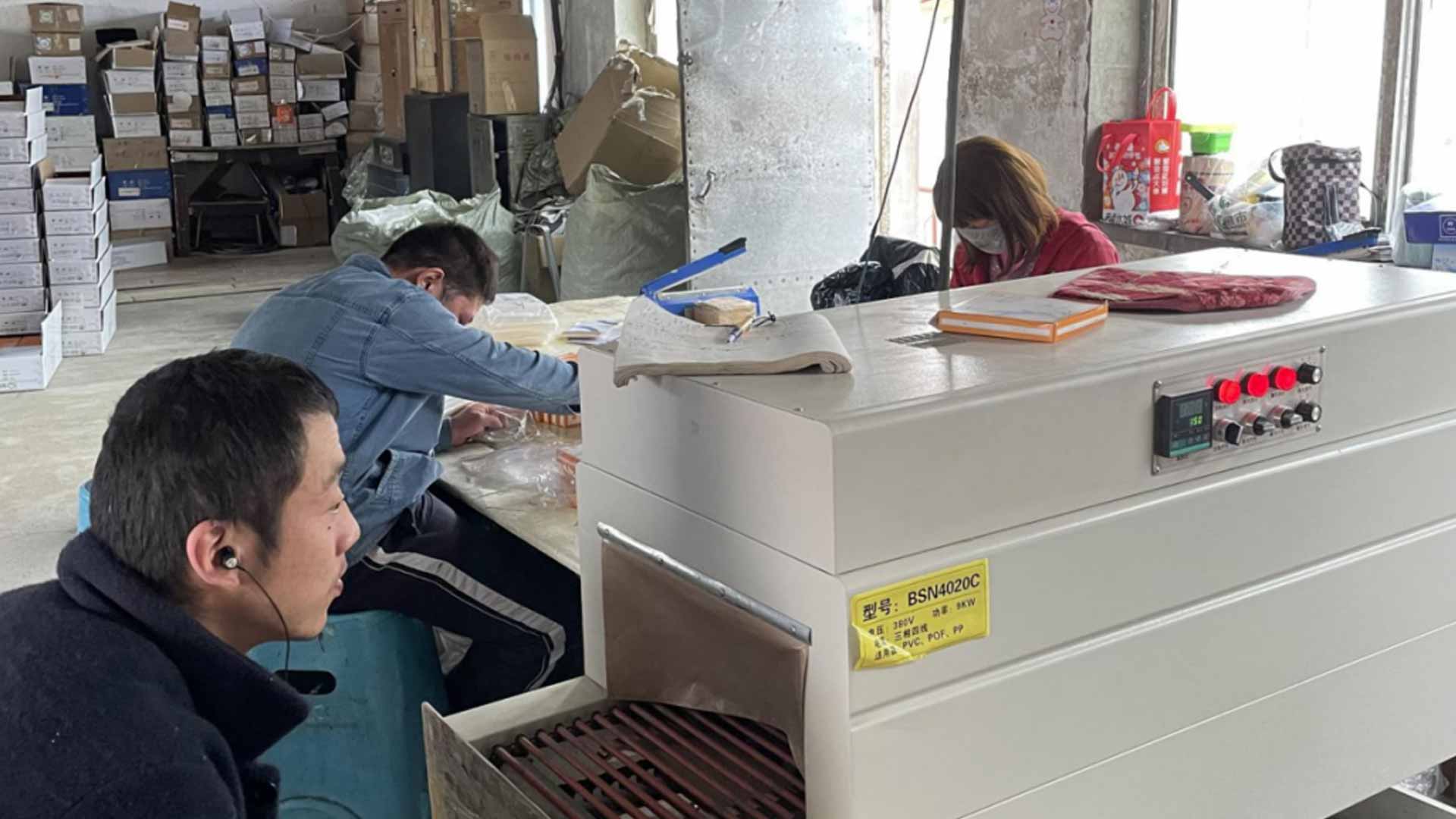
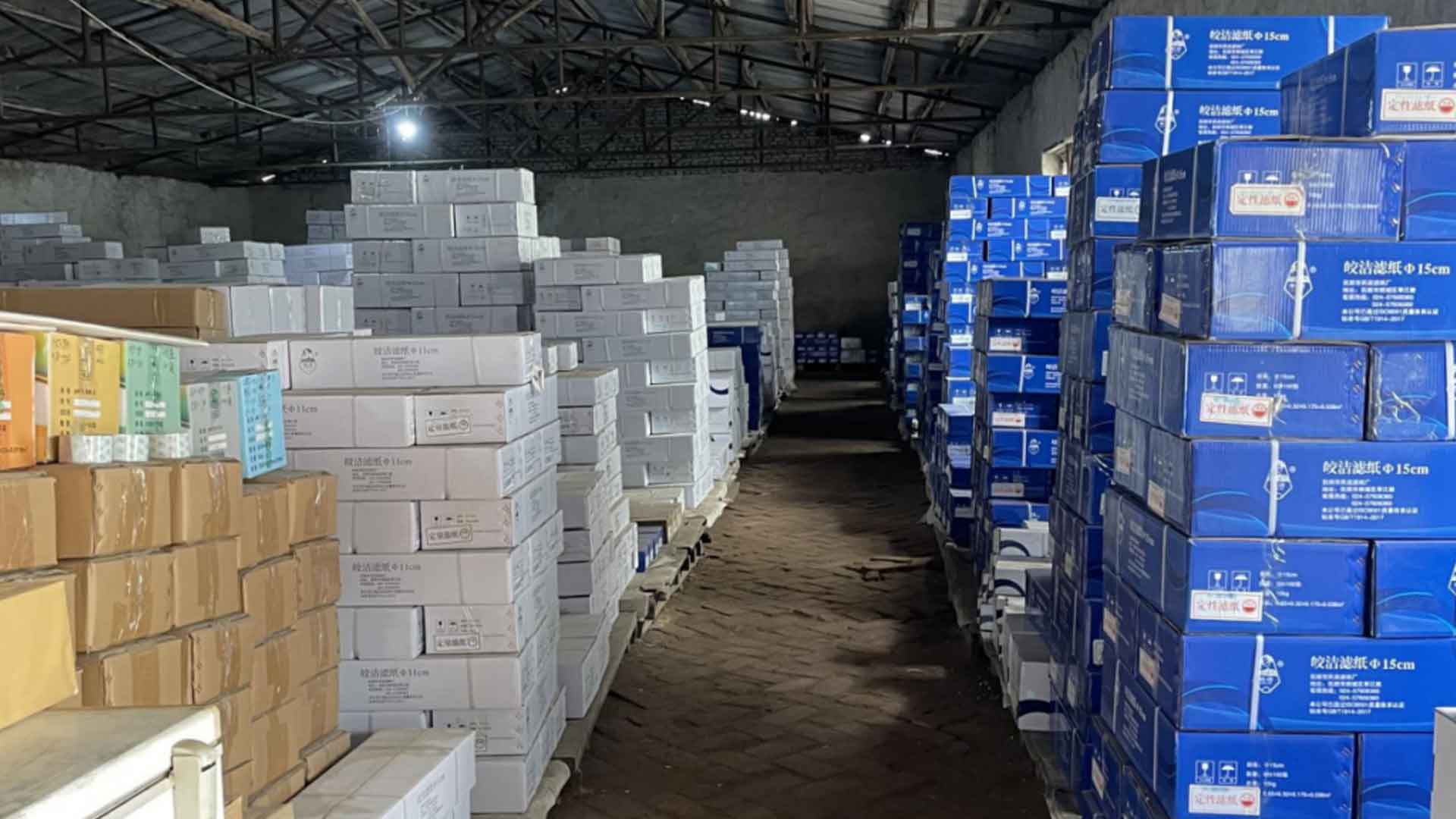
As a manufacturer of filter paper, we offer tailored solutions to meet your unique filtration needs. Our process involves working closely with clients to understand their requirements and then designing filter paper that fits perfectly with their systems. Whether you need a standard size or a completely custom design, we have the expertise to provide high-quality filter paper that enhances filtration performance.
Filter Paper Size vs Pore Size: What’s the Difference?
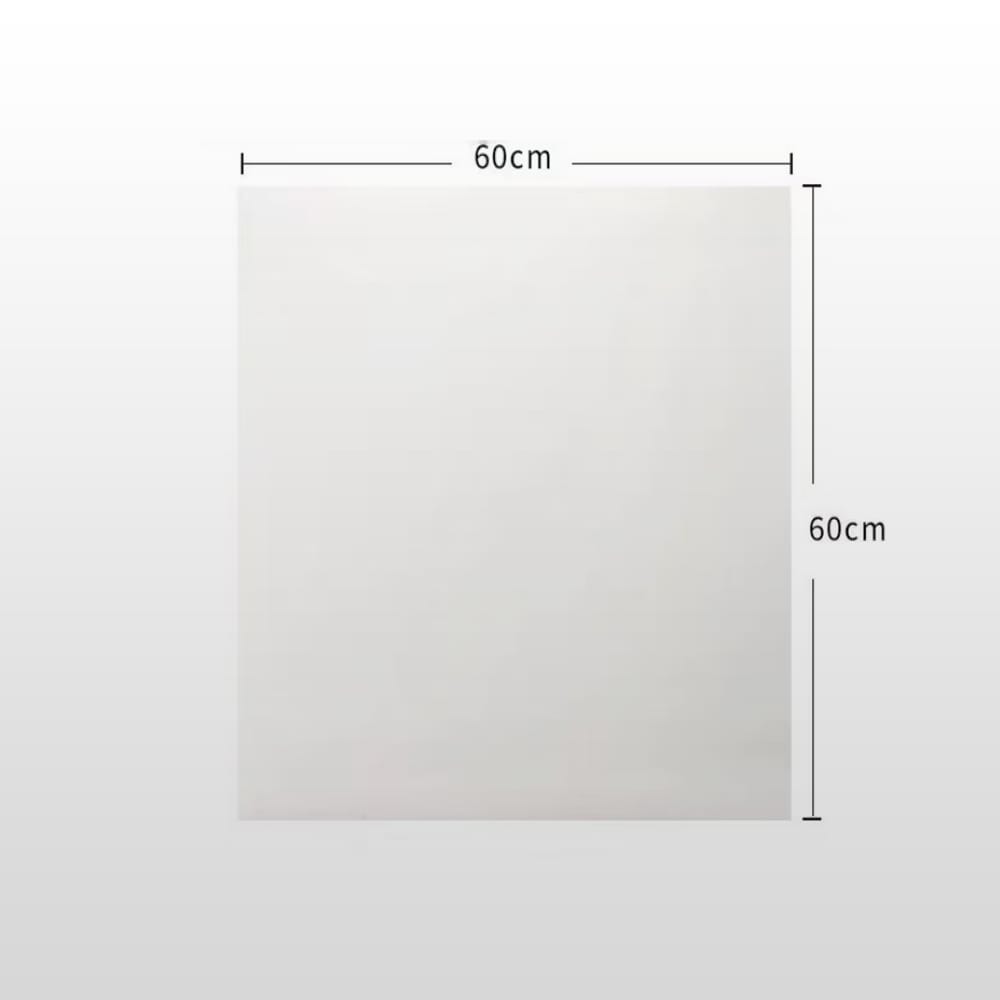
Filter paper size and pore size are often confused, but they are two distinct properties.
Understanding Pore Size
Pore size refers to the tiny holes in the filter paper through which liquid passes. A smaller pore size is ideal for filtering out fine particles, while larger pores allow quicker flow rates but may not capture finer particles.
How Size and Pore Size Work Together in Filtration
When selecting filter paper, it’s essential to match both the size and pore size to your specific needs. A larger filter paper with a fine pore size can provide efficient filtration while handling large volumes of liquid. Conversely, a smaller filter with larger pores may be more suited for fast but less precise filtration.
How Filter Paper Size Affects Filtration Speed
Larger filter papers often allow for quicker filtration since they provide more surface area for the liquid to pass through. However, this speed can sometimes come at the expense of precision. In high-precision applications, a smaller filter size may be necessary, even if it slows down the filtration process.
When to Prioritize Speed Over Precision
In some industrial processes, such as water purification or large-scale chemical processing, filtration speed is more important than absolute precision. In these cases, larger filter paper sizes can be used to speed up the process.
Selecting Filter Paper Size for Different Filter Types
Different types of filtration devices require specific filter paper sizes. For example:
- Buchner Funnels: When using Buchner funnels for vacuum filtration, selecting the correct filter paper size ensures that the liquid is filtered efficiently without clogging the system.
- Gravity Filtration: For gravity filtration, the filter paper size must be appropriate to allow proper liquid flow while capturing unwanted particles.
Round vs Sheet Filter Paper
Round filter papers are typically used in funnels, while sheet filter papers are cut to size for larger, more complex filtration systems. Each has its own set of applications, and choosing the right one will depend on your specific needs.
Environmental and Cost Considerations in Filter Paper Size Selection
While filter paper size is critical to filtration performance, it is also important to consider the environmental impact and cost-effectiveness of your filter paper choices.
Eco-friendly Filter Paper Options
Many manufacturers now offer biodegradable and environmentally friendly filter paper, made from sustainable materials. These are especially important for businesses looking to reduce their environmental footprint.
Cost vs Efficiency
Larger filter papers may offer more efficient filtration in terms of speed, but they can also be more costly. Conversely, smaller filter papers may be cheaper but require more time to filter larger volumes. Balancing cost and efficiency is essential to optimizing your filtration process.
Troubleshooting Common Issues with Filter Paper Size
Even with the right filter paper size, issues such as clogging or slow filtration can arise. Here are a few common problems:
- Clogging or Slow Filtration: If your filter paper size is too small, particles may clog the filter, causing delays. Ensure you choose the right size and pore size to avoid this issue.
- Wasting Material: Using a filter paper size that is too large can result in wasted material and unnecessary costs. It’s essential to select a filter paper that fits your funnel or filtration device perfectly.
- Improper Fit: A poor fit between the filter paper and filtration equipment can result in leakage or ineffective filtration. Ensure your filter paper size matches the dimensions of your filtration system.
Conclusion
Choosing the right filter paper size is essential for efficient and accurate filtration, whether in a laboratory, industrial process, or food and beverage application. Understanding the differences between standard and custom sizes, pore size considerations, and how to match the filter paper to your filtration system will ensure optimal results. As a leading manufacturer of high-quality filter paper, we provide custom solutions tailored to your exact needs. If you need assistance in selecting the right filter paper size, don’t hesitate to reach out to us for a consultation today.
FAQ
What is filter paper size?
Filter paper size refers to the physical dimensions of the paper, including its diameter and thickness, which are crucial in determining its suitability for specific filtration tasks. The right size ensures efficient filtration and prevents clogging or improper fit.
How do I choose the right filter paper size?
To choose the right filter paper size, consider factors such as the filtration equipment size, the volume of liquid to be filtered, the particle size, and whether you need fast filtration or precise results. Matching the filter paper size to the equipment is key to optimal performance.
What are the common filter paper sizes?
Common filter paper sizes include 90mm, 110mm, and 150mm, with larger sizes like 185mm and 240mm often used in industrial applications. The size you need depends on the application and the filtration equipment used.
Can filter paper size be customized?
Yes, filter paper can be customized to fit specific applications. If standard sizes don’t meet your needs, manufacturers can create custom sizes to ensure a perfect fit with your filtration system, providing better efficiency and precision.
How does filter paper size affect filtration speed?
Larger filter papers usually allow for faster filtration by providing more surface area for the liquid to pass through. However, this can sometimes reduce the precision of the filtration process, so it’s important to balance speed with the required level of accuracy.