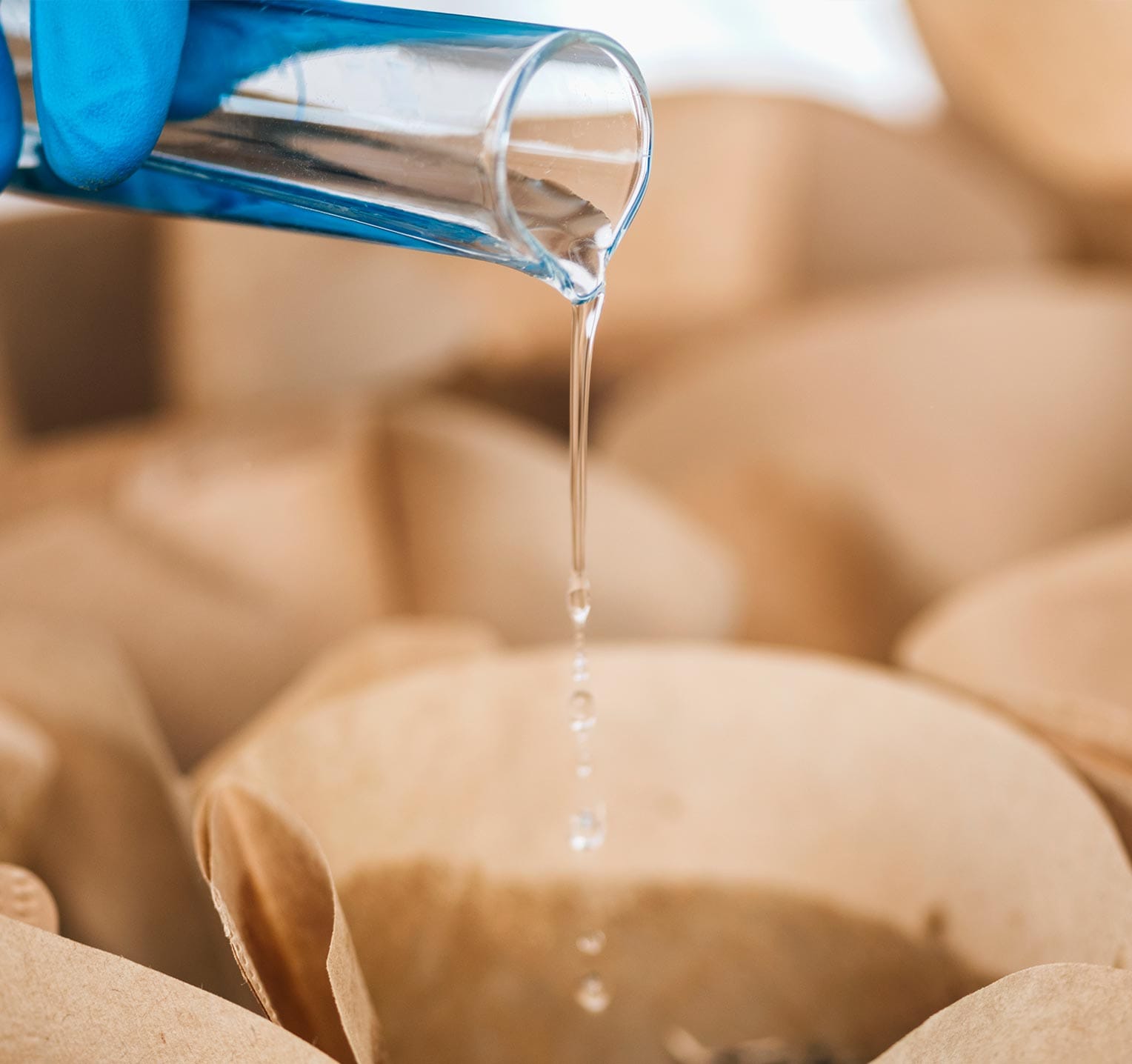
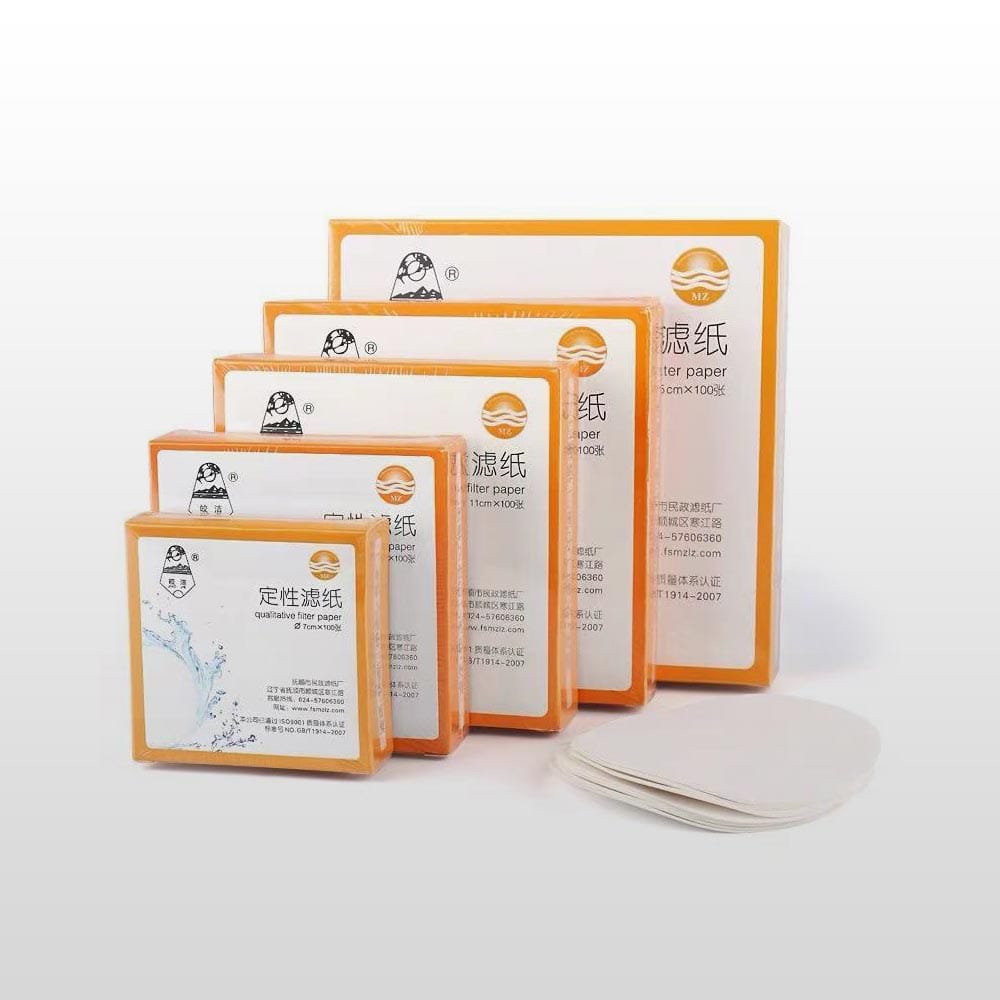
La filtración de laboratorio a menudo parece simple en el papel: verter, separar, recolectar, pero en la práctica es uno de los pasos más sensibles en el trabajo analítico. Pequeñas variaciones en los medios de filtración pueden cambiar la claridad, la tasa de recuperación e incluso la interpretación final de la prueba.
Papeles de filtro de laboratorio siéntate en medio de este proceso. No son dispositivos complejos, pero son consumibles de alta ingeniería que afectan directamente la confiabilidad de los resultados de laboratorio.
Desde el punto de vista de la fabricación, lo que más importa no es cómo se ve el papel, sino qué tan consistentemente se comporta en diferentes condiciones químicas y físicas. Esa coherencia es de lo que realmente dependen los laboratorios.
Tabla de contenido
Donde los documentos de filtro de laboratorio realmente marcan la diferencia en los flujos de trabajo de pruebas reales
En la mayoría de los laboratorios, la filtración no es una tarea independiente. Es parte de una cadena: reacción → separación → análisis. Si la filtración falla, todo lo que aparece después se vuelve cuestionable.
Los papeles de filtro de laboratorio se utilizan comúnmente cuando:
- Una reacción produce precipitados sólidos que deben separarse
- Es necesario aclarar una solución antes de realizar pruebas instrumentales
- Las partículas deben eliminarse sin cambiar la composición química
- Las muestras requieren preparación para análisis gravimétricos o cualitativos
Lo que hace que el papel de filtro sea práctico es su capacidad para manejar diferentes condiciones sin equipo adicional. Funciona mediante filtración profunda. Las partículas quedan atrapadas dentro de una red de fibras y no solo en la superficie.
Ese mecanismo simple es la razón por la que todavía se usa ampliamente, incluso con los sistemas de membranas modernos disponibles.
La estructura detrás del rendimiento: por qué el diseño de fibra importa más que la apariencia
Si miras papel de filtro de laboratorio con aumento, no es una lámina uniforme. Es una red en capas de fibras de celulosa dispuestas en una aleatoriedad controlada.
Esa estructura lo determina todo:
- Qué tan rápido se mueve el líquido
- Cómo se retienen las partículas
- Si el flujo se mantiene estable o se ralentiza
- Qué tan bien se mantiene en condiciones húmedas
Los fabricantes controlan esta estructura mediante técnicas de selección y dispersión de fibras. Pequeños cambios en la longitud de la fibra o la fuerza de unión pueden cambiar completamente el comportamiento de filtración.
Las versiones de fibra de vidrio adoptan un enfoque diferente. En lugar de enlaces de celulosa, dependen de una matriz de fibra más rígida, razón por la cual funcionan mejor en entornos de filtración de alta carga o alta temperatura.
Comprender los grados del papel de filtro sin complicarlo demasiado
Una de las partes más confusas para muchos usuarios es la calificación. En la práctica, las calificaciones no son sólo etiquetas: definen cómo se comporta el papel.
En lugar de centrarse únicamente en tablas técnicas, ayuda a comprender las calificaciones en términos de tres resultados prácticos:
Qué tan limpio queda el filtrado
Algunas aplicaciones requieren soluciones claras, mientras que otras sólo necesitan una separación aproximada.
Qué tan rápida se completa la filtración
La velocidad es importante en el trabajo de laboratorio de rutina, pero demasiada velocidad puede reducir la precisión de la retención.
Cuánto tamaño de partícula se retiene
Esto afecta directamente si se puede confiar en los resultados en las pruebas analíticas.
Los papeles cualitativos se utilizan normalmente para la separación de rutina, mientras que los papeles cuantitativos (sin cenizas) se utilizan cuando la precisión de los residuos importa. Entre ellos, existen múltiples grados intermedios diseñados para condiciones específicas de laboratorio.
Por qué el proceso de fabricación afecta directamente los resultados del laboratorio
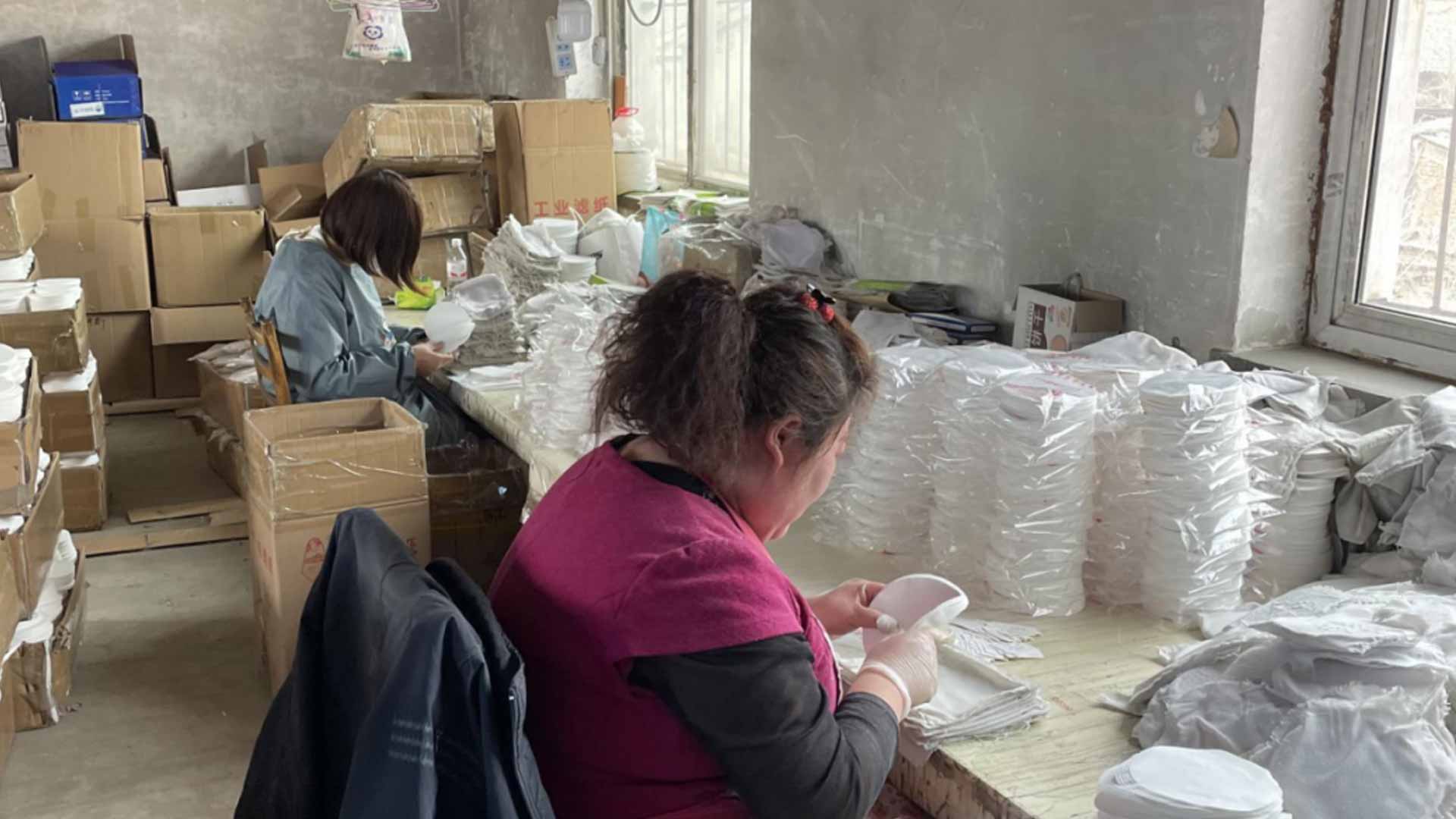
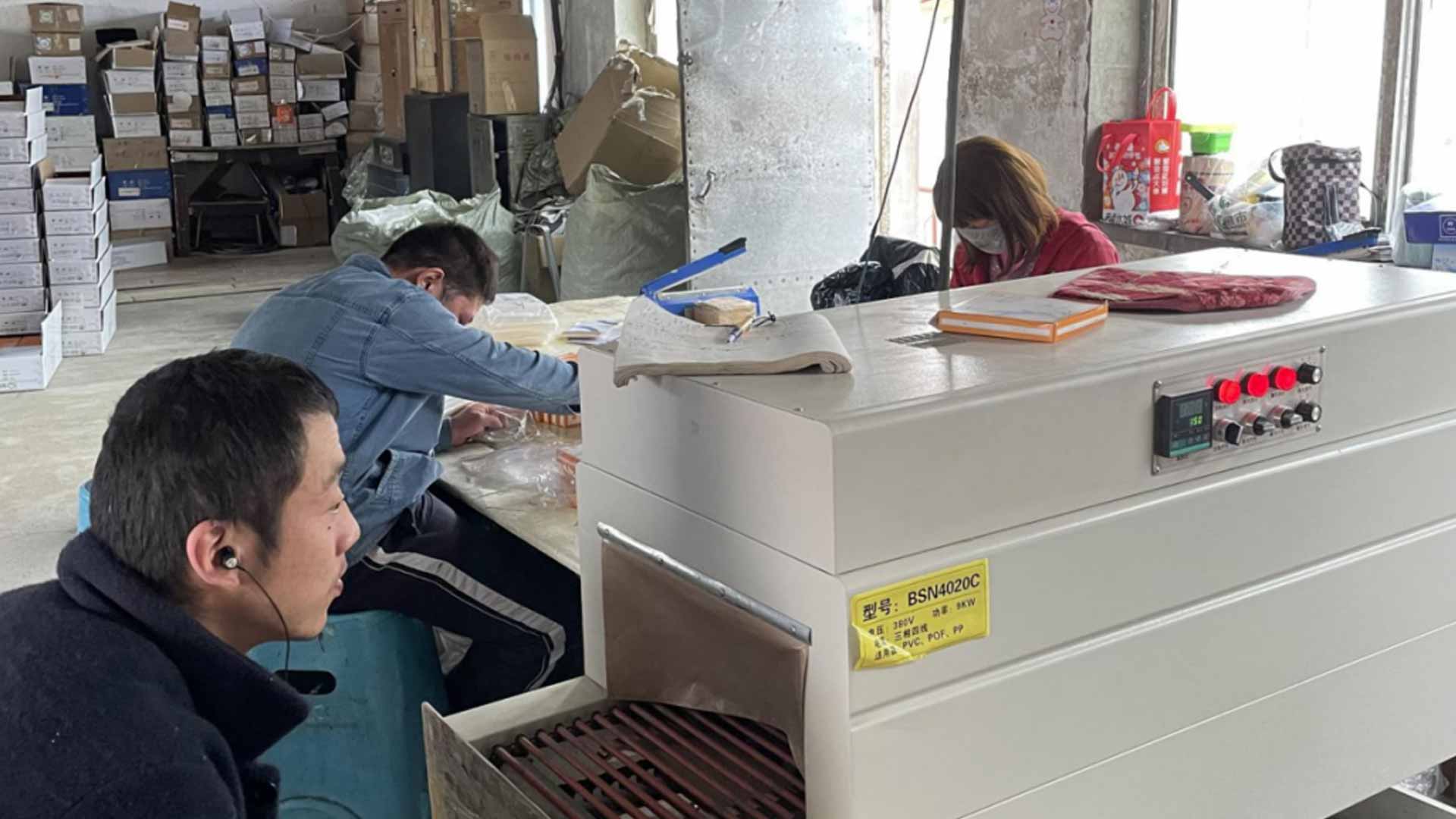
El papel de filtro de laboratorio a menudo se trata como un simple consumible, pero su proceso de producción está estrictamente controlado.
Un proceso de fabricación estable suele seguir una secuencia como ésta:
Preparación de fibra cruda → purificación → formación de lechada → formación de láminas → secado controlado → corte → inspección
Cada paso influye en la interpretación:
- Si la pureza de la fibra es inconsistente, pueden ocurrir interferencias químicas
- Si la formación de láminas es desigual, los caudales se vuelven inestables
- Si el secado no se controla, puede aparecer una deformación estructural más adelante durante el uso
El control de calidad no es un paso final: está integrado durante toda la producción. Los controles típicos se centran en la consistencia del flujo, la resistencia mecánica y el comportamiento de retención en condiciones húmedas.
Aquí es donde la fabricación industrial difiere significativamente de la producción básica de papel.
Documentos de filtro de laboratorio versus filtros de membrana: por qué ambos todavía existen
En muchos laboratorios modernos se utilizan uno al lado del otro tanto papeles de filtro como filtros de membrana.
No son reemplazos entre sí.
Generalmente se prefieren los papeles de filtro cuando:
- El volumen de muestra es alto
- La filtración necesita manejar soluciones complejas o sucias
- Se requiere filtración profunda
Los filtros de membrana son más adecuados cuando:
- Se necesita una retención de partículas extremadamente fina
- Se requiere filtración estéril o ultraprecisa
- La separación a nivel de superficie es suficiente
En la práctica, muchos flujos de trabajo combinan ambos: papel de filtro para la prefiltración, filtros de membrana para el pulido final.
Elegir el derecho Papel de filtro de laboratorio Sin pensarlo demasiado
La selección a menudo falla cuando los usuarios se centran solo en las especificaciones en lugar de en la aplicación real.
Un enfoque más práctico es plantear tres preguntas:
¿Qué hay en la muestra?
Algunas soluciones contienen coloides finos, otras contienen sólidos visibles.
¿Qué tan sensible es el análisis?
El trabajo gravimétrico requiere mayor precisión que la clarificación rutinaria.
¿qué sucede después de la filtración?
Si el filtrado entra en instrumentación, el control de la contaminación se vuelve crítico.
Una vez que están claros, la selección de calificaciones se vuelve mucho más sencilla.
Donde los papeles de filtro de laboratorio se utilizan con mayor frecuencia en la actualidad
Incluso con los avances en los instrumentos analíticos, los documentos de filtro de laboratorio siguen siendo ampliamente utilizados en múltiples sectores:
- Laboratorios farmacéuticos para separación y preparación de compuestos
- Ensayos ambientales para análisis de muestras de agua y suelo
- Control de calidad de los alimentos para eliminación de impurezas y pruebas de claridad
- Laboratorios industriales para verificación de materiales y procesos
- Investigación académica para trabajos experimentales generales
Su uso continuado se debe principalmente a la flexibilidad. No requieren calibración, configuración ni mantenimiento.
Lo que normalmente sale mal en la filtración (y por qué sucede)
La mayoría de los problemas de filtración no son causados por equipos, sino por una selección o manipulación no coincidentes.
Situatii comune include:
- La filtración se ralentiza inesperadamente
- Desgarros de papel durante la manipulación en mojado
- El filtrado parece poco claro o inconsistente
- Las muestras se contaminan
- Los resultados varían entre pruebas repetidas
Estas cuestiones suelen estar vinculadas a:
- Selección de grado incorrecta
- Sobrecarga de la superficie del filtro
- Condiciones de almacenamiento inadecuadas
- Incompatibilidad química con la muestra
Los pequeños detalles operativos pueden tener un impacto mayor de lo esperado.
Almacenamiento y manipulación: el factor de silencio que afecta el rendimiento
Papel de filtro es estable, pero no inmune al medio ambiente.
El rendimiento puede cambiar si:
- Absorbe la humedad del aire
- Está expuesto a vapores químicos
- Se almacena bajo una presión desigual
- Se manipula con herramientas contaminadas
En entornos de laboratorio, la disciplina de almacenamiento a menudo se pasa por alto, pero influye directamente en la coherencia de los resultados.
Por qué la coherencia de la fabricación importa más que las especificaciones
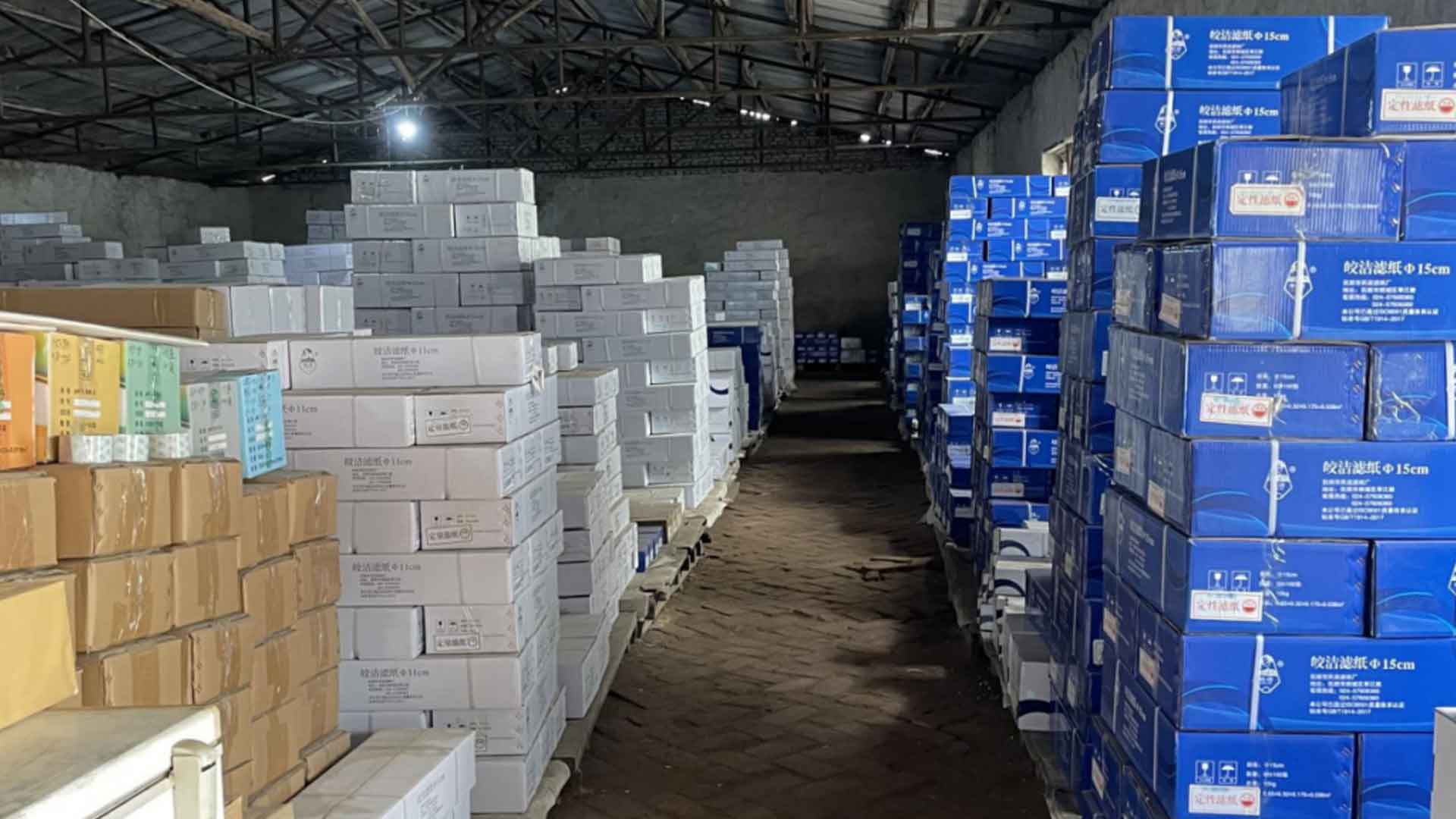
Desde la perspectiva de las adquisiciones, muchos compradores se centran en las hojas técnicas. En el uso real en laboratorio, la coherencia entre lotes es más importante que los parámetros aislados.
Un sistema de fabricación estable garantiza:
- Comportamiento de flujo predecible
- Rendimiento uniforme de retención
- Resistencia mecánica confiable
- Resultados analíticos repetibles
Esto es especialmente importante para los laboratorios que ejecutan procedimientos de prueba estandarizados.
Un cambio sutil en el mercado: del uso general a la filtración específica de la aplicación
La filtración de laboratorio se está alejando gradualmente de materiales únicos.
En cambio, la demanda se está desplazando hacia:
- Grados específicos de la aplicación
- Requisitos de mayor pureza
- Mejor trazabilidad por lotes
- Comportamiento de filtración más consistente
Este cambio está impulsado por estándares de prueba más estrictos en los campos farmacéutico, ambiental y de investigación.
Conclusión
Laboratorio papeles de filtro puede parecer simple, pero su papel en los flujos de trabajo de laboratorio es todo menos básico. Se encuentran en un punto crítico entre la reacción y el análisis, donde pequeñas inconsistencias pueden afectar resultados completos.
Comprender cómo están estructurados, en qué se diferencian los grados y cómo la fabricación influye en el rendimiento ayuda a los laboratorios a tomar decisiones más confiables. Desde la aclaración rutinaria hasta la preparación analítica precisa, la selección del papel de filtro afecta directamente la calidad de los datos.
Desde el punto de vista de la fabricación, la atención se centra siempre en la coherencia, porque en entornos de laboratorio la repetibilidad importa más que cualquier otra cosa.
Preguntas frecuentes
¿para qué se utilizan los papeles de filtro de laboratorio en los laboratorios?
Los papeles de filtro de laboratorio se utilizan para separar partículas sólidas de líquidos durante los procesos de filtración de laboratorio. Se aplican comúnmente en la preparación de muestras, análisis químicos y clarificación de soluciones.
¿Cuál es la diferencia entre papel de filtro cualitativo y cuantitativo?
El papel de filtro cualitativo se utiliza para la filtración general donde no se requiere una medición precisa de residuos, mientras que el papel de filtro cuantitativo (sin cenizas) está diseñado para un análisis gravimétrico preciso con un mínimo de residuos después de la combustión.
¿Cómo elijo el laboratorio adecuado papel de filtro ¿calificación?
La selección depende del tamaño de partícula, la velocidad de filtración requerida y la precisión del análisis. Se utilizan grados más gruesos para una filtración rápida, mientras que grados más finos se utilizan para una mayor precisión y un filtrado más claro.
¿Se pueden utilizar papeles de filtro de laboratorio para todas las soluciones químicas?
No todos los papeles de filtro son adecuados para todos los productos químicos. La compatibilidad depende del material de la fibra y de la composición química de la solución. Los ácidos, bases o disolventes orgánicos fuertes pueden requerir grados específicos.
¿qué factores afectan el rendimiento de la filtración en los papeles de filtro de laboratorio?
El rendimiento de la filtración está influenciado por la distribución del tamaño de los poros, la densidad de las fibras, el tipo de muestra y el volumen de carga. Una selección o sobrecarga inadecuadas pueden provocar una filtración lenta o una precisión reducida.