Tabla de contenido
Introducción
En entornos industriales, la limpieza del aceite no es una preocupación secundaria: a menudo es la diferencia entre un funcionamiento estable y un tiempo de inactividad inesperado. Ya sea en maquinaria hidráulica, motores, compresores o unidades de potencia, la contaminación dentro del aceite lubricante afecta gradualmente el rendimiento mucho antes de que se produzca una falla visible.
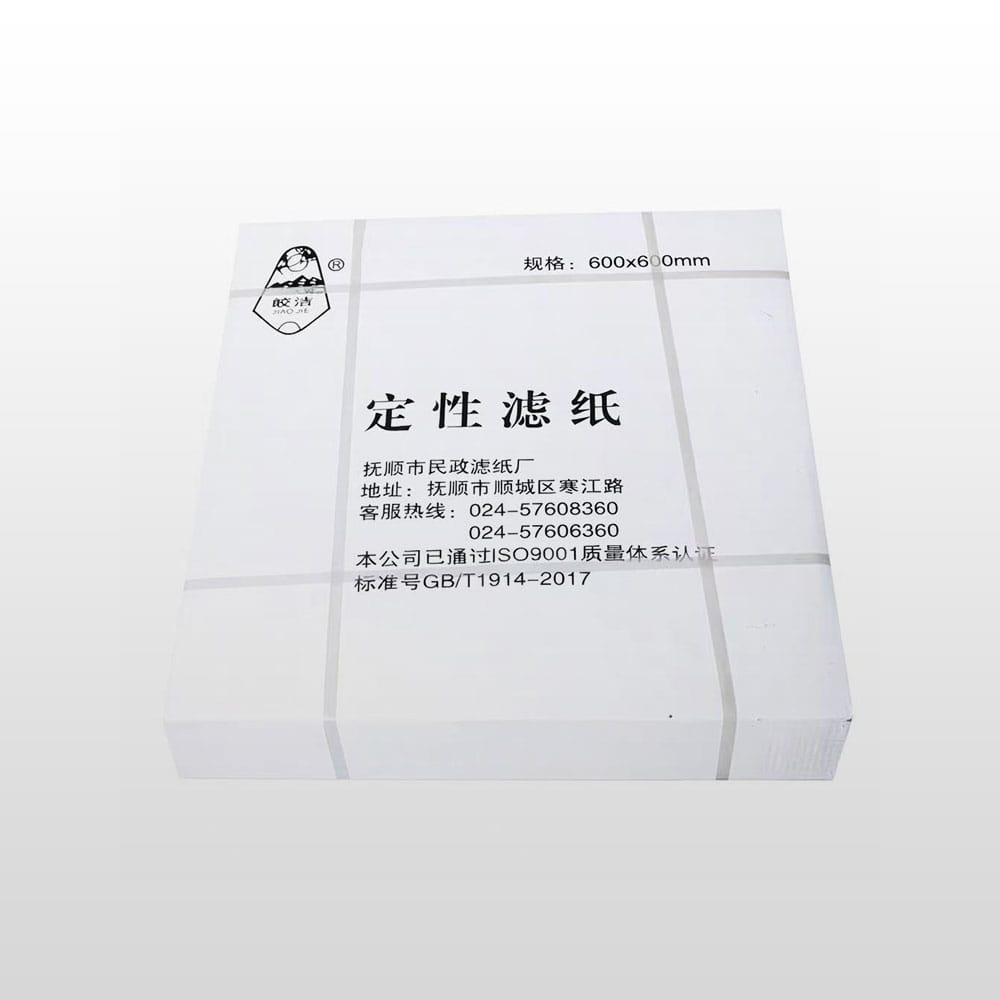
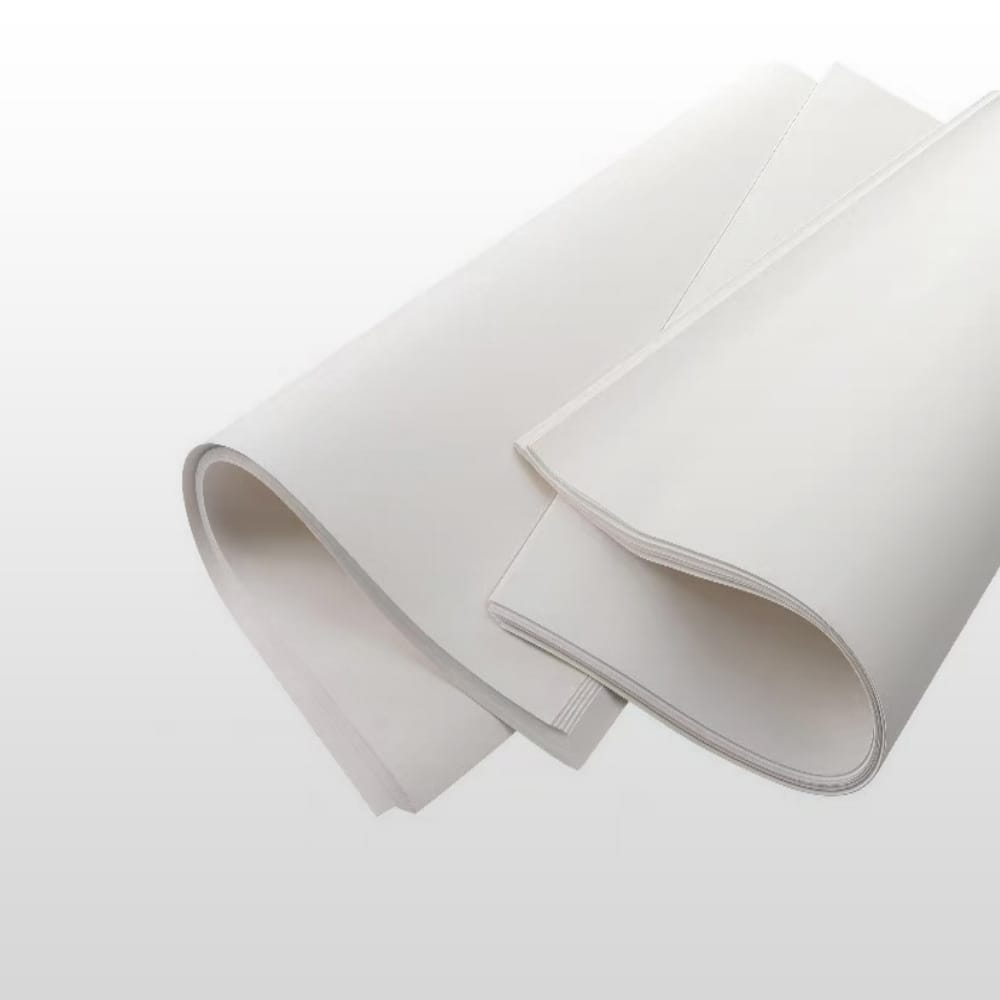
El papel de filtro de aceite es uno de los medios de filtración más utilizados en estos sistemas. Está diseñado para capturar partículas finas, lodos y desechos de desgaste que circulan dentro de los circuitos de petróleo. Si bien el material en sí puede parecer simple, su estructura y consistencia influyen directamente en el rendimiento de todo un sistema bajo carga.
Para los compradores e ingenieros, especialmente aquellos que trabajan con el mantenimiento de equipos a largo plazo o la producción OEM, elegir un proveedor confiable de papel de filtro de aceite tiene menos que ver con la comparación del catálogo y más con comprender cómo se comporta el material en condiciones operativas reales.
Cómo funciona realmente el papel de filtro de aceite dentro de un sistema (más allá de lo básico)
La mayoría de las descripciones del papel de filtro se centran en la eliminación de partículas. En la práctica, el comportamiento es más dinámico.
Dentro de un sistema de trabajo, papel de filtro de aceite está constantemente expuesto a cambios de presión, cambios de temperatura y cargas de contaminación variables. En lugar de actuar como una barrera estática, se comporta como una estructura de profundidad controlada donde las partículas quedan atrapadas gradualmente en múltiples capas.
Algunos puntos prácticos importan más que la teoría:
- La capa superficial se encarga del impacto inicial de las partículas
- Las capas de fibra más profundas retienen contaminantes más pequeños y persistentes
- La resistencia al flujo cambia gradualmente a medida que aumenta la carga
- La estabilidad bajo saturación determina la vida útil utilizable
Es por eso que dos filtros con especificaciones similares pueden funcionar de manera muy diferente una vez instalados en equipos reales.
Estructura del material: por qué el diseño de fibra es más importante de lo esperado
El papel de filtro de aceite generalmente se construye a partir de fibras de celulosa, fibras sintéticas o una combinación de ambas. La brecha de rendimiento entre estas estructuras no siempre es obvia a primera vista, pero se vuelve clara en funcionamiento continuo.
Las estructuras a base de celulosa se utilizan comúnmente en sistemas de lubricación general. Ofrecen una absorción estable y un comportamiento de filtración predecible. Los materiales reforzados con sintéticos, por otro lado, tienden a resistir mejor a temperaturas más altas y entornos operativos más agresivos.
Entre los dos se encuentran estructuras compuestas, diseñadas para equilibrar la resistencia mecánica con la precisión de la filtración. En muchas aplicaciones industriales, se prefiere este tipo porque reduce las compensaciones entre eficiencia y durabilidad.
Lo que a menudo se pasa por alto es la consistencia de la unión de las fibras. Incluso cuando los materiales son idénticos, la distribución desigual de las fibras durante la producción puede provocar zonas de filtración inconsistentes, lo que luego afecta la estabilidad del sistema.
Dentro del proceso de fabricación: donde realmente se determina el desempeño
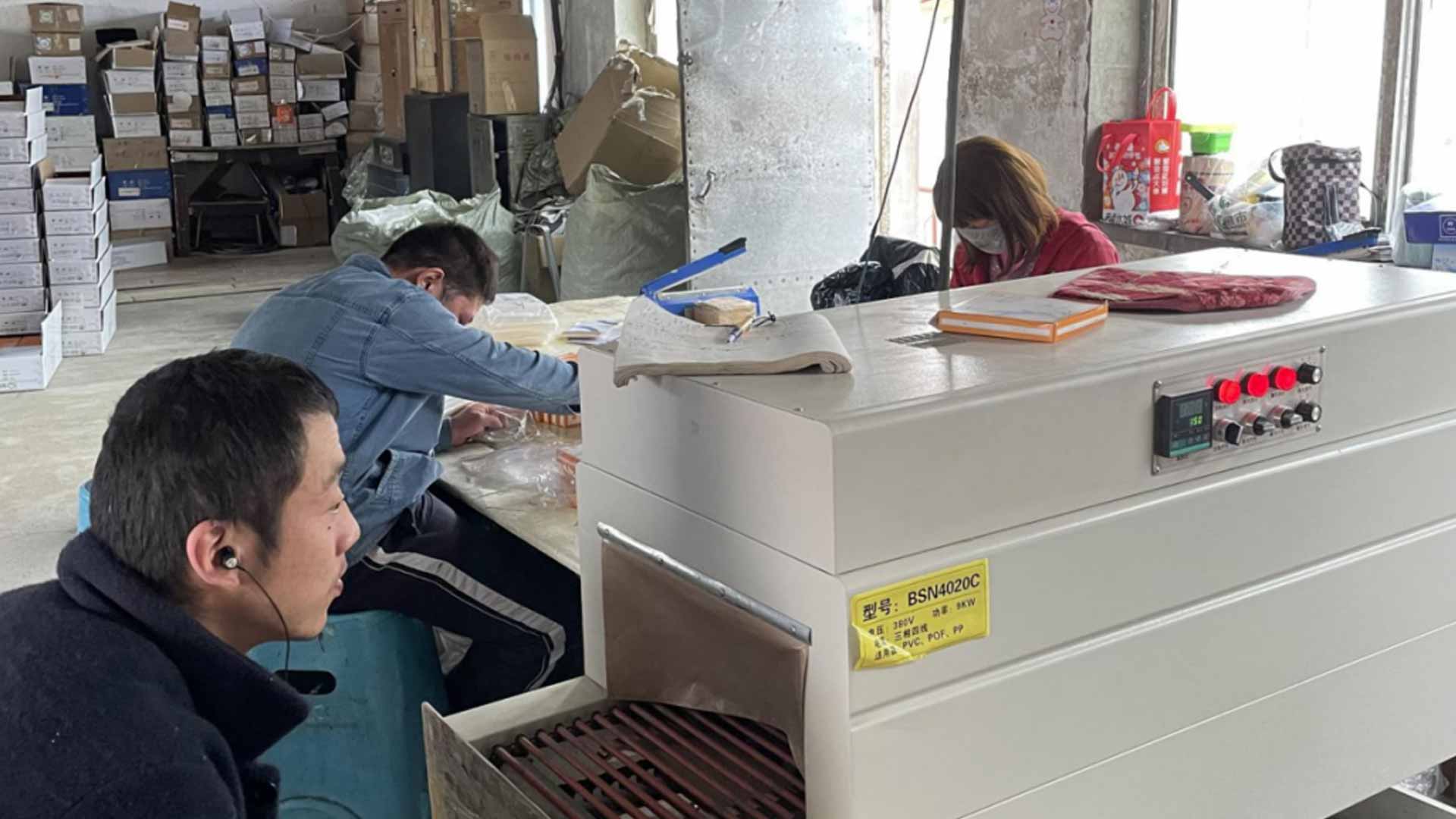
Desde el punto de vista de la producción, papel de filtro de aceite no se define en la etapa de inspección final, sino mucho antes durante el procesamiento de fibras y la formación de láminas.
Un flujo de trabajo de fabricación típico incluye:
Preparación de fibra cruda
Las fibras se limpian y refinan para eliminar impurezas que podrían afectar la estabilidad de la filtración.
Suspensión y dispersión
Las fibras se distribuyen uniformemente en un medio líquido controlado para garantizar una formación uniforme de la estructura.
Formación de láminas
Se utiliza un proceso de colocación en húmedo para construir una red de fibras consistente capa por capa.
Secado y refuerzo
El tratamiento térmico estabiliza la estructura, mientras que el tratamiento con resina mejora la resistencia al aceite y la resistencia mecánica.
Verificación definitiva
Las propiedades clave como la consistencia del espesor, la estabilidad de la permeabilidad y la integridad estructural se verifican antes de su liberación.
Lo más importante no es sólo si estos pasos existen, sino también con qué precisión se controlan. Pequeñas variaciones en cualquier etapa pueden conducir a diferencias notables en el desempeño en el campo.
Lo que ven los compradores experimentados al elegir un proveedor
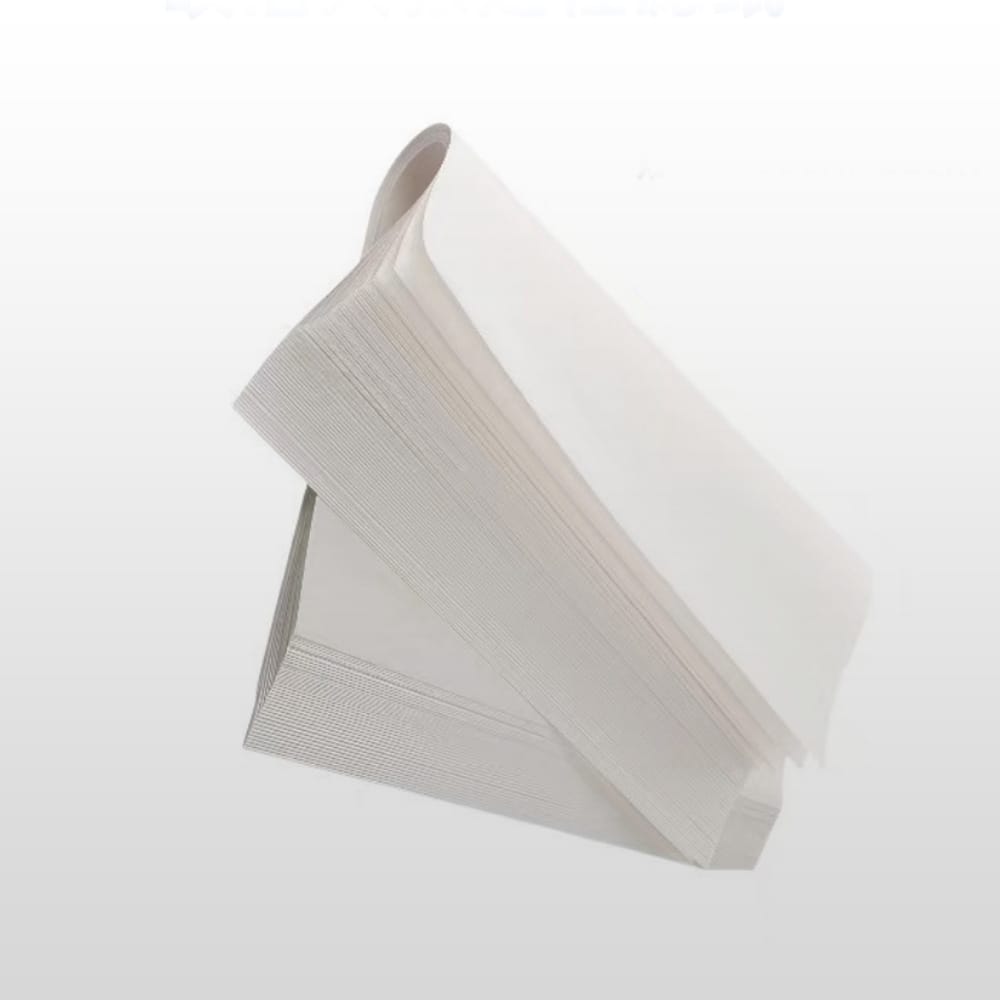
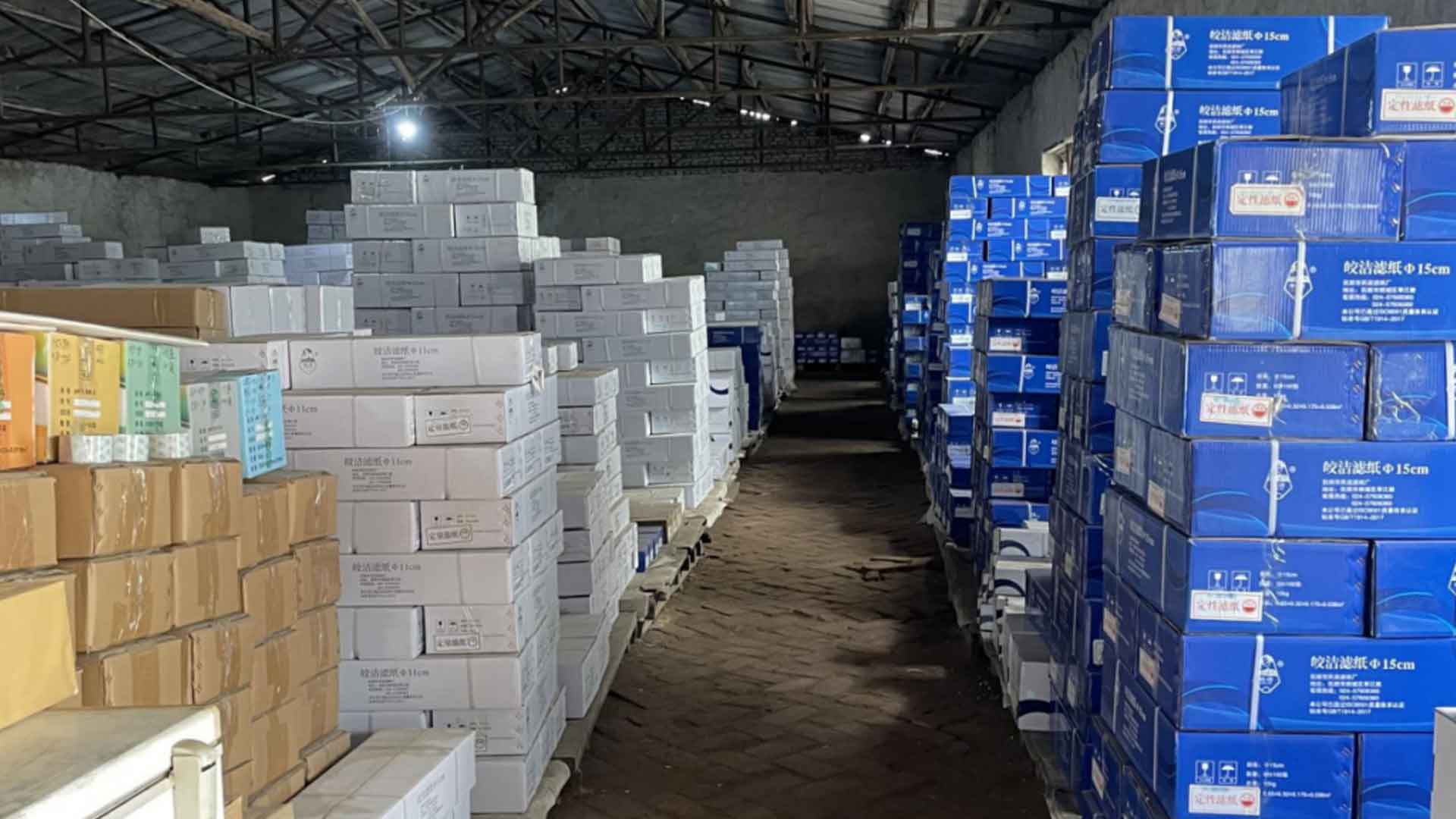
En la práctica, los compradores industriales experimentados rara vez se centran únicamente en especificaciones a nivel de superficie. En cambio, evalúan si un proveedor puede mantener la estabilidad a largo plazo en diferentes lotes de producción.
Varios factores tienden a tener más peso:
Consistencia de producción
Un sistema de fabricación estable garantiza que el rendimiento no fluctúe entre lotes, lo cual es fundamental para el uso OEM.
Capacidad de ingeniería
Los proveedores con experiencia en ingeniería de materiales pueden ajustar la composición y estructura de la fibra según los requisitos de la aplicación.
Comprensión de aplicaciones
No todos los sistemas de filtración funcionan en las mismas condiciones. Los sistemas hidráulicos, los compresores y los sistemas de lubricación de motores requieren diferentes puntos de equilibrio entre el flujo y la precisión de la filtración.
Disciplina de calidad
Los proveedores confiables dependen de pruebas estructuradas en lugar de inspección visual únicamente. Esto incluye pruebas de permeabilidad, verificación de resistencia y simulación de rendimiento.
Flexibilidad de personalización
En muchos casos industriales, las especificaciones estándar no son suficientes. La capacidad de ajustar el espesor, la densidad y la estructura se convierte en una ventaja clave.
Parámetros de rendimiento que importan en aplicaciones reales
Las hojas de datos técnicos a menudo enumeran muchos indicadores, pero sólo unos pocos afectan realmente el desempeño del campo.
Estabilidad micrónica
Esto define si el rendimiento de la filtración se mantiene constante a lo largo del tiempo, no solo en el uso inicial.
Comportamiento de retención de suciedad
Una mayor capacidad significa que el material puede funcionar por más tiempo antes de que caiga la eficiencia.
Equilibrio de resistencia al flujo
Si la resistencia es demasiado alta, la eficiencia del sistema disminuye; si es demasiado baja, la precisión de la filtración puede verse comprometida.
Integridad estructural bajo saturación
Una vez que el petróleo penetra completamente en el medio, las estructuras débiles pueden colapsar o deformarse.
Estabilidad térmica
En ambientes de alta temperatura, la degradación del material se convierte en un factor limitante clave.
Estos parámetros están interconectados en lugar de ser independientes, razón por la cual el diseño general de la estructura importa más que las especificaciones aisladas.
Donde el papel de filtro de aceite se utiliza realmente en la industria
El papel de filtro de aceite se utiliza en una gama sorprendentemente amplia de sistemas, pero los requisitos difieren significativamente según la aplicación.
En los sistemas hidráulicos, la atención se centra en proteger los componentes de precisión de las partículas abrasivas de desgaste. En los sistemas de motores, la estabilidad bajo circulación continua es más importante. En maquinaria industrial, la consistencia de la filtración durante ciclos de funcionamiento prolongados se convierte en la prioridad.
Los sistemas de energía introducen otra capa de complejidad, donde también se deben considerar la resistencia térmica y los subproductos de la oxidación del aceite. En todos estos entornos, los fallos de filtración rara vez ocurren repentinamente: se desarrollan gradualmente debido a una eficiencia reducida y una tensión creciente del sistema.
Problemas comunes que aparecen en condiciones reales de funcionamiento
La mayoría de los problemas de filtración no son causados por una falla total, sino por una disminución gradual del rendimiento.
La obstrucción tiende a aparecer cuando se excede la capacidad de retención de partículas o la estructura desigual de las fibras acelera el bloqueo en ciertas zonas.
La inestabilidad de la presión a menudo está relacionada con un diseño de flujo no coincidente más que con una calidad de filtración absoluta.
La vida útil más corta generalmente indica debilidad estructural bajo saturación en lugar de un desempeño inicial deficiente.
El comportamiento de filtración inconsistente a lo largo de los ciclos a menudo se remonta a variaciones de fabricación más que a problemas de diseño.
Estas cuestiones resaltan un punto importante: el rendimiento de la filtración no se trata sólo del tipo de material, sino de la coherencia con la que ese material se comporta a lo largo del tiempo.
Por qué la fuente de fabricación directa importa más de lo que parece
Trabajar directamente con un fabricante cambia la naturaleza de las decisiones de adquisición.
En lugar de seleccionar entre especificaciones fijas, los compradores obtienen acceso a parámetros ajustables según los requisitos del sistema. Esto incluye densidad estructural, composición de fibras y personalización dimensional.
También mejora la comunicación en torno a las expectativas técnicas. La desalineación entre las necesidades de aplicaciones y el comportamiento de los materiales es una causa común de ineficiencia de filtración en los sistemas industriales.
Más importante aún, el abastecimiento directo tiende a respaldar la coherencia a largo plazo, que suele ser más valiosa que la optimización a corto plazo.
Antes de pedidos al por mayor: qué se debe probar realmente
La evaluación por muestreo es donde se pueden evitar muchos problemas a largo plazo.
En lugar de centrarse únicamente en la apariencia, las pruebas prácticas suelen incluir:
Comportamiento en condiciones reales de flujo
Esto revela cómo responde el material a la presión y la carga de contaminación.
Estabilidad estructural después de la saturación
Algunos materiales funcionan bien inicialmente pero se degradan después de una exposición prolongada.
Compatibilidad con diferentes tipos de aceite
La viscosidad y la composición química pueden influir en el comportamiento de filtración.
Consistencia entre pruebas repetidas
Una muestra no es suficiente; lo que importa es la repetibilidad.
Esta etapa tiene menos que ver con la aprobación y más con la confirmación.
Cómo Papel de filtro de aceite La tecnología está evolucionando silenciosamente

El desarrollo de los medios de filtración se ha desplazado hacia la estabilidad y la eficiencia en lugar de cambios estructurales dramáticos.
Los diseños compuestos multicapa son cada vez más comunes y permiten la filtración por etapas dentro de una sola hoja. Se están introduciendo estructuras de baja resistencia para reducir la carga del sistema manteniendo la precisión. El refinamiento del material también está mejorando la durabilidad a largo plazo en funcionamiento continuo.
Otra tendencia notable es el enfoque en el desempeño predecible en lugar del desempeño máximo solo, especialmente en sistemas industriales donde la consistencia importa más que los extremos.
Conclusión
Elegir un aceite papel de filtro en última instancia, el proveedor se trata de comprender cómo se desempeñan los medios de filtración en condiciones industriales reales, no sólo cómo se ven en las hojas de especificaciones. La estabilidad, la consistencia estructural y la compatibilidad de aplicaciones juegan un papel mucho más importante que los valores técnicos aislados.
En los sistemas del mundo real, la eficiencia de la filtración está estrechamente ligada a la calidad de fabricación y al comportamiento de los materiales a largo plazo. Un proveedor capaz de mantener estándares de producción consistentes mientras se adapta a diferentes aplicaciones industriales proporciona mucho más valor que uno que ofrece solo productos estandarizados.
Para las industrias impulsadas por la ingeniería, este nivel de consistencia es lo que mantiene los sistemas funcionando sin problemas a lo largo del tiempo, reduce el mantenimiento inesperado y respalda la confiabilidad operativa general.
Preguntas frecuentes
¿Para qué se utiliza el papel de filtro de aceite en los sistemas industriales?
El papel de filtro de aceite se utiliza para eliminar contaminantes como polvo, partículas metálicas y lodos de aceites lubricantes e hidráulicos. Ayuda a mantener la limpieza del sistema y protege los equipos del desgaste y daños.
¿Qué factores afectan el rendimiento del papel de filtro de aceite?
Los factores clave incluyen la estabilidad nominal de micras, la estructura de la fibra, la capacidad de retención de suciedad, la permeabilidad al aire y la resistencia en húmedo. Estos parámetros influyen directamente en la eficiencia de la filtración y la vida útil.
¿Cómo elijo un aceite confiable papel de filtro ¿proveedor?
Un proveedor confiable debe ofrecer calidad de producción estable, rendimiento constante de los lotes, soporte técnico para aplicaciones y opciones de personalización basadas en diferentes sistemas industriales.
¿cuál es la diferencia entre celulosa y papel de filtro de aceite sintético?
El papel de filtro de celulosa se utiliza comúnmente para aplicaciones generales debido a su rentabilidad y absorción estable. Los tipos sintéticos proporcionan mayor durabilidad, mejor resistencia al calor y mejor rendimiento en entornos exigentes.
¿Por qué el papel del filtro de aceite se obstruye durante el funcionamiento?
La obstrucción generalmente ocurre cuando se excede la capacidad de retención de suciedad, la densidad de la fibra no es adecuada para el sistema o los niveles de contaminación en el aceite son demasiado altos para el grado de filtración seleccionado.