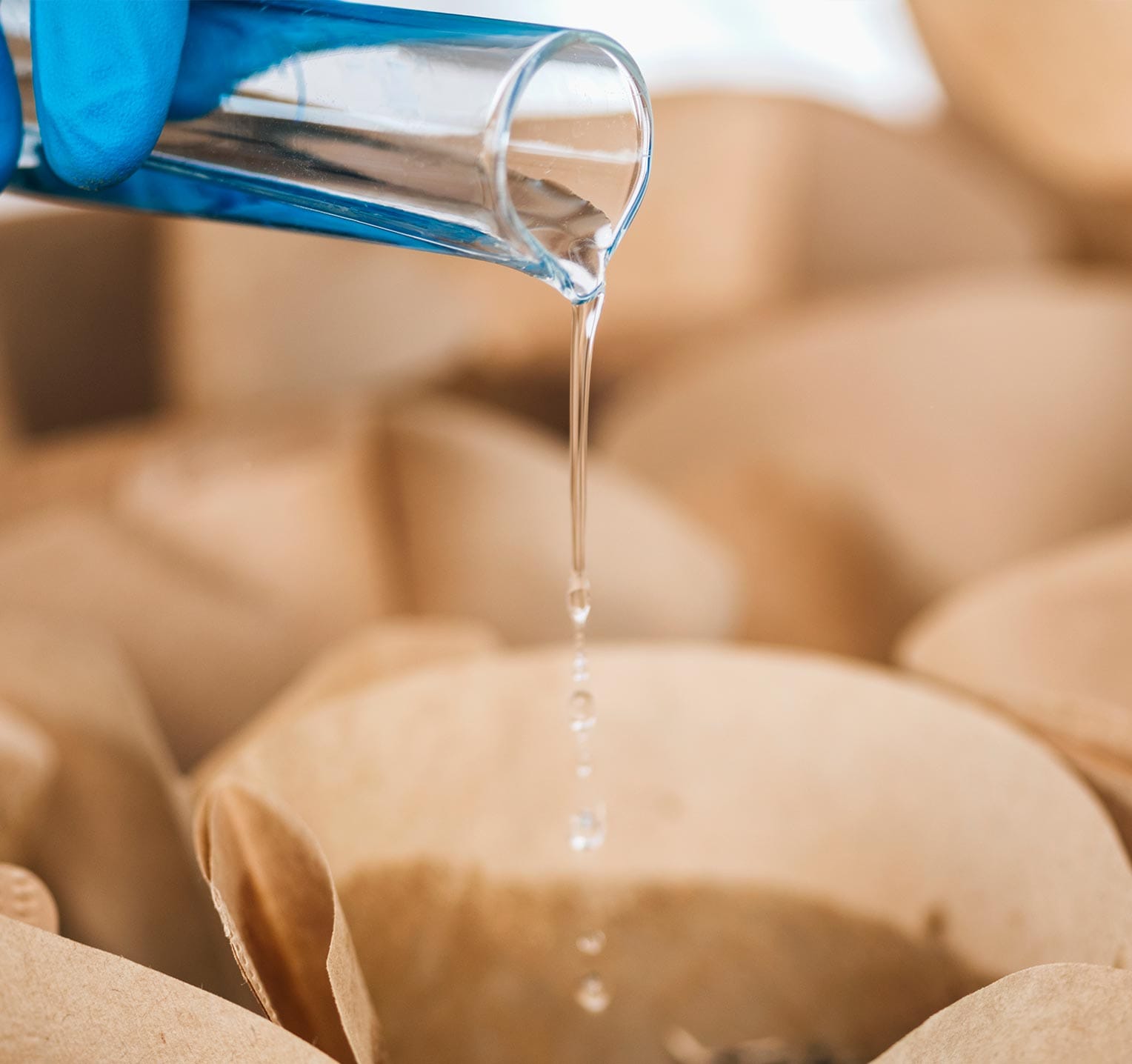
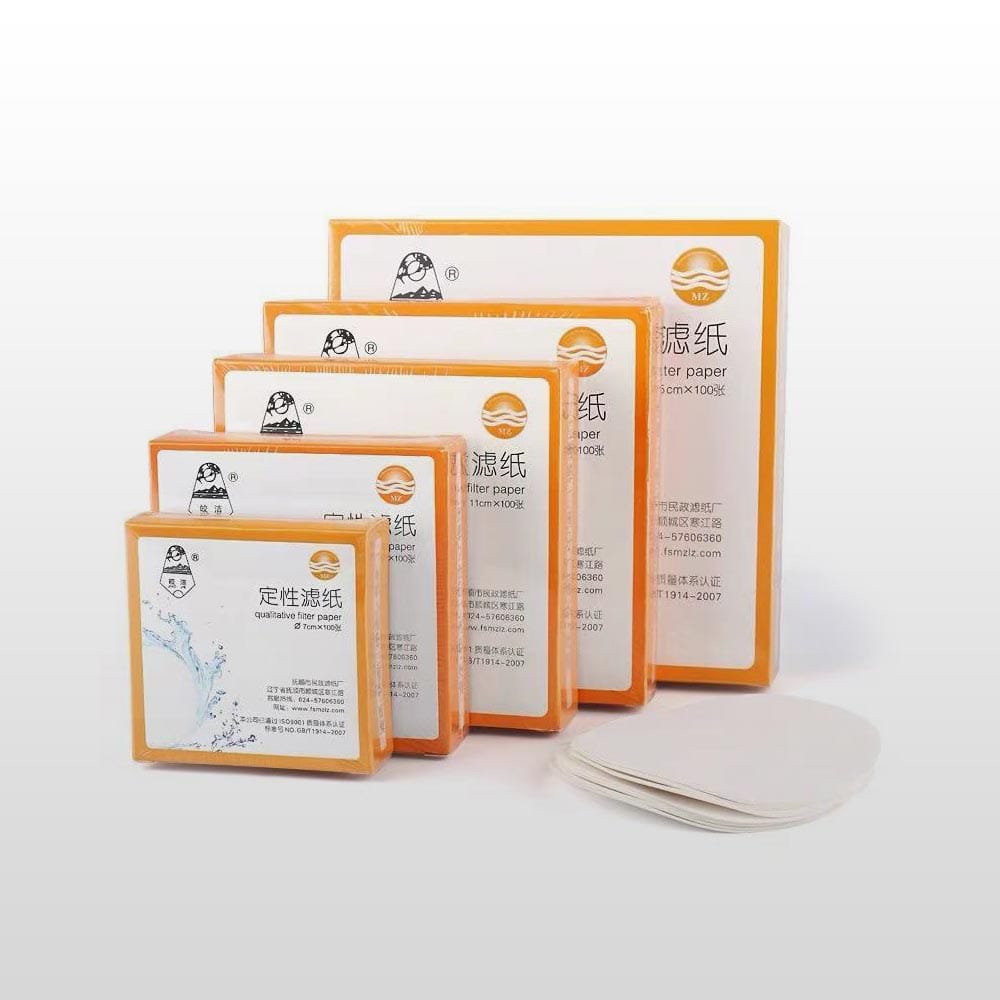
Laboratory filtration looks simple on paper, but in real testing environments it often determines whether results are acceptable or unusable. When solids, precipitates, or impurities need to be separated from liquids, laboratory filter paper becomes one of the most frequently relied-on consumables across analytical workflows.
What many buyers eventually realize is that not all filter paper behaves the same in practice. Flow stability, retention accuracy, wet strength, and ash residue control can vary significantly depending on how the material is engineered and produced. That gap is usually where performance differences become obvious.
This article breaks down laboratory filter paper from a practical manufacturing and application perspective, focusing on how it is made, how it performs, and how laboratories typically choose the right type for different testing conditions.
Table of Contents
Where Laboratory Filter Paper Actually Makes a Difference
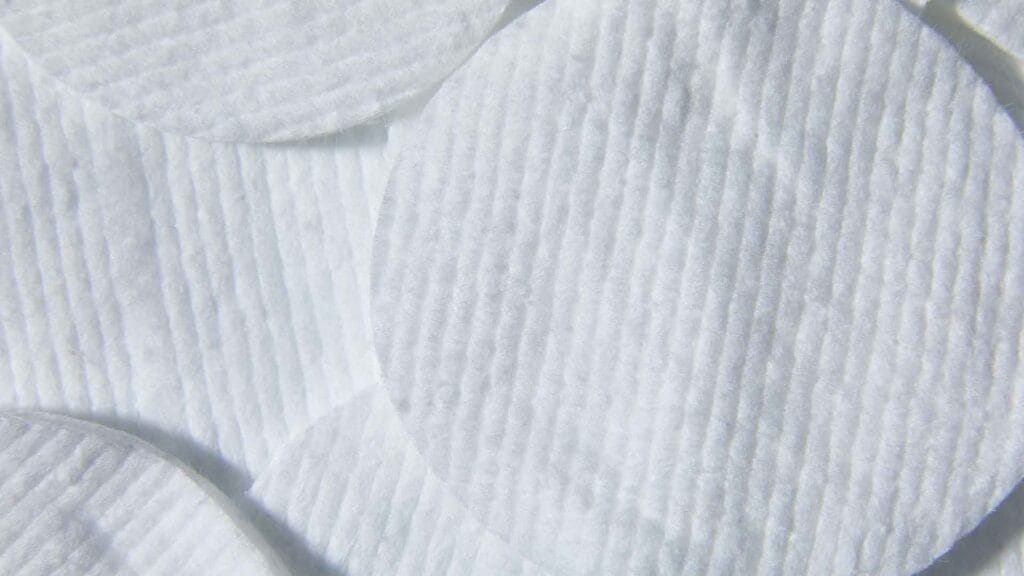
In controlled lab environments, filtration is not just about separating solids and liquids. It directly affects data reliability.
Typical use cases include:
- Removing precipitates after chemical reactions
- Clarifying solutions before instrumental analysis
- Supporting gravimetric measurement procedures
- Pre-treatment steps in water and environmental testing
- Sample preparation in pharmaceutical QC workflows
In each case, the filter paper acts as a controlled barrier. If its structure is inconsistent, the downstream results can shift—sometimes subtly, sometimes significantly.
The Main Types Used in Laboratory Work (and Why They Are Not Interchangeable)
Laboratory filter paper is generally grouped by function rather than appearance. The differences are structural and performance-based.
Qualitative Filter Paper
Used in routine filtration where separation is the goal, not residue measurement. It is commonly selected for general clarification tasks.
Quantitative Filter Paper (Ashless Grade)
Designed for analytical procedures where residue must be extremely low. After ignition, it leaves minimal ash, making it suitable for gravimetric analysis.
Hardened Grades
Engineered for higher wet strength. These are often used in vacuum filtration or when the sample contains aggressive liquid flow conditions.
Glass Fiber Variants
Used in high-load or high-temperature environments where cellulose-based materials may not maintain stability.
In real laboratory practice, the choice is rarely about “better or worse”—it is about matching structure to the test environment.
Why Filter Paper Grades Matter More Than Most Buyers Expect
Grade classification is one of the least understood yet most important selection factors.
Rather than a simple quality ranking, grades define:
- Particle retention capability
- Flow resistance level
- Filtration speed behavior
- Surface density and fiber uniformity
A slower grade does not always mean higher quality. It often means higher retention accuracy. Conversely, faster grades improve throughput but may allow finer particles to pass.
This trade-off is why laboratories often standardize grade usage across test protocols to maintain consistency.
Pore Structure, Flow Behavior, and Real Filtration Performance
One of the most critical engineering aspects is pore structure distribution.
In practice:
- Smaller and more uniform pores increase retention accuracy
- Larger pore networks improve flow efficiency
- Non-uniform structures create unpredictable filtration behavior
Flow rate is not just a convenience factor. In analytical testing, inconsistent flow can affect:
- Reaction completion timing
- Filtrate clarity
- Measurement repeatability
Wet strength also plays a role, especially in vacuum-assisted filtration setups where mechanical stress is continuous.
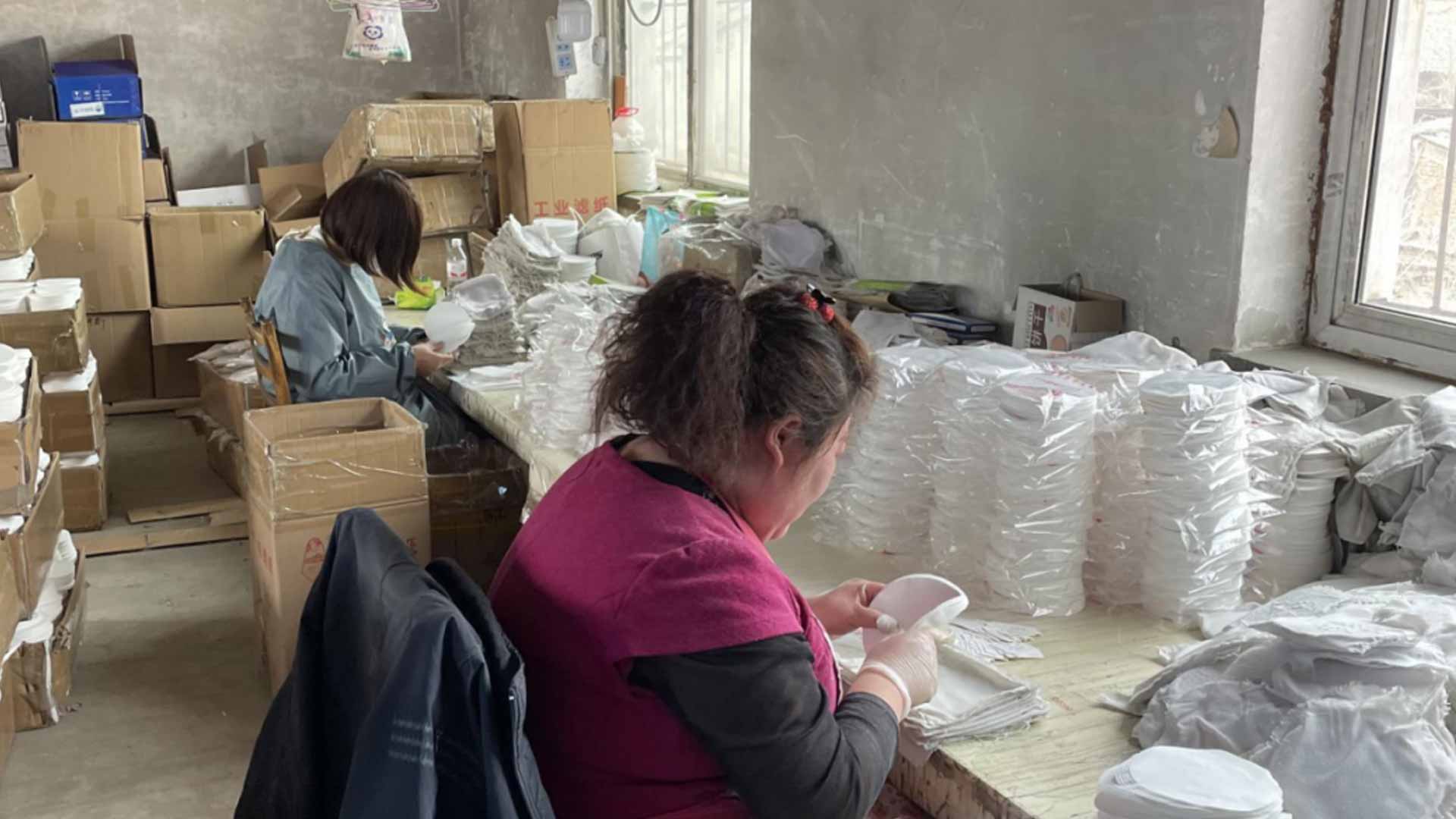
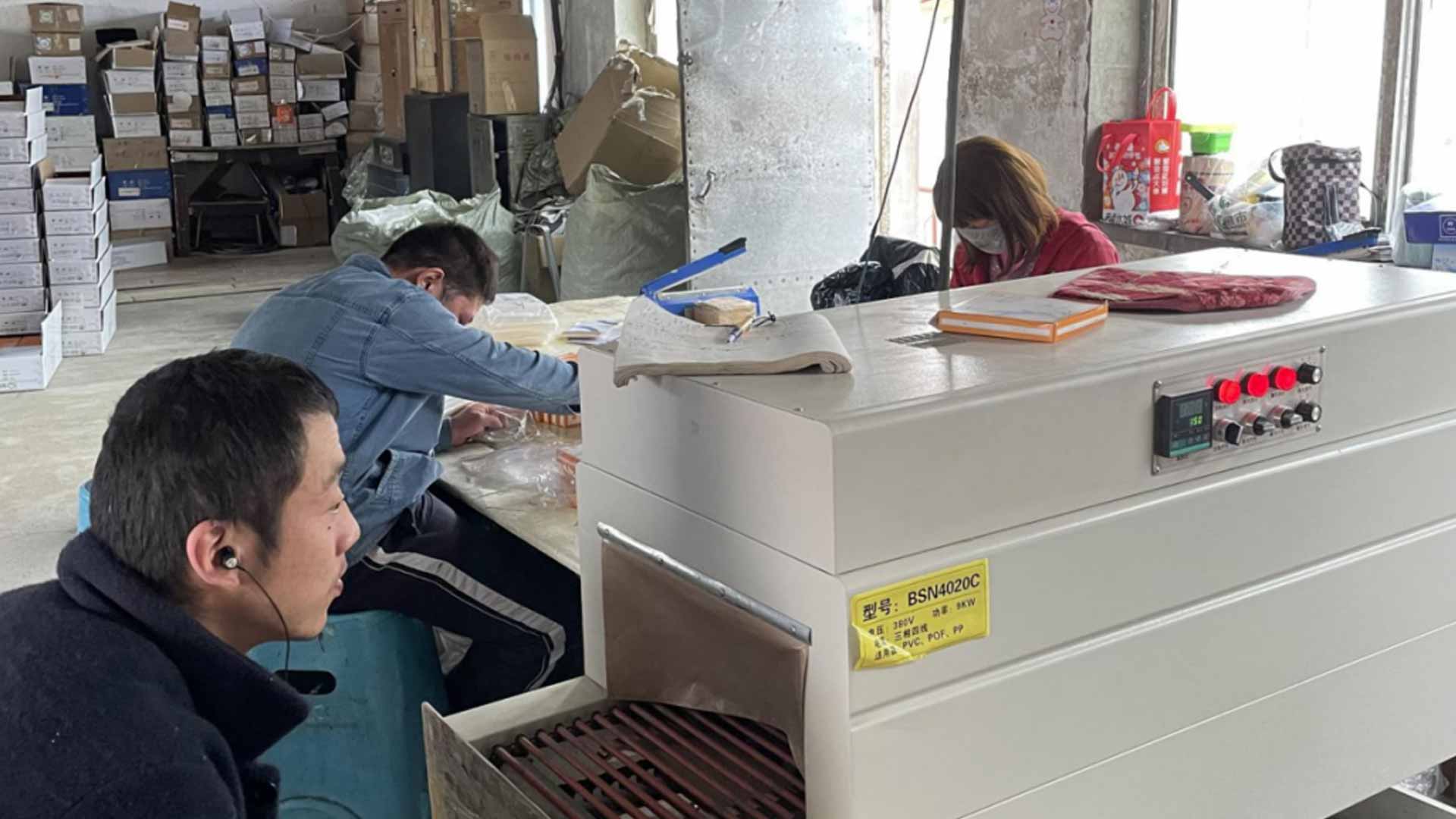
How Laboratory Filter Paper Is Manufactured (Factory Perspective)
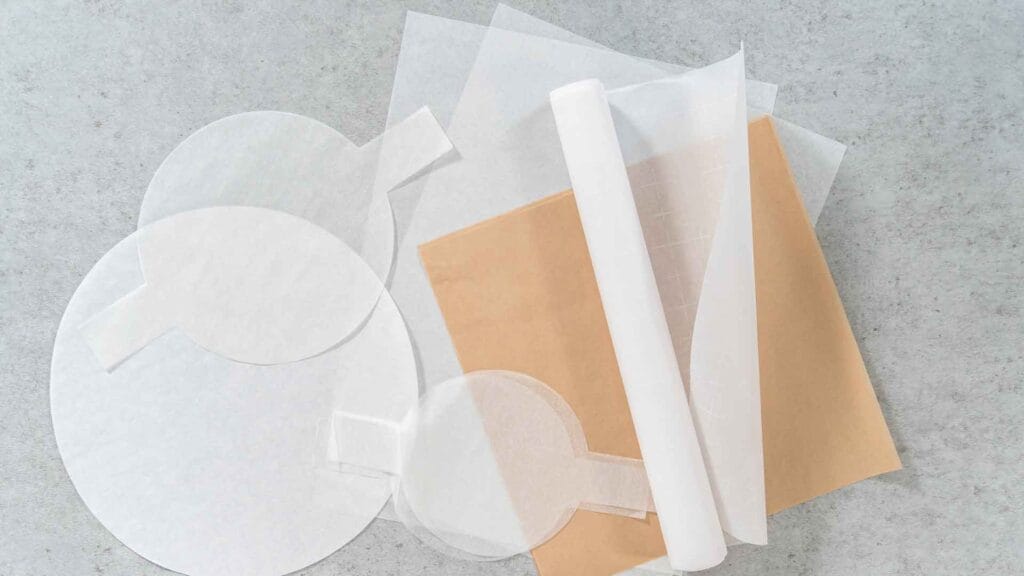
Although the end product looks simple, the production process is tightly controlled.
Raw Material Selection
High-purity cellulose fibers are selected to reduce contamination risk and improve structural consistency.
Pulp Processing
Fibers are refined to achieve uniform dispersion. This stage largely determines pore formation later.
Sheet Formation
The pulp is formed into thin sheets under controlled conditions to ensure even density distribution.
Drying and Stabilization
Moisture removal is carefully managed to prevent structural deformation or weak zones.
Cutting and Grading
After stabilization, sheets are converted into standard formats and sorted by performance grade.
Quality Control
Each batch is typically evaluated for:
- Flow consistency
- Retention performance
- Ash content stability
- Structural integrity under wet conditions
In industrial production, consistency between batches is often more important than single-sample performance.
Standards That Influence Laboratory Filter Paper Performance
Laboratory filter paper is often evaluated under internationally recognized laboratory consumable standards.
Common control factors include:
- Ash content limits for quantitative applications
- Cellulose purity requirements
- Filtration rate stability thresholds
- Batch-to-batch reproducibility
In regulated environments such as pharmaceutical and environmental labs, these parameters are not optional—they are expected baseline requirements.
Selection Logic: How Laboratories Choose the Right Filter Paper
In real procurement decisions, selection usually follows a practical logic rather than theoretical comparison.
Typical decision flow:
- If residue measurement is required → ashless quantitative grade
- If speed matters more than precision → fast-flow qualitative grade
- If filtration involves heavy particles → high-retention slow grade
- If vacuum filtration is used → reinforced wet-strength type
Compatibility with chemicals is also critical. Certain solvents can weaken cellulose structures if not properly matched.
Where Laboratory Filter Paper Is Used Across Industries
Although widely associated with chemistry labs, its usage extends far beyond that.
Chemical Processing
Used in precipitation separation and solution clarification.
Environmental Testing
Supports analysis of water, soil, and air particulate samples.
Pharmaceutical Quality Control
Used in ingredient verification and impurity removal stages.
Food and Beverage Testing
Assists in contamination screening and composition analysis.
Research Laboratories
Used in experimental workflows requiring controlled separation processes.
Each industry applies different expectations to filtration precision and stability.
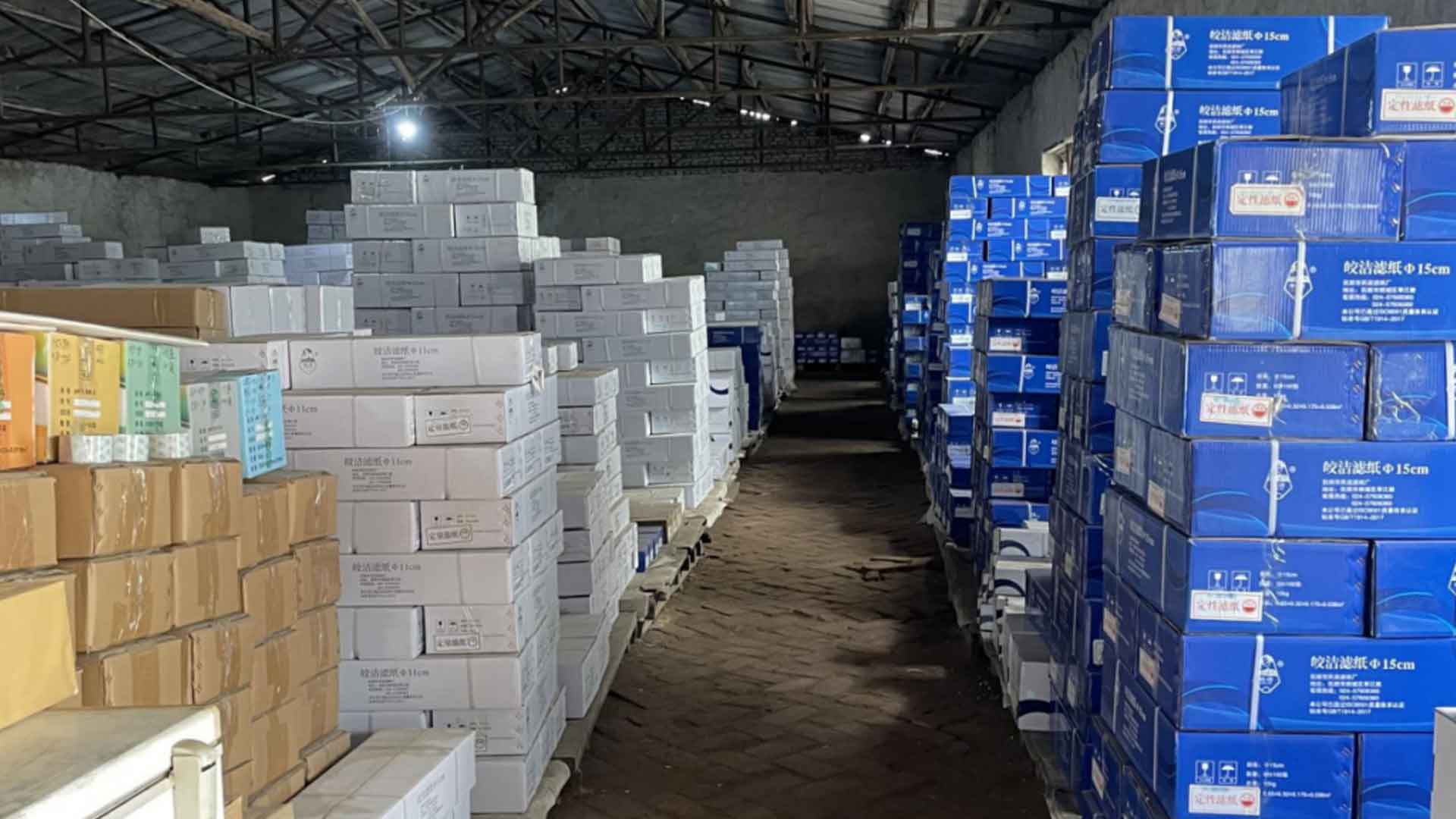
Manufacturer vs Supplier: Why the Source Matters
In laboratory consumables, supply chain structure directly affects consistency.
Working with a manufacturing source typically provides:
- Controlled production standards
- Stable material sourcing
- Customizable specifications
- Better batch traceability
- More predictable long-term supply behavior
For laboratories and distributors, consistency is often more valuable than variability in sourcing.
OEM and Bulk Supply Considerations for Global Buyers
In international procurement, flexibility is often required beyond standard product formats.
Common requirements include:
- Customized sheet sizes and formats
- Application-specific grade configuration
- Packaging tailored for distribution channels
- Stable long-term supply planning
These factors are particularly important for distributors building their own laboratory consumable lines.
Common Filtration Problems and What Usually Causes Them

When filtration performance fails, the cause is often not the process but the material.
Frequent issues include:
- Slow filtration caused by inconsistent pore distribution
- Particle breakthrough due to low retention uniformity
- Structural failure under wet conditions
- Contamination introduced by low-purity raw materials
These problems are typically linked to manufacturing control rather than user operation.
Conclusion
Laboratory filter paper plays a quiet but essential role in almost every analytical workflow. Its performance is not defined by appearance but by internal structure—pore distribution, fiber purity, grade classification, and manufacturing consistency.
From routine clarification to precision gravimetric analysis, selecting the correct type directly affects data reliability. For laboratories and distributors, sourcing from a stable manufacturing process is often the most effective way to ensure consistent filtration behavior across applications.
FAQ
Q1: What is laboratory filter paper used for?
It is used to separate solid particles from liquids during chemical, environmental, and analytical testing processes.
Q2: What is the difference between qualitative and quantitative filter paper?
Qualitative paper is used for general filtration, while quantitative (ashless) paper is designed for precise analysis with minimal residue.
Q3: How do I choose the right grade of laboratory filter paper?
Selection depends on particle size, filtration speed, and required accuracy of the test method.
Q4: What does pore size mean in laboratory filter paper?
Pore size refers to the openings in the paper structure that determine how fine particles are retained during filtration.
Q5: Can laboratory filter paper be used in vacuum filtration systems?
Yes, but only reinforced or high wet-strength grades are suitable for vacuum filtration conditions.