Table of Contents
When Laboratory Results Depend on Something You Don’t Think About

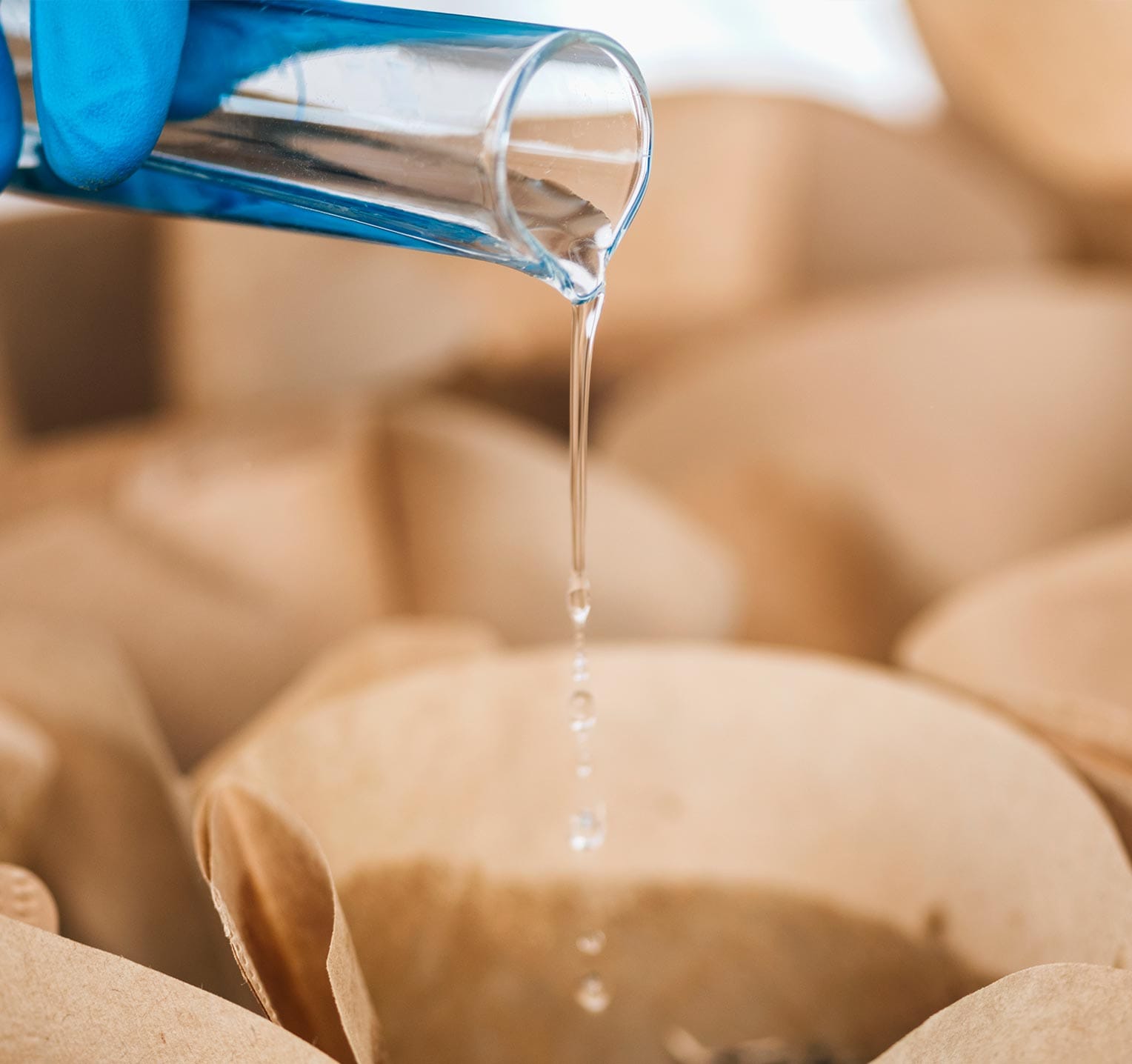
In most chemistry labs, attention is usually on instruments, reagents, or reaction conditions. Filter paper rarely gets discussed. Yet in practice, it quietly determines whether a result is clean, repeatable, or completely unreliable.
Anyone who has worked in filtration, precipitation, or sample preparation knows this:
a small change in filter paper performance can shift the clarity of a solution or even affect measured outcomes.
That’s why filter paper for chemistry is not just a consumable—it is part of the analytical chain.
Why Chemistry Labs Still Rely on Filter Paper (Even in Modern Analysis)
Despite advanced instruments, filtration is still unavoidable in almost every workflow.
In real laboratory environments, filter paper is used when:
- A reaction mixture needs solid-liquid separation before testing
- Precipitates must be collected for weighing or further analysis
- Samples require clarification before spectroscopic or chromatographic analysis
- Impurities must be removed without altering chemical composition
What makes filter paper unique is its simplicity. No power, no calibration—just physical separation controlled by fiber structure and pore distribution.
But that simplicity hides a lot of engineering.
The Part Most People Overlook: Grades Are Not Just Labels
In practice, laboratories don’t choose filter paper by name—they choose by behavior.
Different grades behave differently under liquid flow:
- Some allow fast passage but retain only larger particles
- Some slow down filtration but improve clarity
- Some are designed to hold structure under vacuum pressure
Qualitative grades are typically used when the goal is separation, not measurement.
Quantitative grades, on the other hand, are designed for analytical work where residue may be weighed or further analyzed.
What matters in real usage is not the classification itself, but how stable the filtration behaves under consistent conditions.
Pore Size Is Not a Number Problem—It’s a Control Problem
One of the most misunderstood aspects of filter paper for chemistry is pore size.
It is often treated as a specification, but in practice, it behaves more like a control parameter.
Smaller pore structure:
- Improves particle retention
- Produces clearer filtrate
- Slows down filtration speed
Larger pore structure:
- Increases flow rate
- Reduces retention precision
- Suitable for coarse separation
In laboratory work, this becomes a balancing act. A paper that filters too fast may compromise accuracy, while overly fine filtration can slow down workflow and even trap desired material.
That is why experienced users don’t start from pore size—they start from the experiment goal.
Where Filter Paper Actually Shows Its Value in Chemistry Workflows
The importance of filter paper becomes clearer when you look at real applications:
In analytical work, it is often used before measurements to stabilize samples.
In gravimetric analysis, it becomes part of the weighing system itself.
In environmental testing, it decides how “clean” a water or soil sample appears under analysis.
In organic chemistry, it supports separation of solid by-products from reaction mixtures.
Across all these scenarios, the role is consistent:
it defines what passes through and what does not—without changing the chemistry.
What High-Performance Laboratory Filter Paper Is Expected to Do

In industrial and research environments, expectations are not abstract—they are functional.
A stable filter paper for chemistry should:
- Maintain structure when wet
- Keep filtration behavior consistent across batches
- Avoid releasing fibers into the filtrate
- Resist chemical interaction with common reagents
- Perform predictably under gravity or vacuum conditions
When any of these factors fail, the issue is rarely noticed immediately. It shows up later as inconsistent data or repeat experiments.
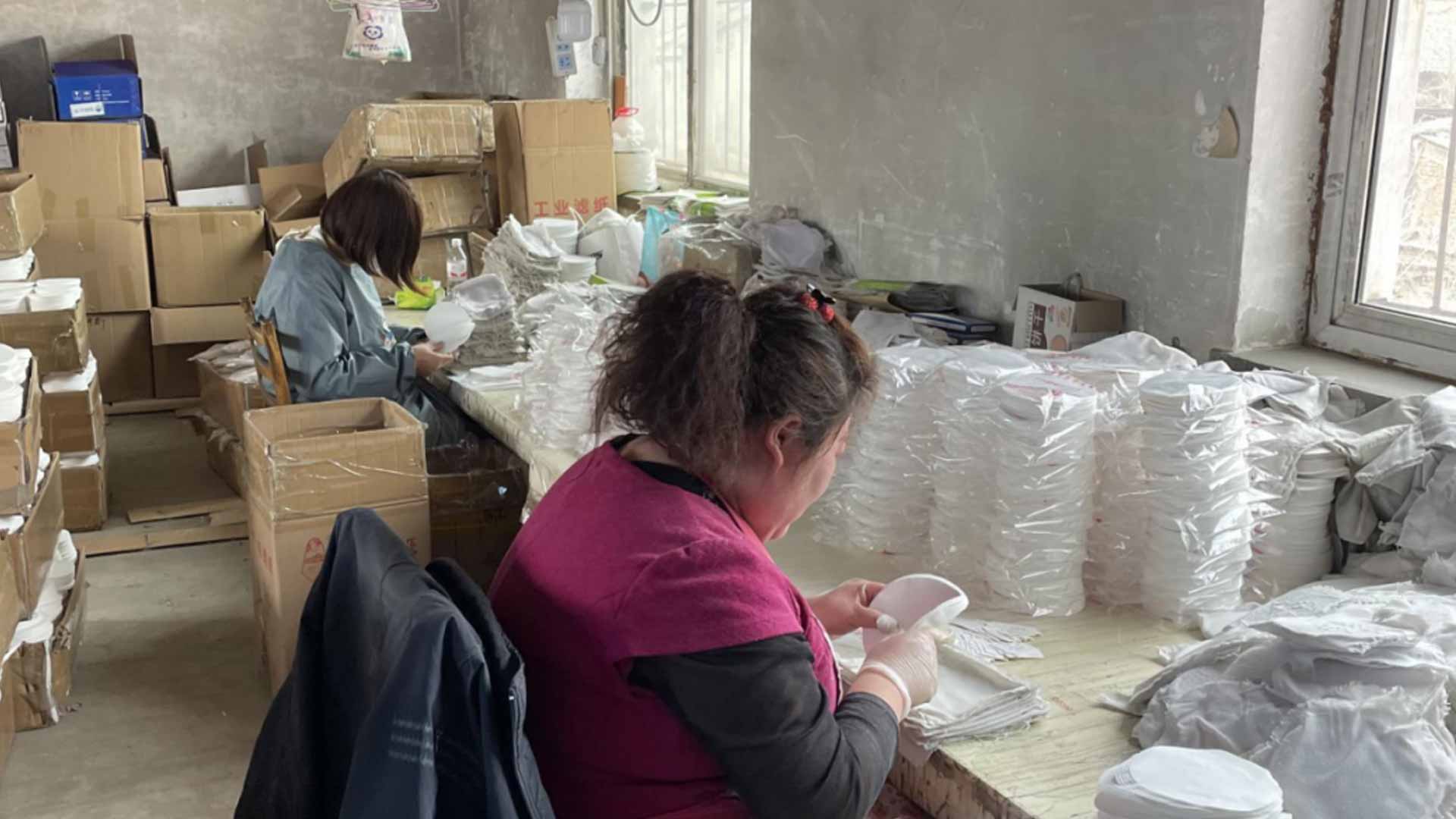
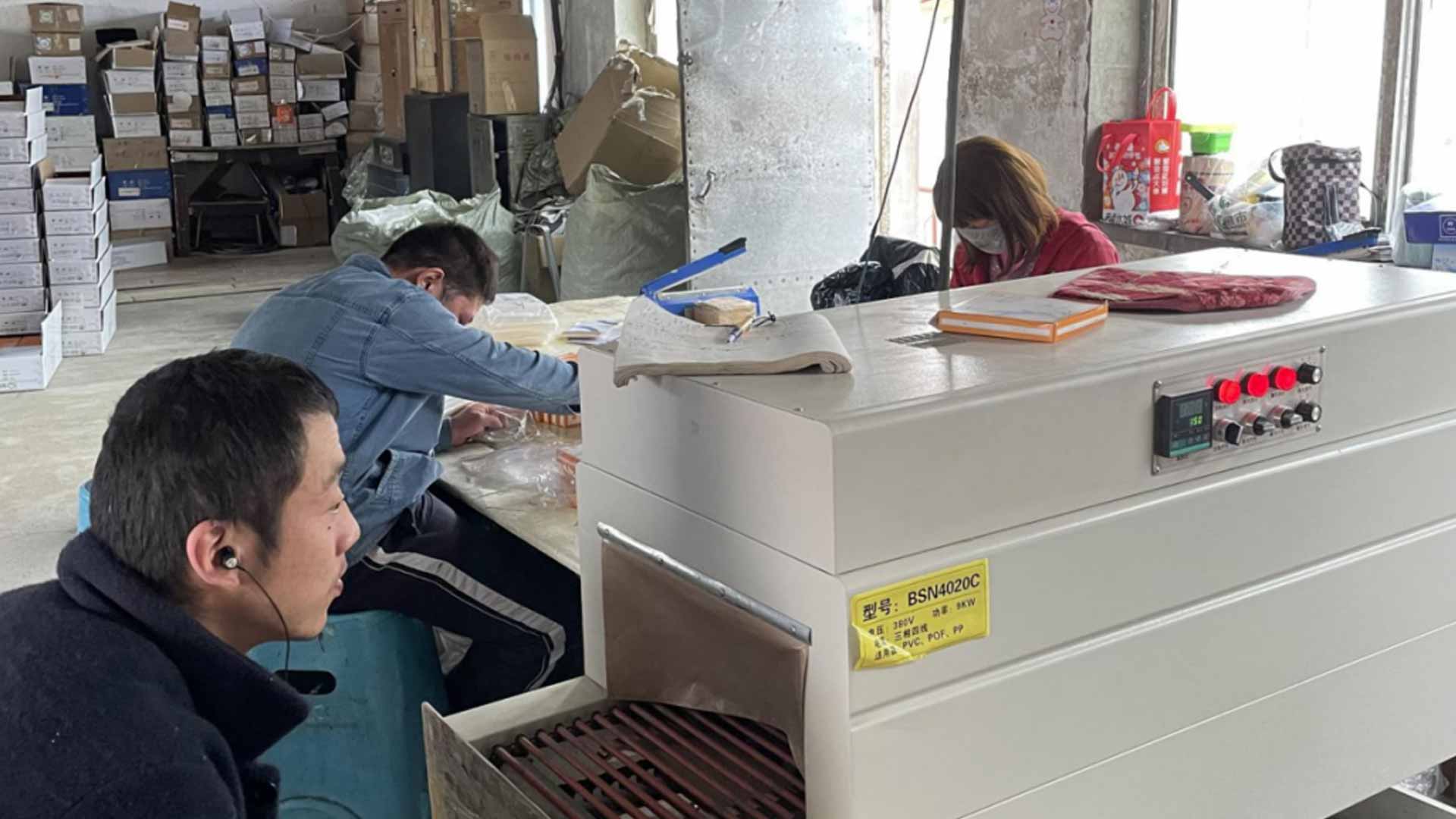
Manufacturing Perspective: Why Consistency Is Harder Than It Looks
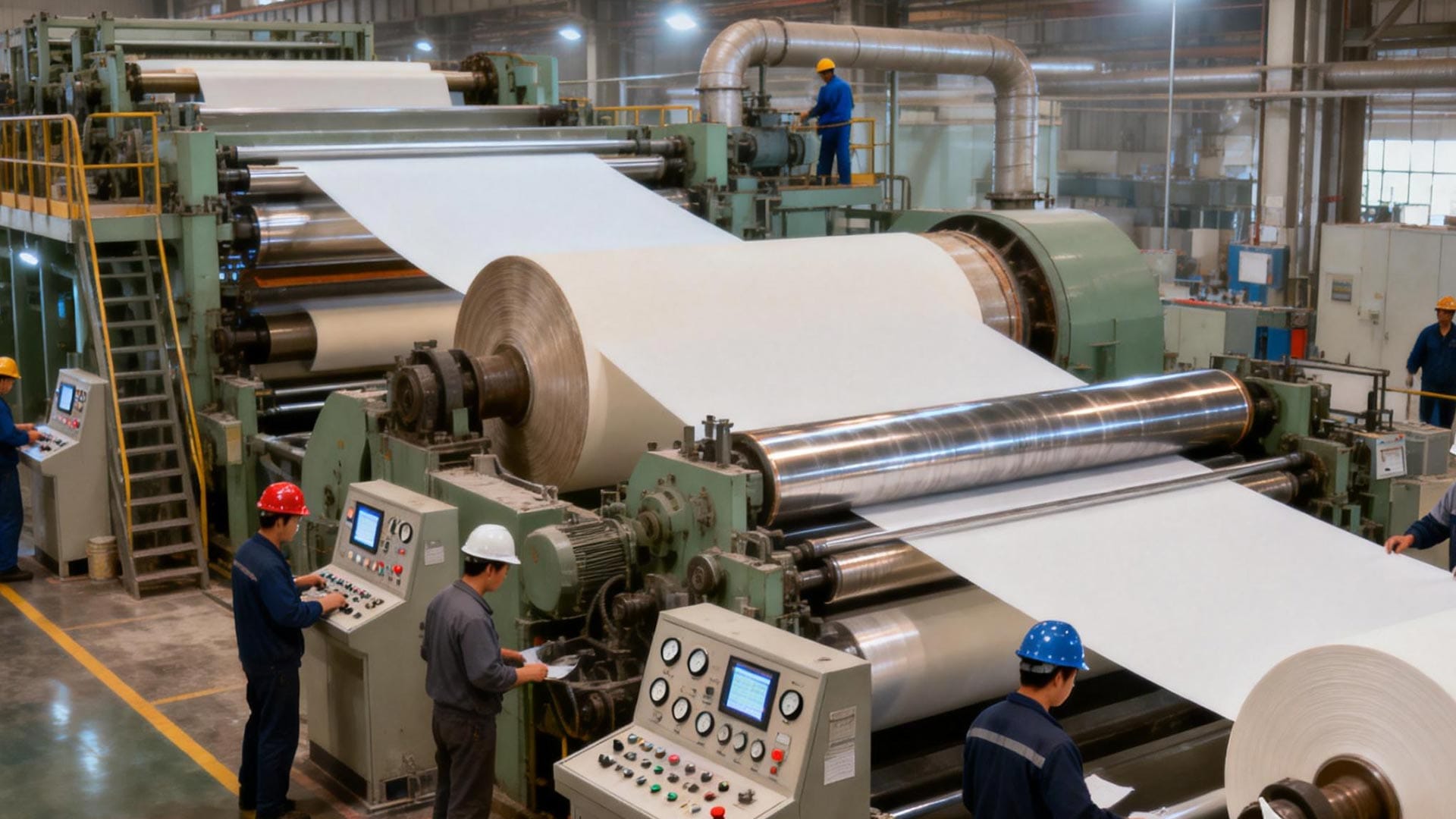
From a production point of view, filter paper is not simply “paper making.”
It is a controlled material engineering process.
It starts with cellulose fiber selection. The purity and uniformity of fibers determine the foundation of filtration behavior.
Then comes fiber dispersion and sheet formation. This is where pore structure is essentially “designed” through physical distribution rather than mechanical cutting.
Drying and stabilization are equally important, because structural tension affects how the paper behaves when saturated.
For higher-grade products, additional treatment steps are used to reduce impurities and stabilize ash content for analytical applications.
What often separates stable performance from inconsistent batches is not a single step—but control across the entire process.
Why Direct Manufacturing Matters More Than It Sounds
In laboratory supply chains, many users only see the final product.
But the difference between stable and unstable filtration often comes from upstream control.
Working directly with a filter paper manufacturer generally means:
- Fewer variations between batches
- More predictable filtration behavior
- Better alignment between specification and actual performance
- Ability to adapt paper structure to specific laboratory needs
- More consistent supply for ongoing research work
This becomes especially important in research environments where reproducibility is non-negotiable.
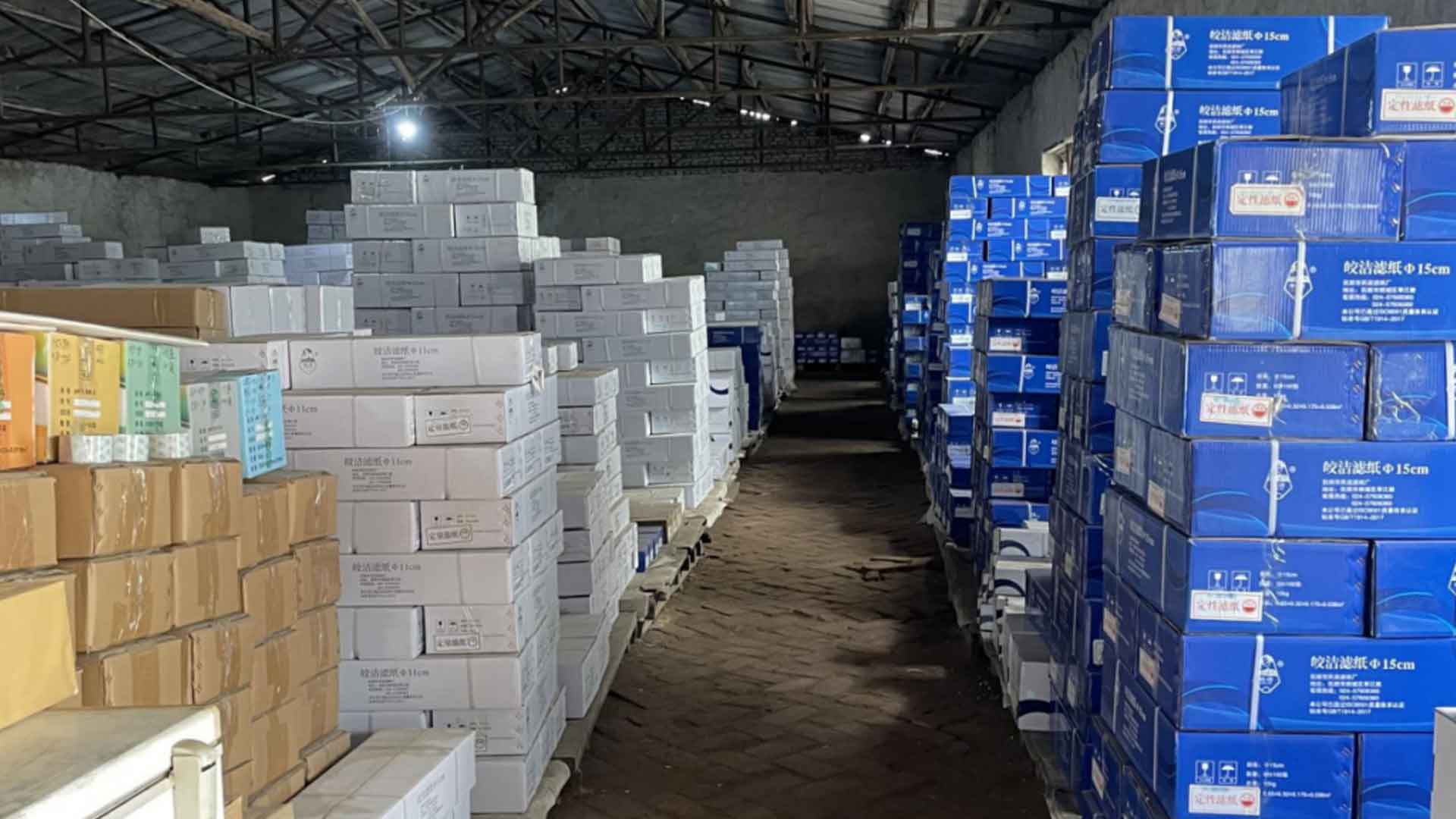
Bulk Supply and Laboratory Use Are Not the Same Requirement
One common mistake in procurement is treating laboratory use and bulk supply as identical needs.
They are not.
Laboratory users care about repeatability and precision.
Bulk or institutional users also care about consistency across large batches and time periods.
That’s why filter paper for chemistry supply models often include standardized formats, controlled packaging, and long-term production stability rather than one-off customization.
When Filter Paper Becomes the Source of Experimental Error
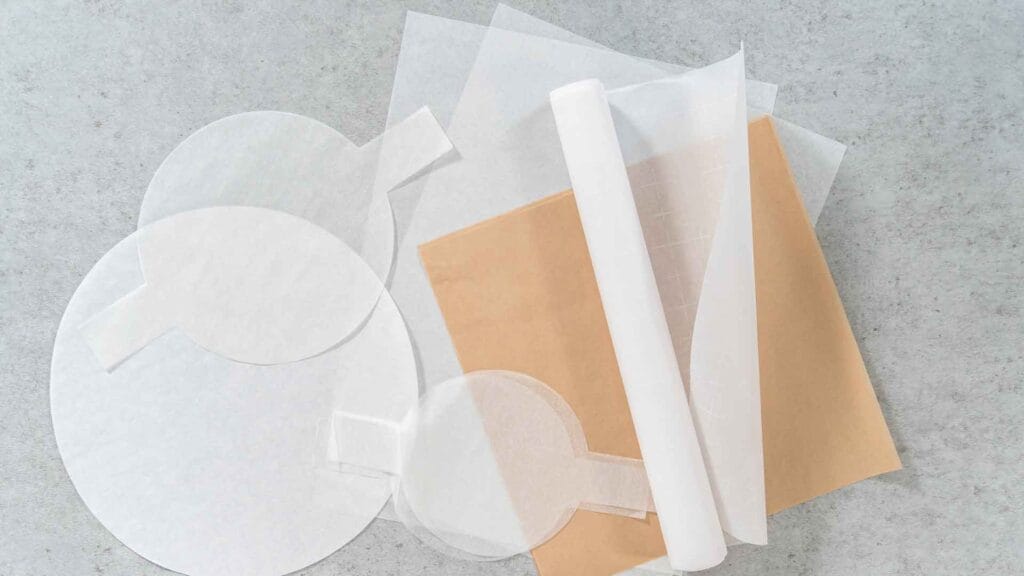
Most filtration issues don’t come from obvious failure—they come from subtle inconsistency.
Typical problems include:
- Unexpected slow filtration even with correct grade
- Residual fibers affecting downstream analysis
- Slight variation in clarity between batches
- Filtration time drifting across repeated experiments
These issues rarely point to equipment failure. More often, they point to inconsistency in filtration media.
That is why experienced lab technicians often treat filter paper as part of quality control, not just consumable supply.
Closing Perspective
Filter paper is one of those materials that rarely gets attention until something goes wrong.
In chemistry laboratories, it quietly supports nearly every workflow involving separation or purification. Its role is simple in concept but highly technical in execution.
Understanding filter paper for chemistry is not about memorizing grades or pore sizes. It is about understanding how physical structure affects experimental behavior.
And for manufacturers and users alike, consistency is what ultimately defines value—not complexity.
FAQ
Q1: What is filter paper for chemistry used for?
A1: It is used to separate solid particles from liquid solutions in laboratory experiments, including filtration, precipitation, and sample preparation.
Q2: What is the difference between qualitative and quantitative filter paper?
A2: Qualitative filter paper is used for general separation, while quantitative filter paper (ashless grade) is designed for precise chemical analysis where residue measurement is required.
Q3: How does pore size affect filtration in chemistry?
A3: Smaller pore sizes improve particle retention and solution clarity but slow down filtration speed, while larger pores allow faster flow with less precision.
Q4: Why is filter paper important in chemical experiments?
A4: It ensures accurate separation of solids and liquids, which directly affects the reliability, clarity, and repeatability of experimental results.
Q5: What factors should be considered when choosing filter paper for chemistry?
A5: Key factors include filtration speed, pore size, chemical resistance, particle size in the sample, and the required level of analytical accuracy.