Table of Contents
Introduction
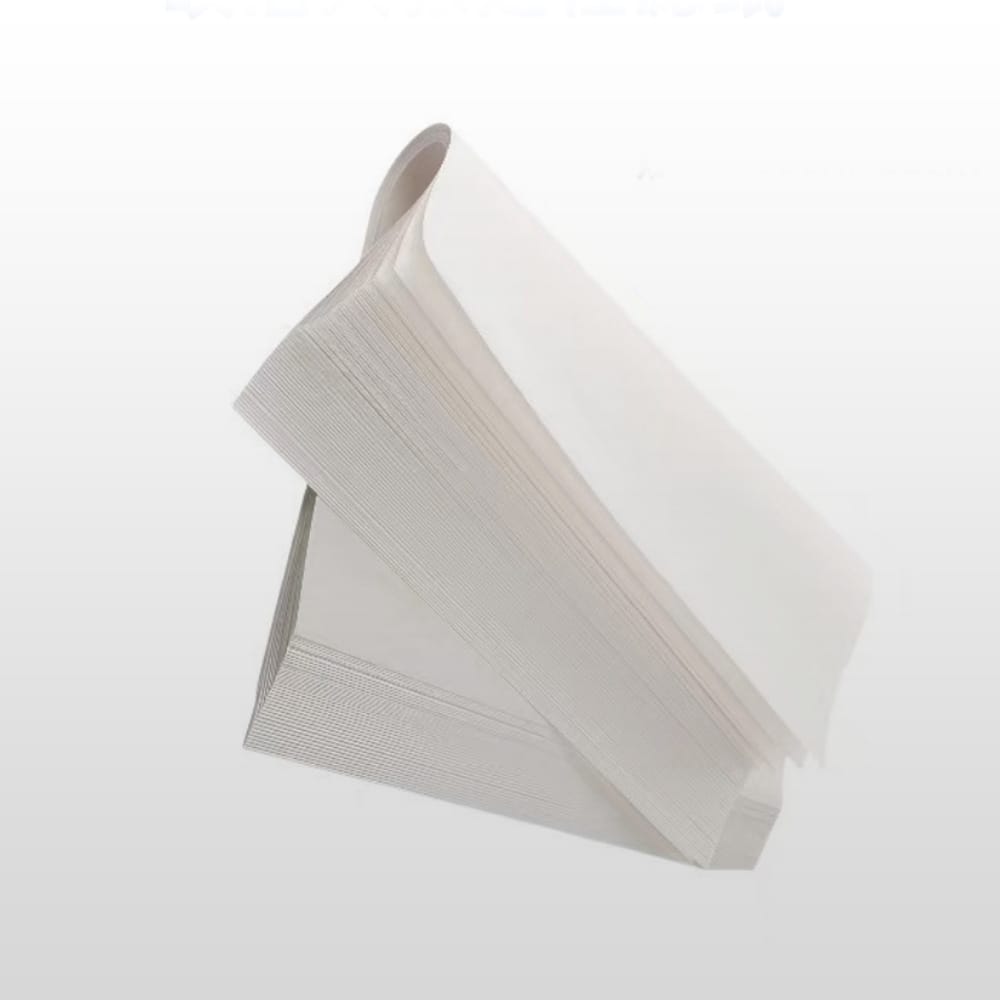
In modern laboratories, precision and reliability are non-negotiable. Among the tools that ensure accurate results, qualitative filter paper stands out as an indispensable component. As a manufacturer of high-quality filter papers, we understand the critical role these papers play in laboratory workflows, from basic separation processes to complex analytical testing.
Qualitative filter papers are designed to remove suspended solids from liquids, provide consistent filtration, and enable researchers to perform experiments with confidence. They are widely used in chemical analysis, environmental monitoring, and biological research, making their quality and consistency a top priority for any laboratory professional.
What is Qualitative Filter Paper?
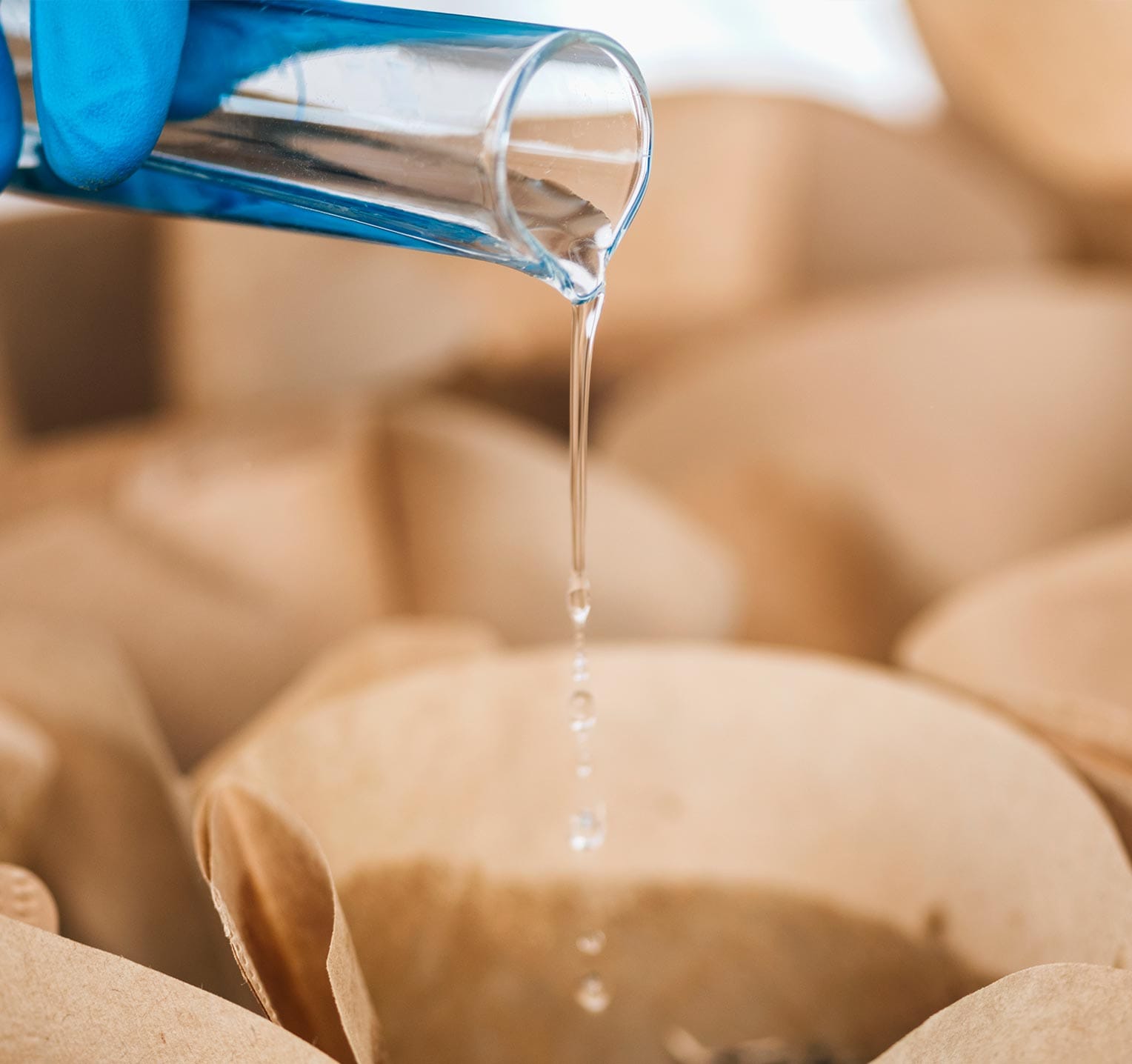
Qualitative filter paper is a laboratory-grade filtration medium primarily composed of cellulose fibers. Its main function is to separate solids from liquids without chemically reacting with the sample. Unlike quantitative filter papers, which are designed for precise analytical measurements, qualitative papers focus on routine laboratory filtration where rapid and efficient separation is needed.
Understanding Filter Paper Grades
Different grades of qualitative filter paper are tailored for various applications. These grades differ in pore size, thickness, and flow rate, allowing laboratories to choose the most suitable type for their experiments. For instance, papers with larger pores are ideal for rapid filtration of coarse precipitates, while finer grades are better for delicate separations.
A simplified overview of common grades and their typical uses:
| Grade | Pore Size | Flow Rate | Typical Use |
|---|---|---|---|
| Grade 1 | Medium | Standard | General laboratory filtrations |
| Grade 2 | Medium-Fine | Moderate | Precipitate filtration |
| Grade 4 | Coarse | Fast | Rapid separation of large particles |
This structured variety ensures that laboratories can select filter papers that align perfectly with their procedural needs.
Applications of Qualitative Filter Paper in Laboratories
The versatility of qualitative filter paper makes it suitable for numerous laboratory applications:
- Chemistry Laboratories: Filtration of reaction mixtures, removal of precipitates, and sample clarification.
- Biology Laboratories: Sample preparation, microbial testing, and separation of cellular components.
- Environmental Testing: Water and soil analysis, particulate monitoring, and chemical assessment.
- Food and Beverage Quality Control: Ensuring the clarity and purity of liquids in production and lab testing.
In each of these applications, the quality and consistency of filter paper directly influence experimental accuracy and reliability.
How to Choose the Right Qualitative Filter Paper
Selecting the correct qualitative filter paper requires consideration of several factors:
- Pore Size: Match the pore size to the particle size in your sample. Finer pores ensure thorough filtration but may slow down the process.
- Flow Rate: Determine the balance between filtration speed and retention efficiency.
- Chemical Compatibility: Ensure the filter paper does not react with the sample.
- Grade Selection: Consider the paper grade based on the type of separation required.
By making informed decisions, laboratory professionals can optimize both efficiency and accuracy. As a manufacturer, we recommend aligning your filter paper choice with the specific experimental objectives to ensure consistent results.
Advantages of Buying Direct from the Manufacturer

Purchasing qualitative filter paper directly from the manufacturer provides several key benefits:
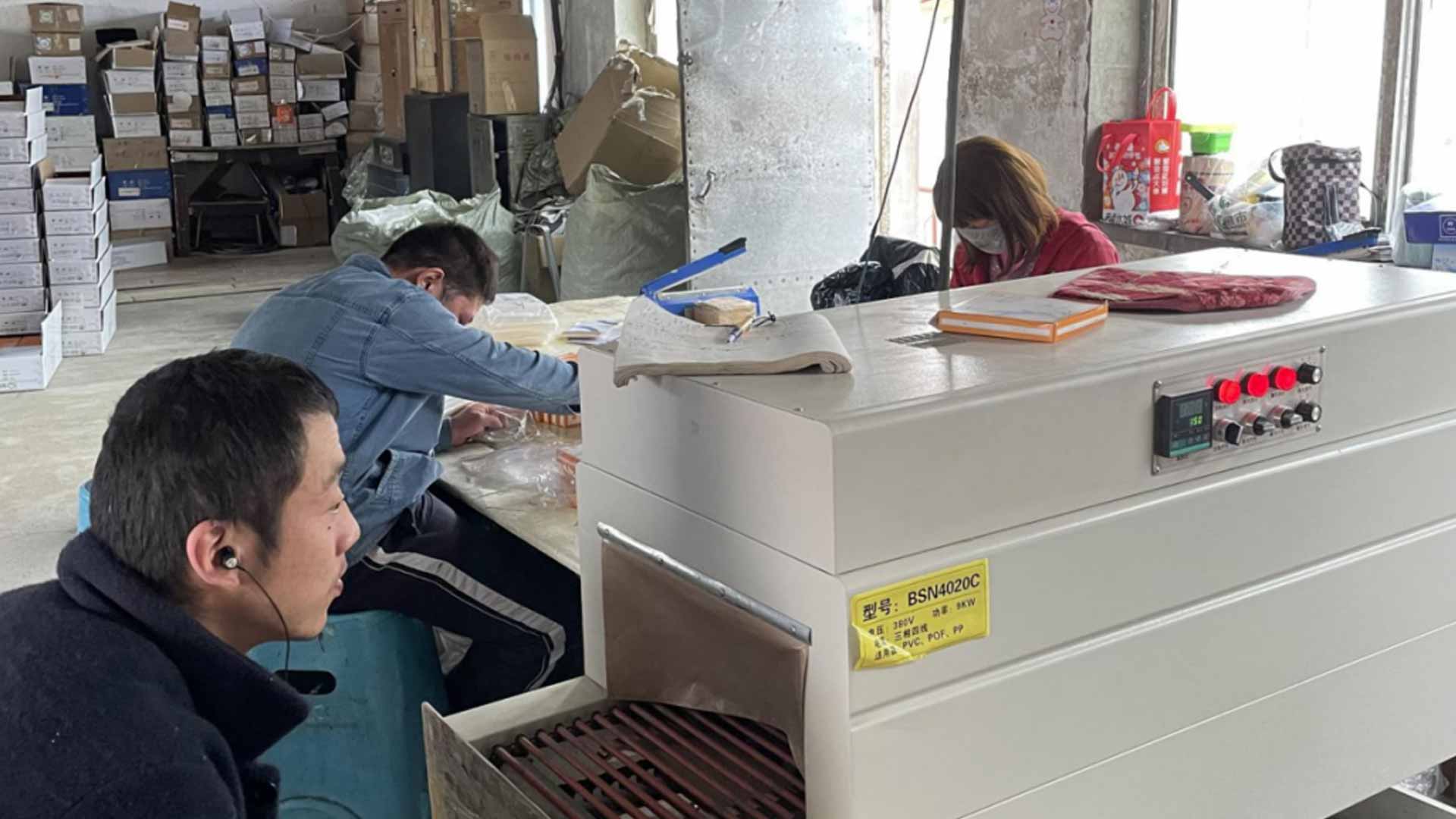
- Quality Assurance: Each batch undergoes strict quality control to ensure uniform performance.
- Customization: Laboratories can request specific sizes, thicknesses, and grades tailored to their workflow.
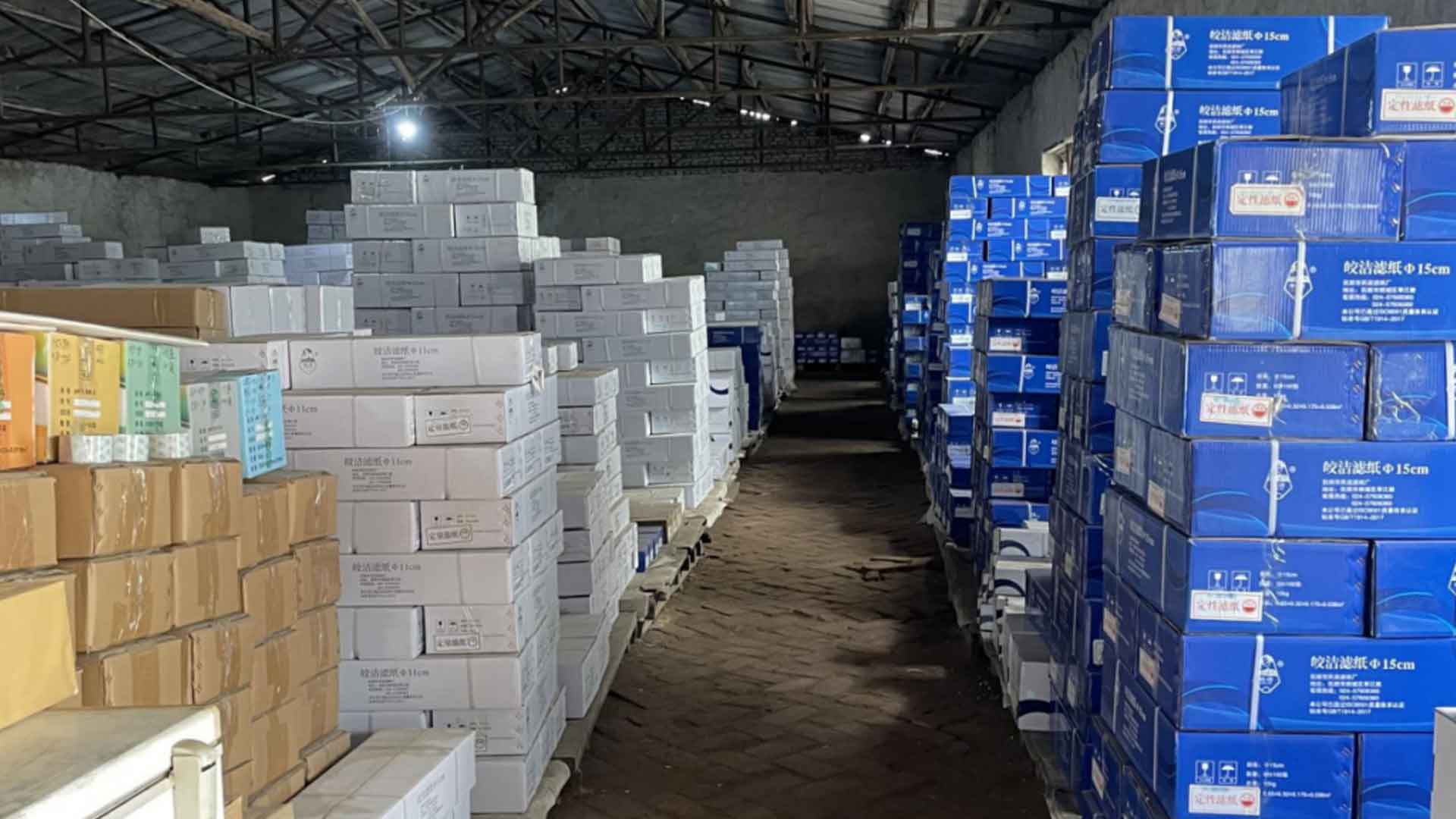
- Reliable Supply: Direct sourcing eliminates the uncertainty of third-party suppliers, ensuring timely delivery.
These advantages make manufacturer-direct purchases the preferred choice for laboratories seeking reliability and high performance.
Comparing Filter Paper Quality
Not all filter papers are created equal. Subtle differences in manufacturing techniques, material selection, and grade consistency can significantly affect laboratory outcomes. By sourcing directly from a trusted manufacturer, laboratories gain access to products that maintain repeatable performance, minimal contamination risk, and long-term stability.
When selecting qualitative filter paper, laboratories should focus on material quality, retention capability, and batch consistency rather than brand names or pricing, as these factors ultimately determine experimental success.
Maintenance and Handling of Qualitative Filter Paper
Proper handling of qualitative filter paper is essential to maintain its integrity:
- Storage: Keep filter papers in a dry, dust-free environment to prevent contamination and moisture absorption.
- Handling: Use clean tools or gloves to avoid introducing impurities.
- Usage: Avoid folding or compressing papers, which can alter flow rate and retention capacity.
Following these guidelines ensures consistent filtration and reliable experimental results over time.
Industry Standards and Certifications
High-quality qualitative filter papers comply with rigorous laboratory standards, ensuring safety and reproducibility. Certifications and quality assurance programs verify:
- Material purity and cellulose quality
- Batch-to-batch consistency
- Resistance to chemical and environmental factors
Meeting these standards allows laboratories to rely on filter papers for critical applications without compromising results.
Conclusion
High-quality qualitative filter paper is an essential tool for laboratories across chemistry, biology, environmental testing, and food quality control. Choosing the right grade, maintaining proper handling, and sourcing directly from a trusted manufacturer ensures consistent, reliable results.
As a dedicated manufacturer, we provide superior filter paper that meets rigorous quality standards, offering laboratories confidence in every experiment. For reliable filtration solutions tailored to your specific laboratory needs, reach out today to explore our range and request custom specifications.
FAQ
Q1: What is the difference between grades?
A1: Grades differ in pore size, flow rate, and intended application. Selecting the right grade depends on your sample type and filtration needs.
Q2: How do I select the right pore size?
A2: Match the pore size to the particle size in your sample. Finer pores retain smaller particles but slow down filtration.
Q3: Can qualitative filter paper be used in acidic or alkaline solutions?
A3: Certain papers are chemically treated to resist acidic or basic environments. Always check compatibility.
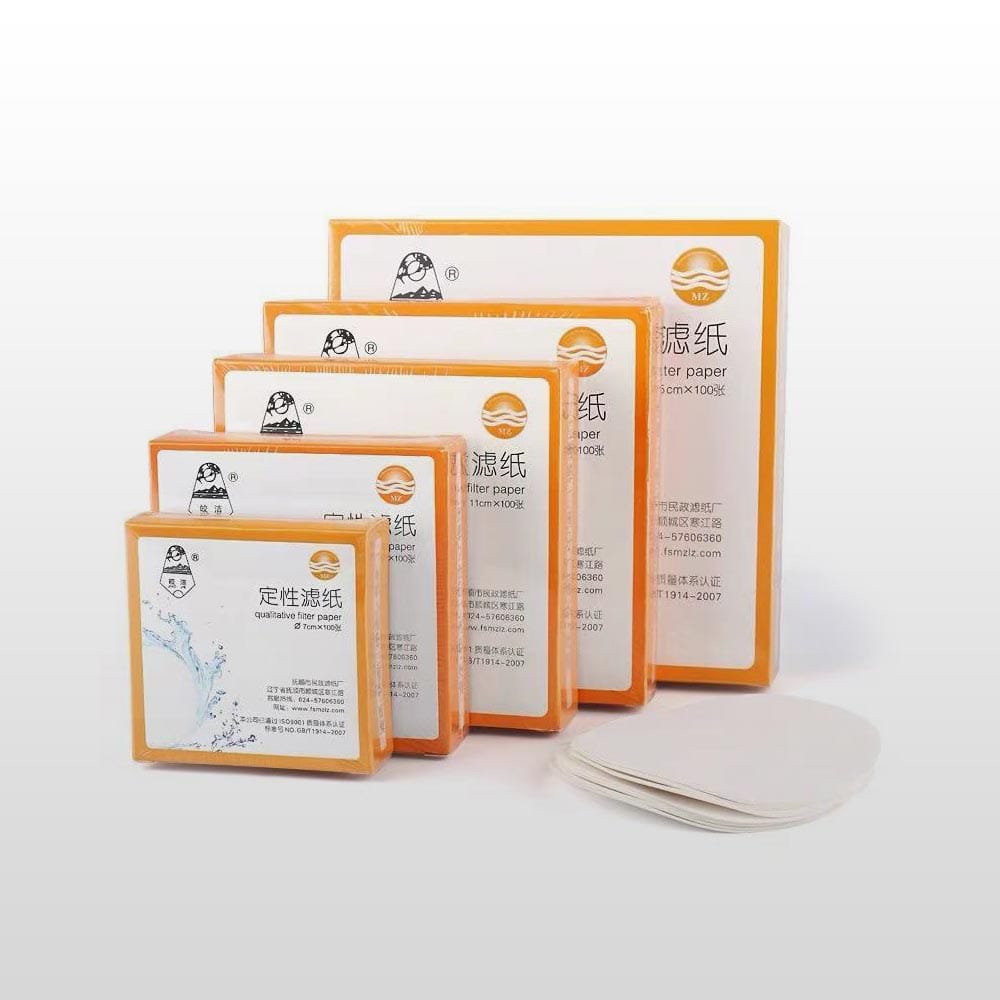
Q4: How many sheets are typically included in a standard pack?
A4: Packs vary by manufacturer and grade; custom quantities can often be requested.
Q5: Are custom sizes available for specific laboratory applications?
A5: Yes, manufacturers can produce sheets in tailored dimensions to meet unique experimental requirements.