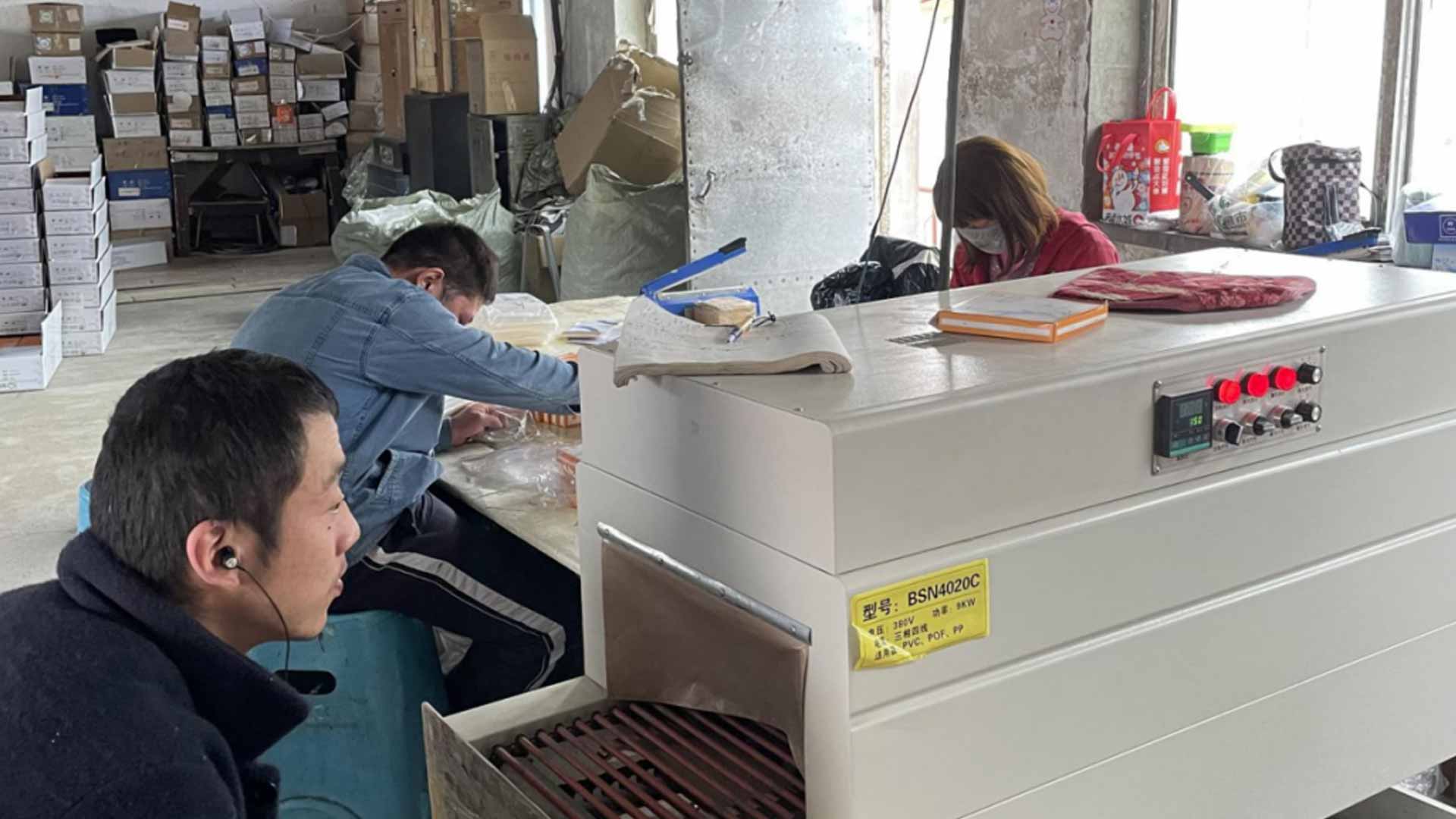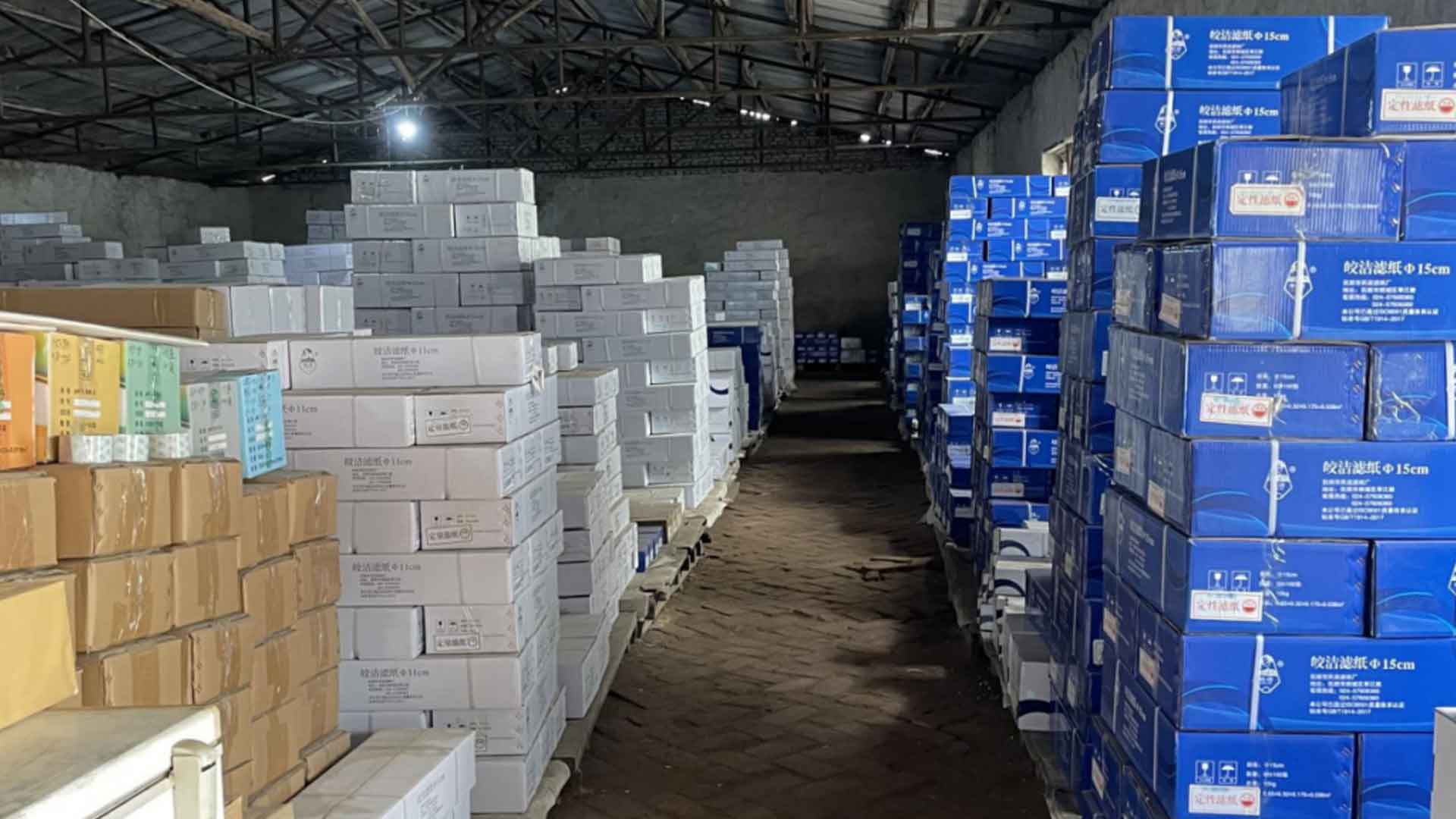

Transformer oil plays two critical roles inside electrical equipment: it helps insulate energized components and supports heat dissipation. When the oil becomes contaminated with particles, moisture, sludge, or oxidation byproducts, the performance of the transformer can become less stable over time.
That is why transformer oil filter paper is not just a disposable filtration material. For power maintenance teams, transformer service companies, oil purification equipment users, and industrial plants, it is part of a preventive maintenance system.
The right transformer oil filter paper helps remove suspended impurities, support cleaner insulating oil, protect purification equipment, and reduce avoidable maintenance risks. The wrong paper, however, may clog too quickly, tear during operation, release fibers, allow particle bypass, or slow down the entire oil purification process.
This guide explains how transformer oil filter paper works, which performance factors matter most, how to match paper to different oil conditions, and what buyers should confirm before ordering in bulk.
For related products, you can view our large industrial filter paper or explore the full filter paper product range.
Table of Contents
Why Transformer Oil Filtration Is Different from General Oil Filtration
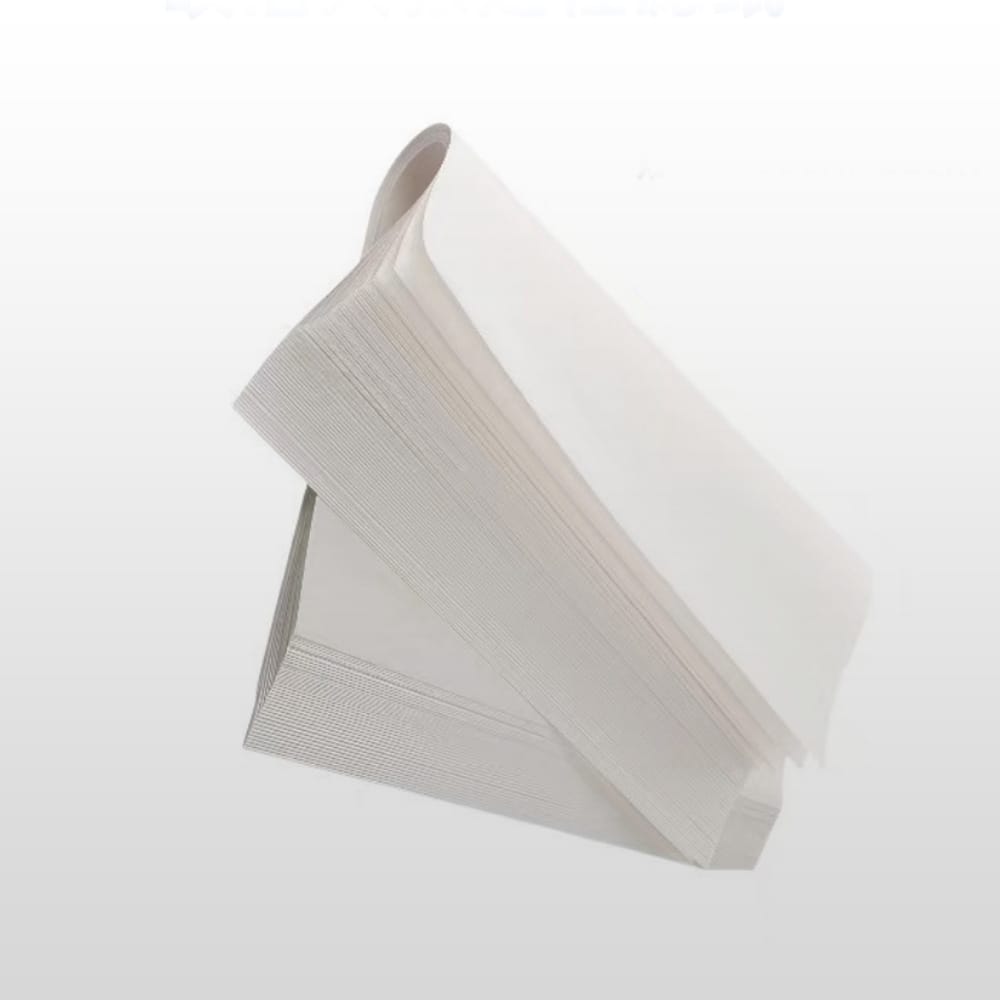
Transformer oil is different from ordinary lubricating oil or machining oil because it is closely related to electrical insulation. In transformers, oil quality can affect dielectric performance, heat transfer, moisture behavior, and long-term equipment reliability.
General oil filtration often focuses mainly on visible dirt, metal particles, or sludge. Transformer oil filtration is more sensitive because even small contamination can influence oil clarity and insulating behavior. Maintenance teams often evaluate oil condition together with tests related to moisture, acidity, breakdown voltage, and contamination.
The basic concept of transformer oil is simple: it is an insulating oil used in transformers and other electrical equipment. In real maintenance work, however, keeping that oil clean requires a controlled process. Filter paper is one of the key consumables used during oil purification, especially when the system needs reliable particle retention and stable flow.
What Transformer Oil Filter Paper Does During Purification
Transformer oil filter paper works as a porous filtration medium. When oil flows through the paper structure, suspended solids are retained while cleaner oil continues through the equipment.
A suitable transformer oil filter paper can help with:
- Removing dust, carbon particles, rust, fibers, and aging residue
- Improving visual oil clarity
- Reducing suspended contamination before deeper purification
- Supporting stable operation of oil filter presses and purification systems
- Protecting downstream filtration elements
- Helping maintenance teams manage oil cleanliness more consistently
It is important to understand that filter paper does not “repair” aged oil by itself. It cannot replace full oil testing, dehydration, degassing, or chemical treatment when those processes are required. Instead, it supports the solid-liquid separation stage of transformer oil maintenance.
For a broader view of industrial oil filtration, you can also read our industrial filter paper for oil filtration guide.
Common Contaminants Found in Transformer Oil
Transformer oil contamination usually comes from equipment aging, environmental exposure, maintenance operations, or internal material degradation.
Common contaminants include:
| Contaminant Type | Possible Source | Why It Matters |
|---|---|---|
| Fine dust | Tank opening, poor sealing, maintenance exposure | May reduce oil cleanliness and circulate through the system |
| Carbon particles | Electrical stress, aging, overheating | Can darken oil and affect oil condition |
| Rust particles | Internal metal surfaces, tank corrosion | May indicate moisture or corrosion risk |
| Cellulose fibers | Insulation paper aging or handling | Can remain suspended and affect clarity |
| Sludge | Oil oxidation and aging | Can clog equipment and reduce heat transfer |
| Moisture droplets | Condensation, leaks, humid air exposure | Can reduce insulating performance |
| Paint flakes or gasket debris | Repair work or aging components | May cause visible contamination and filter loading |
Transformer oil filter paper is mainly used for physical particle removal. When moisture or dissolved gases are major concerns, filtration is often combined with vacuum dehydration, heating, degassing, or other purification methods.
Key Performance Factors in Transformer Oil Filter Paper

Choosing transformer oil filter paper by size alone is risky. Two papers may look similar but perform very differently under oil flow, temperature, and contamination load.
Particle Retention
Particle retention determines how effectively the paper captures suspended solids. For transformer oil filtration, retention must be fine enough to improve oil cleanliness but not so restrictive that the paper clogs too quickly.
A paper with poor retention may allow fine particles to pass through. A paper that is too dense may reduce filtration speed and increase replacement frequency.
Flow Rate
Flow rate affects how efficiently maintenance teams can process transformer oil. If the paper slows the system too much, oil purification takes longer and equipment productivity drops.
The correct choice is a balance between retention and flow. Fast flow is useful only when the paper still captures the target contamination.
Wet Strength
Transformer oil filtration often involves continuous operation. The filter paper must remain stable after contact with oil and should not tear, collapse, or lose structure.
Wet strength is especially important when the paper is used in filter press equipment or under pressure-assisted filtration conditions.
Dirt-Holding Capacity
Dirt-holding capacity describes how much contamination the paper can retain before the flow becomes too slow. Transformer oil with heavy sludge or visible residue may need paper with stronger loading capacity or a staged filtration process.
Cleanliness and Fiber Stability
A filter paper used for transformer oil should not introduce new contamination. Loose fibers, unstable paper structure, or inconsistent manufacturing can create new problems downstream.
Size Accuracy
Poorly fitted filter paper can cause bypass. If oil flows around the paper instead of through it, filtration performance becomes unreliable. Accurate sheet size, proper folding, and correct installation are important.
Transformer Oil Filter Paper Selection Matrix
The best filter paper depends on oil condition, equipment type, and filtration goal.
| Oil Condition | Filtration Challenge | Recommended Priority |
| Slightly cloudy oil | Fine suspended particles | Balanced retention and flow |
| Dark oil with visible residue | Sludge and aging deposits | Higher dirt-holding capacity |
| Oil after transformer repair | Mixed debris, fibers, gasket particles | Strong structure and reliable retention |
| Oil in routine maintenance | Stable cleanliness control | Consistent paper quality and repeat supply |
| Oil with heavy moisture issue | Water-related instability | Filter paper plus dehydration process |
| Oil with slow purification speed | Excessive pressure or clogging | Re-check paper density and pre-filtration |
| Oil with particles after filtration | Paper too open or bypass issue | Better retention and correct installation |
| Bulk maintenance projects | Large oil volume | Stable supply, custom size, batch consistency |
This table is a starting point. For critical transformer maintenance, sample testing under actual operating conditions is strongly recommended.
Filter Paper and Dielectric Performance: What Buyers Should Understand
Transformer oil maintenance is closely connected with electrical insulation. The term dielectric strength refers to the ability of an insulating material to withstand electric stress before breakdown.
In transformer oil maintenance, solid particles, moisture, and aging products can influence test results and oil reliability. Filter paper supports the removal of physical impurities, but it should be used as part of a broader maintenance system that may include oil testing, dehydration, degassing, and condition monitoring.
International guidance such as IEC 60422 covers supervision and maintenance guidance for mineral insulating oils in electrical equipment. For dielectric breakdown testing of insulating liquids, laboratories may also refer to methods such as ASTM D1816.
Filter paper selection should therefore be treated as a supporting factor in oil maintenance, not as a standalone guarantee of transformer oil performance.
Why Transformer Oil Filter Paper Clogs Too Quickly
Fast clogging is one of the most common complaints in transformer oil filtration. It does not always mean the paper quality is poor. Sometimes the paper is simply mismatched to the oil condition.
Possible causes include:
- Oil contains heavy sludge or oxidation residue
- The selected paper is too dense for the contamination load
- The system lacks coarse pre-filtration
- Oil temperature is too low and viscosity is too high
- The paper size does not fit the equipment correctly
- The oil has moisture-related instability
- The filtration pressure is not suitable for the paper structure
- The paper grade is inconsistent between batches
When clogging happens, many buyers immediately ask for a “stronger” or “thicker” paper. But thickness alone is not the solution. The better approach is to understand the contamination type, oil viscosity, filtration equipment, and required flow rate.
In some cases, staged filtration works better: first remove larger sludge and debris, then use a finer paper for improved clarity.
Transformer Oil Filter Paper vs Other Filtration Media

Transformer oil purification systems may use different filtration materials, including paper, cartridges, filter cloth, adsorbents, and vacuum systems. Each has a different role.
| Filtration Medium | Main Function | Suitable Use |
| Transformer oil filter paper | Particle retention and oil clarification | Filter press and routine oil filtration |
| Filter cloth | Coarser separation and reusable filtration | Heavy-duty pre-filtration |
| Cartridge filter | Compact fine filtration | Equipment-specific polishing stage |
| Adsorbent media | Chemical impurity or color improvement support | Special oil treatment processes |
| Vacuum dehydration system | Moisture and gas removal | Transformer oil purification projects |
Transformer oil filter paper is often selected because it is practical, replaceable, and easy to integrate into oil filter press systems. For many maintenance teams, it provides a controlled and repeatable way to remove solid impurities during oil purification.
How to Match Filter Paper to Oil Filter Press Equipment
Many buyers use transformer oil filter paper in plate-and-frame filter presses or similar oil purification equipment. In these systems, the paper must match the machine structure.
Important points include:
- Sheet dimensions
- Thickness and compressibility
- Paper strength under pressure
- Edge sealing performance
- Resistance to tearing during installation
- Flow behavior under equipment pressure
- Compatibility with the oil temperature
- Packaging format for easy replacement
If the paper is too small, oil may bypass the filtration area. If it is too large, folding and sealing can become difficult. If it is too weak, it may break during operation. If it is too dense, the flow rate may drop too quickly.
A correct inquiry should include the filter press model, plate size, current paper size, oil type, and the problem you want to solve.
For application matching, you can visit our filter paper application guide.
Practical Maintenance Scenario: When Oil Looks Clean but Still Filters Poorly
A maintenance team may look at transformer oil and assume it is not heavily contaminated because it appears only slightly dark. However, when filtration begins, the filter paper clogs rapidly and flow drops much earlier than expected.
This can happen when the oil contains fine aging products or dispersed sludge that is not easy to see visually. These small particles can load the paper structure quickly. The problem may become worse when oil temperature is low, because higher viscosity makes filtration slower.
In this situation, choosing a paper only based on previous sheet size may not solve the issue. The team should evaluate:
- Whether coarse pre-filtration is needed
- Whether oil temperature is suitable for filtration
- Whether the paper grade is too dense
- Whether the oil contains moisture or oxidation residue
- Whether the filtration process should be divided into stages
- Whether the current replacement interval is realistic
Good transformer oil filter paper supports the process, but the process must also match the condition of the oil.
What to Ask Before Buying Transformer Oil Filter Paper
A strong purchasing inquiry helps the manufacturer recommend the right paper faster. Instead of sending only “need transformer oil filter paper,” provide practical details.
Useful information includes:
- Transformer oil type or insulating oil type
- Current oil condition
- Main contamination problem
- Filtration equipment type
- Paper size or roll width
- Required sheet quantity or packaging preference
- Current filtration problem
- Expected flow behavior
- Whether the oil is filtered by pressure, gravity, or vacuum system
- Operating temperature range
- Whether samples are needed for testing
A better inquiry would be:
“We need transformer oil filter paper for an oil filter press. The oil contains fine particles and aging residue. Current sheet size is 300 mm × 300 mm, and the existing paper clogs too quickly during continuous filtration. Please recommend a suitable industrial filter paper with stable wet strength and balanced flow.”
This kind of inquiry gives the supplier enough context to recommend a more suitable paper grade.
For technical selection support, send your requirements through our contact page.
Why Batch Consistency Matters in Transformer Oil Maintenance
For one-time testing, a single good sample may seem enough. For transformer oil maintenance teams, consistency across repeat orders matters much more.
If the paper changes from batch to batch, the filtration process may also change. Operators may notice different flow speeds, different clogging behavior, or different oil clarity after filtration. This creates uncertainty in maintenance planning.
Reliable transformer oil filter paper should offer:
- Uniform fiber structure
- Stable thickness
- Consistent filtration speed
- Reliable wet strength
- Low fiber shedding
- Accurate dimensions
- Clean packaging
- Repeatable performance across batches
For bulk users, batch stability can reduce troubleshooting and help standardize oil purification work across multiple projects.
Custom Transformer Oil Filter Paper for Industrial Users
Standard filter paper sizes may not fit every oil filter press or maintenance system. Custom transformer oil filter paper may be useful when equipment requires special dimensions, thickness, basis weight, or packaging.
Custom supply is especially valuable for:
- Transformer maintenance service companies
- Power plants
- Substation maintenance teams
- Oil purification equipment users
- Industrial plants with multiple transformers
- Distributors serving electrical maintenance markets
- Bulk buyers needing stable repeat supply
Customization should not be based only on size. A better custom specification also considers oil condition, filtration pressure, required flow rate, contamination level, and replacement frequency.
Fushun Civil Affairs Filter Paper Factory supplies industrial filter paper for oil filtration, transformer oil purification, lubricant filtration, petrochemical filtration, and other liquid filtration applications. You can view our industrial filter paper product page for more details.
Storage and Handling Tips for Better Filtration Results

Even high-quality transformer oil filter paper can perform poorly if it is stored or handled incorrectly.
Keep filter paper in a clean and dry environment. Avoid dust exposure, moisture, oil stains, and direct contamination before use. Do not crush or fold sheets before installation. Use clean hands or tools when handling the paper. Keep packaging closed when the paper is not in use.
During installation, make sure the paper is aligned correctly with the filter plates. Check that there are no wrinkles, gaps, or damaged edges. Replace paper when pressure rises, flow drops, or the paper reaches its contamination loading limit.
Good handling helps the paper perform as intended and reduces preventable filtration issues.
Conclusion
Transformer oil filter paper plays an important role in insulating oil purification. It helps remove suspended particles, improve oil clarity, support filtration equipment, and reduce contamination-related maintenance problems.
The right paper should be selected based on oil condition, particle load, flow rate, wet strength, dirt-holding capacity, equipment size, and batch consistency. A paper that works well for light routine filtration may not be suitable for heavily aged oil. A paper with very fine retention may not be practical if it clogs too quickly. The best choice is the grade that matches the real transformer oil maintenance process.
For buyers, the most important step is to provide clear application details and test samples before bulk ordering. With the correct transformer oil filter paper, maintenance teams can make oil purification more stable, more predictable, and easier to manage.
For product selection, visit our large industrial filter paper page or contact us with your transformer oil filtration requirements.
FAQ
What is transformer oil filter paper used for?
Transformer oil filter paper is used to remove suspended particles, sludge, dust, fibers, and other solid impurities from transformer oil during oil purification and maintenance.
Can filter paper remove moisture from transformer oil?
Filter paper can support physical filtration, but serious moisture problems usually require dehydration or vacuum oil purification. Filter paper should be used as part of a complete maintenance process.
Why does transformer oil filter paper clog quickly?
Fast clogging may be caused by heavy sludge, fine aging residue, high oil viscosity, unsuitable paper density, poor pre-filtration, or a mismatch between the paper and the oil condition.
Is thicker transformer oil filter paper always better?
No. Thickness alone does not determine filtration performance. Retention, flow rate, wet strength, fiber structure, dirt-holding capacity, and equipment fit are more important.
How do I choose the right transformer oil filter paper size?
Choose a size that matches your oil filter press or filtration equipment. Incorrect sizing can cause bypass, wrinkles, poor sealing, and unstable filtration results.
Can transformer oil filter paper be customized?
Yes. Custom size, thickness, basis weight, and packaging can be discussed based on your oil filtration equipment and maintenance requirements.
Where can I get help choosing transformer oil filter paper?
You can send your oil type, equipment size, contamination problem, and required paper specification through the contact page for selection support.