Table of Contents
Introduction
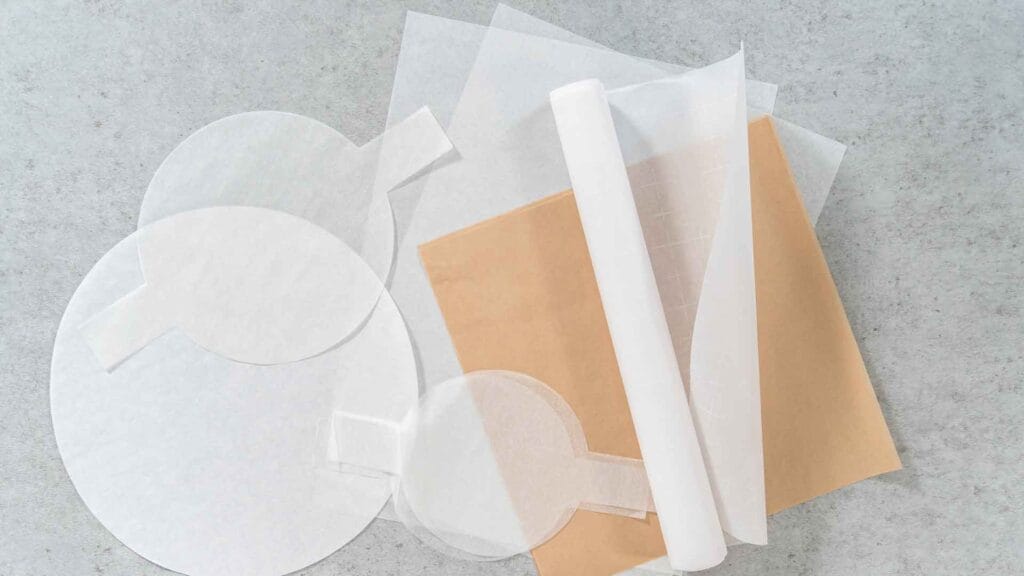
Filter paper may look like a simple consumable, but its role in filtration is far more important than many users realize. In laboratories, testing facilities, quality control departments, and industrial production environments, the right filter paper can directly affect filtration speed, sample clarity, particle retention, and testing accuracy.
The main filter paper purpose is to separate unwanted solid particles from liquids or gases while allowing the required filtrate to pass through. However, not every filter paper is designed for the same task. Some filter papers are made for fast filtration, some are designed for fine particle retention, and others are used where low ash content, high wet strength, or stable analytical performance is required.
For buyers, engineers, laboratory users, and procurement teams, understanding the real purpose of filter paper is the first step toward choosing the right product. A filter paper that works well for routine laboratory clarification may not be suitable for quantitative analysis. A fast-flow filter paper may save time, but it may not retain fine precipitates effectively. A standard-size filter paper may be enough for a common funnel, but a customized size may be better for automated equipment or batch filtration.
As a filter paper manufacturer, we often see one common problem: buyers know they need filter paper, but they are not always sure which grade, size, thickness, or filtration performance matches their actual process. This guide explains filter paper purpose from a practical selection perspective, helping you understand how to choose the right type for laboratory filtration, chemical analysis, food testing, water testing, oil filtration, and industrial applications.
What Is Filter Paper?
Filter paper is a porous paper-based filtration material used to separate particles from liquids or gases. It is usually made from cellulose fibers or other fiber materials processed into a controlled porous structure. When a sample passes through the paper, solid particles are retained on the surface or within the fiber network, while the liquid or gas moves through the pores.
In simple terms, filter paper acts as a controlled barrier. It does not block everything. Instead, it allows smaller components to pass while holding back larger or unwanted particles. This is why pore size, particle retention, flow rate, thickness, and strength are important when choosing filter paper.
Filter paper is commonly used in:
Laboratory filtration
Chemical analysis
Sample preparation
Food and beverage testing
Water and environmental testing
Pharmaceutical testing
Oil filtration
Industrial quality control
Educational laboratories
Research and development work
Although the basic function is filtration, the actual application can vary widely. A laboratory may use filter paper to clarify a solution before analysis. A production facility may use it to remove suspended impurities from a liquid. A testing department may need low ash filter paper for accurate gravimetric results. Because the purpose changes, the product requirements also change.
The Main Filter Paper Purpose
The main filter paper purpose is to separate solid particles from a liquid or gas sample in a controlled and reliable way. This basic function supports many important processes, including clarification, separation, purification, sample preparation, and analytical testing.
In practical use, filter paper serves several key purposes:
It removes visible or suspended particles from a liquid.
It helps clarify cloudy samples before testing.
It separates precipitates from solutions.
It protects downstream instruments from particle contamination.
It supports accurate laboratory and industrial analysis.
It improves consistency in quality control procedures.
It prepares samples for further chemical, physical, or microbiological testing.
For example, in a chemistry laboratory, filter paper may be used to separate a precipitate from a reaction mixture. In a water testing laboratory, it may help remove suspended solids before analysis. In food testing, it can help prepare samples by removing insoluble matter. In industrial filtration, it may support routine quality checks or pre-filtration before further processing.
However, the purpose of filter paper is not simply “to filter.” A better way to understand it is this: filter paper helps users control what stays in the sample and what is removed from it. This makes it a critical material for repeatable filtration performance.
Why Filter Paper Purpose Matters Before Selection
Many filtration problems happen because the selected filter paper does not match the actual purpose. If the filter paper pores are too large, fine particles may pass through and affect sample clarity. If the pores are too small, filtration may become too slow or clog quickly. If the paper has poor wet strength, it may tear during use. If ash content is too high, it may interfere with sensitive analysis.
This is why filter paper selection should start with purpose, not just size.
Before choosing a product, users should ask:
What sample needs to be filtered?
Are the particles coarse, medium, or fine?
Is speed more important, or is retention more important?
Is the filtrate used for routine observation or precise analysis?
Does the application require low ash content?
Will the paper be used under gravity filtration, vacuum filtration, or pressure-assisted filtration?
Does the sample contain chemicals that may affect the paper?
Is a standard circular filter paper enough, or is a custom size required?
A buyer who understands the purpose can choose more accurately. A manufacturer who understands the buyer’s purpose can recommend a better grade, structure, and format.
Common Filter Paper Uses in Laboratories
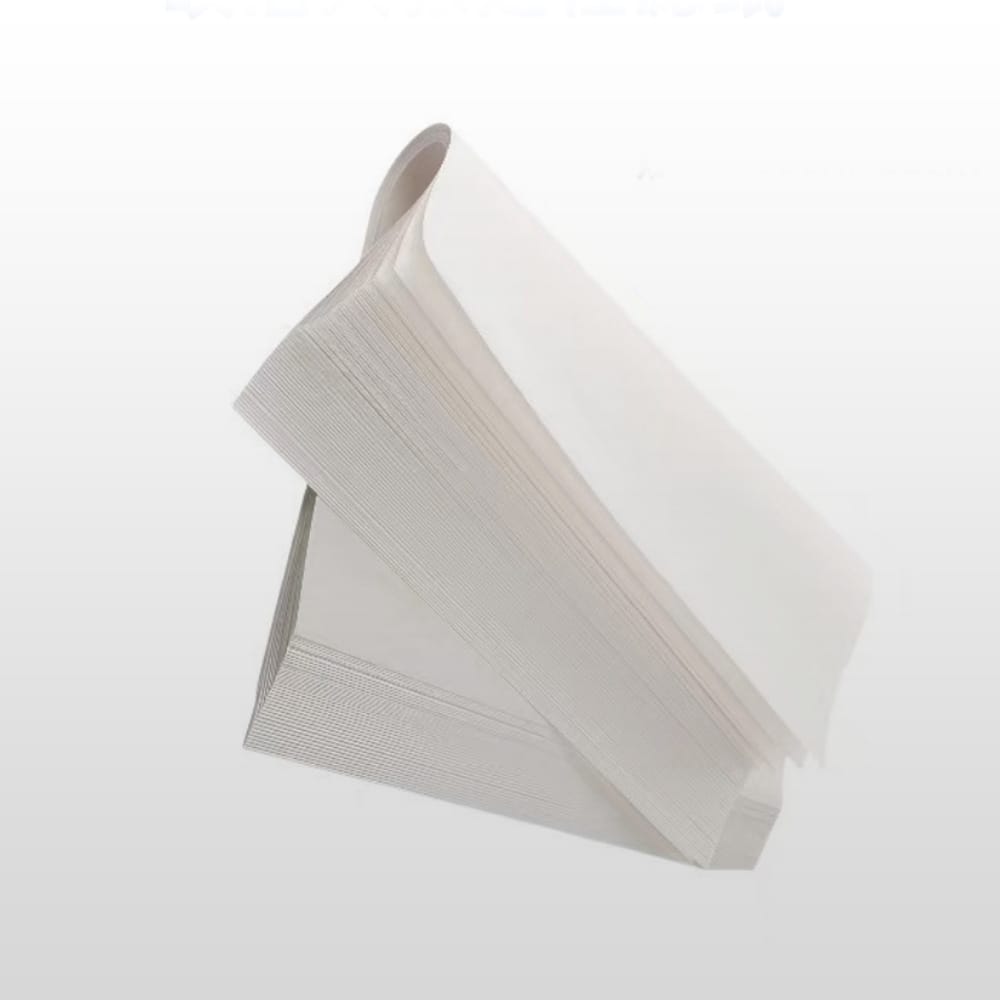
Laboratories are one of the most common environments where filter paper is used. In lab settings, the purpose is usually related to sample clarification, solid-liquid separation, precipitate collection, or preparation before testing.
Routine Laboratory Filtration
For routine laboratory filtration, filter paper is often used to remove visible particles from a liquid sample. This type of filtration does not always require extremely fine retention. Instead, users usually need stable performance, acceptable flow speed, and clean filtrate.
Common routine uses include:
Clarifying solutions
Removing insoluble impurities
Preparing samples before analysis
Separating coarse precipitates
Filtering general laboratory mixtures
Supporting teaching and demonstration experiments
For routine applications, users often choose qualitative filter paper with a balanced flow rate and particle retention. The goal is not necessarily to achieve the finest filtration, but to obtain a clean and usable filtrate efficiently.
Chemical Analysis
In chemical analysis, filter paper plays a more precise role. It may be used to separate precipitates, remove suspended matter, or prepare a sample before titration, weighing, or instrumental testing.
For chemical analysis, the choice of filter paper becomes more important because the wrong paper can affect accuracy. If the filter paper does not retain the target precipitate, results may be unreliable. If the paper contributes too much residue after ignition, it may interfere with gravimetric analysis. If the flow rate is too slow, the process may become inefficient.
In this application, users usually pay attention to:
Particle retention
Ash content
Chemical purity
Flow speed
Wet strength
Compatibility with the sample
Environmental and Water Testing
Filter paper is also widely used in water testing, soil analysis, air pollution monitoring, and environmental sample preparation. In these applications, the purpose is often to separate suspended solids, clarify samples, or collect particulate matter for further testing.
For water and environmental testing, consistency is important. The same sample type should be filtered under comparable conditions so that test results remain repeatable. Therefore, filter paper grade, diameter, and filtration performance should not be selected randomly.
Quality Control Laboratories
In manufacturing environments, quality control laboratories use filter paper to check raw materials, intermediate products, and finished products. The purpose may include sample preparation, impurity inspection, clarity testing, or filtration before additional analysis.
For these users, filter paper is not only a laboratory supply. It is part of a quality control process. Stable supply, consistent specifications, and batch-to-batch reliability become important purchasing factors.
Industrial Filter Paper Applications
Industrial filter paper applications are more diverse than routine laboratory use. In industrial environments, filter paper may be used for testing, process control, sample preparation, and certain filtration tasks where paper-based media are suitable.
Common industrial applications include:
Oil and lubricant filtration checks
Food and beverage sample preparation
Chemical solution clarification
Pharmaceutical quality testing
Raw material inspection
Production batch testing
Industrial wastewater analysis
Coating and pigment testing
Process liquid sample filtration
In these applications, the filter paper must match the working conditions. Some samples contain fine particles. Some samples are viscous. Some require fast flow. Some require strong wet performance. Some require high purity and low residue.
For example, filter paper used for oil filtration may need good absorption and strength. Filter paper used for food testing may need clean material quality and stable filtration behavior. Filter paper used for pharmaceutical testing may require stricter consistency and purity. Filter paper used in chemical processing may need better resistance to tearing during wet handling.
This is where manufacturer support becomes valuable. Instead of choosing only from a generic product list, buyers can share their application details and receive a more suitable recommendation.
Main Types of Filter Paper and Their Purposes
Different types of filter paper are designed for different filtration needs. Understanding these types helps users choose a product that matches the actual filter paper purpose.
Qualitative Filter Paper
Qualitative filter paper is mainly used for routine filtration and qualitative analysis. It is suitable when the purpose is to identify, clarify, or separate materials without requiring extremely low ash content for precise weighing.
Common purposes of qualitative filter paper include:
General laboratory filtration
Sample clarification
Routine chemical experiments
Educational lab work
Separating common precipitates
Removing suspended particles from liquids
Qualitative filter paper is often selected based on flow rate and particle retention. Fast-flow grades are better for coarse particles and quick clarification. Finer-retention grades are better when smaller particles must be retained, but they usually filter more slowly.
Quantitative Filter Paper
Quantitative filter paper is used when analysis requires more accurate results, especially in gravimetric analysis or applications where residue must be minimized. This type of filter paper is usually designed with lower ash content and more controlled performance.
Common purposes of quantitative filter paper include:
Gravimetric analysis
Precise chemical testing
Collection of fine precipitates
Low-residue filtration
Analytical laboratory work
Environmental testing
The key advantage of quantitative filter paper is that it helps reduce interference from paper residue. When a sample or precipitate is dried, ignited, or weighed, low ash content becomes important.
Ashless Filter Paper
Ashless filter paper is designed for applications where very low ash residue is required. Its purpose is closely related to high-accuracy analytical testing, especially when the filter paper may be burned during the procedure.
Common purposes of ashless filter paper include:
Gravimetric analysis
Quantitative chemical analysis
Environmental sample testing
High-purity laboratory filtration
Fine precipitate collection
Ashless filter paper is not always necessary for routine filtration. However, when test accuracy depends on minimizing residue, it becomes the better choice.
Hardened Filter Paper
Hardened filter paper is treated to improve wet strength and surface durability. It is useful when the filtration process involves more demanding handling conditions or when the paper needs to resist tearing while wet.
Common purposes of hardened filter paper include:
Vacuum filtration
Filtration of more challenging samples
Handling precipitates that require washing
Applications requiring stronger wet performance
Filtration where paper damage must be reduced
If a filter paper breaks during use, the entire filtration process may fail. Hardened filter paper helps reduce this risk in suitable applications.
Filter Paper Grades and Why They Matter
Filter paper grade is one of the most important selection factors. A grade usually reflects a combination of filtration properties, including pore structure, particle retention, flow rate, thickness, basis weight, and ash content.
The grade determines how the paper performs in real filtration. Two papers may look similar, but their filtration behavior can be completely different. One may filter quickly but allow fine particles to pass. Another may retain fine particles well but require more time.
A good selection should balance:
Retention accuracy
Filtration speed
Sample clarity
Wet strength
Chemical compatibility
Ash content
Paper size and format
Application requirements
Here is a practical comparison table for common selection logic:
| Selection Factor | What It Means | Why It Matters | Common Buyer Concern |
|---|---|---|---|
| Pore Size | Approximate opening size in the paper structure | Affects what particle size can be retained | “Will fine particles pass through?” |
| Particle Retention | Ability to hold particles during filtration | Determines filtrate clarity and separation accuracy | “Can it retain the target precipitate?” |
| Flow Rate | Speed at which liquid passes through | Affects work efficiency and filtration time | “Will filtration be too slow?” |
| Thickness | Physical thickness of the filter paper | Affects holding capacity and strength | “Can it handle my sample volume?” |
| Wet Strength | Strength when saturated with liquid | Reduces tearing during filtration | “Will the paper break during use?” |
| Ash Content | Residue left after ignition | Important for quantitative analysis | “Will residue affect test results?” |
| Diameter or Size | Physical fit with equipment | Ensures proper sealing and operation | “Will it fit my funnel or device?” |
| Material Purity | Cleanliness of the paper material | Supports reliable analysis | “Will it contaminate my sample?” |
A filter paper grade should never be chosen only by appearance. It should be matched to sample type, particle size, filtration method, and expected result.
Pore Size, Flow Rate and Particle Retention

Among all filter paper specifications, pore size, flow rate, and particle retention are the three most important factors for most users.
Pore Size
Pore size helps determine which particles are likely to be retained and which can pass through. Larger pores usually allow faster filtration but provide lower fine-particle retention. Smaller pores usually improve retention but reduce flow speed.
For coarse particles, a larger-pore paper may be enough. For fine precipitates or cloudy suspensions, a finer-retention paper is usually more suitable.
However, pore size should not be considered alone. Real filtration performance also depends on fiber structure, paper thickness, sample characteristics, and how the filtration is performed.
Flow Rate
Flow rate refers to how quickly liquid passes through the filter paper. A high flow rate improves efficiency when users need fast clarification. A slower flow rate is often acceptable when fine particle retention is more important.
The key is balance. Faster is not always better. If filtration is too fast, the paper may not retain the required particles. If filtration is too slow, productivity decreases and clogging may occur.
For buyers, this means the best filter paper is not always the fastest one. It is the one that gives the right filtrate quality within an acceptable filtration time.
Particle Retention
Particle retention describes the filter paper’s ability to hold particles of a certain size. This is especially important in chemical analysis, environmental testing, and quality control.
If retention is too low, particles may pass into the filtrate. This can affect test results, sample appearance, or downstream processes. If retention is higher than needed, filtration may become slower than necessary.
A practical rule is to choose the retention level based on the smallest particle that must be removed, not simply on the general sample appearance.
How to Choose the Right Filter Paper for Your Application
Choosing the right filter paper starts with understanding the application. Instead of asking only “What size do I need?”, users should first define the purpose and performance requirements.
Step 1: Identify the Sample Type
Different samples behave differently during filtration. Water-based samples, oil-based samples, chemical solutions, food extracts, and industrial liquids may require different paper properties.
Ask:
Is the sample liquid, gas, or suspension?
Is it water-based or oil-based?
Does it contain coarse or fine particles?
Is it chemically aggressive?
Is it viscous or easy-flowing?
The sample type affects material compatibility, wet strength, flow rate, and retention requirements.
Step 2: Define the Particle Size
The next step is to estimate or understand the particle size that needs to be removed. If particles are large, fast-flow paper may work well. If particles are very fine, a finer-retention paper is needed.
Ask:
Are the particles visible?
Is the sample cloudy after filtration?
Is the target material a precipitate?
Does the filtrate need to be clear?
Will particles affect downstream testing?
This step helps avoid choosing a paper that is too coarse or unnecessarily fine.
Step 3: Balance Speed and Retention
Many users want fast filtration and excellent retention at the same time. In practice, there is often a trade-off. Fine-retention papers usually filter more slowly, while fast-flow papers may retain fewer small particles.
The best choice depends on your priority:
For fast clarification, choose a faster-flow paper.
For fine precipitates, choose higher retention.
For routine testing, choose a balanced grade.
For precise analysis, consider low ash or quantitative paper.
Step 4: Consider Ash Content
Ash content matters when the filter paper is used in quantitative analysis or gravimetric testing. If the paper will be burned or weighed as part of the test, low ash or ashless filter paper is usually preferred.
For routine clarification, ash content may be less important. For analytical work, it can be critical.
Step 5: Check Wet Strength
Wet strength is important when the paper must withstand handling after becoming saturated. If the paper tears, particles may escape and the sample may need to be repeated.
Wet strength is especially important for:
Vacuum filtration
Precipitate washing
Large sample volumes
Heavy particle loading
Industrial sample preparation
Longer filtration processes
Step 6: Select the Right Size and Format
Filter paper must fit the equipment properly. Common formats include circular filter paper, filter paper sheets, filter paper rolls, and custom-cut filter paper.
The correct size helps prevent leakage around the edges and supports stable filtration. If the filter paper is too small, sample may bypass the paper. If it is too large, folding or sealing may become difficult.
Step 7: Discuss Custom Requirements with the Manufacturer
If standard products do not match the application, custom filter paper can be a better option. Manufacturers can support different diameters, sheet sizes, packaging formats, thickness options, and grade recommendations based on the buyer’s process.
This is especially useful for industrial buyers, laboratory suppliers, equipment manufacturers, and companies that need repeated bulk supply.
Standard Filter Paper vs Custom Filter Paper
Standard filter paper is suitable for many common laboratory and testing applications. It is easy to use, available in common diameters, and works well with standard funnels and routine procedures.
However, custom filter paper becomes valuable when standard sizes or grades cannot meet the user’s requirements.
When Standard Filter Paper Is Enough
Standard filter paper is usually suitable when:
The application is routine.
The sample type is not complex.
The equipment uses common sizes.
The filtration volume is small or moderate.
The required retention and flow rate are standard.
There is no special packaging requirement.
For many laboratories, standard qualitative or quantitative filter paper can meet daily testing needs.
When Custom Filter Paper Is a Better Choice
Custom filter paper is more suitable when:
The equipment requires non-standard dimensions.
The buyer needs special diameter or sheet size.
The filtration process requires specific thickness.
The application needs a particular flow-retention balance.
The buyer requires bulk packaging or private label packaging.
The product is used in automated or semi-automated filtration equipment.
The application requires long-term stable supply.
For manufacturers, custom filter paper is not just about cutting paper into a different shape. It is about matching filtration performance, equipment fit, and procurement needs.
Common Mistakes When Selecting Filter Paper
Even experienced buyers can make mistakes when selecting filter paper. These mistakes may lead to poor filtration results, slower testing, material waste, or repeated sample preparation.
Choosing Only by Price or Size
Some users choose filter paper only based on diameter or general appearance. This is risky because two filter papers with the same size may have different retention, flow rate, thickness, and ash content.
Size matters, but performance matters more.
Ignoring Particle Retention
If particle retention is too low, fine particles may pass through the paper and affect the filtrate. This can create cloudy samples, inaccurate test results, or poor separation.
Using Fast-Flow Paper for Fine Particles
Fast-flow filter paper is useful when speed is important, but it may not be suitable for fine precipitates. If the purpose is fine particle retention, a slower but more retentive paper is usually better.
Overlooking Wet Strength
For applications involving vacuum filtration, washing, or heavy precipitate loading, poor wet strength can cause tearing. Once the paper breaks, the filtration result may no longer be reliable.
Using General Filter Paper for Quantitative Analysis
Routine filter paper may not be suitable for quantitative analysis if ash content or purity matters. For gravimetric testing, low ash or ashless filter paper is usually a better option.
Not Considering Equipment Fit
A filter paper that does not fit the funnel, holder, or filtration device properly can cause leakage, uneven filtration, or sample loss. This is why accurate size selection is important.
A Practical Selection Guide by Application
The table below gives a practical way to match filter paper purpose with common applications.
| Application | Main Purpose | Recommended Focus | Possible Product Direction |
|---|---|---|---|
| Routine Lab Filtration | Clarify samples and remove visible particles | Balanced flow and retention | Qualitative filter paper |
| Chemical Analysis | Separate precipitates and prepare samples | Retention, purity, ash content | Qualitative or quantitative filter paper |
| Gravimetric Analysis | Collect and weigh residues accurately | Low ash content and fine retention | Quantitative or ashless filter paper |
| Water Testing | Remove suspended solids before analysis | Consistent retention and clean filtrate | Laboratory filter paper |
| Food Testing | Prepare samples for quality inspection | Clean material, stable flow, suitable size | Food testing filter paper |
| Oil Filtration Checks | Remove insoluble matter from oil samples | Strength, absorption, compatibility | Industrial filter paper |
| Industrial QC | Support repeatable sample testing | Batch consistency and stable supply | Custom or standard filter paper |
| Equipment Use | Fit a specific filtration device | Size accuracy and format control | Custom size filter paper |
This structure can also help buyers communicate more clearly with a filter paper supplier. Instead of only asking for “filter paper,” they can describe the application, sample, particle size, equipment, and required format.
Why Work with a Professional Filter Paper Manufacturer?
For simple one-time use, buyers may only consider availability. But for laboratories, distributors, factories, testing companies, and equipment manufacturers, working with a professional filter paper manufacturer offers several advantages.
More Stable Product Quality
A professional manufacturer can control material selection, paper structure, thickness, cutting accuracy, and packaging consistency. Stable quality is especially important for repeat testing and long-term purchasing.
Better Specification Matching
Manufacturers can recommend suitable grades based on filter paper purpose, sample type, particle size, flow rate requirements, and application environment. This helps reduce trial-and-error selection.
Custom Size and Packaging Options
Many buyers need more than standard circular filter paper. They may require sheets, rolls, custom shapes, special diameters, or packaging for bulk use. Manufacturer support makes these requirements easier to manage.
Bulk Supply Capability
For distributors and industrial users, supply consistency matters. A manufacturer can support planned purchasing, repeat orders, and specification continuity.
OEM and Private Label Support
Some buyers need filter paper under their own packaging or product line. A manufacturer can support OEM filter paper, private label packaging, and customized product presentation according to business needs.
Technical Communication
A good manufacturer does not only sell filter paper. It helps users understand which product is suitable for their filtration process. This is especially valuable when buyers are comparing qualitative filter paper, quantitative filter paper, ashless filter paper, or custom filter paper options.
How Buyers Can Explain Their Requirements Clearly
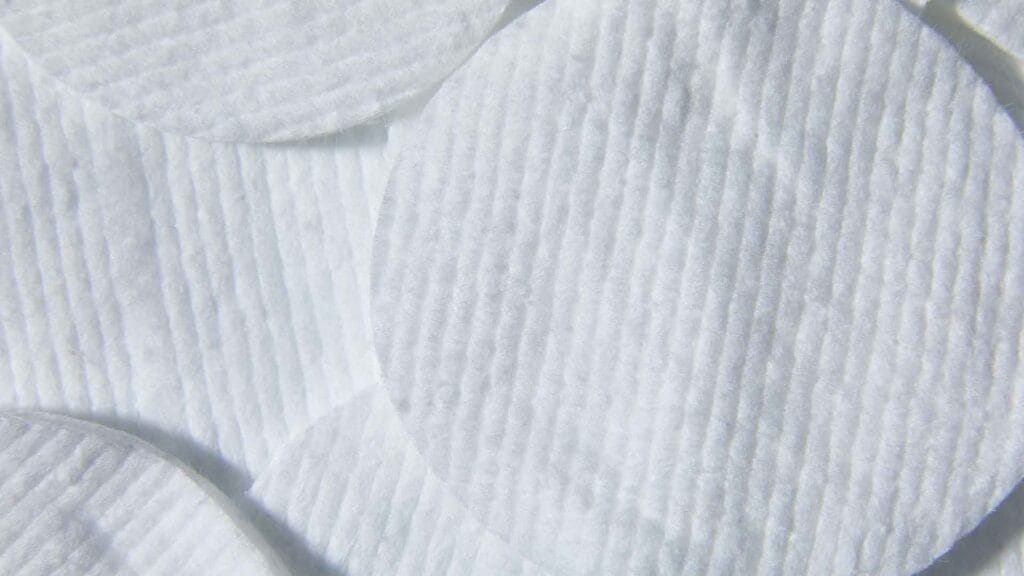
When contacting a filter paper manufacturer or supplier, clear information helps speed up product matching. Instead of sending only a size request, buyers should provide application details.
Useful information includes:
Sample type
Filtration purpose
Approximate particle size
Required filtrate clarity
Filtration method
Required diameter or sheet size
Expected flow speed
Whether low ash content is needed
Whether wet strength is important
Packaging requirements
Estimated order quantity range
Application industry
For example, a clear inquiry might say:
“We need filter paper for laboratory water sample filtration. The sample contains fine suspended particles, and we need good clarity after filtration. The paper will be used with a standard funnel, and we need circular filter paper in a stable supply.”
This type of inquiry allows the manufacturer to recommend a more accurate grade and size.
Conclusion
Filter paper may be a small material in the filtration process, but choosing the right type has a direct impact on filtration quality, sample clarity, testing accuracy, and operating efficiency. The real filter paper purpose is not only to remove particles. It is to help users control the separation process in a consistent and reliable way.
For routine laboratory use, qualitative filter paper may be enough. For more accurate analysis, quantitative or ashless filter paper may be more suitable. For industrial filtration, quality control, equipment matching, or bulk supply, factors such as pore size, flow rate, particle retention, wet strength, ash content, and custom size become even more important.
As a filter paper manufacturer, we provide different grades, sizes, and custom options for laboratory filtration, chemical analysis, food testing, water testing, oil filtration, and industrial applications. If you are not sure which filter paper is suitable for your application, you can share your sample type, filtration method, required size, and performance needs with us. A suitable filter paper choice can make filtration more stable, efficient, and reliable.
FAQ
What is the main purpose of filter paper?
The main filter paper purpose is to separate solid particles from liquids or gases while allowing the desired filtrate to pass through. It is used for clarification, separation, sample preparation, and laboratory or industrial testing.
What is filter paper used for in a laboratory?
In laboratories, filter paper is commonly used for solution clarification, precipitate separation, chemical analysis, sample preparation, water testing, and routine filtration work.
What is the difference between qualitative and quantitative filter paper?
Qualitative filter paper is mainly used for routine filtration and general analysis. Quantitative filter paper is used for more precise analytical work, especially when low ash content and accurate residue control are required.
How do I choose the right filter paper grade?
To choose the right filter paper grade, consider sample type, particle size, pore size, flow rate, particle retention, ash content, wet strength, and filtration method. The best grade depends on the actual purpose of filtration.
Can filter paper be customized?
Yes. Filter paper can be customized by diameter, sheet size, roll format, thickness, grade, packaging, and application requirements. Custom filter paper is useful for industrial equipment, laboratory suppliers, distributors, and buyers with non-standard filtration needs.