Table of Contents
Introduction
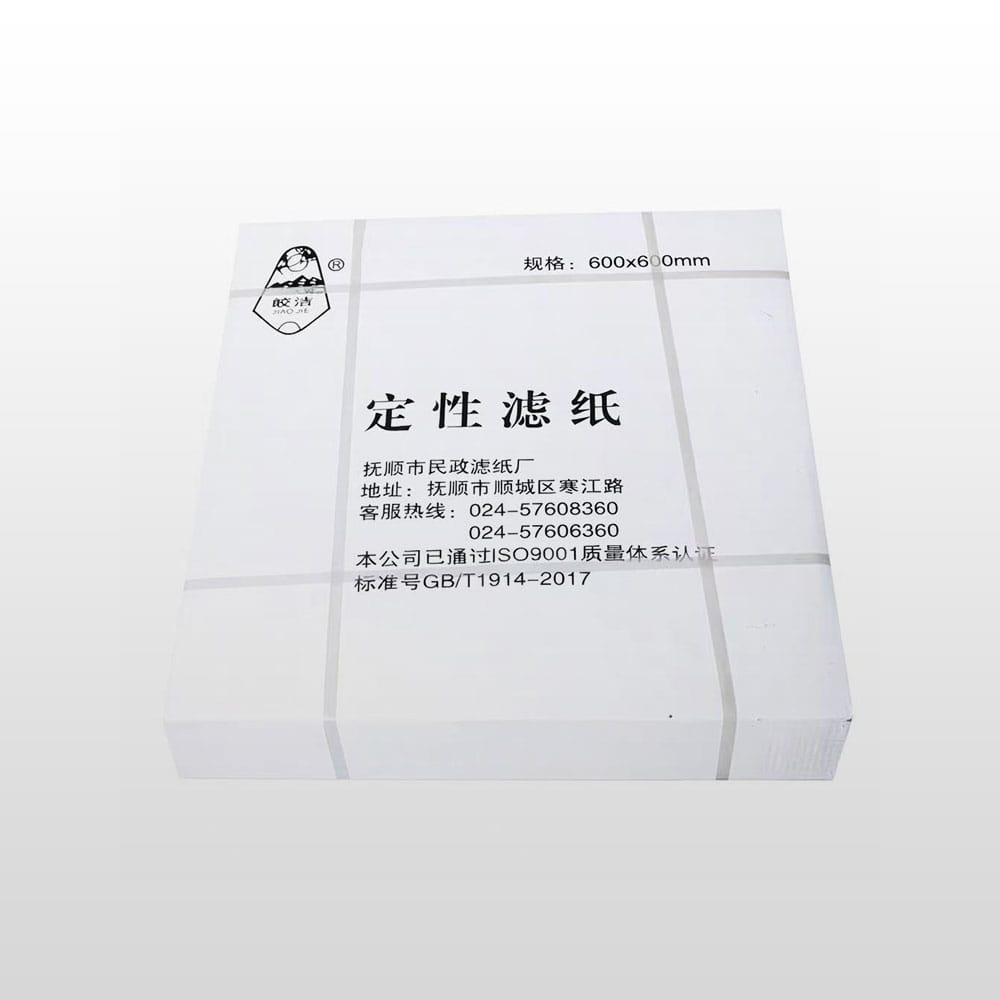
Qualitative filter paper for laboratory use is one of the most common consumables in chemical, educational, environmental, industrial, and quality control laboratories. It looks simple, but it can affect filtration speed, sample clarity, operator efficiency, and repeatability in daily lab work.
In routine filtration, the goal is usually not to weigh the retained solid with high precision. Instead, the lab may need to clarify a liquid, remove suspended particles, separate precipitates, prepare samples for observation, or support a basic chemical test. For these tasks, qualitative analysis filter paper is often the practical choice.
However, choosing the wrong paper can still create problems. A paper that is too slow can delay sample processing. A paper that is too open may allow fine particles to pass through. A weak paper may tear during wet handling. A poorly sized paper may fold incorrectly and cause bypass.
This article explains how qualitative filter paper works, where it is used, how it differs from quantitative filter paper, and what laboratories should evaluate before selecting a paper grade. For product details, you can view our qualitative analysis filter paper or browse our full filter paper product range.
What Is Qualitative Filter Paper?
Qualitative filter paper is a cellulose-based filtration paper used mainly for routine solid-liquid separation and qualitative analysis. It helps retain visible or suspended solid particles while allowing the liquid phase to pass through.
In laboratory filtration, the liquid that passes through the paper is called the filtrate. A basic explanation of this process can be found in this educational overview of filtration.
Qualitative filter paper is commonly used when the purpose is to observe, identify, clarify, separate, or prepare a sample rather than perform precise gravimetric measurement. Because ash content is not controlled as tightly as quantitative filter paper, it is usually not the first choice for tests where the paper and retained solid will be ignited and weighed.
In simple terms, qualitative filter paper is suitable when filtration performance matters, but exact residue mass is not the main result.
Common Uses of Qualitative Filter Paper in Laboratories
Qualitative filter paper for laboratory use appears in many routine workflows. It is widely used because it is easy to handle, available in different diameters, and suitable for many common filtration tasks.
Typical applications include:
| Laboratory Use | Filtration Purpose | Main Paper Requirement |
|---|---|---|
| Chemical education labs | Demonstrating solid-liquid separation | Easy folding and stable filtration |
| Routine sample clarification | Removing visible suspended solids | Balanced flow and particle retention |
| Environmental testing preparation | Separating sediment from water samples | Good wet strength and clean filtrate |
| Industrial quality control | Checking process liquids or raw materials | Repeatable paper performance |
| Precipitate separation | Retaining formed solids | Suitable retention grade |
| Gravity filtration | Natural liquid flow through paper | Proper porosity and funnel fit |
| Hot filtration support | Removing insoluble impurities from warm solutions | Fast flow and stable handling |
| General lab cleaning of samples | Removing dust or debris before observation | Practical speed and clarity |
For more application areas, visit our filter paper application guide.
Qualitative Filter Paper vs Quantitative Filter Paper
One of the most important selection decisions is whether the lab needs qualitative or quantitative filter paper.
Qualitative filter paper is mainly used for general filtration and qualitative testing. Quantitative filter paper is used when low ash content, precise residue control, and gravimetric analysis are required.
| Comparison Point | Qualitative Filter Paper | Quantitative Filter Paper |
| Main purpose | Routine filtration and qualitative analysis | Precise analytical and gravimetric work |
| Ash control | Less strict | Much stricter |
| Common use | Clarification, separation, teaching, sample preparation | Precipitate collection, ignition, weighing |
| Selection priority | Flow rate, retention, wet strength, size | Low ash, retention, repeatability, purity |
| Best fit | Daily lab filtration | Mass-based analytical procedures |
For a deeper comparison, read our guide on how to choose between qualitative and quantitative filter paper. If your method requires low ash and accurate mass measurement, our quantitative analysis filter paper may be more suitable.
How Filtration Speed Affects Lab Workflow
Qualitative filter paper is often selected by filtration speed: fast, medium, or slow. This choice has a direct effect on daily laboratory efficiency.
Fast filter paper is useful when the particles are relatively large and the liquid needs to pass through quickly. It is often selected for coarse precipitates, general clarification, or high-volume routine work.
Medium filter paper offers a balance between retention and speed. It is commonly used in general laboratory filtration where the sample contains moderate particles and the lab needs predictable performance.
Slow filter paper is used when better retention of finer particles is needed. It can improve clarity, but it may also increase filtration time.
The key is balance. A fast paper may save time but fail to retain fine solids. A slow paper may improve clarity but reduce productivity. Laboratories should choose based on sample type, particle size, liquid viscosity, and workflow requirements.
Educational resources on gravity filtration also emphasize that filtration technique and filter paper setup affect the success of the separation.
Particle Retention: Why Pore Structure Matters
Particle retention is one of the most important performance factors in qualitative filter paper. It determines whether suspended solids remain on the paper or pass through into the filtrate.
If the paper structure is too open, the filtrate may remain cloudy. If the paper is too dense, filtration may become slow or clog quickly. For routine laboratory work, the goal is usually to reach acceptable clarity without creating unnecessary delay.
Particle retention is influenced by:
- Fiber structure
- Paper thickness
- Porosity
- Surface uniformity
- Particle size and shape
- Liquid viscosity
- Filtration pressure or gravity conditions
- Sample loading volume
In many cases, sample behavior matters as much as paper grade. Fine precipitates, gelatinous solids, or sticky residues can clog even a well-selected paper. When this happens, changing to a slower paper is not always the best solution. The lab may need to adjust sample loading, pre-settling, washing steps, or filtration method.
Choosing the Right Diameter and Format
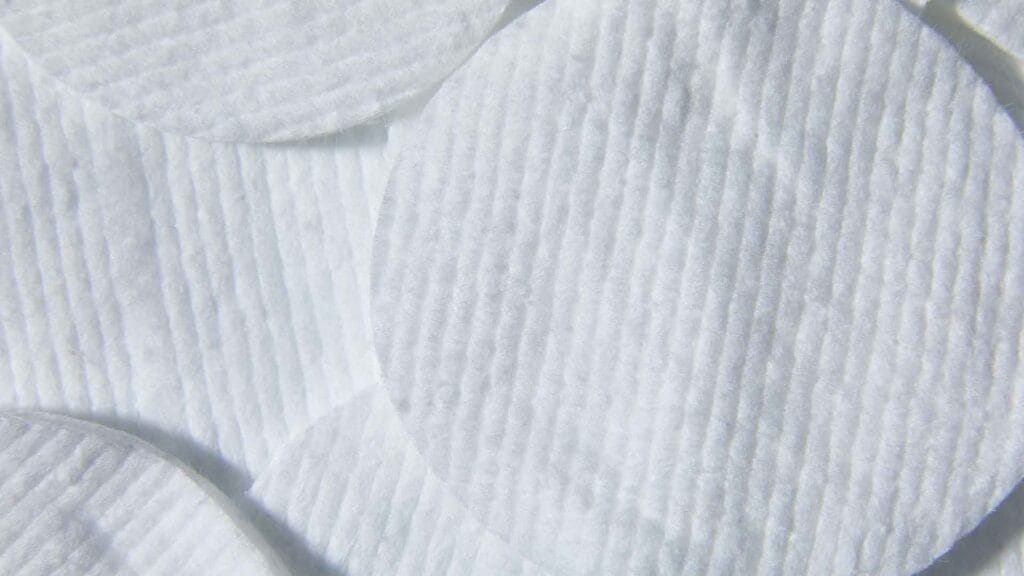
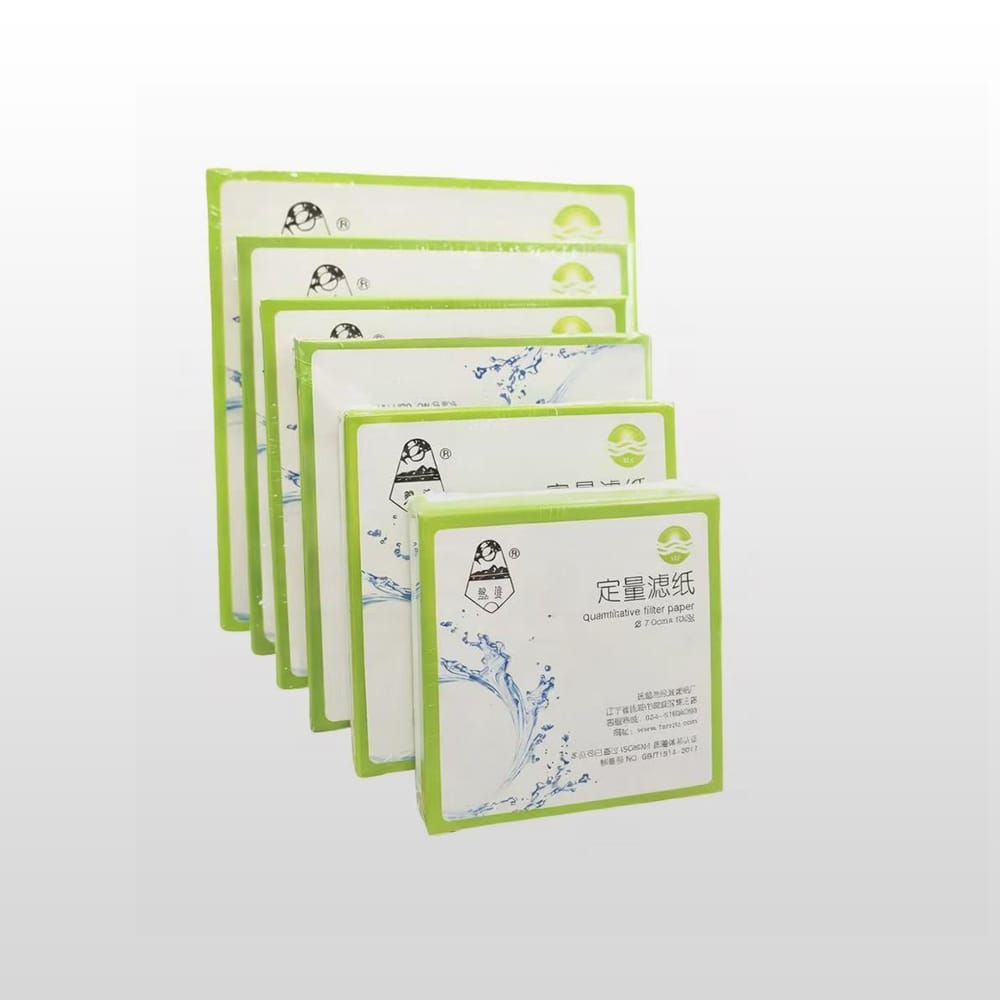
Qualitative filter paper is available in common laboratory diameters such as 7 cm, 9 cm, 11 cm, 12.5 cm, 15 cm, and 18 cm. The correct diameter depends on the funnel size, sample volume, precipitate amount, and filtration method.
A paper that is too small can cause bypass and sample loss. A paper that is too large can fold poorly, slow filtration, or waste material. The paper should sit neatly inside the funnel and create a stable filtration surface.
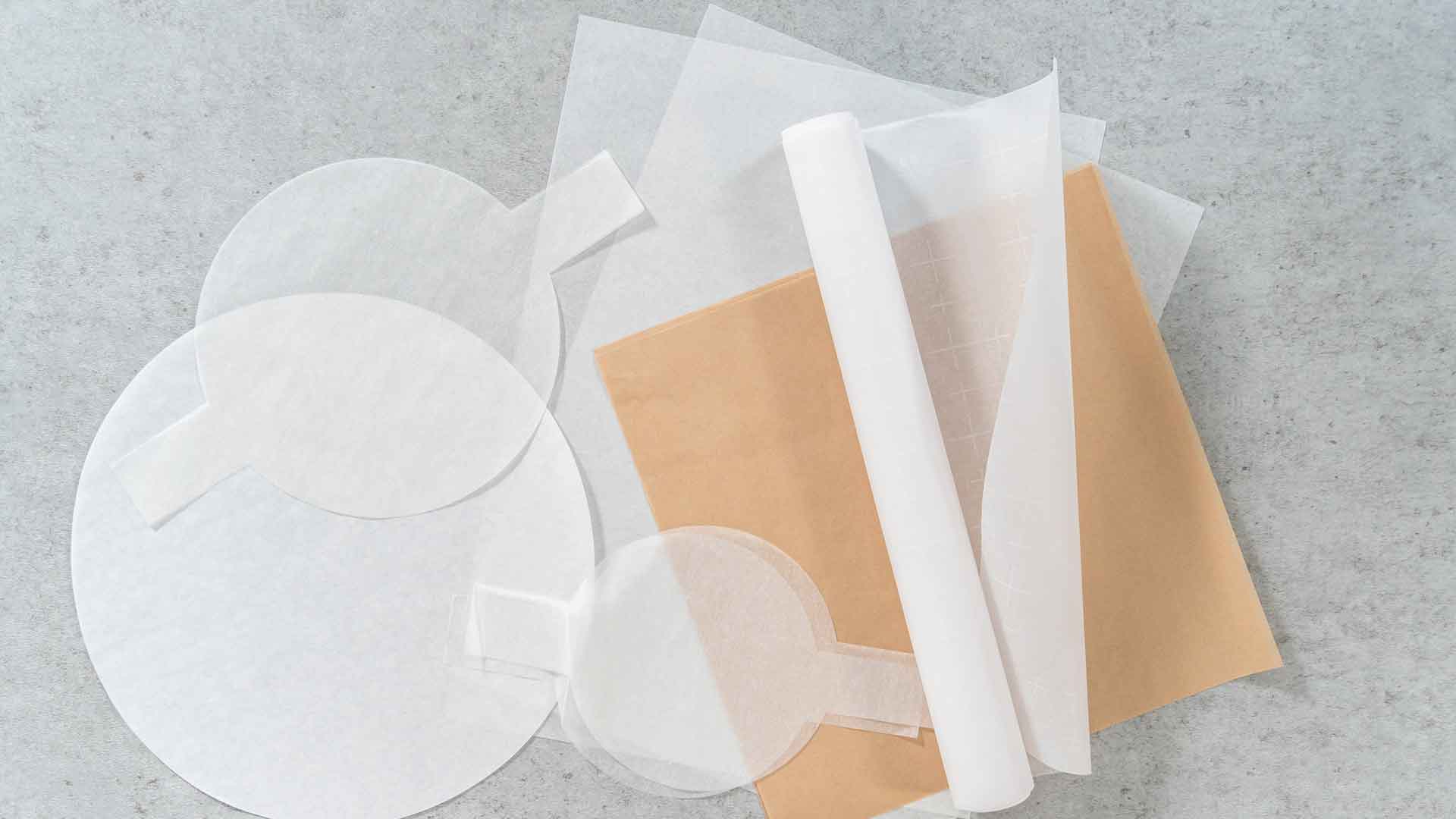
Common formats include:
| Format | Best Use |
| Circular filter paper | Laboratory funnels and routine filtration |
| Sheet filter paper | Custom cutting or larger filtration setups |
| Folded filter paper | Faster gravity filtration and better surface area |
| Custom sizes | Special lab equipment or distributor packaging |
| Rolls | Higher-volume industrial or process filtration |
For larger industrial formats, our large industrial filter paper may be more suitable than standard laboratory circles.
Gravity Filtration vs Vacuum Filtration
Qualitative filter paper is often used in gravity filtration, where liquid passes through the paper naturally under gravity. This method is simple, gentle, and widely used in teaching labs and routine sample preparation.
Vacuum filtration is faster because suction pulls liquid through the paper. However, it may require stronger paper and proper support to prevent tearing or deformation. Not every qualitative filter paper is suitable for vacuum-assisted filtration.
| Filtration Method | Advantage | Paper Selection Concern |
| Gravity filtration | Simple, gentle, easy to set up | Choose proper diameter and porosity |
| Vacuum filtration | Faster processing | Paper needs enough wet strength |
| Hot filtration | Helps remove insoluble impurities from warm solutions | Paper should support fast flow and stable handling |
| Repeated washing | Improves separation cleanliness | Paper must resist tearing when wet |
For many daily lab tasks, gravity filtration is enough. For faster workflows or larger sample volumes, the lab should confirm whether the paper has suitable wet strength before using vacuum assistance.
Common Problems and How to Solve Them
Even routine filtration can fail when the paper does not match the sample or method.
| Problem | Possible Cause | Practical Solution |
| Filtrate remains cloudy | Paper retention too open or sample particles too fine | Use slower paper or allow sample to settle first |
| Filtration is too slow | Paper too dense, sample too viscous, or solids overloaded | Use faster paper, reduce sample load, or pre-filter |
| Paper tears when wet | Weak wet strength or rough handling | Choose stronger paper and improve handling technique |
| Liquid bypasses the paper | Wrong paper size or poor folding | Match diameter to funnel and fold correctly |
| Paper clogs quickly | High solids content or gelatinous precipitate | Use staged filtration or reduce solids loading |
| Results vary between tests | Inconsistent paper or technique | Standardize paper grade, size, and procedure |
| Fibers appear in sample | Poor paper quality or damaged paper | Use cleaner, more stable filter paper |
A good filtration result depends on paper quality and technique working together.
How to Evaluate Qualitative Filter Paper Before Bulk Supply
Laboratories, distributors, and industrial users often need stable repeat supply. Before confirming a bulk order, sample testing is recommended.
Evaluation should include:
Filtration speed
Test the paper with the actual liquid and sample volume. A paper that works well with water may behave differently with a viscous or particle-heavy sample.
Filtrate clarity
Check whether the filtered liquid meets your visual or testing requirements.
Wet strength
Observe whether the paper tears, softens, or deforms during use.
Folding performance
The paper should fold cleanly and sit properly in the funnel.
Particle retention
Compare whether solids remain on the paper or pass through.
Size accuracy
Confirm that the diameter or sheet size fits your equipment.
Batch consistency
Repeat tests with multiple papers from the same supply to evaluate stability.
Laboratories that follow formal quality systems may also consider whether the supplier understands document control, traceability, and consistent production. International standards such as ISO/IEC 17025 are commonly associated with testing and calibration laboratory competence, while paper test classification may also reference laboratory filter paper standards such as ASTM E832.
What to Include in a Technical Inquiry
A clear inquiry helps the supplier recommend the correct qualitative filter paper faster. Instead of asking only for “lab filter paper,” include the actual use case.
Useful details include:
- Application field
- Filtered liquid
- Main solid particles or precipitate type
- Required filtration speed
- Required paper diameter
- Funnel or equipment size
- Gravity or vacuum filtration method
- Current filtration problem
- Packaging preference
- Expected usage volume
- Sample testing needs
A more useful inquiry would be:
“We need qualitative filter paper for laboratory use in routine sample clarification. The filtrate should be clear, but the current paper filters too slowly. We use 11 cm circular paper in gravity filtration. Please recommend a medium-speed paper with stable wet strength for testing.”
This information helps the supplier recommend based on real filtration conditions rather than guessing from a general product name.
For selection support, send your requirements through our contact page.
Storage and Handling Tips for Better Laboratory Filtration
Storage and handling can affect filtration performance. Even good qualitative filter paper can become unreliable if it absorbs moisture, dust, chemical vapor, or laboratory contamination.
Keep filter paper in a clean, dry place. Close the packaging after use. Avoid touching the filtration area with dirty hands. Do not store paper near strong chemical fumes. Keep different grades and diameters clearly labeled. Avoid crushing or bending the paper before use.
During filtration, place the folded paper properly in the funnel. Wet the paper with a compatible solvent or liquid when the method requires it. Pour the sample slowly and avoid overloading the paper with too much solid at once.
Good handling improves repeatability and reduces avoidable filtration problems.
Why Supplier Consistency Matters
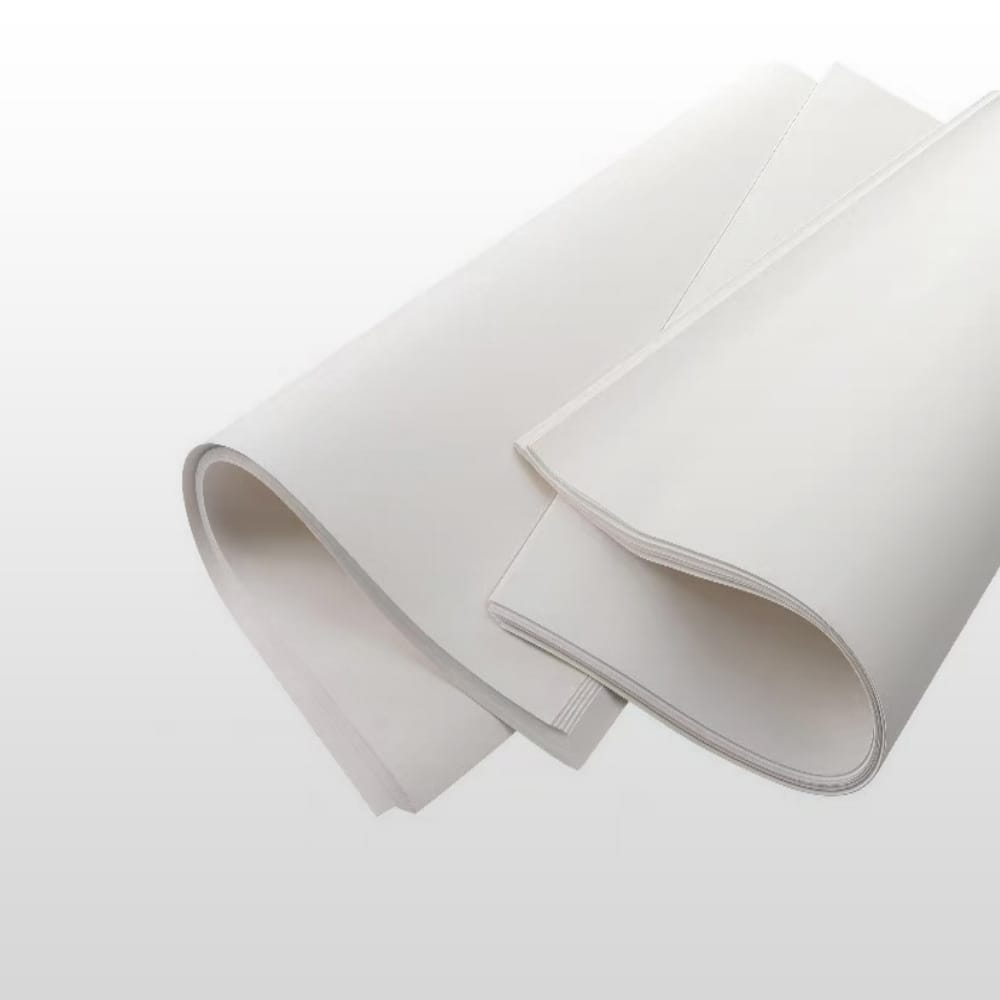
For a single classroom demonstration, almost any basic filter paper may seem acceptable. For laboratories that run routine tests every day, consistency becomes much more important.
A reliable qualitative filter paper supplier should provide:
- Stable paper formation
- Consistent filtration speed
- Accurate diameters
- Clean packaging
- Good wet strength
- Repeatable performance between batches
- Practical support for grade selection
- Bulk supply capability
- Custom size options when needed
Fushun Civil Affairs Filter Paper Factory supplies qualitative analysis filter paper, quantitative analysis filter paper, industrial filter paper, and lens cleaning paper for laboratory and industrial applications. You can explore our qualitative analysis filter paper or view the complete filter paper product range.
Conclusion
Qualitative filter paper for laboratory use plays an important role in routine filtration, sample clarification, precipitate separation, and daily laboratory preparation. Although it is not designed for precise gravimetric weighing, it can still affect filtration speed, clarity, handling stability, and workflow efficiency.
The right paper should match the sample type, particle size, filtration method, funnel size, liquid behavior, and required clarity. Fast paper is useful for larger particles and quick filtration. Medium paper works well for many routine tasks. Slow paper is better when finer particle retention is needed.
Before choosing a bulk supply, test the paper under real laboratory conditions. Check filtration speed, clarity, wet strength, folding performance, diameter accuracy, and batch consistency. A well-selected qualitative filter paper can make routine lab filtration smoother, more stable, and easier to manage.
For product selection or sample discussion, visit our qualitative analysis filter paper page or contact us with your laboratory filtration requirements.
FAQ
What is qualitative filter paper used for?
Qualitative filter paper is used for routine laboratory filtration, sample clarification, precipitate separation, and qualitative analysis where exact residue weighing is not the main purpose.
Can qualitative filter paper be used for gravimetric analysis?
It is usually not recommended for gravimetric analysis because ash content is not controlled as strictly as quantitative filter paper. For mass-based analysis, quantitative filter paper is a better choice.
How do I choose fast, medium, or slow qualitative filter paper?
Choose based on particle size and filtration needs. Fast paper works for larger particles, medium paper suits many routine tasks, and slow paper is better for finer particles that need stronger retention.
Why is my filtrate still cloudy after filtration?
Cloudy filtrate may mean the paper is too open, the particles are too fine, the sample was disturbed during filtration, or a slower grade is needed.
What size qualitative filter paper should I choose?
Choose a diameter that fits your funnel or filtration equipment. The paper should sit properly without bypass, excessive folding, or overflow.
Can qualitative filter paper be used with vacuum filtration?
Some qualitative filter papers can be used with vacuum filtration, but wet strength and equipment support must be considered. Testing is recommended before routine use.
Do you supply qualitative filter paper in bulk?
Yes. Qualitative analysis filter paper can be supplied for laboratory, distributor, education, and industrial routine filtration needs. You can submit your specifications through the contact page.